
This Is What Happens When Amazing Weather Actually Delivers
Monsoons Bring Tantalizing Renewed Life and Survival
Dear Reader,
I want to thank Sahil Patel from Reciprocal for the writing prompt used to create this article. The prompt was Monsoon Marvels. His article https://readmedium.com/monsoon-marvels-a-tapestry-of-lifes-rebirth-dea10db143c0 was used to introduce his challenge.
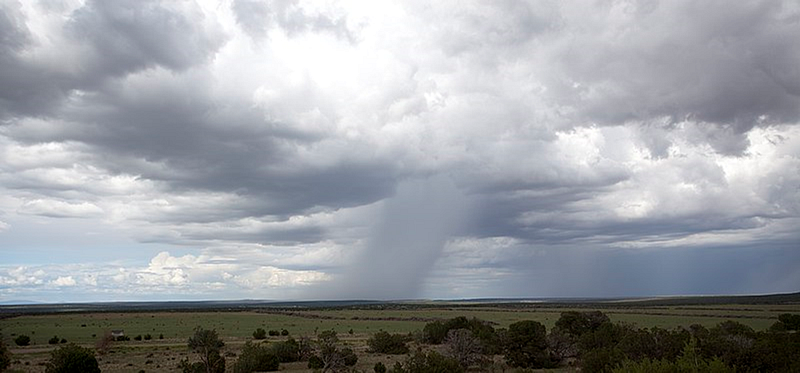
His challenge was for writers to compose a descriptive piece that captures the essence of the beginning of the monsoon. Paint a vivid picture of the sky heavy with charcoal-gray clouds, casting a mysterious veil over the landscape. Describe the electric charge in the air, the palpable sense of expectancy as nature readies itself for the downpour.
Introduction
I am not afraid to admit that I have not been near a monsoon for several years. My understanding is that monsoons create wet summers and dry winters. This article will examine an introduction, Monsoon in the United States Southwest, The North American Monsoon, When the Monsoon happens, the effects of the Monsoon, and Variability.
Through this article, some of my readers may learn new information. If that is true, then I feel thrilled. Thanks to all who read this article.
Monsoon in United States Southwest
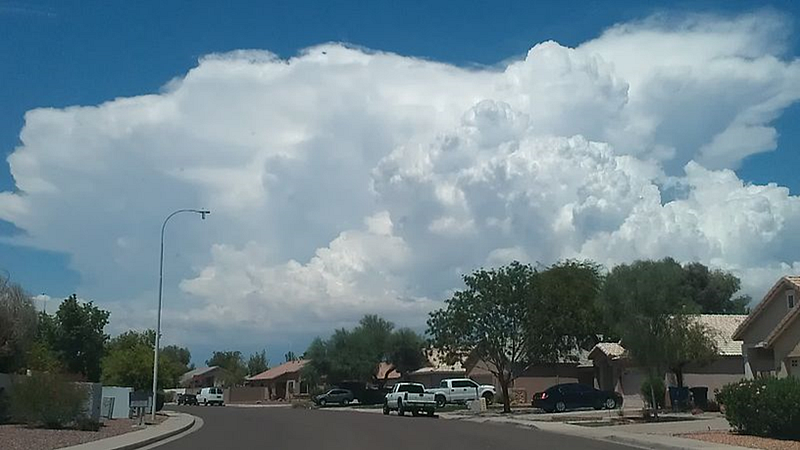
My son, Jeremy, and his wife and children experience the North American monsoon, which starts in late June or early July and runs into September. They live near Tucson, Arizona. It makes their summers interesting.
It is very dry where they live, and when the monsoon starts, they get thunderstorms where the dark clouds cover foreboding skies on the horizon and lightning flashes. Then the wind picks up, and a scary loud storm appears on the horizon.
Since the desert has seen little to no rain over many months it is extremely dry. Landscaping around businesses and town residential areas usually includes something other than a green yard. They lean heavily on Xeriscaping, meaning that the yard spaces are most times rock and native plant life.
Some people even plant saguaro cacti. There are few flowers other than those grown naturally. The town will go from brown and drab to green and vibrant when the rain comes. The trees and plant life welcome the fresh rains they have waited months to enjoy.
Sometimes, it rains so hard there that you cannot see the outside world. Drivers stop their cars and trucks, waiting for the rain and wind bands to pass by so they can see to drive safely. Doing otherwise would mean driving blind because you cannot see past the windshield. The streets flood within a very short time because there is so much rain coming down.
The rain accumulates on top of the hard-packed earth because it comes down so fast that the parched ground cannot soak it up fast enough. This causes localized flash flooding and must be avoided. Vehicles are known to have been swept away in the fierceness of the water.
North American Monsoon
And yet, we know that this is only a tiny part of the storm because the storm can cover the state of Arizona, New Mexico, and much of the country of Mexico. There is no doubt that the states of Nevada, Utah, Colorado. West Texas and California will also be affected.
This phenomenon is known as the North American monsoon, the Southwest monsoon, the Mexican monsoon, the New Mexican monsoon, or the Arizona monsoon. Desert monsoon seems to be a good descriptor since it affects much of the Sonoran and Mojave deserts. Monsoon. (2023, July 13). In Wikipedia. https://en.wikipedia.org/wiki/Monsoon
The North American monsoon is a pattern of increased thunderstorms and rainfall over large areas of the southwestern United States and northwestern Mexico areas. Thunderstorms fueled by daytime heating build up during the late afternoon and early evening. The storm normally dissipates by late at night. The next day starts out fair with the cycle repeating itself daily. North American monsoon. (2023, July 12). In Wikipedia. https://en.wikipedia.org/wiki/North_American_monsoon
The North American monsoon brings moisture from the Gulf of California, the eastern Pacific, and the Gulf of Mexico over northwestern Mexico and the southwestern United States. The spring is hot and dry in the monsoon area because the western side of the subtropical high-pressure ridge and dry continental air has not begun to shift downward yet for the North American monsoon. (2023, July 12). In Wikipedia. https://en.wikipedia.org/wiki/North_American_monsoon
The rain accumulates on top of the hard-packed earth because it comes down so fast that the parched ground cannot soak it up fast enough. This causes localized flash flooding and must be avoided. Vehicles and people are known to have been swept away in the fierceness of the water.
North American Monsoon
And yet, we know that this is only a tiny part of the storm because the storm can cover the state of Arizona, New Mexico, and much of the country of Mexico. There is no doubt that the states of Nevada, Utah, Colorado. West Texas and California will also be affected.
This phenomenon is known as the North American monsoon, the Southwest monsoon, the Mexican monsoon, the New Mexican monsoon, or the Arizona monsoon. Desert monsoon seems to be a good descriptor since it affects much of the Sonoran and Mojave deserts. Monsoon. (2023, July 13). In Wikipedia. https://en.wikipedia.org/wiki/Monsoon
The North American monsoon is a pattern of increased thunderstorms and rainfall over large areas of the southwestern United States and northwestern Mexico areas. Thunderstorms fueled by daytime heating build up during the late afternoon and early evening. The storm normally dissipates by late at night. The next day starts out fair with the cycle repeating itself daily. North American monsoon. (2023, July 12). In Wikipedia. https://en.wikipedia.org/wiki/North_American_monsoon
The North American monsoon brings moisture from the Gulf of California, the eastern Pacific, and the Gulf of Mexico over northwestern Mexico and the southwestern United States. The spring is hot and dry in the monsoon area because the western side of the subtropical high-pressure ridge and dry continental air has not begun to shift downward yet for the North American monsoon. (2023, July 12). In Wikipedia. https://en.wikipedia.org/wiki/North_American_monsoon
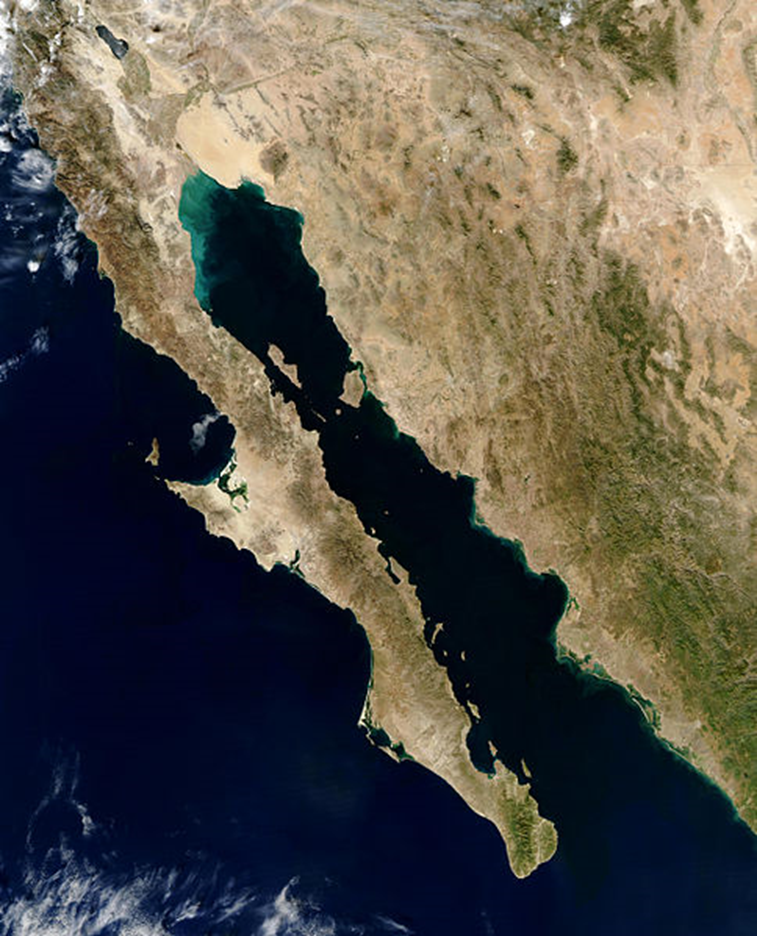
Inland areas have low humidity and dew points. If the dryline that separates the hot and dry airmass to the Northwest from the humid monsoon airmass to the Southeast fails to migrate, the delayed effect is more substantial. This can prevent tropical moisture from reaching farther Northwest towards Death Valley until later in the summer. When this happens, the Nevada deserts may receive almost no monsoon. North American monsoon — Wikipedia
When the North American Monsoon Happens
In early summer, the monsoon shifts wind patterns as Mexico and the southwest U.S. warm under intense solar heating. The prevailing winds flow from more excellent, moist ocean areas into hotter, dry land areas. Precipitation increases in southern Mexico in late May to early June and spreads along the western slopes of the Sierra Madre Occidental. This air reaches New Mexico and southeast Arizona in early July. North American monsoon — Wikipedia
The monsoon extends further into the southwest United States as it matures in mid-July. When an area of high pressure, called the monsoon or subtropical ridge, develops in the upper atmosphere over the Four Corners region, it creates wind flow aloft from the east or southeast. At the same time, a thermal low (a trough of low pressure from intense surface heating) develops over the Mexican Plateau and the Desert Southwest of the United States. North American monsoon — Wikipedia
The thermal low sets up circulation that brings pulses of low-level moisture from the Gulf of California and the eastern Pacific. The Gulf of California is important in low-level moisture transport into Arizona and Sonora. Upper-level moisture is also transported into the region from the Gulf of Mexico by easterly winds aloft. North American monsoon — Wikipedia
Once the Sierra Madre Occidental forests turn green from monsoon rains, evaporation, and plant transpiration can add moisture to the atmosphere that flows into Arizona. If the southern Plains of the U.S. are unusually wet and green during the early summer months, that area can also serve as a moisture source. North American monsoon — Wikipedia
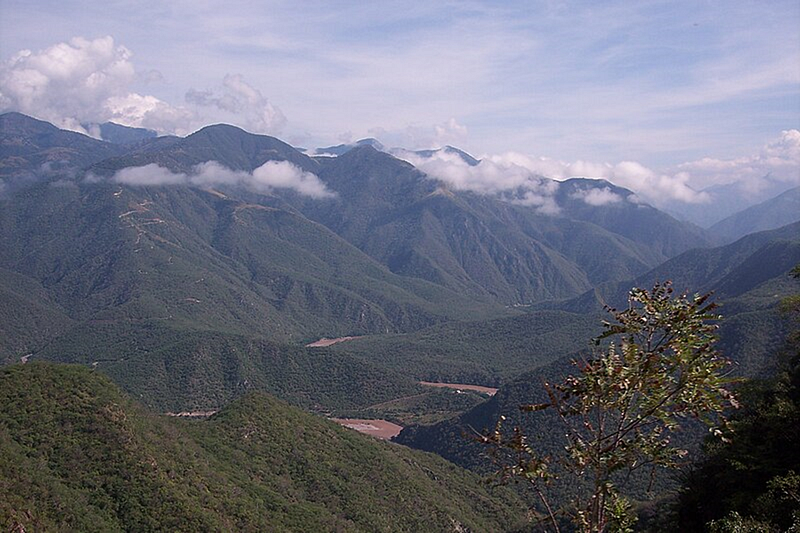
Water values rise in early summer, and brief but often torrential thunderstorms occur, especially over mountainous terrain. Tropical waves and remnants of tropical cyclones can enhance moisture flow. North American monsoon — Wikipedia
Effects of North American Monsoon
Northwest Mexico and the Southwest U.S. get about half of their annual precipitation from the Monsoon. Desert plants have adapted to this wet season. Compared to other deserts, the Sonoran and Mojave deserts are considered relatively “wet” because of the monsoon. North American monsoon — Wikipedia
Monsoons often reduce wildfire threats by providing moisture at higher elevations during the wildfire season. Heavy monsoon rain can lead to excess winter plant growth, a summer wildfire risk. A lack of monsoon rain can hamper summer seedlings, reducing excess winter plant growth but worsening drought. North American monsoon — Wikipedia
Flash flooding is a danger during the monsoon. Dry washes can become raging rivers instantly, even when no storms are visible. A storm can cause a flash flood miles away.
Lightning strikes are also a significant danger. Because it is dangerous to be caught in the open when these storms suddenly appear. Many golf courses in Arizona have thunderstorm warning systems. North American monsoon — Wikipedia
Mountain ranges, including the Sierra Madre Occidental and the Mogollon Rim, provide a focusing mechanism for the development of thunderstorms. A lot of monsoon rainfall occurs in mountainous terrain. Monsoon rainfall in the Sierra Madre Occidental ranges from 10 to 15 inches. North American monsoon — Wikipedia
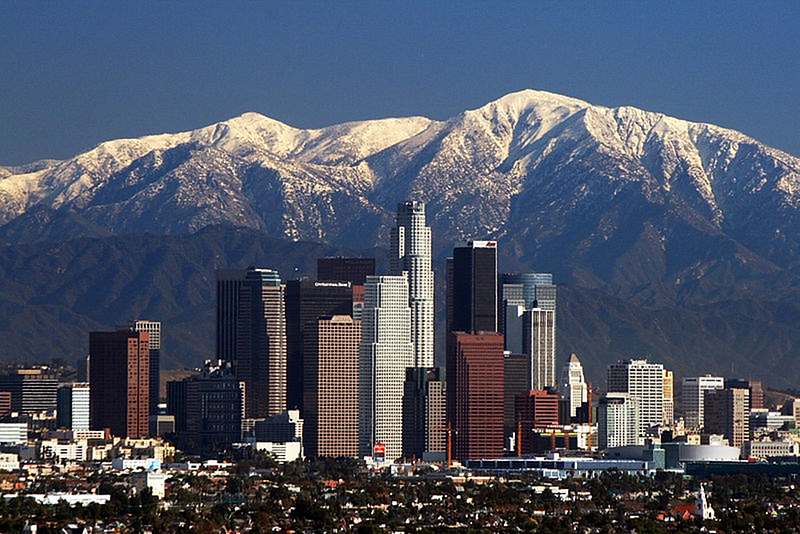
Because the southwest U.S. sits at the northern fringe of the monsoon, precipitation is more variable. California and Baja California receive spotty monsoon-related rainfall. North American monsoon — Wikipedia
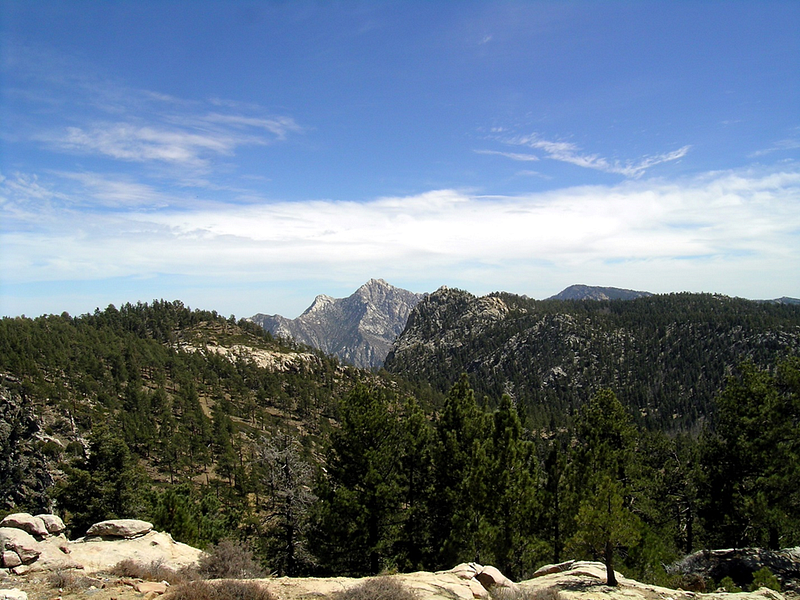
The cool, moist air stabilizes the atmosphere for land areas where solar heating is not strong enough to overcome a continual supply of cold water from the North Pacific Ocean. The monsoon pushes as far west as the Peninsular and Transverse Ranges of Southern California but rarely reaches the coastal strip. North American monsoon — Wikipedia
Variability of North American Monsoon
Rainfall during the monsoon varies. There are “burst” periods of heavy rain during the monsoon and “break” periods with little or no rain. The large-scale atmospheric motions may control the distribution of water vapor and the general stability or instability in the atmosphere. Local topographic effects are critical to convective activity’s geographic and even temporal distribution. North American monsoon — Wikipedia
Thunderstorms develop based on the upper-level steering pattern and disturbances around the ridge. The strength and position of the subtropical ridge govern the distance north that easterly winds can spread. If the ridge is too close to a particular area, the sinking air at its center suppresses thunderstorms and can result in a significant monsoon “break.”
If the ridge is too far away or weak, the east winds around the high are inadequate to bring tropical moisture into the mountains. If the ridge sets up in a few key locations, widespread and potentially severe thunderstorms can develop. North American monsoon — Wikipedia
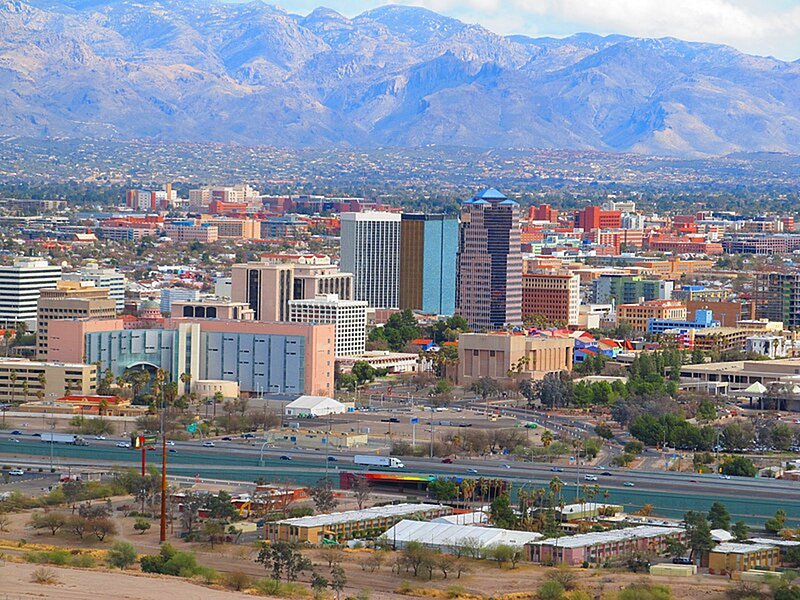
Monsoon rainfall can vary from one summer to the next. For example, the regular monsoon precipitation in Tucson, Arizona, is 6.06 inches. The driest monsoon season measured 1.59 inches, and the wettest measured 13.84 inches. North American monsoon — Wikipedia
Research on North American monsoons since 2010 has brought out the following factors with an effect on variability:
- Sea surface temperature anomalies (water temperature close to the ocean surface).
- Large-scale circulation patterns (air movement and thermal energy redistribution on the earth’s surface).
- Previous year’s precipitation (drizzle, rain, sleet, snow, ice pellets, graupel, and hail that saturates the atmosphere and condenses and falls).
- The location of the intertropical convergence zone (where the northeast and southwest trade winds converge) encircles the earth near the thermal equator, but the specific position varies seasonally.).
- Variability in the Gulf of California moisture surges (a meteorological event where a pulse of high humidity air is pushed up the Gulf of California. The surges bring moisture to southern Arizona during the North American Monsoon).
These factors individually cannot predict variability. The factors are related to each other and are not independent. For example, sea surface temperatures affect all the other factors. North American monsoon — Wikipedia. https://en.wikipedia.org/wiki/North_American_monsoon
Nevada deserts may receive almost no monsoon influence if the western subtropical high shifts less than in typical years. In 2020, the subtropical high remained further south than usual due to the influence of a strong ridge of high pressure over the northern Pacific, displacing the jet stream further inland. These factors blocked moist tropical air from reaching the American Southwest, leading to below-average rainfall. North American monsoon — Wikipedia. https://en.wikipedia.org/wiki/North_American_monsoon
How the monsoon affects the Earth’s surface
A very good demonstration of how the monsoon affects the earth is demonstrated at https://en.wikipedia.org/wiki/File:Monsoons_Wet,_Dry,_Repeat.webm
This article is complete. Thanks for reading, and please provide any constructive criticism appropriate. We value your time and very much appreciate your reading and commenting.
If you liked this article, please clap for it, mark yourself as a follower of mine, and join me on my journey in writing as I contribute to various publications on medium.com.
The more time people spend reading my articles, the more it encourages me to continue writing — many thanks for taking the time to read what I have written. Get access to unlimited articles here on Medium!
Where else can you read articles written by artistic and creative authors on so many different topics for $5 a month?
Please consider joining Medium, and please join my email list. When I write something new, the system will notify you. My writing success depends on readers like you who appreciate and support my writing. Thanks so much for taking the time to read and help me.
I want to give a Big Shout-Out to Mia Verita for her article https://readmedium.com/starry-night-5ea75fa597a7. She speaks about the Van Gogh Immersive Experience in New Orleans. She explains what the life and art of Van Gogh mean to her. Not to be missed is both the beautiful artwork throughout her article and the very best saved to last is the Don McLean — Vincent piece on Starry, Starry Night with the lyrics. One of the best articles I have ever read. I would love to commend her for this beautiful work and for sharing it with others. Don’t miss this! It will bless your soul. Awesome job Mia!
I would love to give a Big Shout-Out to Janin Lyndovsky for her article https://readmedium.com/the-majestic-mountains-my-first-love-c75166cbbbf7. In this article, she explains her love for the mountains and what they mean and has meant for her. She takes us through various mountain ranges to view the mountains there. I love mountains as well and love hiking them. This article really spoke to me, and I recommend anyone who loves mountains read this article! Great job Janin!


