
This is The End of an Economic Era
And we will all have to learn to live with these changes.
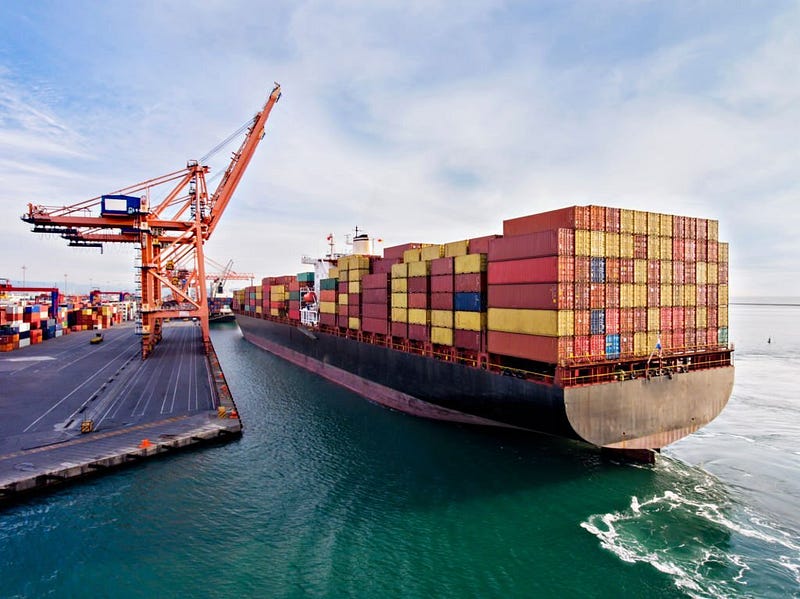
If a man from the early 1900s was catapulted into the present, it would amaze him how accessible everything is to purchase from all over the world. Modern supply chains have truly been a blessing, and their development allowed customs restrictions between countries to be broken down.
And there you have it: Globalization
And since then, nobody had actually tried or halted this process. After all, what could ever go wrong?
But then the pandemic broke out, and shit got real.
All countries had to limit commercial activities. China, in particular, adopted a still-standing zero Covid policy, which blocked Chinese exportation to the world and left much of it lacking the resources those countries previously imported from China with no issue.
And as it was not enough, two years later, the Russian-Ukrainian war broke out, and several resources, such as the Russian oil, on which most of Eastern and Central Europe was reliant on, or the Ukrainian wheat, which accounted for a tenth of world’s wheat before the pandemic.
The world is beginning to think about clamming up
That the Western economy, especially Europe, had been so damaged by foreign powers, rivals among them, is worrying some experts, who are already speculating on a potential end to globalization. But what will happen after? Is the tariff scheme coming back?
I don’t think tariffs will ever come back. The modern technologies which allow us to transport goods throughout the world more easily and quickly are too useful to be ignored.
But although free trade is here to stay, this does not mean there will not be changes at all. Until now, there only has been one world market. You can order from whenever you want: China, Russia, India, Japan…
In this new era, though, markets will divide and the two major economic blocks will solidify: Russia’s trade with the west will be limited, so they will continue resorting to China as their trading partner as they have been doing since the onset of the war.
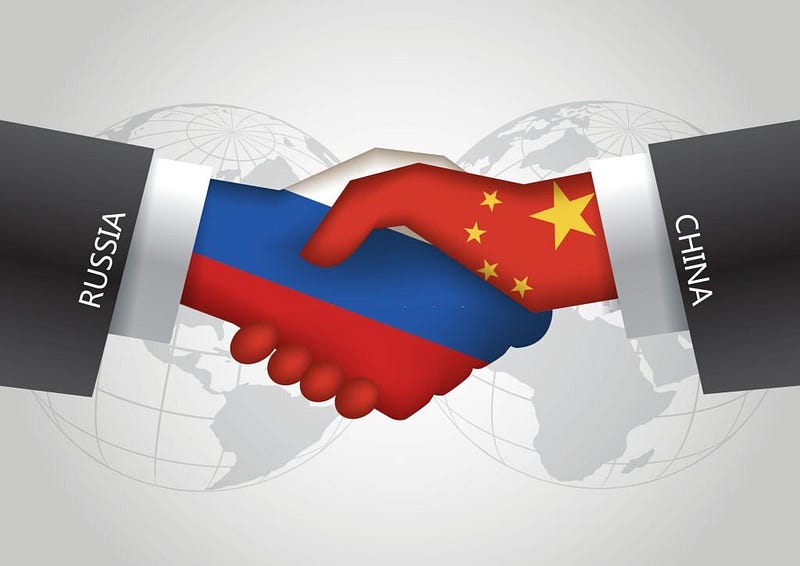
Countries with smaller markets, chiefly in the imports-relying Africa, will split between those which trade with the West and those which trade with the Russian-Chinese block. The remaining BRICS countries, namely South Africa, Brazil and India, will also become increasingly reliant on Chinese imports, and the latter will take the lead in the trade bloc pitted against the West.
The countries of the European Union, and in part the EU as a whole, will have to face a difficult dilemma: either fully renounce to Russian and Chinese imports anticipating the new trade block system, on which many countries are critically reliant, or distance themselves from the United States and act independently from them, allowing the EU to leave one foot in the pit and another in the other. Who knows, maybe the reliance of most EU countries on the commercial ties with the enemies will separate the long term between the strategic and economic interests of the United States and of the European Union.
In sum, a future economic alliance between China and Russia, buckling as it could be, would divide the world market clearly, causing geopolitical tensions, even between allies which conclusively do not share the same goals. Globalization would not die, but it would divide itself between two broad trade empires.