
This is Samsung’s iPad moment. But it wont last forever.
Apple redefined the smartphone market in 2007 when they launched the original iPhone. Gone were devices that shared their footprint between full size keyboards and half size displays, and along came all-screen devices. Their touch capability delivered a new experience that elevated visual properties above all others, and the market followed.
Shortly after launch, Samsung, Motorola, and just about everyone else hit the market with their offerings and a new breed of smartphone was born.
Thing is, that was almost 17 years ago yet most smartphones available on the market today, share the same DNA with that iPhone 1. A candybar shape, with a fixed display and a couple of physical buttons on the edge to control power and volume.
And despite the advances in folding technology that Samsung have delivered, the average consumer still only wants a candybar shaped smartphone.
Average Consumer
If you think about Apple’s average customer, who only change their smartphone when it displays physical ailments or they come to the end of their 24–36 month contract, they fall into default position and just get the newer version of what they already have.
Why?
Because they expect their next smartphone to look like their current smartphone.
Raising Expectations
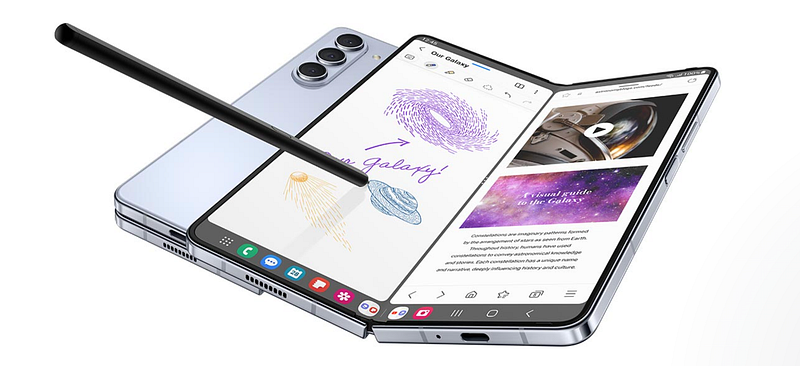
This is where Samsung need to re-educate the masses into demanding more. Samsung make exceptionally good folding devices that deliver huge advantages to so many people, yet the majority of people aren’t interested — or at least they don’t thing they are.
Imagine a marketing campaign from Samsung that questioned why your smartphone, going into 2024, still looks like your smartphone from 2007, while your use case has changed dramatically.
Back in 2007 we weren’t watching Netflix on our phones, we weren’t tuning into the Grand Prix or Soccer Match. We weren’t spending time viewing and editing Microsoft Office documents, or processing data, or playing console quality games. Most of us jumped onto our PCs or Macs for that, and used our smartphones to view photos or send short messages, and dare I say it, make calls. But in 2023, going into 2024, we’re all doing so much more with our devices.
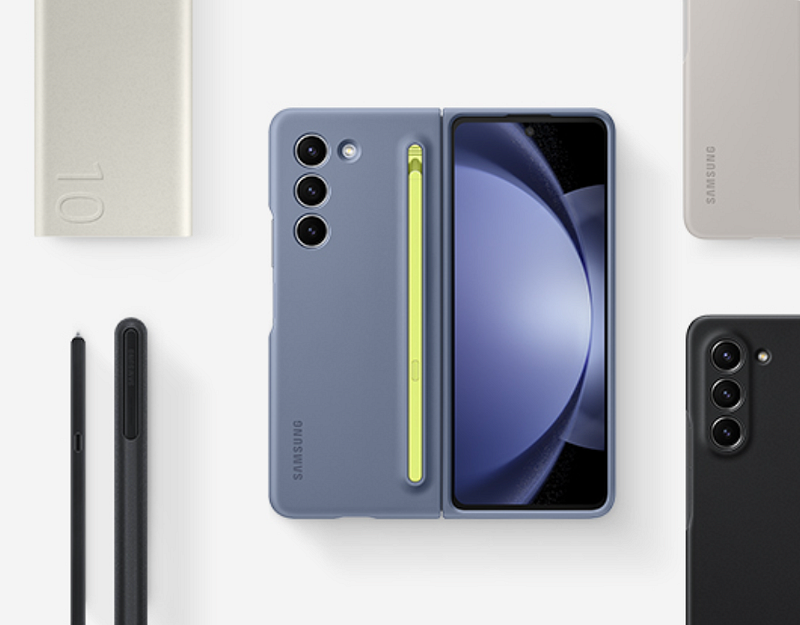
And Samsung has an opportunity to really showcase that their mobile products have kept pace with that demand, in a way that questions how people get by without a Foldable. Asking questions as to why you’d want to carry both a phone and a tablet, when a product is available to do both.
I’d love to see a campaign that juxtaposes the evolution of our workflow against the evolution of the smartphone, and see Samsung take the market by the scruff of the neck and ask why so many people accept a smartphone from today in a formfactor from two decades ago.
Innovation outpacing the market
The market hasn’t kept pace with Samsung’s innovation, and that’s a problem, because so many people think they need more of the same. Samsung has a unique opportunity to reshape the demand from the market, by questioning the inertia in smartphone design at consumer level.
Apple did this with the iPad. Steve Jobs’ Apple launched a product that none of us knew we needed — but then we caught up, and realised that a tablet would change they way we did things.
Samsung need their iPad moment.
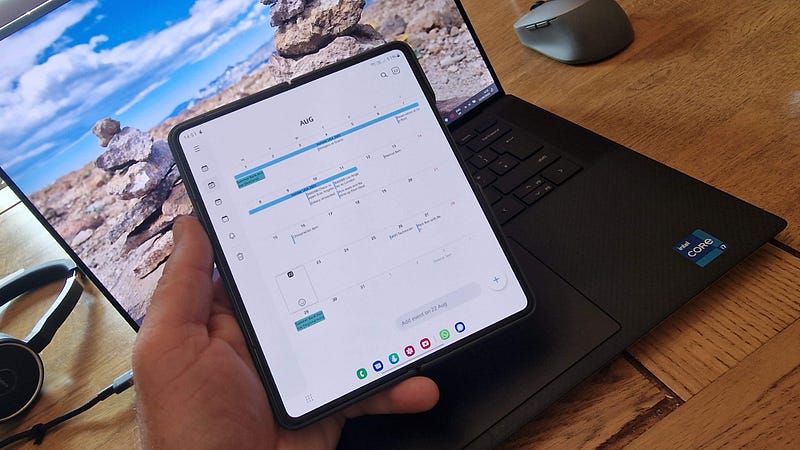
Samsung’s Z Fold line up bought a new category to market, but they launched this device aiming at a very narrow segment — business users. Yet the truth is, most people could use a folding smartphone to elevate their productivity and consumption experience.
If you don’t, Apple will.
The problem is, when Apple launch a Folding smartphone, the masses will get one, and question how they ever got by with a traditional smartphone. And at that point, the average consumer will just buy the latest iPhone, which will be a foldable one, and Samsung will miss their opportunity.
Samsung wont eat away at Apple’s customer base by promising a better candybar phone, but they can if they raise the demand of people in a way that Apple can’t satisfy.