avatarSam Westreich, PhD

Free AI web copilot to create summaries, insights and extended knowledge, download it at here

2418

Abstract

cts, but I couldn’t draw people to save my life. I’d attempt to draw a person, with a perfect image fixed in my mind’s eye-</p><p id="9697">-and it would look like garbage on the page. I’d look down at the page and instantly spot the problems: the eyes are too small and oddly placed, the face shape isn’t right, the chin is off.</p><p id="d184">The same thing happens with writing. When I look at a piece of writing, I can easily spot the places where it feels weak, where it sags and is too slow.</p><p id="0c79">(<a href="https://readmedium.com/how-to-immediately-improve-any-story-cd631fca0dd8">This is a reason why so many writers, including Medium staff, recommend reviewing an article before you publish</a>!)</p><p id="46cd">This is why, when you’re faced with starting paralysis, it’s best to just write something. Yes, it will be terrible. Yes, you’ll probably end up scrapping most of it.</p><p id="eb47">But it provides a framework which you can critique, criticize — and adjust to see where you can improve.</p><h1 id="ab61">In software development, we have an MVP. Why not in writing?</h1><p id="dffc">I’m not talking about the most valuable player; I’m referring to the idea of a minimum viable product. <a href="https://economictimes.indiatimes.com/definition/minimum-viable-product">This is <b>a development technique in which a new product is introduced in the market with basic features</b>, but enough to get the attention of the consumers. The final product is released in the market only after getting sufficient feedback from the product’s initial users.</a></p><p id="51c0">This approach can’t be directly mapped to writing, as we don’t constantly adjust our articles based upon feedback from readers — but it does align with the idea of iterating.</p><p id="add5">On the first pass of developing a software product, a good Agile team focuses on the most critical points, and ignores the other, less vital components. On subsequent sprints, the team will address those other components once the most important core features are done.</p><p id="411a">We can do the same thing with writing. When I first create an article, I start with the main thesis, the primary source, and the major points I want to hit.</p><p id="5af6">Other, smaller things can wait:</p><ul><li>Getting the title and subtitle just right</li><li>Adding in a catchy header image</li><li>Adding my summary at the end and calls

Options

-to-action</li><li>Adding snarky captions to images</li></ul><p id="1da5">All of those little details add up to make writing feel overwhelming to start — but if I put them all aside and say, “this first draft will JUST be the main points from the primary source, not that other stuff”, I feel a bit better.</p><h1 id="41be">Emails, Medium stories, reports, code, school papers — start them all as garbage</h1><p id="e3b9">The perfectionist part of my mind still hates this technique. I hate putting words on a page that won’t end up being published, hate knowing that the writing I’m creating is sub-par. I sit there, feeling that I’d rather get it right the first time than have to iterate.</p><p id="fb35">But I have found that it’s easier to start. Once I start on a paper or a story, it’s easier for me to pick it up and finish it; it sits in the back of my mind, like an open book, beckoning me to finish.</p><p id="c81f">We all want to write something that’s perfect, but that drive for perfection can sometimes be overwhelming, to the point of preventing us from ever starting in the first place.</p><p id="784e">Personally, I’ve found that my best strategy is to dive in, embracing the fact that the first draft that I write will most likely be utter garbage. Knowing that I’m not putting down words that will make it into the final, published version helps alleviate some of the pressure, and makes it easier for me to get over that initial inertial hurdle.</p><p id="c953">I invite all of you to try it. Maybe it won’t work for you. Maybe you have your own productivity hacks to get past that “blank page paralysis” — if that’s the case, please leave me a comment and share how you maximize your productivity!</p><p id="d349">But for me, once I acknowledged that my first draft would likely be garbage, it surprisingly became easier, not harder, to start.</p><p id="8185">Lower those expectations of your first draft!</p><figure id="ea5c"><img src="https://cdn-images-1.readmedium.com/v2/resize:fit:800/0*KLWG7Qs07PefXuJ1"><figcaption>“Everything I’m writing is terrible and will need to be revised — but I’m glad that I’m writing, instead of just staring at a blank page!” Photo by <a href="https://unsplash.com/@homajob?utm_source=medium&amp;utm_medium=referral">Scott Graham</a> on <a href="https://unsplash.com?utm_source=medium&amp;utm_medium=referral">Unsplash</a></figcaption></figure></article></body>

This is My Best Tip for Overcoming Writing Paralysis

Stuck at a blank page? Here’s my simple tip — you’ll hate it, but it works
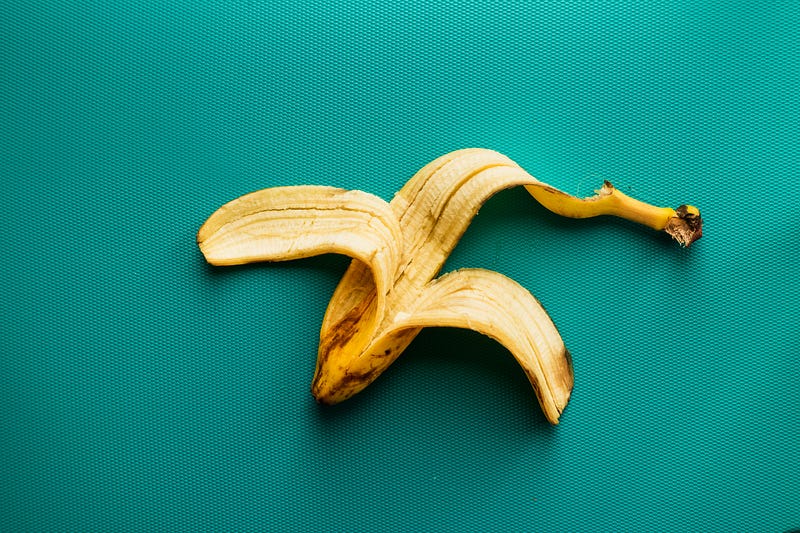
With this writing tip, you’ll end up with… garbage! But it’s a good thing! Photo by Louis Hansel on Unsplash

Have you ever faced a blank page, filled with possibility, and been paralyzed and unable to start writing? I certainly have.

It happens with articles on Medium. It happens with writing code, for bioinformatics and scientific projects. It happens every November, when I try to compete in National Novel Writing Month. It even happens when I need to send a vital email to senior stakeholders, and I know that I need to get it right.

And yet, I’m stuck, unable to begin. Doubt races through my mind.

Fortunately, I’ve found a solution, a hack to engage my brain. And I’m going to share it with you.

Ready? Here it is:

Write something that is utter garbage.

That’s right. The best way to create a great article is to first make a terrible one.

It sounds stupid. Hell, it feels stupid. But it works, and I think that I understand why.

It’s easier to criticize than to create

I think most people agree with this comment (which is, according to a quick search, a quote from a self-published author on Goodreads). It’s easier to look at something that already exists and critique it, point out its facets and flaws.

I always think of drawing. I spent a fair amount of time in my school classes doodling in the margins, when I should have been paying attention to what the teacher was saying. I was halfway decent at sketching inanimate objects, but I couldn’t draw people to save my life. I’d attempt to draw a person, with a perfect image fixed in my mind’s eye-

-and it would look like garbage on the page. I’d look down at the page and instantly spot the problems: the eyes are too small and oddly placed, the face shape isn’t right, the chin is off.

The same thing happens with writing. When I look at a piece of writing, I can easily spot the places where it feels weak, where it sags and is too slow.

(This is a reason why so many writers, including Medium staff, recommend reviewing an article before you publish!)

This is why, when you’re faced with starting paralysis, it’s best to just write something. Yes, it will be terrible. Yes, you’ll probably end up scrapping most of it.

But it provides a framework which you can critique, criticize — and adjust to see where you can improve.

In software development, we have an MVP. Why not in writing?

I’m not talking about the most valuable player; I’m referring to the idea of a minimum viable product. This is a development technique in which a new product is introduced in the market with basic features, but enough to get the attention of the consumers. The final product is released in the market only after getting sufficient feedback from the product’s initial users.

This approach can’t be directly mapped to writing, as we don’t constantly adjust our articles based upon feedback from readers — but it does align with the idea of iterating.

On the first pass of developing a software product, a good Agile team focuses on the most critical points, and ignores the other, less vital components. On subsequent sprints, the team will address those other components once the most important core features are done.

We can do the same thing with writing. When I first create an article, I start with the main thesis, the primary source, and the major points I want to hit.

Other, smaller things can wait:

  • Getting the title and subtitle just right
  • Adding in a catchy header image
  • Adding my summary at the end and calls-to-action
  • Adding snarky captions to images

All of those little details add up to make writing feel overwhelming to start — but if I put them all aside and say, “this first draft will JUST be the main points from the primary source, not that other stuff”, I feel a bit better.

Emails, Medium stories, reports, code, school papers — start them all as garbage

The perfectionist part of my mind still hates this technique. I hate putting words on a page that won’t end up being published, hate knowing that the writing I’m creating is sub-par. I sit there, feeling that I’d rather get it right the first time than have to iterate.

But I have found that it’s easier to start. Once I start on a paper or a story, it’s easier for me to pick it up and finish it; it sits in the back of my mind, like an open book, beckoning me to finish.

We all want to write something that’s perfect, but that drive for perfection can sometimes be overwhelming, to the point of preventing us from ever starting in the first place.

Personally, I’ve found that my best strategy is to dive in, embracing the fact that the first draft that I write will most likely be utter garbage. Knowing that I’m not putting down words that will make it into the final, published version helps alleviate some of the pressure, and makes it easier for me to get over that initial inertial hurdle.

I invite all of you to try it. Maybe it won’t work for you. Maybe you have your own productivity hacks to get past that “blank page paralysis” — if that’s the case, please leave me a comment and share how you maximize your productivity!

But for me, once I acknowledged that my first draft would likely be garbage, it surprisingly became easier, not harder, to start.

Lower those expectations of your first draft!
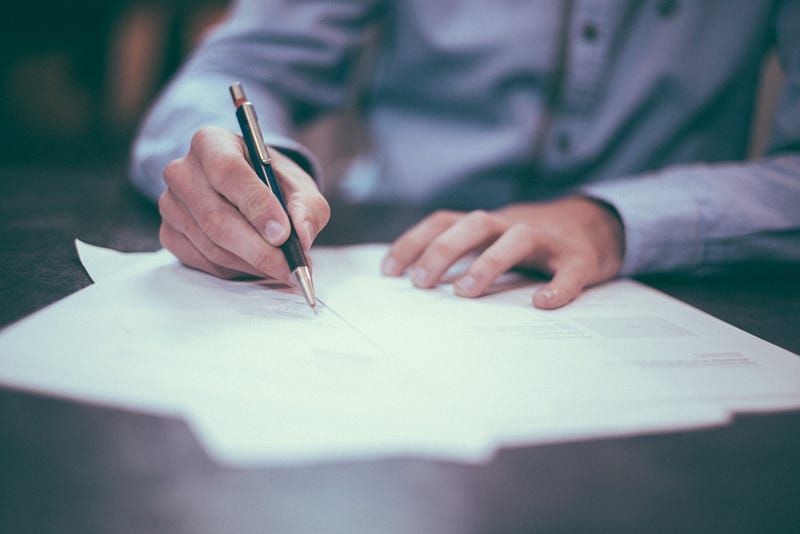
“Everything I’m writing is terrible and will need to be revised — but I’m glad that I’m writing, instead of just staring at a blank page!” Photo by Scott Graham on Unsplash
Writing
Medium
Advice
Writing Tips
Publishing
Recommended from ReadMedium