
This Is How The Republic of Congo Would Be If Forward-Thinking People Governed It.
I’m a Frenchman of Congolese descent; I’ve seen the Republic of the Congo degrading from the early 1990s to now. I’m not going to sugarcoat anything here: It’s so incredibly frustrating that the Republic of the Congo remains a Third World country, and society, in general, settles for it. Instead of making it a goal to transform the country from Third World status to Second, or even First World status, society and different administrations are too buy blaming all of their failures on colonialism and the conspiracies of “France Afrique.” If you don’t know about this stupid conspiracy theory, it’s about France “blocking” African countries from making progress. The Republic of the Congo has significant rivers like the Congo, the Kouilou, the Ubangi, and others — yet you still have populations that lack access to clean water and have to fetch water on foot by carrying churns on their way to streams and rivers — especially women and children.
Most people also lack access to electricity, especially in the countryside. The educational system is outdated and among the worst in the world. The healthcare system is among the worst on the planet, and Congolese carry on as if all of this crap is normal, but it is not normal. 53% of people in the Republic of the Congo live below the poverty line; I doubt that the unemployment rate is around 10% — it is five times higher.
Regarding the Human Development Index, the Republic of the Congo is 149th, according to the World Bank. Look, man, I’m going to say it; I don’t care if I make enemies within the Black community; I don’t care! I don’t care if I make enemies with Liberals and Progressives of all races — I don’t freaking care. In life, you’ve got to set standards; you’ve got to have means; else, you’re not going to be respected, and you will be played like a game.
This is why I met many adult Congolese individuals when I was 14 years of age who told me that they don’t expect a local Black Congolese politician to improve the country; they prefer the country to be ruled by either a Black person who has a Western mentality, or a Biracial person, an Asian, a Hispanic individual, or even a White person; This was before I left the country for South Africa.
We’re not doing a good job; cancel me all you like — I don’t freaking care. To add insult to injury, there’s a lot of Black-on-Black racism concerning tribalism. You can receive a company’s refusal of employment if you are from a different tribe, especially if you are a pygmy — you’re denied the right to education. If you are from the Democratic Republic of Congo, the Central African Republic, and a few other Sub-Saharan African countries, don’t expect to get special treatment in the country; be prepared to be patronized by locals. In the Republic of the Congo, you get special treatment if you are a Caucasian person, especially if you come from a Western country; it is what it is in that country.
There are Congolese people of European and Middle Eastern ancestry, but they’re about 10s of thousands of individuals. Guys, we haven’t done an excellent job; society wants to remain a Third World country; all we do is complain and be all talk, but no actions. Whenever someone has a plan that could benefit the country, the individual might face gunshots or other forms of assassination attempts by their opponents.
One has to bribe government officials to make specific projects come to reality. When the blind leads the blind, a society cannot be enlightened. Poorly trained teachers have incorporated narrow-minded belief systems, and they develop narrow-minded generations. Congolese society lacks the ambition to wonder what kind of the Congo-Brazzaville people want to leave behind to their children and grandchildren. Like in most Sub-Saharan African countries, we live without a thought for tomorrow; instead, it’s all about making parties, dancing, and talking about other fellow Black Africans behind one’s back. It’s all about living to impress others and get acceptance. It’s all about waiting for a higher power to show up and deliver every single Congolese citizen out of poverty and for God to pick up the mess created by the Congolese people and fix the Congo, for the Congolese people.
It’s all about gossiping and being jealous of someone else’s success; it’s all about seeing traditional healers whom they trust casting evil eyes on people one perceives as more successful. It’s all about us pushing our values on others, and making generalizations on what we believe to the best life for everyone else, especially other Black Africans we don’t freaking know — instead of letting others live their lives as they see fit.It’s all about wondering why so and so is not married yet; why so and so doesn’t have kids; why Casper gets married at 46; why Merluche’s children behave this way; why so and so is gay and abnormal; why so and so is a lesbian and bizarre— do you get where I’m going with this shit? We spend too much energy minding other people’s personal lives in the name of placing the interest of a group over the individual. Whenever someone like me addresses things holding us back from progressing, I’m accused of being too white, too Asian; I’m acting as if I’m not Black African enough. Congolese and most Black Sub-Saharan Africans don’t take into consideration the impact of econonomic issues our fellow Black individuals and people from other racial background are dealing with, relative to starting familes. We don’t understand that the idea that a family can live on a single income is laughable. We can’t force people to start families: This is something that many Black Africans don’t understand. We are going to start maturing when we’re going realize that our cultures are not the only cultures that put the interest of communities above individuals. We have used this argument as an excuse to create societies that remain Third World failed states.
If enlightened people of different racial groups governed the Republic of the Congo, this country wouldn’t remain a Third World nation; it would have transitioned into a First World nation. Politically incorrect? I don’t care. Four to eight decades after attaining independence, the Republic of the Congo and most Sub-Saharan African countries only seem to do worse. Whenever we get an opportunity to do well, we always stuff things up. Our results tell us the bloody truth; we govern like children and blame colonialism for our stupidity. Honestly, we are not worthy of those who fought and died for our dignity — no wonder we are not respected wherever we go around the world. This is why I am creating a scenario about what Congo-Brazzaville would look like if it were governed by enlightened people from different racial backgrounds. I will show you what some of the cities look like and how they would look: I’ve done this by myself. I will detail other things that would have happened if people with typical tribal mindsets didn’t govern the country.
The failure of the Republic of the Congo & Most Sub-Saharan African Countries to modernize themselves
I am prepared to be unpopular because I want what’s best for my country of origin: I want my country of origin to be a First World country, just like my birth country. I like the Republic of the Congo to have opportunities similar to those in France, Sweden, and even Estonia. Unfortunately, we have to deal with some harsh truths that will make many readers of color and Progressive Whites uncomfortable, but I don’t care — enough is enough. Despite taking independence from France on August 15, 1960, unfortunately, the Republic of the Congo has set itself back for 100 years regarding development. This country has experienced political insurrections, political assassinations, and plots in the name of power while the same people oppress their population by treating them like cattle. This is the same vicious cycle that exists throughout the Sub-Saharan part of the continent: Most Black politicians in positions of power across the vast majority of Sub-Saharan African countries are corrupt and have failed their citizens for decades and decades. I am sick and tired of those of us who are burying our heads in the sand, pretending that those issues will get solved on our own if we are not patronizing these African leaders; how is it working for us? Most Black politicians in most Sub-Saharan countries govern as if there’s no tomorrow; that culture has been ingrained in some of us due to our unwillingness to live without a thought for tomorrow. Those are the same politicians who don’t give a toss about their citizens lacking access to basic needs such as good sanitation, healthcare, education, employment opportunities, and better infrastructure.
Being the laughingstock of the world
This is why some people believe that the problem with the Republic of the Congo and most Sub-Saharan countries is us, Black people: Those are the same people that point fingers and say that Africa is hell on Earth because of us; now, instead of using these negative perceptions to prove our opponents wrong by turning our hell on Earth nations to developed nations — we continue to live up to negative stereotypes that destroy our image; this gets on my nerves. We are too arrogant to the point where we are unwilling to see our faults by running most of our countries into the ground, leading to our downfall. In the Republic of the Congo, different Black ethnic groups struggle to get along; there is no law that makes tribalism illegal and discriminatory due to weak legal systems in the country — who decided to settle for such a weak legal system? The Congolese population. We can’t live with our own tribe. And another external tribe can’t help them to make peace either. In fact… just like in most Sub-Saharan African countries, Congolese people keep killing each other… and it never ends. I will be very controversial; I don’t care if I end up being disliked about this point of view; unfortunately, Black leaders across Africa and Haiti speak about “democracy,”… but it's all a sham… a complete sham!!! It is ridiculous. Do most Sub-Saharan African leaders actually believe in democracy? I never really believed that — since I was 12 years of age. Some of our fellow “Black Liberators” have become the same politicians who ended up enriching themselves once in power and turning on us, despite them getting our support. We create our own living hell by ourselves, and then we are too weak and cowardly to solve a problem we created; instead, we waste too much time blaming colonialism for everything that doesn’t go our way. With only 3% of the world’s aircraft, Africa has the world's highest civil aviation accident rate. Currently, it accounts for 10% of all deaths worldwide. And now… are we going to continue blaming that on colonialism also, or will we mature and take responsibility for our incompetence?
The unwillingness of Congolese society to maintain the country’s infrastructure
The Republic of the Congo faces significant challenges in terms of infrastructure, basic needs, and electricity in the countryside. The country has a relatively low level of development compared to other countries in the region, and poverty and unemployment are major issues.
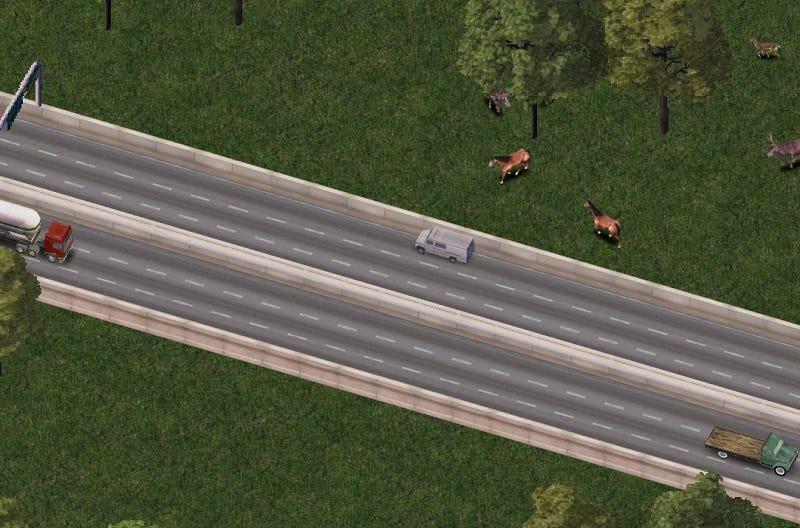
In addition, the education system in the Republic of the Congo is in need of reform. The literacy rate is low, and the quality of education is often inadequate, particularly in rural areas. This can limit the potential of the population to contribute to the development of the country and create new opportunities for economic growth. It’s important to recognize that efforts are underway to address these issues and improve the quality of life for people in the Republic of the Congo. The government has failed to invest in infrastructure projects, such as roads and electricity, to improve connectivity and access to basic needs. There is a lack of efforts to promote entrepreneurship and small business development to create new opportunities for employment and economic growth. This is why some segments of the Congolese population believe that the country would be better off if it were either governed by a Caucasian leader or an East Asian leader — I don’t blame them — do you? These are the highways the Congo would have between different regions and counties if idiots didn’t govern the country:
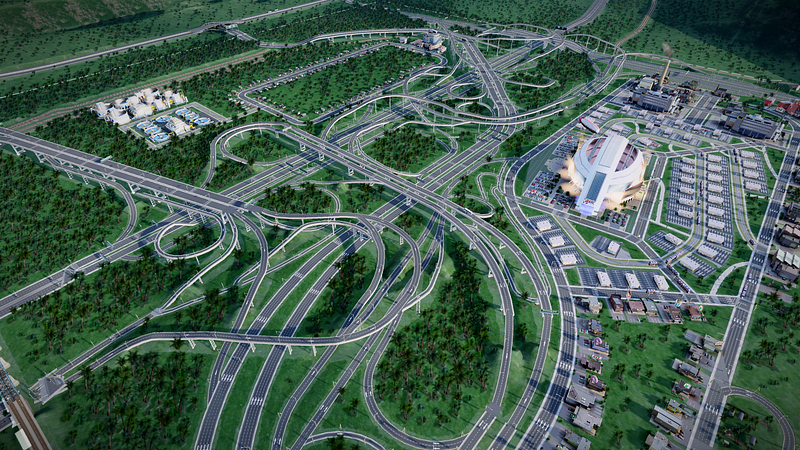

The Republic of the Congo faces significant challenges in terms of providing reliable and accessible electricity to its population. Power cuts and blackouts are common, particularly in rural areas.
This is due to a variety of factors, including insufficient investment in infrastructure, aging power plants, and limited access to fuel sources. The government has failed to face these challenges; they will unlikely attract investments in renewable energy, such as hydroelectric power, and improvements in transmission and distribution systems.
The Republic of the Congo faces significant challenges in maintaining existing infrastructure, particularly in the areas of sanitation and waste management. The country’s education system also needs reform to provide the population with the skills and knowledge needed to maintain and repair infrastructure.
The lack of proper waste management systems can lead to environmental degradation and public health issues, and the government should be working to address these challenges through investments in waste management infrastructure and public education campaigns.
Societal challenges, including public heath and infant mortality
The Republic of the Congo faces significant challenges in terms of public health, including high infant mortality rates and low life expectancy. These issues are often linked to factors such as poverty, limited access to healthcare, and inadequate sanitation and hygiene.
The government has failed to prioritize healthcare infrastructure and services investments to address these challenges. This may include investments in hospitals, clinics, and medical equipment and efforts to train and recruit healthcare professionals to work in underserved areas.
In addition, the issue of domestic abuse is a serious concern in the Republic of the Congo, as it is in many other countries, given that it is seen as a private matter. It’s essential to recognize that domestic abuse is not a private matter but a violation of human rights and a threat to public health and safety. Let’s start with the city by city and how each one of them would look like if people with enlightened mindsets governed this country:
Pointe Noire, Republic of the Congo
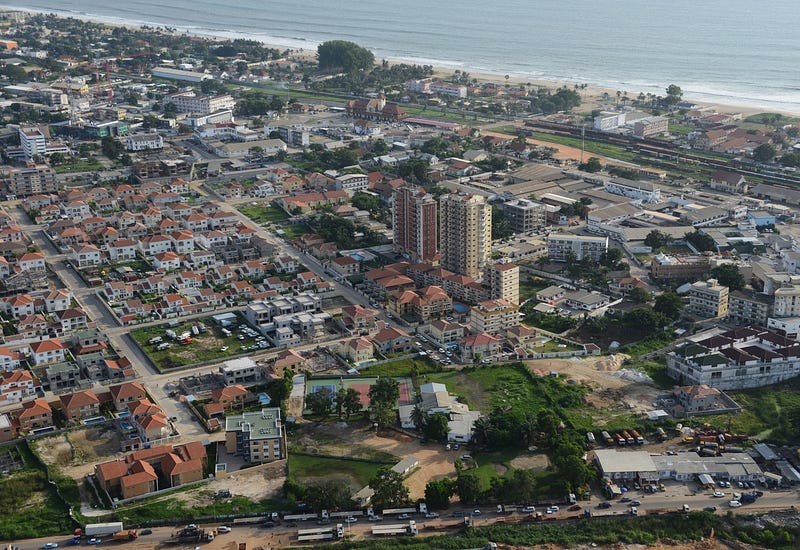
Pointe Noire is the financial capital and a major fishing hub of the Republic of the Congo; the city also faces significant challenges regarding sanitation and poverty. The lack of proper sanitation infrastructure can lead to health problems and environmental degradation, while poverty can limit access to basic needs such as healthcare, education, and housing. Efforts are needed to promote economic growth and job creation in the city to reduce poverty and improve the quality of life for residents. This may include investments in small business development, vocational training programs, and infrastructure projects to support economic activity.
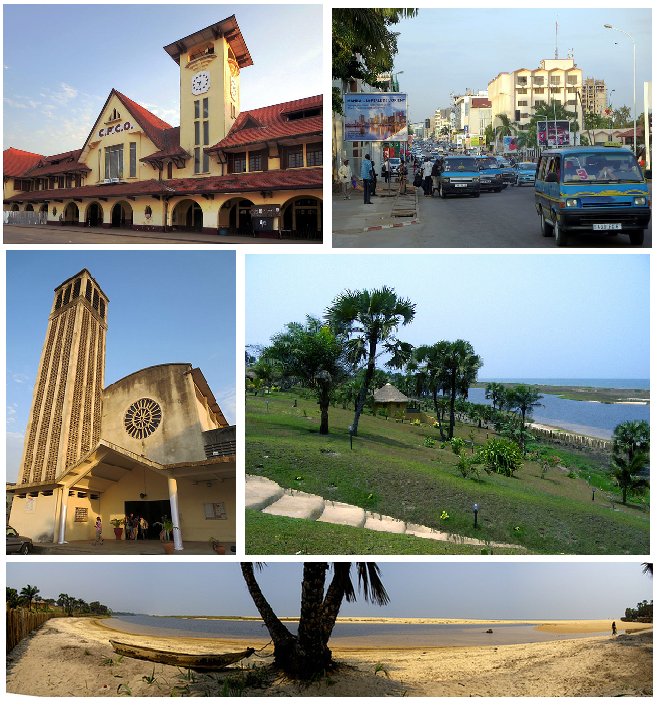
Pointe Noire has six districts; currently:
- Lumumba, 2.Mvouvou, 3. Tié-Tié, 4.Loandjili, 5. Mongo Mpoukou, and 6. Ngoyo.
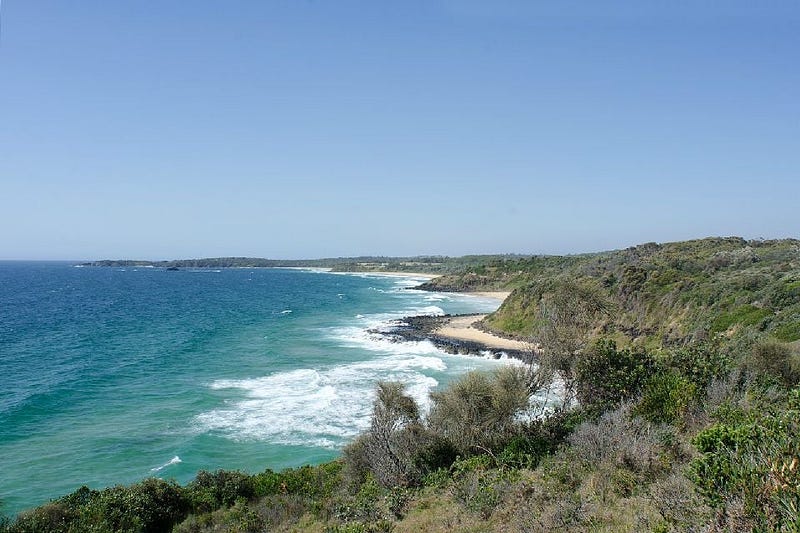
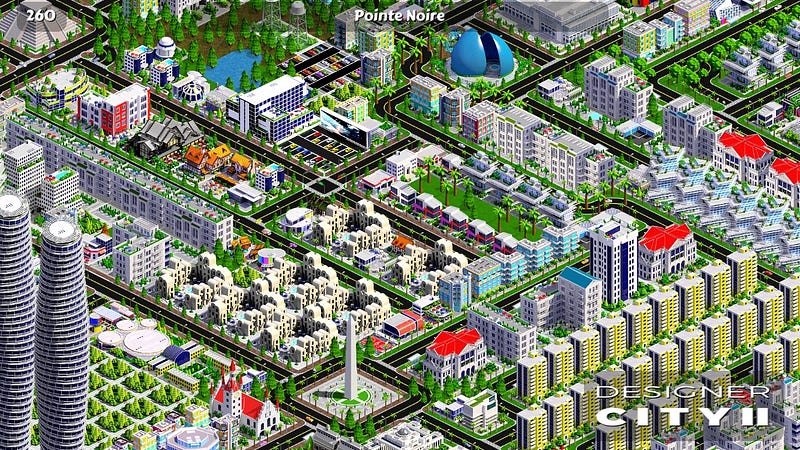
This is what Pointe Noire would look like if the government accepted my project for the city and if society was serious about radically turning this country from a developing into a developed country, which means if people with brains governed the country.
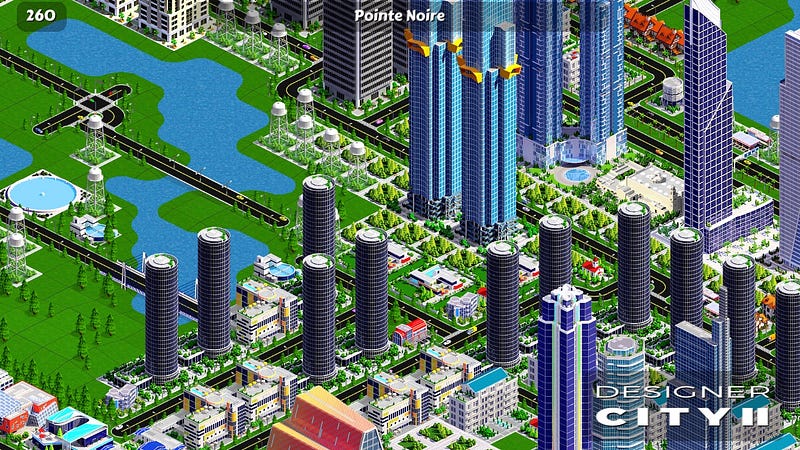
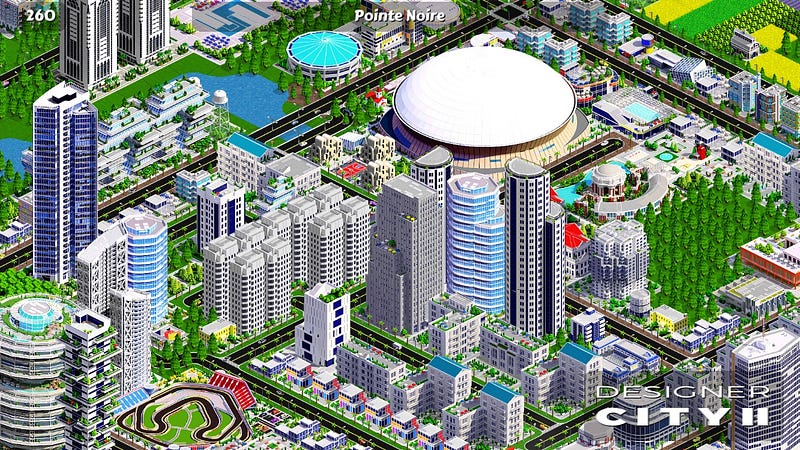
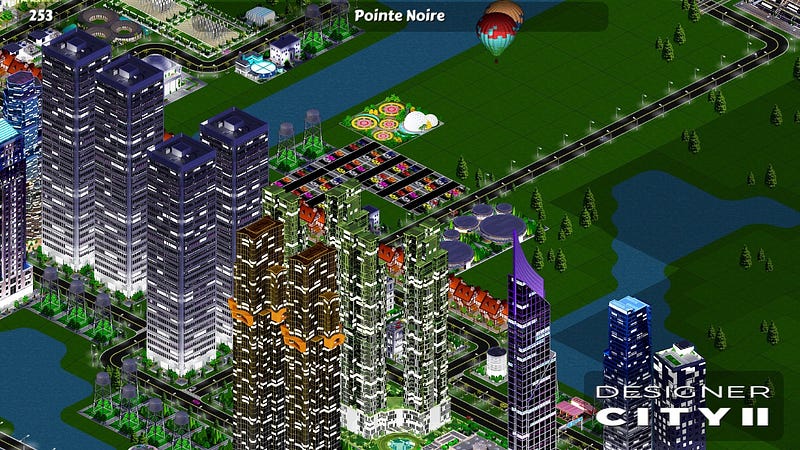
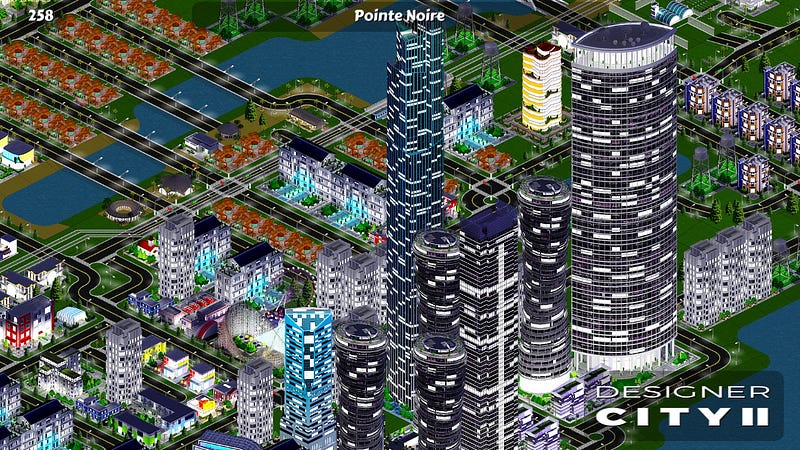
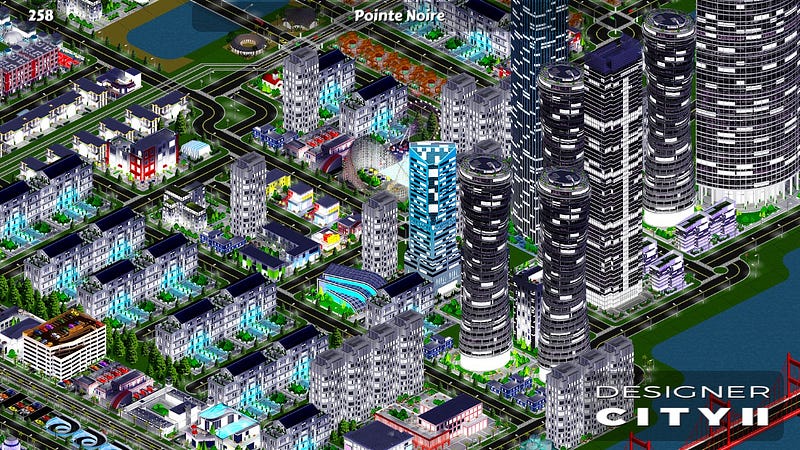
This would be a new district, which would have been known as Ma Loango; this would have buildings between 70 to over 100m tall, in other words, 229 ft to over 328 ft tall. These buildings would be used as penthouses for upper-middle-class people and rich people who are millionaires and multimillionaires. In this district, most schools are private; most high schools and colleges are also private. This district would be extremely safe; you might wonder what demographics would live in these buildings. Do you want to be surprised? It would be upper—middle—class Blacks, Coloreds, Whites (especially of Gallic, Romanian, and Russian roots), and Asians who are Congolese citizens. There would also be an influx of Hispanics from Venezuela and elsewhere who be determined to work hard to join the upper class. We’re talking about people who create jobs for the average Congolese individual. There would also be foreigners from every race and gender who are both from the upper middle and upper- class, living in these buildings or owning property in these buildings, but conditions would be strict. Some government officials and secret service members would have penthouses in that district.
The picture on the left describes Beckwoods, a resort district; on the right, one still sees the Ma Loango district with historical houses with blue roofs above and tall penthouses and office towers.
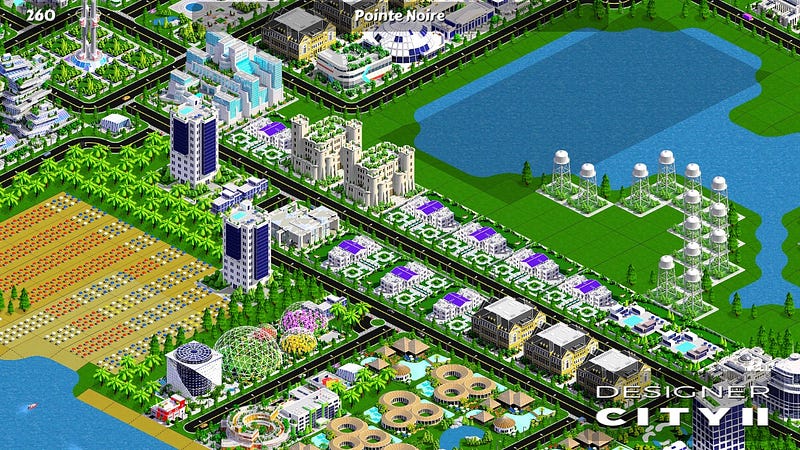
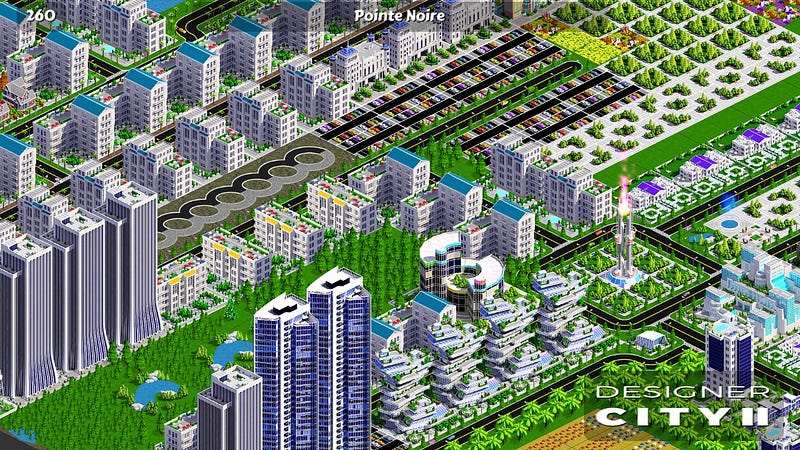
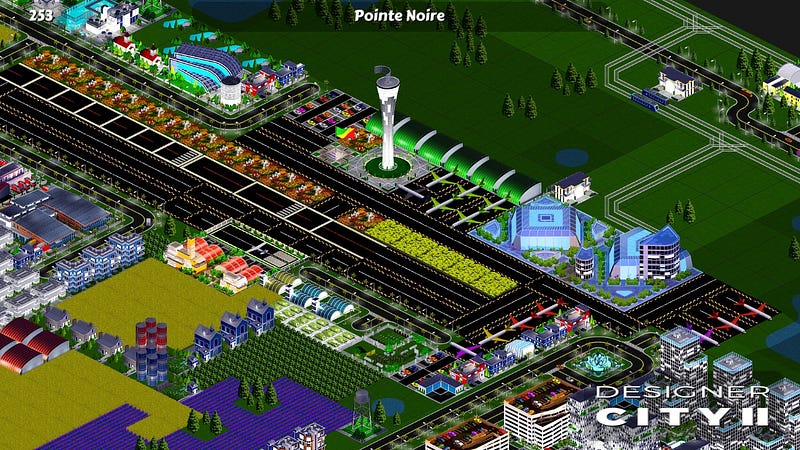
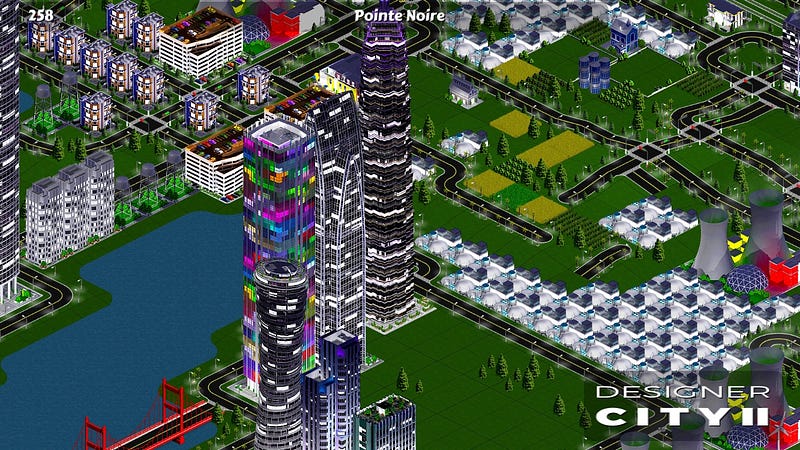
These tall buildings would have belonged to upper-class millionaires who owned properties in this area of Ma Loango. One can see a freeway leading to the city’s second airport (Daniel Kondi Balenda International Airport) in the district's banks. These buildings are more than 340 ft tall. There are shopping malls where one can buy food, clothes, and other goods.
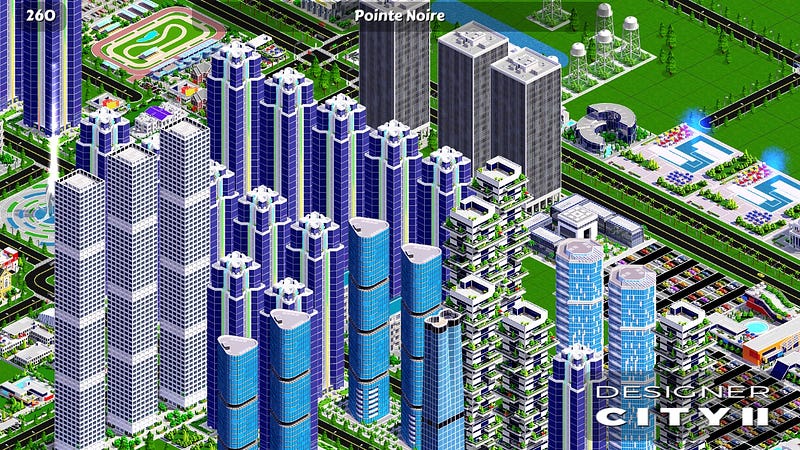
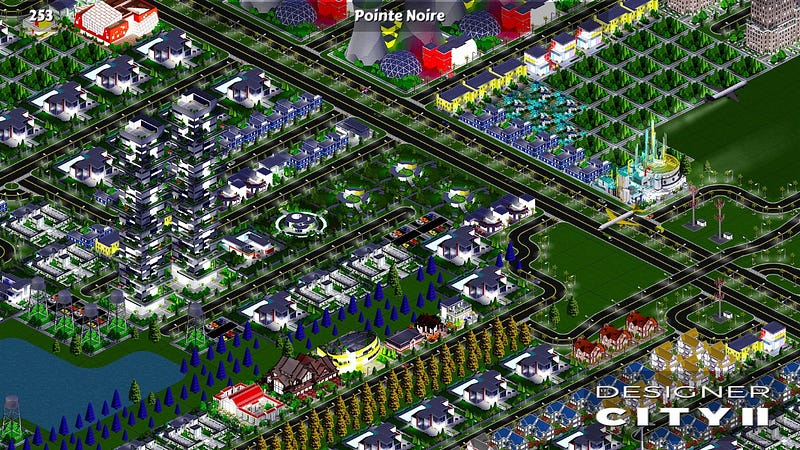
Below, one sees what would be the working-class districts of Loutassi and Itoumbi; even in this 100% of working-class districts, 100 % of the residents living there would have access to electricity. In many countries, working-class neighborhoods often face significant challenges, such as high poverty levels, crime, and unemployment. However, with good governance and policies focused on social and economic development, these neighborhoods can thrive and become vibrant communities.
Access to good schools is essential for working-class neighborhoods' social and economic development. Quality education can open up opportunities for children and young people, enabling them to pursue higher education and better-paying jobs in the future. Libraries are also essential resources for these communities, as they provide access to books and other educational materials, which can help to improve literacy rates and support lifelong learning.
The demographics of working-class neighborhoods in the Republic of Congo would likely be predominantly Black, as the country’s population is predominantly Black. However, it’s important to note that the Republic of Congo is a diverse country with many ethnic groups, including Lari, Kongo, Teke, Mbochi, and others. Therefore, it’s possible that there would also be other ethnic groups represented in these neighborhoods, such as Hispanics, Whites, and Coloreds.
In any case, it’s essential to ensure that all community members, regardless of ethnicity or background, have access to the same opportunities and services. This includes access to quality education, libraries, and community policing programs, as well as other resources and services that can help to improve their quality of life. Promoting inclusion and equity makes working-class neighborhoods thriving communities where all residents feel valued and supported.
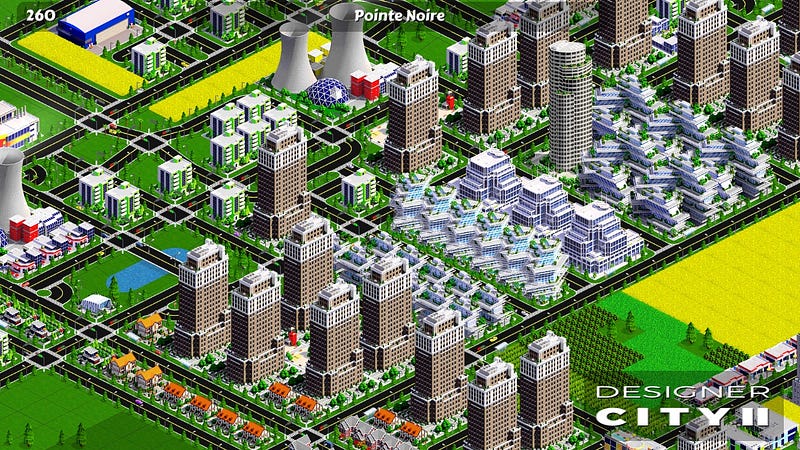
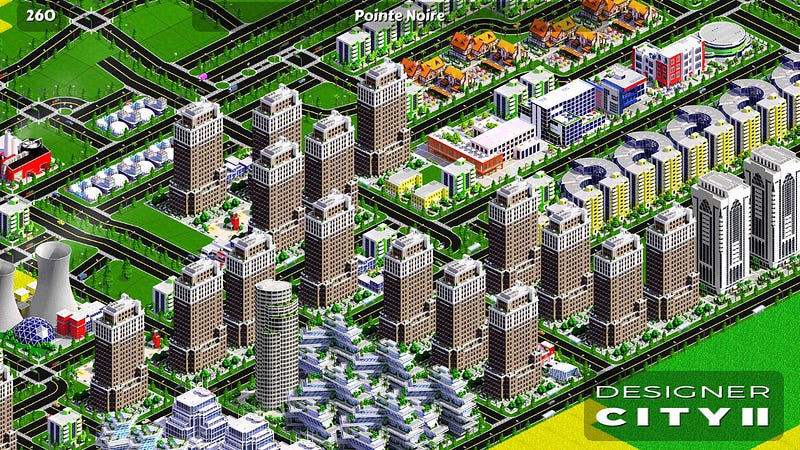
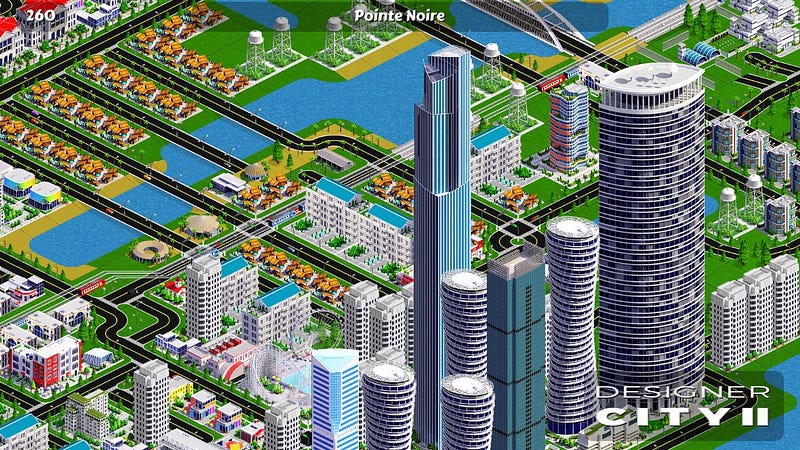
The district you see here is Pointe Noire; it would be named after the city itself, and the tall blue building you see would be named the Chaillu Tower (pronounced: Sheyeyüe). That building would be 1076,2 feet tall (328 meters tall). It would host offices, restaurants, shops, and boutiques. The tower would be named after the chains of mountains of Chaillu. There would also be consulates of countries such as Norway, Nigeria, Togo, Mexico, Libya, Senegal, Laos, Finland, Cambodia, etc. The surrounding buildings would be office towers, banks, apartments, shopping malls, and movie theaters, and this district would be for middle to upper-class individuals. The tallest building in Pointe Noire would be the Ping An-Louéme, which would be 333 meters tall; in other words, the building would be 1093 feet tall. The building would be in the Mvou-Mvou district. That tower would host the consulates of BRICS countries, meaning Brazil, Russia, India, China, and South Africa. The building would also host the consulates of countries such as France, Chad, the Central African Republic, Germany, Britain, Australia, the Netherlands, Cape Verde, Cuba, Luxembourg, Myanmar, Kenya, Portugal, Rwanda, Namibia, Belgium, Morocco, Egypt, the Ivory Coast, Serbia, Botswana, Angola, the Congo DR, and Thailand. There would be restaurants from each single one of these countries. There would be a shopping mall inside and an observation deck. The Ping-An Louémé would be similar to the Ping-An Tower in Shenzhen, but the color and the height would differ. In fact, the Ping-An Louémé would also be the country's financial center. There would also be museums of different tribes from the departments of Kouilou and the other parts of the country's southern regions.
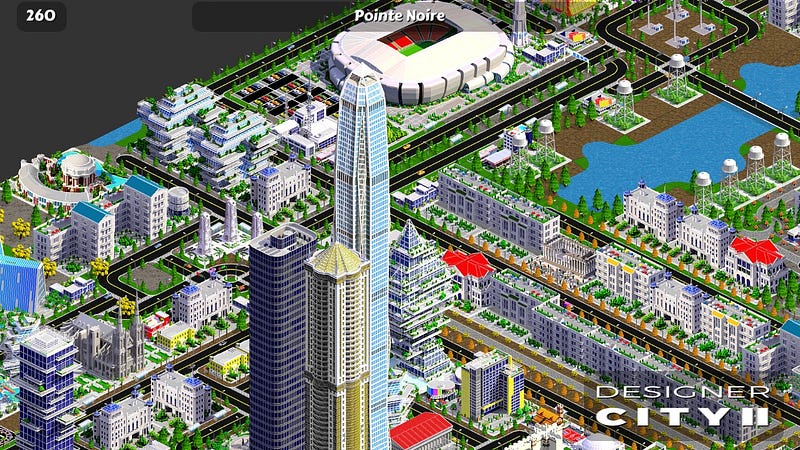
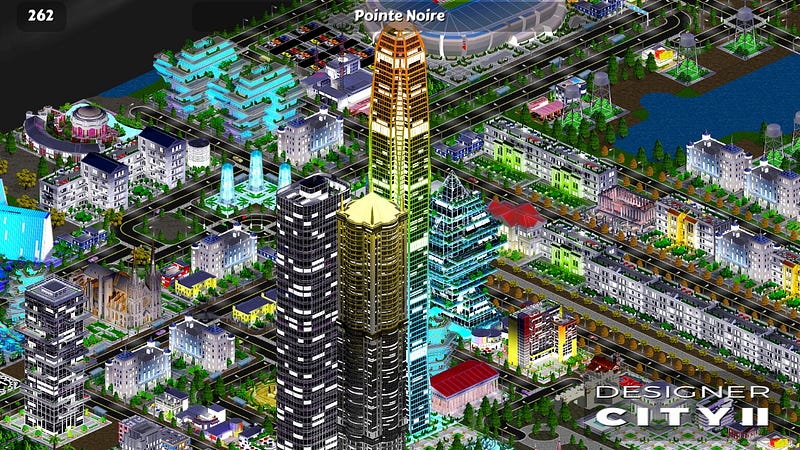
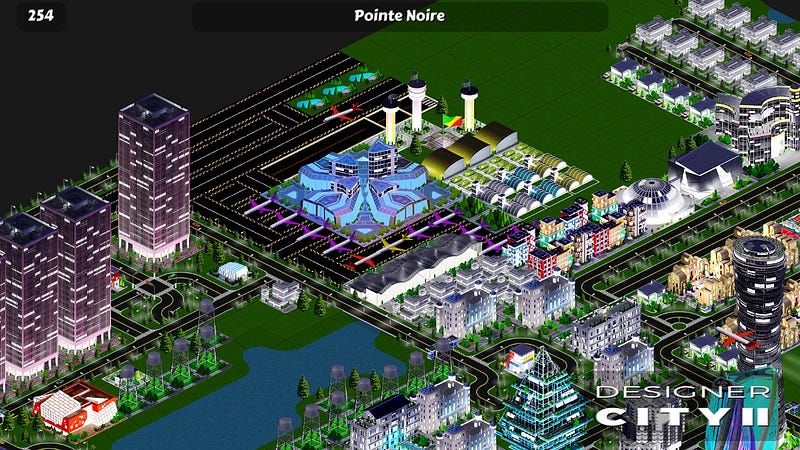
Middle-class districts are typically characterized by a higher standard of living than working-class neighborhoods, with residents having more access to resources and amenities such as better schools, healthcare facilities, and transportation infrastructure. These neighborhoods may also have a mix of residential and commercial properties, with various shops, restaurants, and other businesses catering to the needs and interests of residents.
Upper-class districts, on the other hand, are often characterized by luxury homes, high-end shops and restaurants, and exclusive clubs and amenities. Residents of these neighborhoods tend to have a high level of wealth and income and may be involved in business, politics, or other influential spheres.
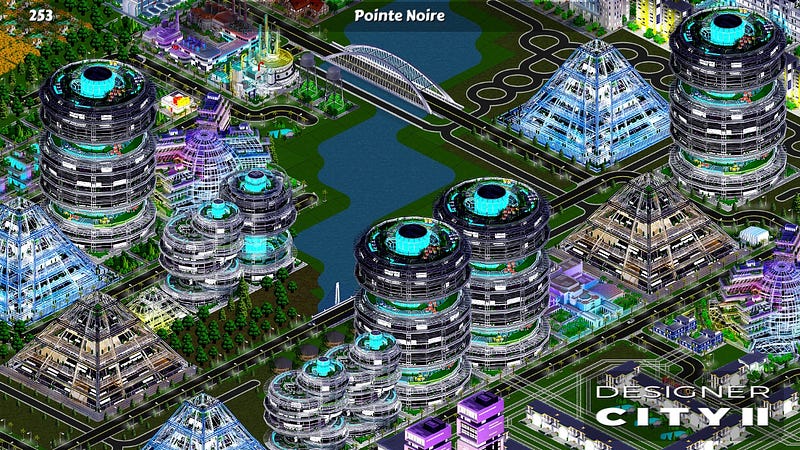
For example, the district of Schoenacker, which is also spelled Schönacker. These tall buildings are at least 700 feet tall, the tallest ones.
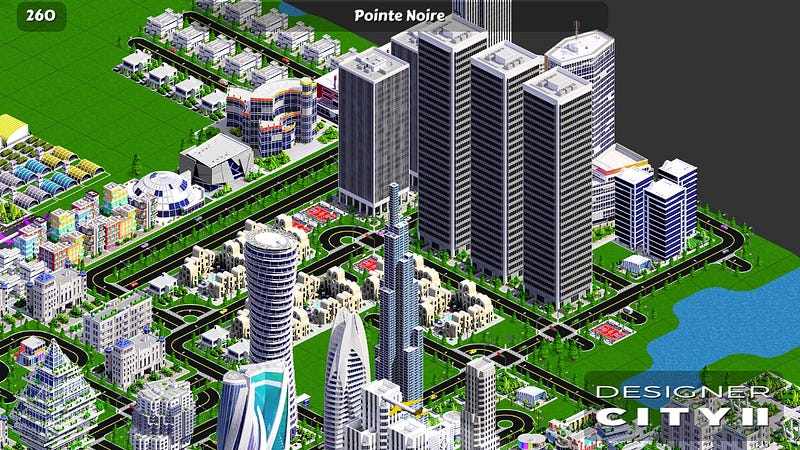
Pictures below describe examples of upper-class neighborhoods that also contain historic buildings, buildings you see covered with blue roofs. We’re talking about districts such as Lumumba, Tié-Tié, and Tenrikyo.
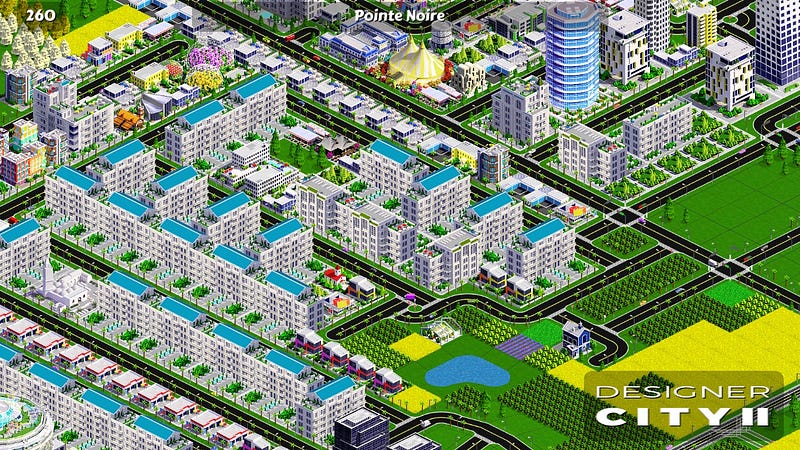
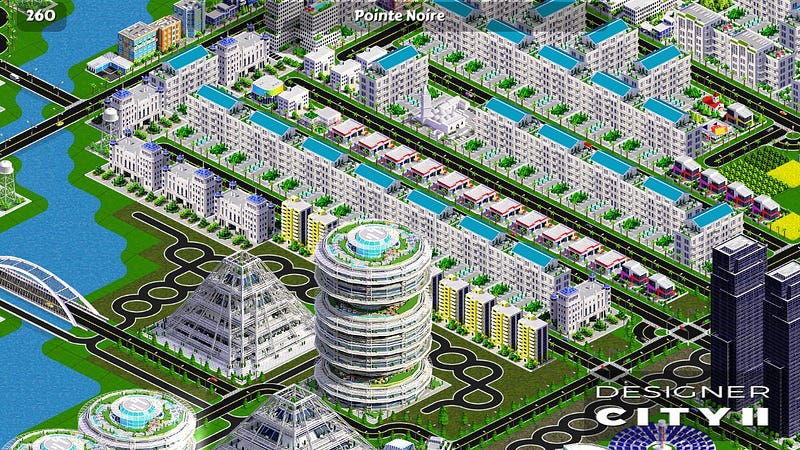
The Caesars Dome you’re seeing blew is similar to the one we in New Orleans; in fact, there is going to be a small neighborhood named Orleans in the district number 15 (Tenrikyo). This dome will be 80 m as tall as the one that exists in New Orleans: It will host soccer(Association Football) matches, athletics, handball matches, NFL(American Football) matches, exhibitions, faires, jobdatings, forums, student debates, and Mardi Gras Festivals.
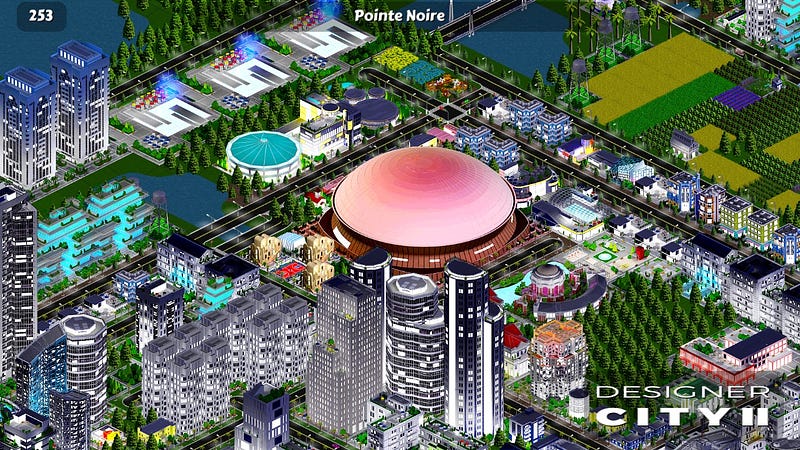
To sum up Pointe Noire, the international code would be +242(8); the 00242 is for the Republic. of the Congo; and the code 8 or 08, if you’re calling from another part of the country, would be for the city of Pointe Noire. The districts would be as follows:
- Lumumba
- Mvou-Mvou
- Tié-Tié
- Loandjili
- Mongo -Mpoukou
- Ngoyo
- Pointe Noire
- Nungesser & Coli
- Beckwoods
- Ma Loango
- Schönacker
- Loutassi
- Itoumbi
- Moussoso
- Tenrikyo
- Saint-Malo
- Lingolo
- Kouyou
- Aubervilliers
- Batons-Rouges (Prouncounded: Baton Rouge: In singular, it is Baton Rouge; in the plural, it is Batons Rouges, which means red sticks in English).
The potential transport systems of Pointe Noire
The STPN Busses
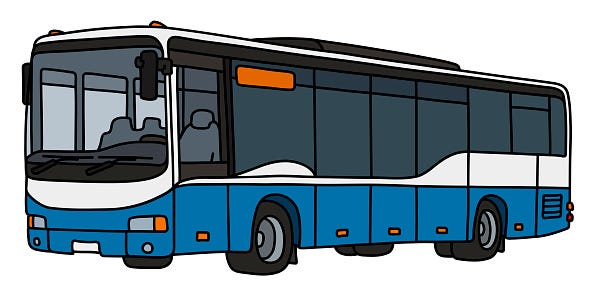
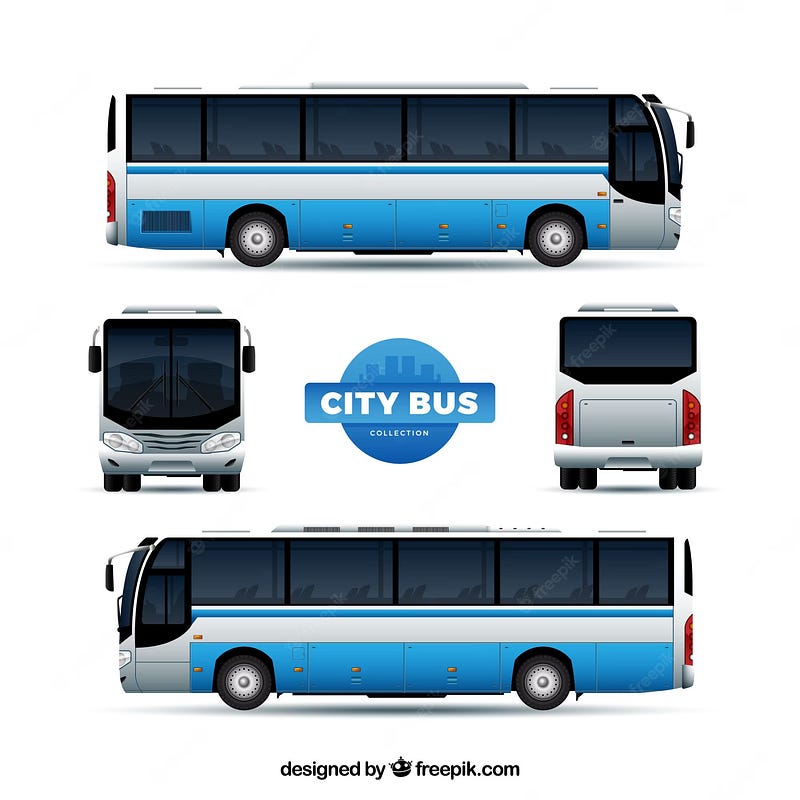
STPN is an acronym for Société des Transports de Pointe Noire in French; In English, it means Pointe Noire’s Transport Company. Just like individual and collective taxis, the color of the buses will be blue and white. Using consistent colors for different modes of transportation can help create a unified and recognizable transportation system in the city, which can be more convenient and appealing for residents and visitors alike.
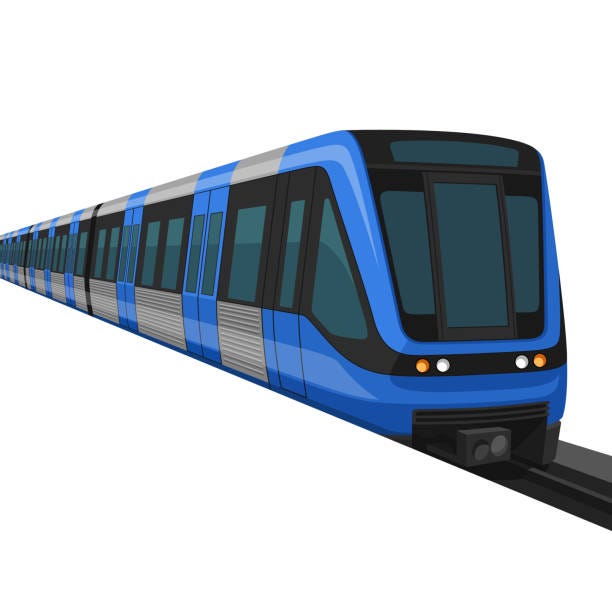
Moreover, the planned introduction of a metro system in Pointe Noire, to be operated by STPN and with the blue and gray color scheme, can be a significant step forward for the city’s transportation infrastructure. A metro system can help reduce traffic congestion, improve air quality, and promote sustainable transportation in the city while fostering economic growth and social inclusivity.
Let’s ensure that the transportation system is accessible and affordable for all residents, regardless of their income or social status. This can require measures like fare subsidies, reduced fares for low-income residents, and effective planning and coordination to ensure that transportation routes and schedules meet the needs of all residents
The STPN Metro
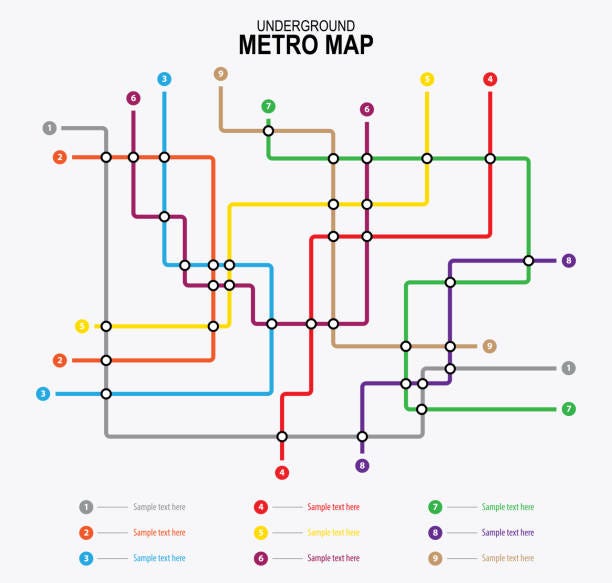
A metro system can effectively address traffic congestion, reduce travel time, and promote sustainable transportation in urban areas. If implemented effectively, a metro system can also promote economic growth and social inclusivity in the region.
In Pointe Noire, a metro system could be designed to serve key employment centers, residential areas, and commercial districts in the city. By connecting these areas and providing quick and efficient transportation, the metro system can promote economic growth and job creation while improving residents' quality of life.
The metro system can be designed to be accessible and affordable for all residents, regardless of their income or social status. This can promote social inclusivity and economic opportunity in the region while also reducing traffic congestion and air pollution.
Spangersberg, Kouilou, Republic of the Congo
Spangersberg would also be known as Hindi or Spangersberg-Hindi. Had this city existed, it would be 52 miles (35 kilometers) away, north of Pointe Noire. This city would both be at the banks of the Kouilou River and the Atlantic Ocean; it would be the biggest city in the country, surpassing Brazzaville, which is the capital city of the Republic of the Congo. Spangersberg would be the second-largest Swedish-speaking city in the world after Stockholm, given that there would be 390,000 Swedish-speaking people in the city; there would also be 390,000 Gallics, 90,000 Britons, 60,000 Germans, 30,000 Ukrainians, 50,000 Romanians, 40,000 Portuguese, etc.; there would also be 1,500,000 Black people; mostly of various Congolese ethnic groups. There would be 200,000 Asians, most of whom would be living in what would have been the largest district of the city, Gamboma. There would also be 200,000 Coloreds and 150,000 Middle Eastern people. The predominant languages of the city would be Swedish, French, Yombé, and Vili. The street names would be written in both Swedish and French. Swedish, French, Yombé, and Vili are the predominant languages in that city. The street names would mostly be in Swedish and French.
Incorporating the name of the small town of Hindi, located in the region of Kouilou, into the proposed city’s name of Spangersberg-Hindi is a great way to honor the local history and culture of the region. Using a combination of Swedish, Indian, and Congolese elements in the name can help to promote the multicultural and diverse nature of the proposed city and can help to establish a unique and distinctive identity for the area.
By incorporating the name of the small town of Hindi, the proposed city can also help promote economic development and growth in the Kouilou and can help to establish stronger connections between the town and the larger urban center. Overall, using the name Spangersberg-Hindi to refer to the proposed city in the Congo is an innovative and creative way to establish a unique and distinctive identity for the area while also honoring the local history and culture of the region.
An interesting observation about the word Spangersberg! It’s fascinating to see how the different elements of the name can come together to create a unique and meaningful whole.
The meaning of “Spang” is “walkable wooden bridge” from the word Spangersberg can help to highlight the importance of pedestrian-friendly design and connectivity in the proposed city. By prioritizing walkability and connectivity, the new city can promote sustainable transportation and create a more livable and inclusive urban environment.
The element “Nge,” meaning “you” in Kikongo, Munkutuba, and other Kongo languages, can help promote community and social engagement in the city. By emphasizing the importance of inclusion and community, the new city can become a model for social and economic development in the Congo.
Finally, the element “Berg,” meaning “mountain” in Swedish, can help evoke a sense of grandeur and majesty and symbolize the ambition and vision behind the proposed city. By striving for excellence and pushing the boundaries of sustainable urban development, the new city can become a leader in innovation and progress in Central Africa.
Overall, the different elements of the name Spangersberg come together to create a unique and meaningful whole, reflecting the ambition and vision behind the proposed city in the Congo.
When you go to that city, you will feel like you are in Stockholm; then you go to other areas, you will feel like you are in Gothenburg; then you go to the next area, you feel like you are in Copenhagen, Aalborg, and Sindal. Then you go to other areas; you feel like you’re in Brazzaville, the way the city was in the 1970s — then you go to other areas where you feel like you are in Dehli, Beijing, Tokyo, and Manilla. All these communities bring food, knowledge, science, medicine, and innovation — from there, these communities become valuable Congolese citizens who contribute to the country's development by creating jobs, the best schools, and the best universities.
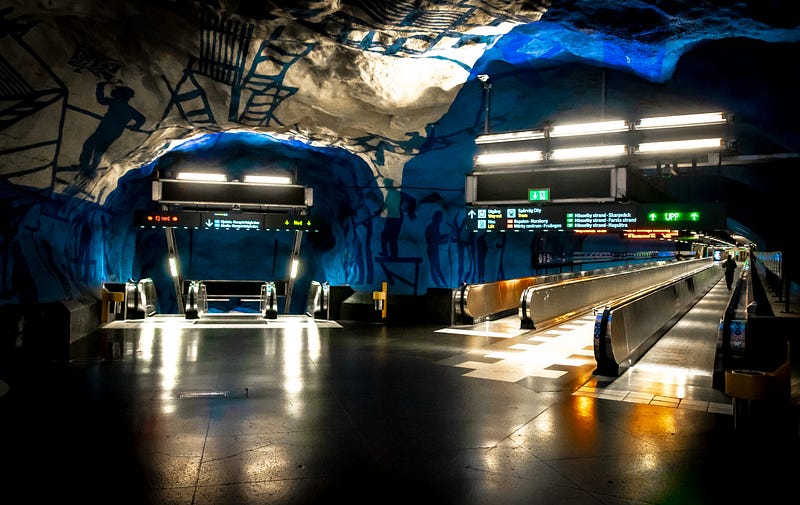
The metro of SPG-Hindi will be 100% similar to the one that exists in Stockholm, given that being a graffiti artist will no longer be seen as just street art, but job by which one can make a living.
Deeper info about SPG-Hindi
Having a city with a mix of languages, such as Swedish, French, Yombé, and Vili, can help promote multilingualism and cultural exchange and may attract people from different parts of the world interested in learning about different cultures and languages.
In addition, having different areas of the city modeled after other cities worldwide can help create a unique and diverse urban landscape while also providing residents with a sense of familiarity and connection to different parts of the world.
This city could become a hub for innovation, entrepreneurship, and economic growth by attracting people with diverse skills, knowledge, and expertise. And by providing access to quality education and job opportunities, the city could promote social mobility and reduce poverty in the country. Creating a diverse and inclusive city can have numerous benefits for the Republic of Congo and help position the country as a leader in innovation, culture, and economic development.
Creating a new city (Spangersberg) that is designed to become the agricultural capital of the Congo and exceed Brazzaville as the largest city in the country requires careful planning and consideration. It’s important to ensure that the city is sustainable, livable, and inclusive and that it provides opportunities for the people who choose to live there.
One of the key considerations for a city of this size is infrastructure. It’s important to have adequate transportation, housing, water, and energy systems in place to support a growing population. Additionally, Spangersberg should have adequate healthcare, education, and other public services to meet the needs of its residents.
Creating a sense of community is also important to ensure the city is welcoming and livable for its residents. This can be achieved through community engagement programs, events, and neighborhood associations that encourage social interaction and connection among residents. It’s important to ensure the city is designed with sustainability. This includes using renewable energy sources, promoting green spaces and public transportation, and incorporating sustainable building practices.
This is why the idea behind Spangersberg is to express gratitude to Swedish missionaries who worked in the Congo during the colonial period. This meaningful gesture promotes reconciliation and understanding between different cultures and backgrounds, also Sweden as a country, for being the most welcoming Nordic country to various immigrant communities.
Missionaries played an important role in developing education, healthcare, and social services in many parts of Africa, including the Congo. By recognizing and honoring their contributions, the new city can promote a sense of gratitude and appreciation for their work while also acknowledging the complex history of colonization and its impact on the region.
In addition, recognizing the contributions of Swedish missionaries can help to promote cultural exchange and understanding between the Congo and Sweden and can help to build positive relationships between the two countries.
Overall, expressing gratitude to Swedish missionaries who worked in the Congo is a positive step towards promoting reconciliation and understanding between different cultures and backgrounds and can help to build a stronger and more inclusive community in the new city.
SPG will not be of everyone’s liking.
Spangersberg is not made for everyone; it will not be a city where littering would be acceptable; policies against littering will be similar to Reykjavik, Singapore, Cannes, Helsinki, Lyon, Zürich, Stockholm, and Arcachon. Spitting on the street would be prohibited, and it will be the only city in the ROC where chewing gums would be banned. Destroying someone else’s property would lead to 8 years of imprisonment. It’s important for any city to have policies and regulations in place to ensure that it remains a clean, safe, and livable environment for all residents. By implementing strict procedures against littering, spitting, and other forms of public nuisance, the new city of Spangersberg-Hindi can promote a sense of community and social responsibility among its residents while also ensuring that the city remains a desirable and attractive place to live.
Banning chewing gum is an interesting policy proposal, as it can help to reduce litter and promote a cleaner urban environment unless chewing gum is used for medical reasons.
The policy of 8 years of imprisonment for destroying someone else’s property is a strong deterrent against vandalism and other forms of property damage. Implementing strict procedures against littering, spitting, and other public nuisance can help promote a cleaner, safer, and more livable urban environment in Spangersberg-Hindi. By prioritizing community and social responsibility, the city can become a model for sustainable and livable urban development in Central Africa (The Republic of the Congo, the Democratic Republic of Congo, Gabon, Cameroon, Equatorial Guinea, the Central African Republic, Chad, Angola, Burundi, Sao Tome, and Rwanda).
Littering in SPG and SPG-Outlet will come with similar consequences as the ones existing in Singapore and Switzerland.
Implementing strict policies against public defecating, urinating, littering of cigarettes, and other forms of public nuisance can help to promote a cleaner, healthier, and more livable urban environment in Spangersberg-Hindi. The city can become a model for sustainable and livable urban development in Central Africa by prioritizing public health and cleanliness.
Implementing community service and fines similar to those in Singapore can serve as a strong deterrent against such behavior and help promote a sense of social responsibility among residents and visitors to the city. However, it’s important to ensure that these policies are enforced fairly and justly and that they do not unduly burden or discriminate against any particular group of people.
In addition to penalties and fines, providing adequate public restrooms and facilities throughout the city is important to ensure that residents and visitors have access to clean and safe sanitation facilities. This can help to promote public health and hygiene and can help to reduce the incidence of public defecation and urination. By implementing strict policies against public defecating, urinating, littering, and other forms of public nuisance and by providing adequate public sanitation facilities, Spangersberg-Hindi can become a cleaner, healthier, and more livable urban environment and can set a positive example for sustainable and livable urban development in Central Africa.
Pangbergian Swedish vs. Mainstream Swedish
The Swedish alphabet is as follows: a, b, c, d, e, f, g, h, i, j, k, l, m, n, o, p, q, r, s, t, u, v, w, x, y, z, å, ä, and ö. This will remain unchanged, even in SPG-Hindi; with that said, it’s interesting to note the differences in how the Swedish alphabet will be used in Spangersberg-Hindi compared to Sweden. The use of AA or aa to represent Å or å, Oe or oe to represent Ö or ö, and AE or ae to represent Ä or ä can be seen as a practical solution for typing names of people or cities online, especially when the proper letters are not available or supported in a domain name. Whereas in Sweden, Å = A; Ä = A, and Ö = o when typing a domain name online. This is why it’s crucial to ensure that these alternative spellings are consistent and widely understood so that they do not cause confusion or misunderstandings. For example, the word, Blåkläder; when going online in Sweden and most places, is www.blaklader.com — however, in SPG-Hindi, it would be www.blaaklaeder.com; can you tell the difference? The city would have a Swedish cultural center and a Swedish Academy. The same will be said for the city's French cultural center and the French Academy — also for languages such as Yombé and Vili. Providing clear guidelines and instructions for using these alternative spellings can help ensure that they are used correctly and consistently. The use of alternative spellings for the Swedish alphabet in Spangersberg-Hindi is a practical solution for typing names of people, schools, shops, offices, or cities online and can help to promote consistency and clarity in online communication.
Other cultural etiquettes of SPG-Hindi; possibly even the trest of the country.
The city will be predominantly Swedish, Vili, Yombé, and French-speaking. The usage of the “Ni” for the formal way of saying “You” in Swedish and “Eres” for “Yours” in a standard practice will be socially acceptable when addressing governmental officials, cops, people one doesn’t know, one’s employer, physicians, nurses, etc. As for people, one forms an informal relationship with the words “du” and “din” will be addressed. The ROC is still a Conservative society where respect for authority is fundamental. The Law of Jante or the Jantalagen in Swedish won’t exist in SPG-Hindi.
Racism, discrimintion, and tribalism will not be tolerated in SPG-Hindi.
Implementing strict laws against racist and tribalistic bullying and verbal attacks can help to promote a more inclusive and respectful community in Spangersberg-Hindi. The city can become a model for anti-racism and anti-discrimination in the ROC by prioritizing social justice and equality: racist bullying and racist verbal attacks would be punishable by law, for example, calling someone the N-word, or “Neger” in Swedish would get you in trouble. For Blacks, it’s better to use “Svart” or “De Svarta.” Calling Whites people “Cracker or Svenne could also lead you to trouble. For Whites, use the word “Vit” or “ De Vita,” and the word “Färgät would be used for Coloreds and other people of mixed race ancestry who don’t identify with Black people but their own. Calling East Europeans, Southern Europeans, and Middle Eastern People “Blatte” or “Wog” in English would be punishable, and one could even lose a job or be expelled from school.
It’s important to use respectful and appropriate language when referring to individuals of different races and ethnicities. Using derogatory terms like the “N-word,” “Cracker,” “Svenne,” “Blatte,” and “Wog” can be hurtful and offensive and can contribute to a culture of discrimination and prejudice.
Instead, using language that is respectful, such as “Svart,” “De Svarta,” “Vit,” “De Vita,” “Mulat,” “Asiat,” and “Färgät,” can help to promote inclusivity and respect for diversity. It’s important to educate residents and visitors to the city about the appropriate use of language and to enforce laws and regulations that prohibit racist bullying and verbal attacks.
The districts of SPG-Hindi.
Spangersberg-Hindi would be divided into 26 districts; every single district would feel like an independent small town. Every district would have a city/ town hall where mayors would govern and charge situations in respective districts. Those districts would have cultures and identities of their own — so if you are planning to move into one of those districts, please don’t expect them to change to suit you — you have to adapt to suit them; else, you’re not either going to feel welcome, or you will be met with hostility.
- Cormill: Cormill will be the seat of the consulates of the United Kingdom, the United Arab Emirates, Egypt, Qatar, South Korea, and Malta. Cormill will be a neighborhood filled with British ex-pats, ex-pats from the Gulf States, and South Korea. It is going to be an upper-class district.
2. Waldenström: Waldenström will be the seat of consulates of Germany, the Netherlands, Japan, and Austria. It will be a very upper-class district divided into three neighborhoods: Wendersbrüke, a German neighborhood; Oldenbourg, a Dutch neighborhood; and Ono, a Japanese neighborhood. There will also be Pangbergians of different backgrounds who will be living in this neighborhood — it is not going to be affordable. The military will also have a base there; they will have an airport there for them and the wealthy, Pierre Savorgnian De Brazza Airport.
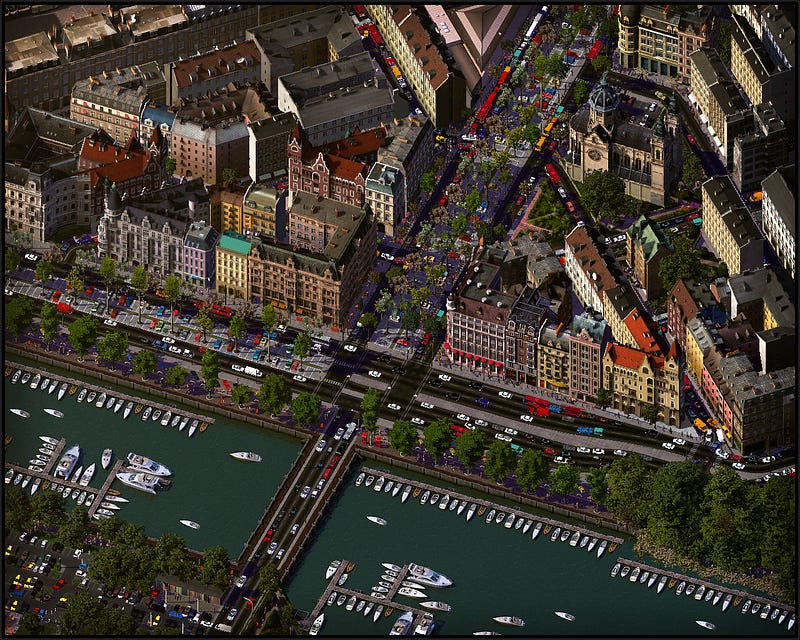
3. Northbridge: Northbridge will be the wealthiest district in Spangersberg-Hindi, given that it will seat addresses of different Congolese and international artists, government officials, the President of the Republic of the Congo, the Mayor of Spangersberg, Prsidents from other African countries, regional officials, sportsmen, sportswomen, actors, actresses, film directors, scientists, innovators, writers, Nordic Royal family members, politicians from various Western and Asian countries, etc. This district will have the most expensive addresses in the entire country.
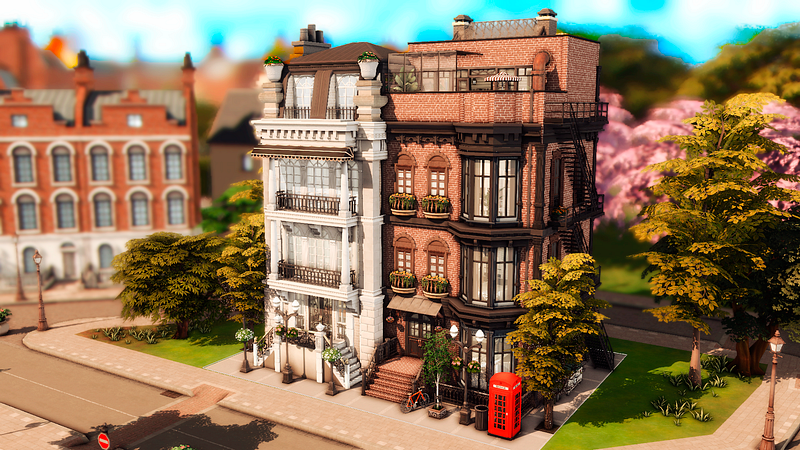
4. Jepsenskloof: Jepsenskloof, also known as Franklin, is a district that will make you feel like you are in Aalborg, Copenhagen, and Sindal — given that it is a place where you will find Danish-speaking people. You will also find Norwegian and Finnish-speaking people who keep speaking their languages and bring different food and ideas from their nations. It will be the seat of Denmark, Norway, the Faroe Islands, and Finland consulates. Jepsenskloof is a mixture of middle-class and modest neighborhoods.
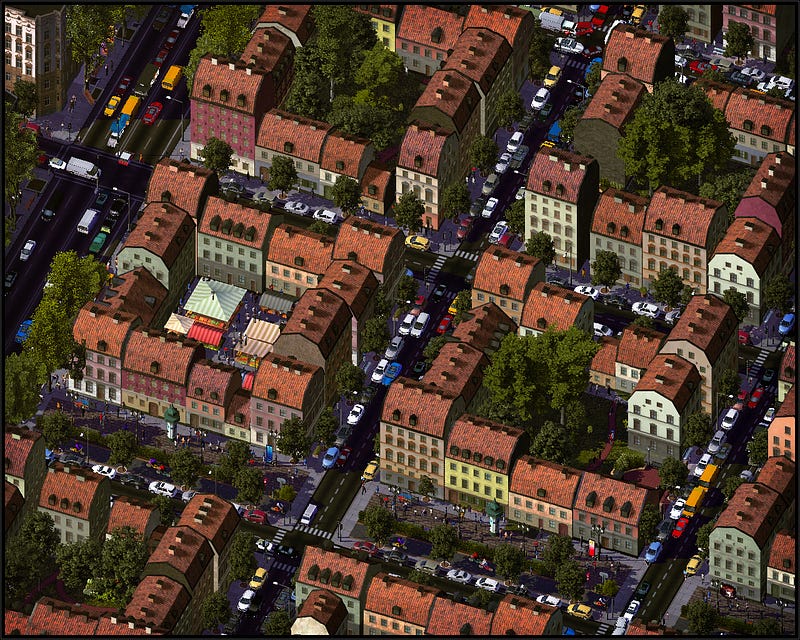
5. Kondiville: Kondiville is an upper-middle-class district that hosts various Congolese engineers, the Georgian community, and traditional musicians and dancers from all over the country who call this district home. It is the most affordable of the top 5 districts in this city. It also hosts various West and East African communities from various countries across the continent.
6. Mazimbala: Mazimbala will be the main seat of the largest Kimbanguiste Church in the country; it will also be a home for many Kimbaguiste churchgoers and communities of Armenian, Jewish, and Greek descent. This district will be a middle-class neighborhood.
7. Andrewhall: This district ranges from the middle and upper middle to the working class, depending on your location. This district will be home to the Museum of Brazzaville, the capital city of the ROC, the Museum of Slavery, the Genocide Museum, and the Museum of the Kongo Kingdom. There will be other museums in areas of trade, the independence of the country, civil wars, media, various tribes, and for pygmies. This district will be the seat of the Spangersberg Chamber of Commerce.
8. Niangui: The Niangui District, just like Jepsenskloof, will host many Baptist and Lutheran Churches. This district will also be a hub for women in manufacturing, innovation, and entrepreneurship. Niangui is a middle-class district and a home for children whose parents have abandoned them. Being a street child in Spangersberg will be outlawed: Parents who abandon their kids will lose the right to see their children until they reach adulthood. There will also be legal actions. There will also be a museum for various traditions from the entire Republic of the Congo.
9. Jacoulet: We could call Jacoulet Canada town, given that the entirety of this district will have everything one could experience in Canada, including foods, drinks, culture, music, etc. This middle to upper-class district will also be the seat of the Canadian consulate.
10. Kipembe: Kipembe is a district named after the French international soccer player originally from the Congo DR. It is a middle — working-class district that will host many soccer schools and cultural centers of the Democratic Republic of Congo and other Central African countries. There are also going to be multiple football academies for future soccer players.
11. Moundzeli: Just like Kipembe, Moudzeli is a mixture of middle and working-class neighborhoods. Moundzeli is inspired by Brazzaville’s fourth district, which is Moungali. Although the SPG-Hindi district is far more developed, the way of life is not different from what one can see in Moungali.
12. Louingui: Louingui is a working-class district.
13. Gamboma: Gamboma will be the largest district of Spangersberg-Hindi, with a population of over 290,000 people. It will also be the district with the largest number of South Asians and other Asians originally from the biggest continent in the world. In the entire city, 3/4 of Asians will find a home in this district. In Gamboma, you will feel like you’re in Dehli, Rajasthan, Kathmandu, Lahore, Beijing, and other places in Asia. Gamboma will host working-class, middle-class, upper-middle-class, and upper-class neighborhoods.
Downtown Spangersberg: Downtown Spangersberg-Hindi, also known as Spangersberg-Hindi or Spangersberg-Hindi Central, is an independent area that is not tied to any district; it is not a district by any means. Had it been a district, it would be 13th. This area hosts much of SPG-Hindi’s tall buildings, the zoo, and the Greenwood Tulsa Stock Exchange to commemorate victims of the Tulsa Massacre in the United States who did nothing wrong but ended up being slain for being Black. The decision to locate the Greenwood Tulsa Stock Exchange in this area can have significant symbolic value, as it can serve as a way to commemorate the victims of the Tulsa massacre and promote social justice and equality.
The Tulsa massacre, which occurred in 1921, was a tragic event in American history that resulted in the deaths of hundreds of Black residents and the destruction of the prosperous Greenwood District in Tulsa, Oklahoma. By using the Greenwood Tulsa Stock Exchange building to pay tribute to the victims of this massacre, Spangersberg-Hindi can help raise awareness about the ongoing struggle for racial justice and equality, both in the United States and worldwide. The decision to locate the Greenwood Tulsa Stock Exchange building in Downtown Spangersberg-Hindi can be a powerful way to promote social justice, inclusivity, and community engagement in the new city. The city can become a model for anti-racism and social progress in the ROC by commemorating the Tulsa massacre victims and promoting unity and equality. Downtown Spangersberg-Hindi will be the second most expensive place in the city after Northbridge. There are going to be buildings that will be 80 to 350 meters tall (260 -1149 feet tall) in downtown SPG.
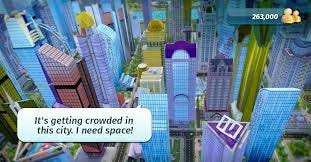
95% of traffic circles in Spangersberg-Hindi will be modeled after those in Brazzaville during the 1970s to 1990s. Using lamp posts surrounded by sunshades can add a touch of elegance and aesthetic appeal to the traffic circles, which can help create a more pleasant and attractive urban environment.
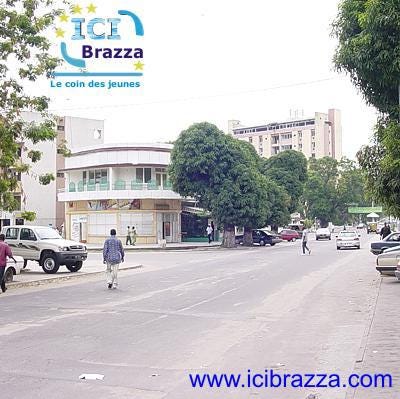
14. Tchichéllé: Tchitchéllé is a middle to working-class district where one will find the largest concentration of Coloreds (People of Mix and multiracial ancestry). In this district, you will discover their culture and their contributions to the city and the country.
15. Matsoua: Spangersberg-Hindi will have a district named Matsoua, which will be a working-class district hosting public schools, universities, and high schools named after André Grenard Matsoua, and a museum in his name. This can be a powerful way to pay tribute to the legacy of André Grenard Matsoua, who was an essential figure in Congolese history and a champion of social justice and equality.
Spangersberg-Hindi can help promote social inclusivity and economic opportunity for all residents by creating a district dedicated to working-class residents. Public schools and universities can also promote education and skills development, leading to greater economic mobility and social progress.
Moreover, a museum dedicated to André Grenard Matsoua can be a meaningful way to promote cultural heritage and historical awareness while inspiring a new generation to engage in social activism and community building. Creating a working-class district named Matsoua in Spangersberg-Hindi can be a powerful way to promote social justice, economic opportunity, and cultural heritage in the new city.
André Grenard Matsoua was a Congolese nationalist and anti-colonial activist who fought against French colonial rule in the early 20th century. He was a charismatic leader who advocated for social justice and equality for the Congolese people and organized resistance against colonial authorities.
Unfortunately, Matsoua was arrested and executed by the French colonial government in 1942 after a show trial that was widely criticized for its unfairness and lack of due process. His death was a tragedy that underscored the brutal and unjust nature of colonial rule in Africa.
By naming a district in Spangersberg-Hindi after André Grenard Matsoua and establishing public schools, universities, and high schools in his name, the city can pay tribute to his legacy and his contributions to the struggle for social justice and human rights. This can be a powerful way to promote historical awareness and cultural heritage in the new city while inspiring a new generation of activists to continue fighting for a more just and equitable world. Matsoua will be home to the Spangersberg Transport Museum and the Republic of the Congo Infrastructure Museum.
16. Scrampton: Scrampton is also known as the Little United States or America - town, given that this middle to upper-class district feels more like an American city and 100% of this area is American. Scrampton is also the seat of the consulate of the United States in SPG-Hindi. From food to music, everything in this district is American. Scrampton will be a venue for exhibitions of American cars.
17. Pouvergne: Pouvergne is a French-inspiring upper-class neighborhood. This neighborhood will have a bald head museum. Pouvergne will also be home to the Spangersberg Aviation Museum.
18. Nyköping-Kouilou: Nyköping-Kouilou is the second most populous district in Spangersberg-Hindi, behind Gamboma. The district is home to the largest concentration of people of Swedish descent in the city. It is home to the Swedish Cultural Center, the Swedish Heritage Museum, Ikea, H&M, Koenissegg, Volvo, Husqvarana, Saab, Scania, and it will be the exhibition of Swedish cars. The population of this district is shy of 200,000 people. Nyköpping-Kouilou will also be home to the Spangersberg-Hindi History Museum, the Spangersperg Science and Technology Museum, and the Museum of the Republic of the Congo. Nyköping Kouilou will have artificial ice hotels, indoor ski resorts, and the CFCO (Congo’s Railway Ocean) Museum. The district will also be a headquarters for Allente, SwedeBank, SVT-Spangersberg, TV4-Spangersberg, Viaplay Group, BCDC(Commercial Bank of the Congo), EcoBank, HSBC, Société Générale,and Nordea.
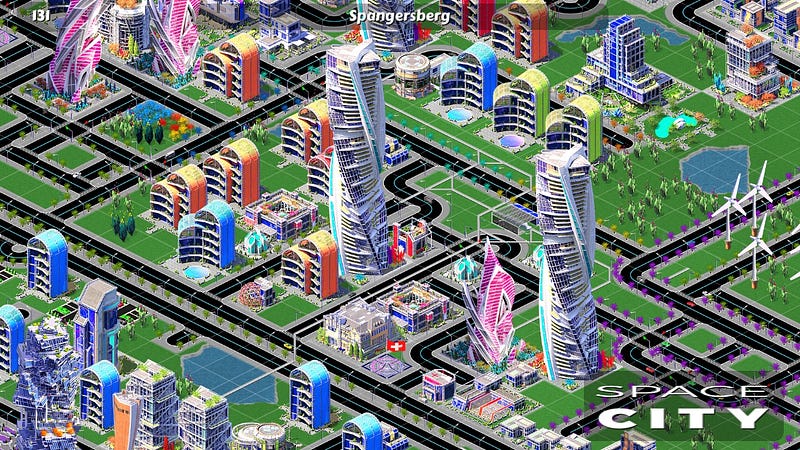
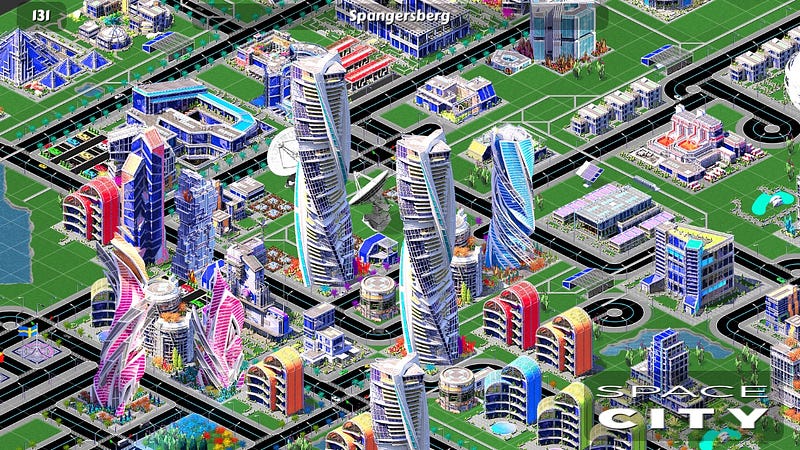
19. Pertihon: Pertihon will be the largest Jewish district in the city. It is also the most protected district of the city.
20. Joffre: Joffre is also known as Little France, given that this district’s architecture will be 100% similar to the ones existing in Paris, Toulouse, Bordeaux, Lyon, Marseille, and Nice. This district will be the seat of the consulate of France and will host fairs and exhibitions of French products. Joffre, Pouvergne, and Pertihon have the city's largest concentrations of people of Gallic descent. There are going to be lots of museums in this district.
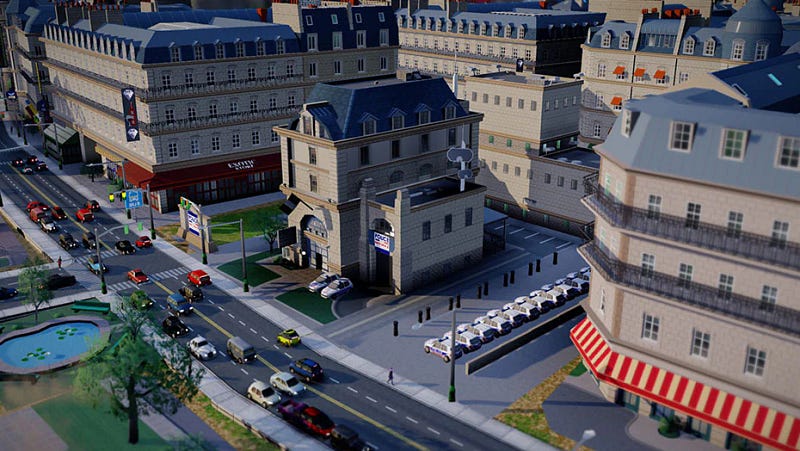
21. Louzolo: Louzolo will be the largest district with concentration populations of Ukrainian, Serbian, Romanian, and Portuguese descent; it will still be a multiracial neighborhood. The University Hospital of Louzolo will be one of the largest on the continent. The district will be filled with clinics, dispensaries, and cabinets. It will be the hub of Doctors Without Borders. This district will host Portuguese, Ukrainian, and Romanian universities. There are also going to be local universities within the different venues.
22. Onziel: Onziel is the fourth largest district in Spangersberg-Hindi. This district has the largest Pangbergians of various ethnic Congolese descent in the city. This district is the developed version of how Ouénze in the 1970s,1980s, and 1990s looked. Ouénze is Brazzaville’s fifth district. Onziel is also home to various Africans from Southern Africa and Madagascar. There will also be a pygmy museum in this district.
23. Diafouka: Diafouka is a district with a mixture of middle and working-class homes.
24. Ben-Barka: Ben-Barka is the third-largest and most populous district in Spangersberg-Hindi, after Gamboma and Nyköping-Kouilou. Ben-Barka will have the city's largest concentration of North Africans and people from Middle Eastern countries. The district makes you feel like you’re in Morocco, given that 90% of its architecture is Moroccan-inspired. The district will have around 190,000 people. Even mosques in this district will be designed the Moroccan way.
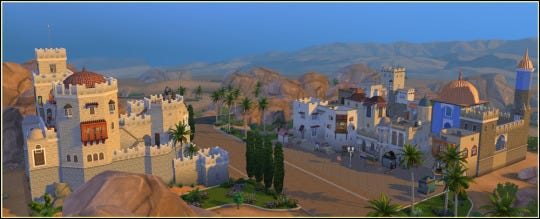
25. Krogane: Krogane is a working-class neighborhood.
26: Björklound — Geldof: Björklound — Geldolf is a district that mixes people from different social classes and backgrounds. Björklound will also be a place where homeless individuals will have pallet tents and pallet shelters that will have numbers and they will be placed neatly on the banks of some streets. It will be illegal to sleep in public, in the city of Spangersberg because human dignity is worth fighting for and the goal is to rehouse the homeless and them being accompnied in the same way that occurs in Helsinki; beggin will not be allowed in the rest of the city either. Homeles individuals will have addresses of their own and pallet shelters will be temporary addresses until they are have fully been accompanied to having permanent places of their own. This would require that one has an affinity to the Municipality of Spengersberg-Hindi.
Spangersberg-Outlet
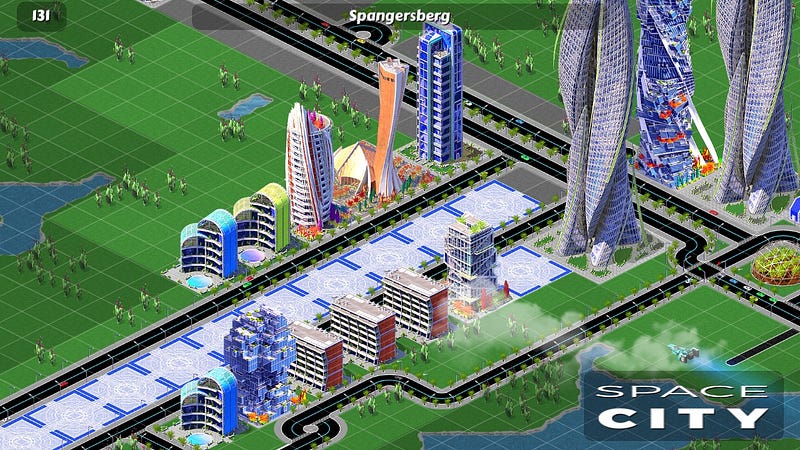
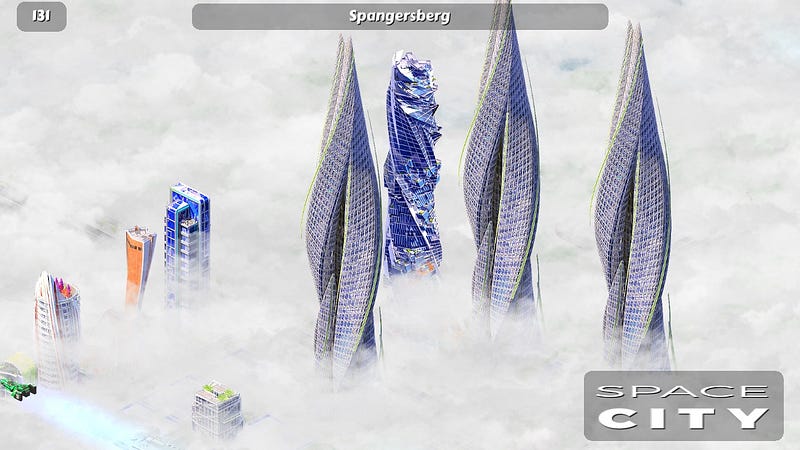
Spangersberg-Outlet, the metropolitan area of Spangersberg-Hindi. These agglomerations represent a diverse range of communities and neighborhoods, each with its own unique character and identity. Its agglomerations include Cankouti, Molito, Juvenaux, Oluf Palme, Bridge-Edge, Spangersberg-Hindi, Visbylound, Gammellound, Pilsner, Makouana, Mackassa, Soukami, Eboué, Bouéta Mbongo, Banganga, Kakamoeka, Aalbergaa, Jönacker, Ulväus, Capa-Gary, Lyngstad, Qillane, Indéké, Harra, Wisograd, Montpeza, Dommercq. Spangersberg-Outlet, Kaczmarek, and Ngambio can promote economic growth, social inclusivity, and cultural exchange across the region by creating a metropolitan area that includes a range of communities and neighborhoods. A diverse range of communities can also help foster a sense of community engagement and social responsibility among residents of the metropolitan area.
The transport system of SPG and SPG-Outlet.
The’s going to be two two firms that would be in charge of the transport system in the city and the metroplis: Vaalhassens will in charge of the busses, the metro, and the tranway in Sangersberg-Hindi and Spangersberg-Outlet; whereas STRAPS (Société des Transport Publics et Securitaires), or The Firm of Public and Safe Transport, which will cover Spangersberg, Spangersberg-Outlet and the rest of the Kouilou Depertment/Region as a regional transport.
The Valhassens, also spelled Vaalhassens busses will be green, white and organge; similar to the busses in Glasgow, Stland, and the same will be said for the metro, but the Valhassens tramways will be 100% similar to the ones that exist in Gothenburg, Sweden; their color will be light blue and white.

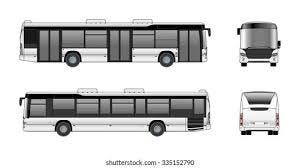
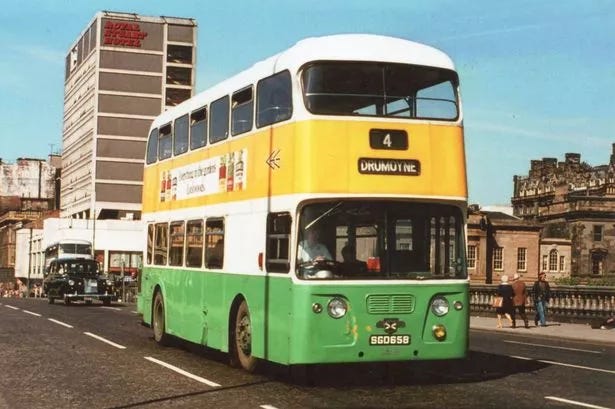
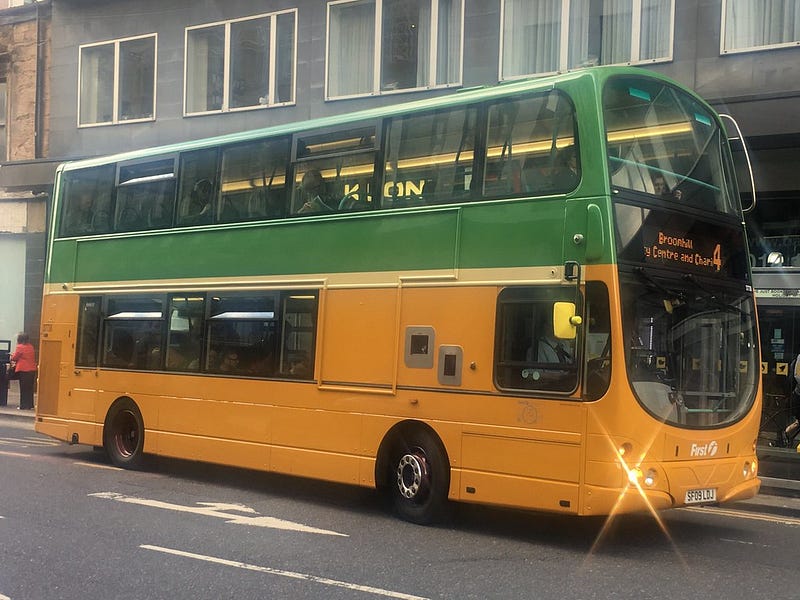
Valhassens will operate busses from companies such as Prevost, Renault, Volvo and Scania. The colors of all these busses will be green and orange.
The the SPG potential metro
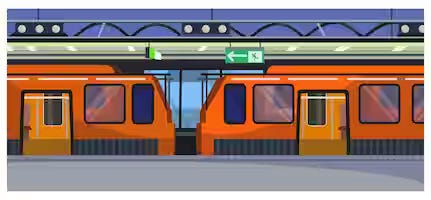
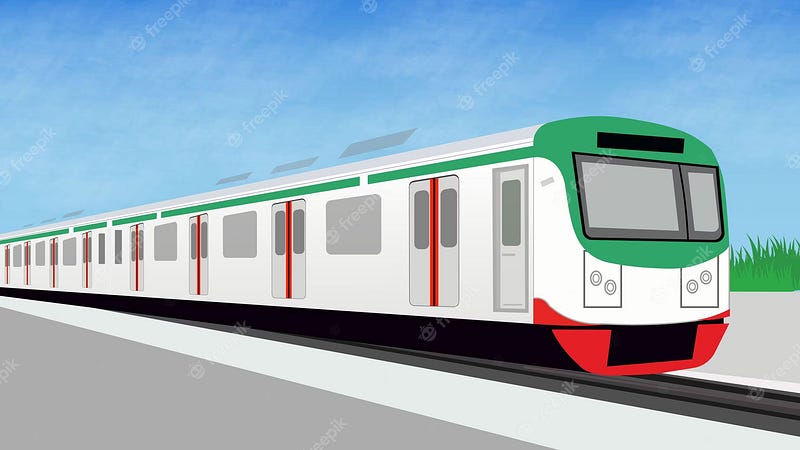
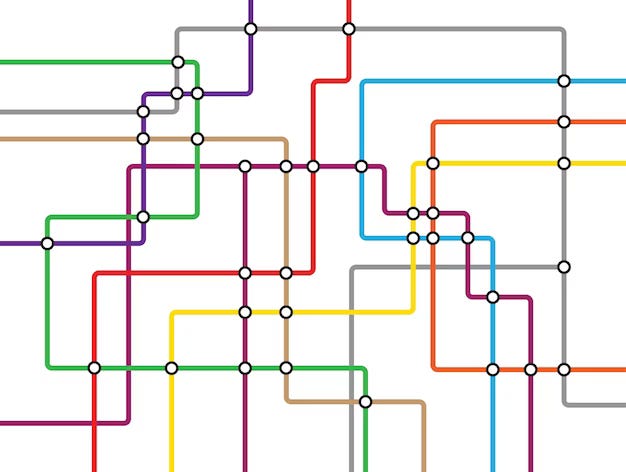
The tramway.
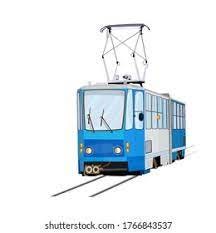
STRAPS Transport Link
STAPS will operate Camellos and Alistom tramways for Spangersberg-Hindi, Spangersberg-Outlet and the rest of Region of Kouilou; excluding Pointe Noire. A Camello is a semi trailer bus that is used in Havana, Cuba. Both semi-trailer busses and trams will be red and blue.
The development of SPG-Outlet.
It’s crucial that ensuring the development of Spangersberg-Outlet is done in a sustainable and equitable way and that all communities have access to basic services, opportunities for education and employment, and the chance to participate fully in the social and cultural life of the region. This can require investment in infrastructure, education and training programs, and policies and regulations that promote social justice and economic opportunity for all residents.
The creation of Spangersberg-Outlet as the metropolitan area of Spangersberg-Hindi can be a powerful way to promote economic growth, social inclusivity, and cultural exchange in the region while also ensuring that all communities have access to the resources and opportunities they need to thrive.
The metropolitan area of Spangersberg-Hindi would be the largest Swedish-speaking metropolitan area in the world when it is completed. This significant accomplishment can help promote cultural exchange and social cohesion between Sweden and the Republic of the Congo.
The presence of a sizeable Swedish-speaking population in Spangersberg-Outlet can also help promote economic and cultural ties between Sweden and the Republic of the Congo, leading to increased investment, trade, and international cooperation.
We need to ensure that the Swedish-speaking population in Spangersberg-Outlet is integrated into the larger community and that their rights and interests are respected. This can require language education programs, bilingual signage and publications, and policies and regulations promoting cultural exchange and social inclusivity.
Overall, developing Spangersberg-Outlet as the largest Swedish-speaking metropolitan area in the world can be a powerful way to promote cultural exchange and international cooperation between Sweden and the Republic of the Congo while promoting social and economic development in the region.
ITA:SPG (Spangersberg International Airport — Jacques Opangault)
The International Airport of Spangersberg-Hindi will be located in Soukami and named Spangersberg International Airport Jacques Opangault. Jacques Opangault was an essential figure in Congolese history and a hero of the independence movement, and it’s fitting to name the airport after him to honor his legacy.
By locating the airport in Soukami, the city can promote economic development and international connectivity in the region. The airport can serve as a gateway to Spangersberg-Hindi and the wider region and can attract investment, tourism, and international cooperation. The decision to name the airport after Jacques Opangault in Soukami can help promote historical awareness and cultural heritage in the region while fostering community engagement and social responsibility among residents.
Overall, the development of Spangersberg International Airport Jacques Opangault in Soukami can be a significant step forward for the Spangersberg-Hindi project, as it can promote economic growth, international connectivity, and cultural exchange in the region.
Spangersberg-Hindi is poised to play in the Republic of the Congo. Given its projected status as the financial capital of the county of Kouilou, the agricultural capital of the ROC, and the second financial capital after Pointe-Noire, Spangersberg-Hindi can serve as a hub for economic growth, innovation, and international cooperation in the region.
The city’s role as the center of intelligence and defense contractors can also be significant, as it can help to promote national security and defense capabilities in the ROC. Moreover, the city’s commitment to protecting commercial farmers across the Congo can help promote sustainable and inclusive economic growth while contributing to the region's food security and poverty reduction.
Spangersberg-Hindi’s multifaceted role as a center for finance, agriculture, innovation, and national security can be a powerful force for economic and social development in the ROC. By leveraging its strengths in these areas and promoting sustainable and inclusive development, Spangersberg-Hindi can help transform the ROC's image and position it as a leader in the region and beyond. The city will make the ROC look like a First World country, and it will have a knock-on effect on other cities in the ROC, such as Nkayi, Dolisie, Madingou, Sibiti, Mbinda, Mosendjo, Ongoni, Kinkala, Kindamba, Brazzaville, Ipfondo, Ouesso, Owondo, Goma Tsé-Tsé, Eneyellé, Oyo, Liringa, and Djambala.
Even though Spangersberg-Hindi will be a city of the ROC, it is not for everyone, and there would be conditions that non-Pangbergians (Pangbergeois in French, Pangholmer in Swedish) would have to live up to before moving into the city, given its strict environmental policies. Shanti towns will not be allowed anywhere in Spangersberg-Hindi; there will be huge fines and legal prosecutions. Once moving into the city, one must learn Swedish, French, Yombé, and Vili; there will be language schools for these mother tongues across the city and its metropolitan areas: It’s crucial for any city to have policies and regulations in place to ensure that it remains a sustainable, livable, and inclusive environment for all residents. In the case of Spangersberg-Hindi, implementing conditions for non-Pangbergians to live in the city can help to ensure that the city remains a desirable and attractive place for those who share the values and priorities of the community.
The policy of not allowing shanty towns in the city promotes a more equitable and sustainable urban environment by ensuring that all residents have access to adequate housing and basic services. Enforcing this policy with fines and legal prosecutions can be a strong deterrent against creating informal settlements and help promote a more orderly and regulated urban environment.
Requiring non-Pangbergians to learn Swedish, French, Yombé, and Vili can help to promote cultural exchange and understanding and can help to ensure that all residents are able to communicate and engage with each other in a meaningful way. Providing language schools for these mother tongues can help to promote language learning and education and can help to establish a strong sense of community and social engagement in the city. Implementing conditions for non-Pangbergians to live in Spangersberg-Hindi can help promote a sustainable, livable, and inclusive urban environment while preserving the community's unique identity and values.
Dolisie
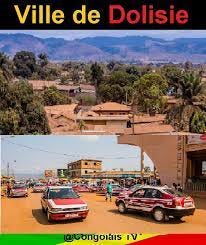
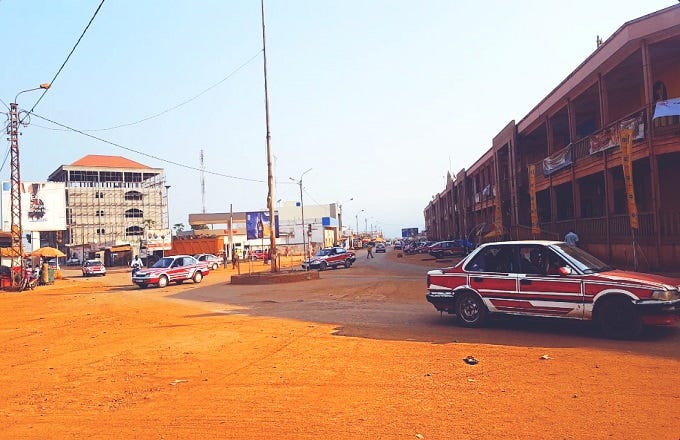
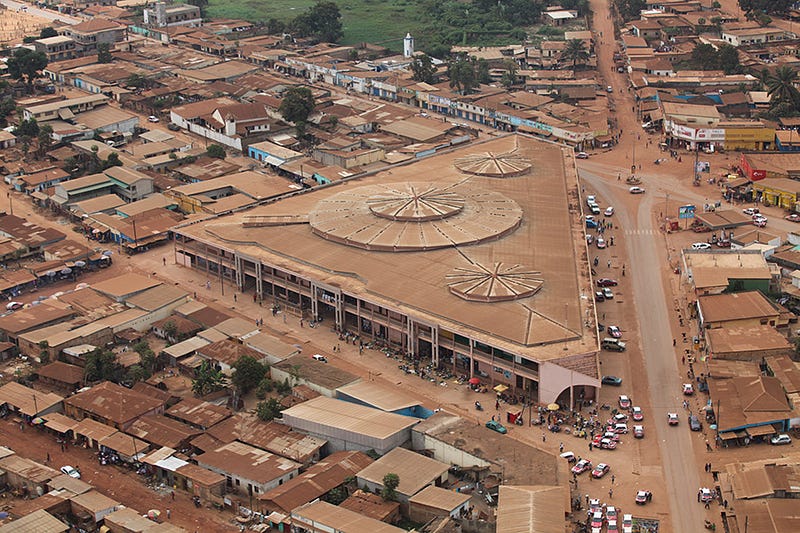
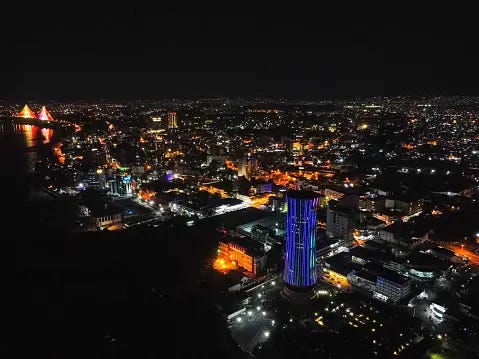
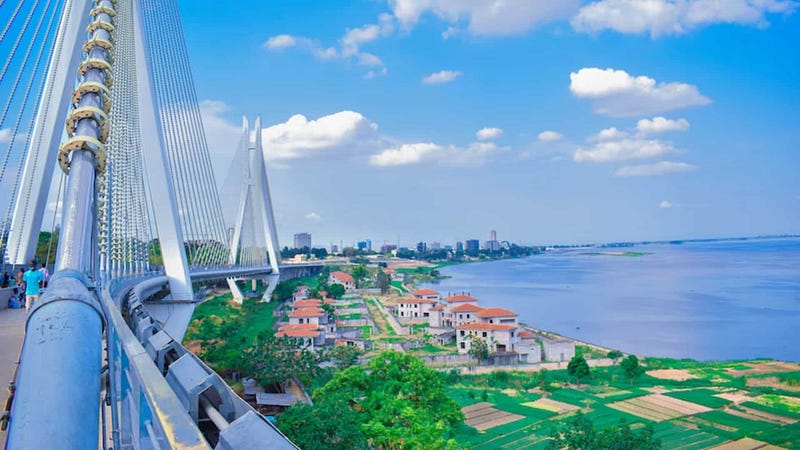
Currently, Dolisie is the third-largest city in the Republic of the Congo. The city was known as Loubomo between 1975 and 1991. Dolisie is a significant railway center. Its location marks the link between the east-west Congo-Ocean Railway and the Mbinda line, which runs north to the border with Gabon at Mbinda. Dolisie is also home to numerous small industries (wood, lumber). If the ROC were governed by sane enlightended people, Dolisie would look like this:
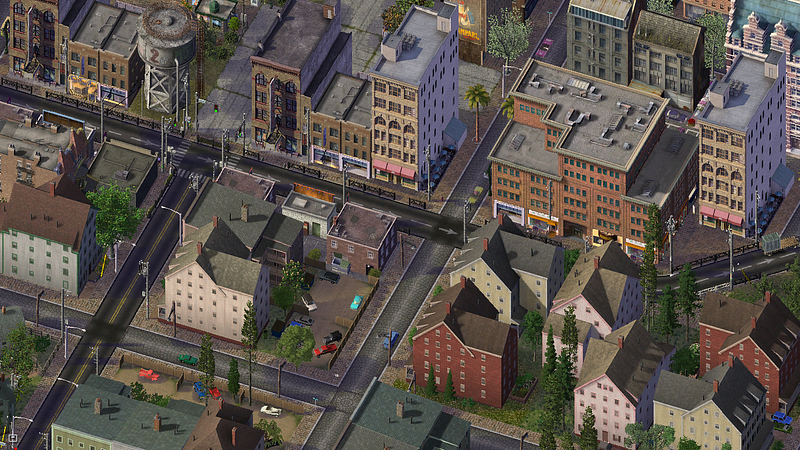
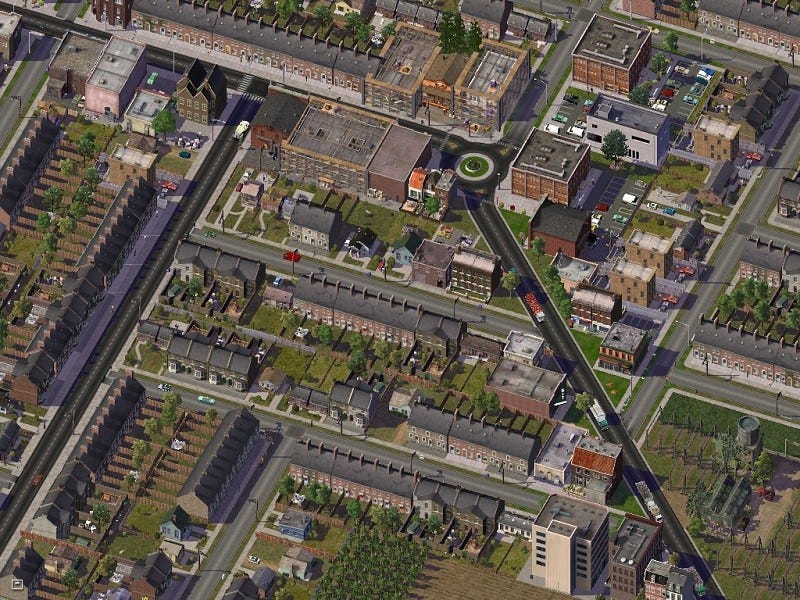
City busses in Dolisie would also be red and white, just like taxis; in contrast the STRAPS-Niari Busses would be black and gray. There would also be casses where city busses are just red. Regional busses would be of a service to all residents of the region of Niari; this would also include very rural areas and villages. This system is inspired by the transport systems in France, Germany, Denmark and other West European countries. Dolisie and the rest of the region of Niari would adopt healthcare policies similar to Estonia and other West European countries. The city’s educational system and the entire area would be a mixture of South Korean, French, and Chinese. The current educational system in Dolisie, Niari, and the rest of the ROC is among the worst in the world. The education system in Dolisie, Niari, and the rest of the Republic of the Congo is corrupt: it is outdated. School principals are poorly paid, and teachers are poorly paid. They are unprepared in schools and have more students in their classrooms than they can handle. There is a lack of proper teaching tools to do their jobs efficiently. Poorly trained teachers develop narrow-minded populations; narrow-minded populations’ values have no significance in the marketplace. We all know that uneducated folks have no ability to stand up for what is right, and they are easily manipulated by corrupt governments. They cannot be effective in the market to the point where it impacts a country’s economy because they produce less value over time; the nation remains in a vicious cycle. The problem with the Republic of the Congo and other predominantly Sub-Saharan African countries is that those societies are unwilling to realize that intellectual capital is the key to escaping poverty at a national level.
Brazzaville
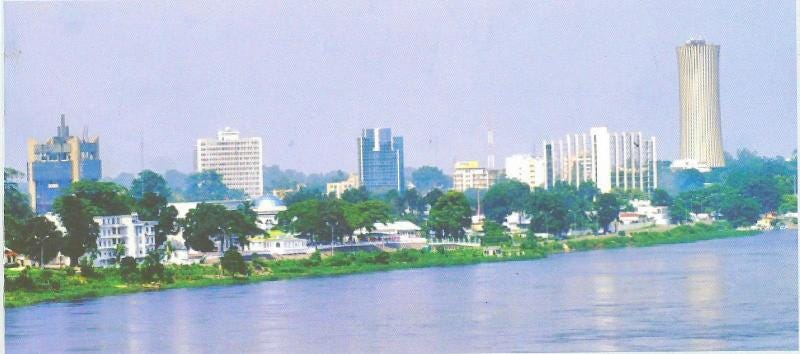
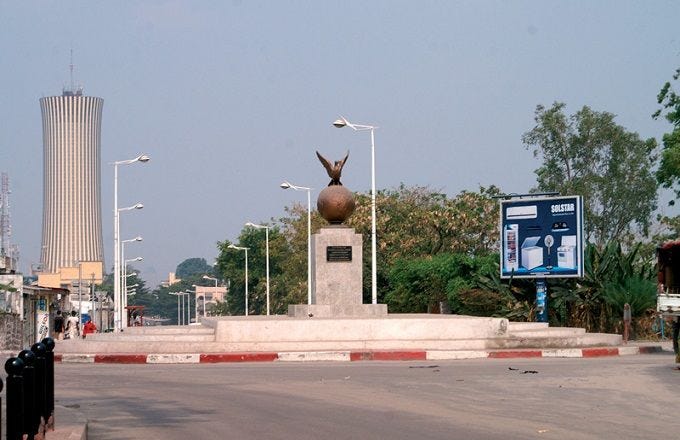
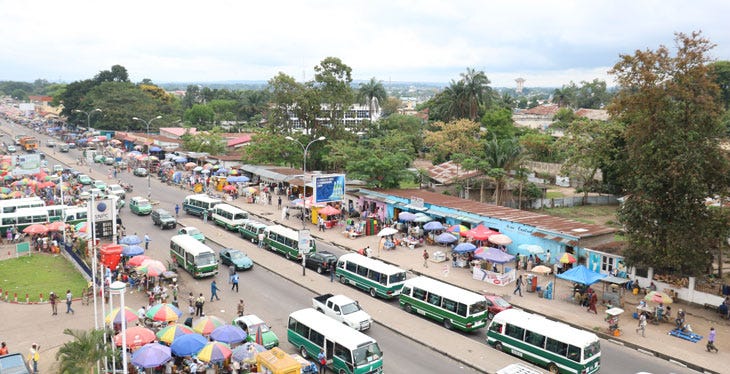
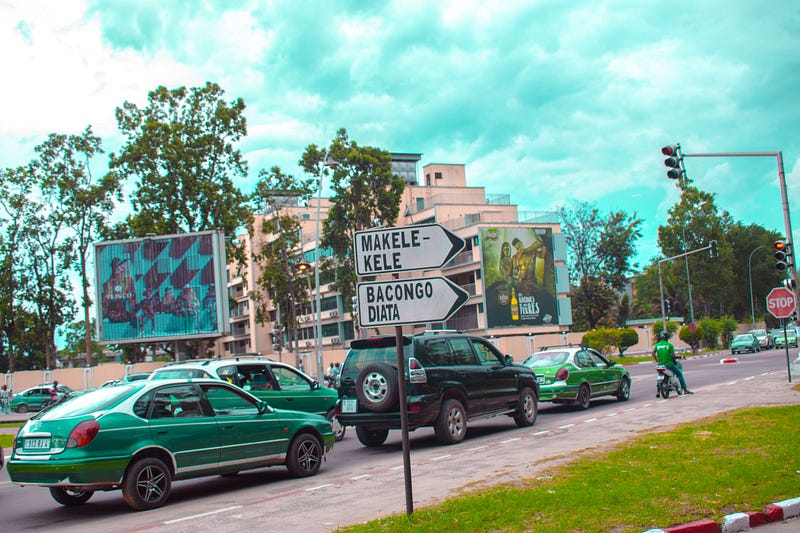
Green and white taxis in Brazzaville.
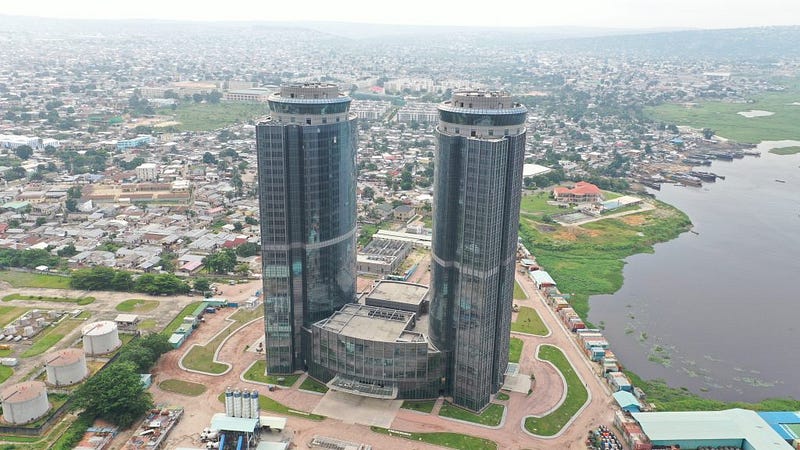
Brazzaville is the capital city of the Republic of the Congo; it is the political and judicial capital of the country. Brazzaville is also the largest city in the country, currently. Had SPG-Hindi existed and been fully built, it would have overtaken Brazzaville as the largest city in the country. The population of Brazzaville was approximately 1.8 million people in 2020. However, it’s worth noting that population estimates can vary depending on the source and the methodology used, so the exact number of people living in Brazzaville may be subject to some uncertainty. Like many cities in Africa, Brazzaville has experienced significant urbanization in recent decades, as rural residents have moved to the city in search of better economic opportunities and access to basic services. In addition to rural-urban migration, Brazzaville has also received significant numbers of migrants from other countries in the region, including the Democratic Republic of Congo, Angola, and Cameroon. Had Pointe Noire been modernized the way you’ve seen in this blog, that city would have also overtaken Brazzaville, after Spangersberg-Hindi. Brazzaville would have still remained the capital city of Congo-Brazzaville, also known as the Republic of the Congo.
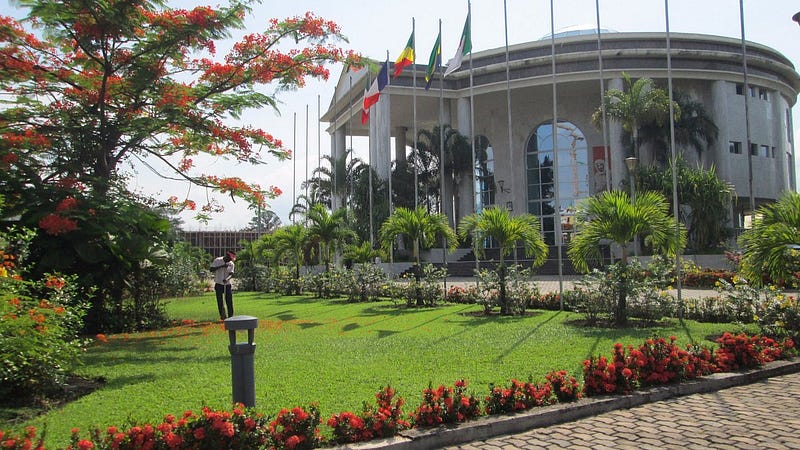
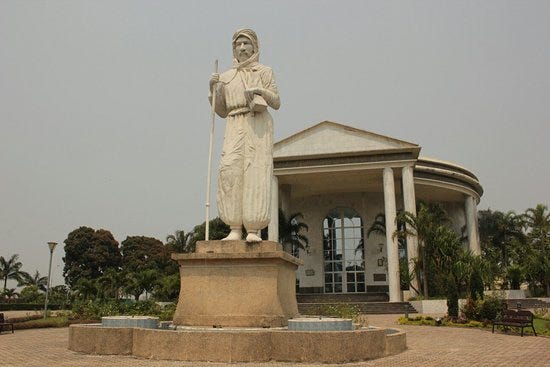
A Brief history about BZV
Brazzaville, the capital city of the Republic of Congo, was named after the French-Italian explorer Pierre Savorgnan de Brazza. De Brazza was a colonial administrator and explorer who is credited with establishing French control over the area that is now the Republic of Congo, and for whom the city of Brazzaville was named.
De Brazza arrived in the Congo region in the late 19th century, and he quickly became known for his diplomatic skills and his ability to negotiate with local leaders. He established friendly relations with the local peoples, and he worked to establish French control over the region without resorting to violence.
In recognition of his achievements, the French government named the city of Brazzaville after him in 1907, several years after he died. Today, Brazzaville is a bustling city with a rich cultural heritage, and it remains an important center of commerce, politics, and culture in Central Africa.
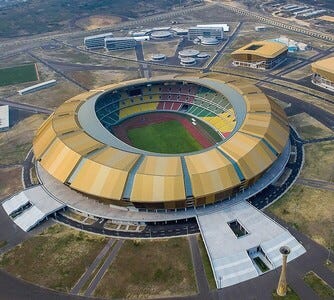
The way the bus system used to work
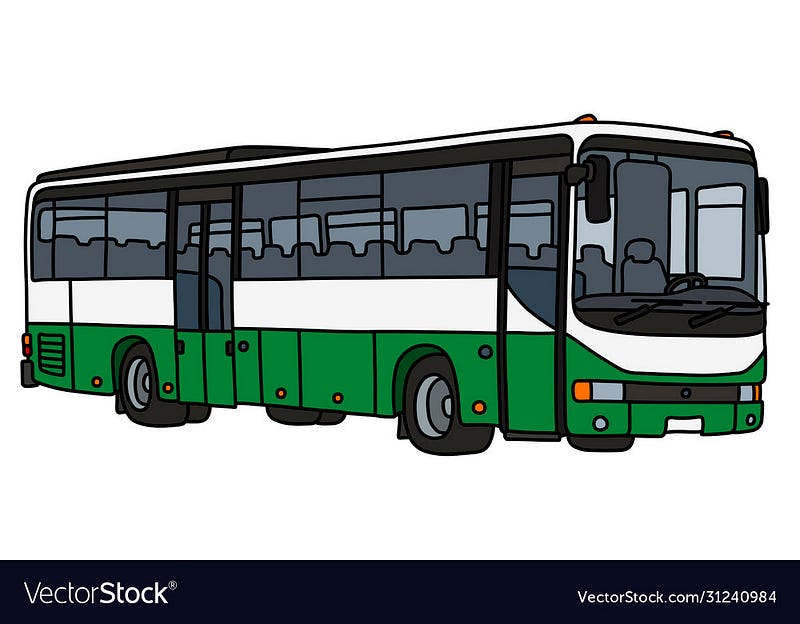
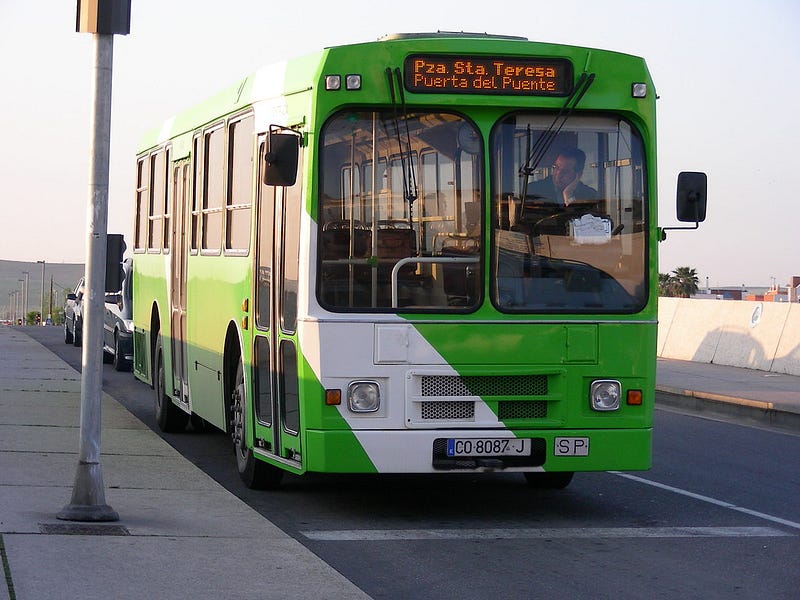
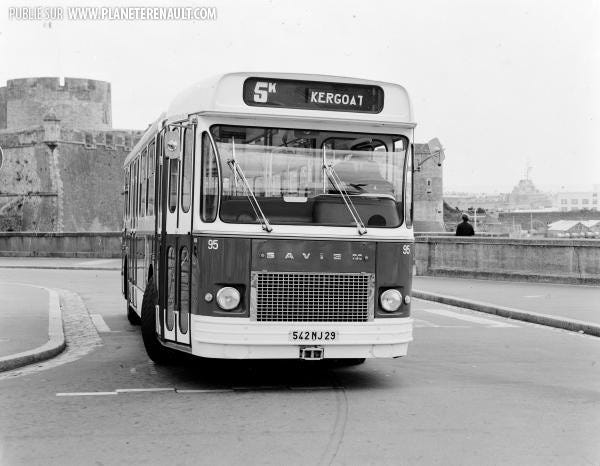
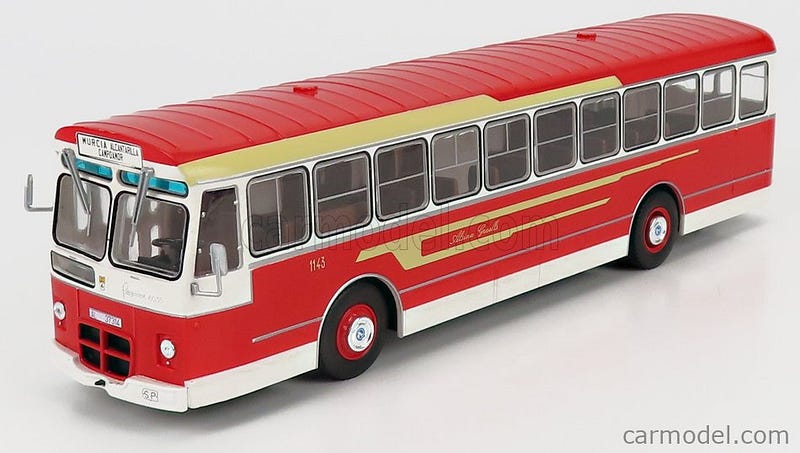
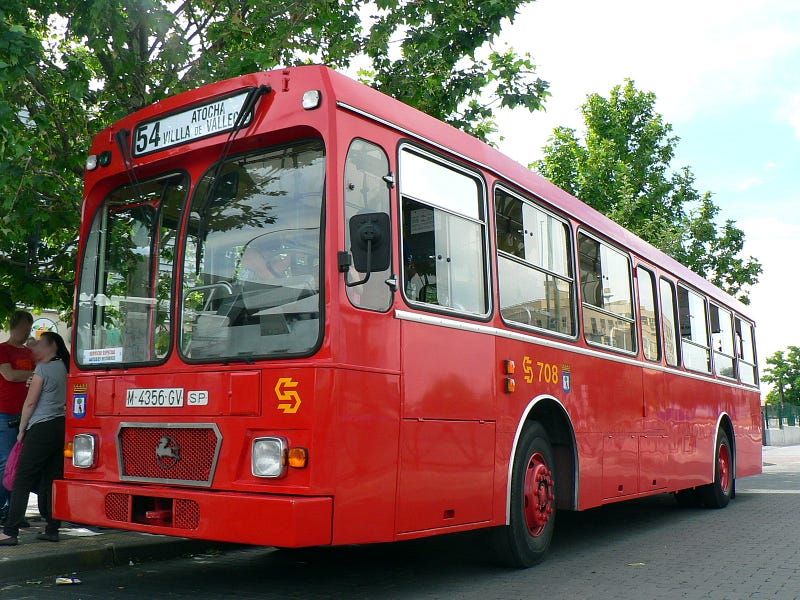
Brazzaville had an effective bus system during the 1970s and 1990s, with a number of different bus companies operating throughout the city. The Pegaso and Renault Saviem buses I mentioned were commonly used during this time, and they were popular with residents due to their reliability and affordability.
However, as I noted, the bus system in Brazzaville has faced a number of challenges in recent years, including a lack of investment in infrastructure and equipment, as well as a shortage of skilled personnel to operate and maintain the buses.
As a result, the quality of the bus service has declined, with many buses running infrequently or not at all, and passengers often crowded into poorly maintained and unsafe vehicles. This has made it difficult for many residents to access basic services and opportunities, and has contributed to traffic congestion and environmental pollution.
To address these challenges, there should have been a need for increased investment in public transportation infrastructure and services, as well as improved planning and management of the city’s transport system. This would have included initiatives to upgrade buses, improve roads and traffic management, and expand access to alternative modes of transportation, such as bicycles and pedestrian walkways — — but again, when you come up with these ideas, society in general and politians see you as someone who is mentally ill, retareded or someome who needs to see a psychologist.
Brazzaville faces a range of infrastructure and service challenges, including safety issues with collective taxis, open sewage systems, and poorly maintained roads. These challenges can have serious consequences for residents, including negative impacts on health, safety, and quality of life.
Collective taxis are a popular mode of transportation in Brazzaville, but they are often overcrowded and unsafe, with many drivers operating vehicles that are poorly maintained and not up to safety standards. This can put passengers at risk of accidents and injuries, as well as exposure to air pollution and other health hazards.
Open sewage systems are also a significant problem in many parts of the city, particularly in informal settlements and low-income neighborhoods. These systems can pose serious health risks to residents, as they can lead to the spread of waterborne diseases and other health hazards.
In addition, many of the roads in Brazzaville are unpaved and poorly maintained, making them difficult to navigate and contributing to traffic congestion and air pollution. This can also make it difficult for emergency services to reach those in need, and can limit access to basic services such as healthcare and education.
The safety issues associated with collective taxis in Brazzaville can have broader impacts on the safety of other road users, including regular car owners. Some taxi drivers’ overcrowding and reckless driving practices can make it difficult for other drivers to navigate the roads safely, increasing the risk of accidents and collisions.
In addition, the poor maintenance of many taxis can also contribute to safety issues, as poorly maintained vehicles can malfunction while driving, potentially causing accidents or other incidents on the road. Furthermore, as I mentioned, the poor state of the city’s roads and open sewage systems can also pose risks to drivers and other road users. Drivers may lose control of their vehicles on unpaved or poorly maintained roads, and open sewage systems and gutters can create hazards for drivers and pedestrians alike.
Addressing these broader safety issues will require a comprehensive approach that considers the needs and perspectives of all road users, prioritizing safety and sustainability in urban planning and development. This might include initiatives to improve road infrastructure and safety standards, promote public awareness and education around safe driving practices, and invest in alternative modes of transportation that are safer and more sustainable for all residents.
Brazzaville faces a range of social and environmental challenges, including power cuts, poverty, waste management issues, and hygiene concerns. Power cuts are frequent in many parts of the city and can seriously impact residents’ quality of life, particularly during extreme heat or cold periods. In addition, poverty and economic inequality are significant issues in Brazzaville, with many residents living in informal settlements or struggling to access basic services and opportunities. Waste management is also a major challenge in the city, with piles of trash and littering being a common sight in many neighborhoods.
This can contribute to environmental pollution and health hazards for residents. Moreover, hygiene concerns, including open defecation and poor sanitation, are also significant issues in many parts of the city, particularly in informal settlements and low-income neighborhoods. Open defecation can pose serious health risks to residents, contributing to the spread of waterborne diseases and other health hazards.
There has to be a need for increased investment in infrastructure and services, as well as improved planning and management of urban growth. This might include initiatives to improve waste management infrastructure and practices, expand access to basic services such as sanitation and healthcare, and promote public awareness and education around hygiene and environmental issues.
The discrits of Brazzaville.
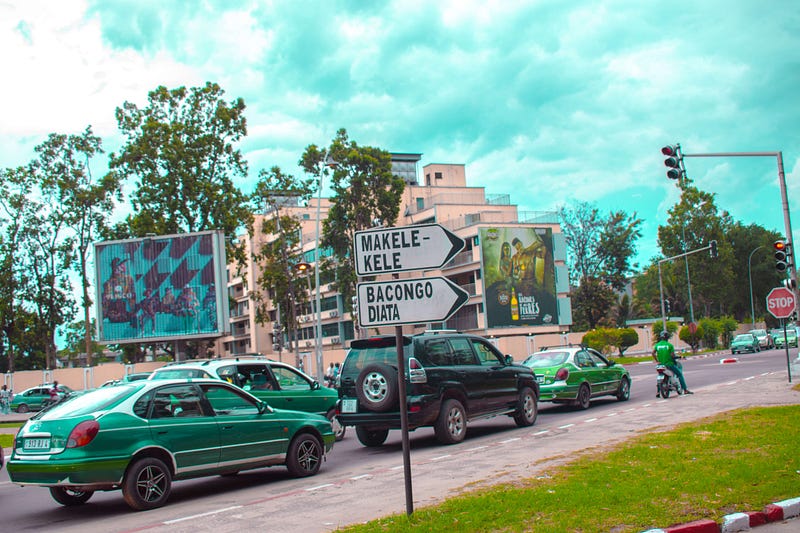
Brazzaville has undergone some changes in its administrative organization over the years. In the 1990s, the city was divided into seven administrative districts (arrondissements), each with its own local government and services. These districts were: Bacongo, Makélékélé, Moungali, Ouenze, Poto-Poto, Talangaï, and Mfilou.
Since then, the city has undergone some changes in its administrative organization. In 2002, two new districts were created: Madibou and Mfilou-Ngamaba. These new districts were carved out of existing districts, with Madibou being created from parts of Moungali and Ouenze, and Mfilou-Ngamaba being created from parts of Mfilou and Talangaï.
Today, Brazzaville is divided into nine administrative districts: Makélékélé, Bacongo, Djiri, Madibou, Moungali, Ouénze, Poto-Poto, Talangaï, and Mfilou-Ngamaba. Each district has its own mayor and local government, and is responsible for providing basic services and infrastructure to residents within its jurisdiction. This system will also be implemented in Spangerberg-Hindi; if this city comes into fruition.
This administrative structure is designed to promote local governance and decision-making, while also allowing for coordinated planning and development at the city-wide level. However, as with any administrative system, there are challenges and opportunities associated with this structure, and ongoing efforts are needed to ensure that the needs and perspectives of all residents are taken into account in decision-making processes.
Job opportunities are limited in Brazzaville, with many residents struggling to find stable and decent-paying employment. This can contribute to poverty and economic inequality, as well as social tensions and conflicts.
In addition, access to basic services such as tap water and electricity remains a challenge for many residents, particularly those living in informal settlements and low-income neighborhoods. This can create significant health and safety risks, as well as limiting opportunities for economic and social development.
There are still people who fetch water into streams and creeks, carrying staff filled with water in their heads, especially women and children. This also creates xenophobia between the Republic of the Congo and citizens of other low-come Sub-Saharan African countries who are immigrants. North Africans, Middle Easterners, and Europeans are spared from xenophobia due to their skin completion — — they are more likely to be accepted.
As I mentioned, the lack of access to basic services and opportunities can also contribute to xenophobia and social tensions between different groups in the city. This is a complex issue, with many factors at play, including economic insecurity, cultural differences, and historical legacies of discrimination and inequality.
If Congolese society wants to address these challenges, it will require a comprehensive approach that takes into account the needs and perspectives of all residents, and that prioritizes inclusive and sustainable development. This might include initiatives to promote job creation and economic growth, improve access to basic services and infrastructure, and foster greater social cohesion and understanding between different groups in the city — I don’t have any hope.
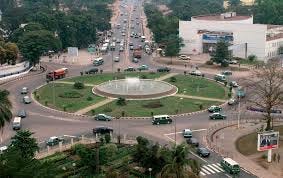
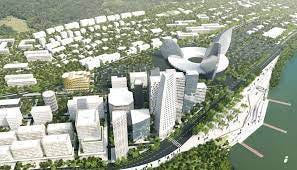
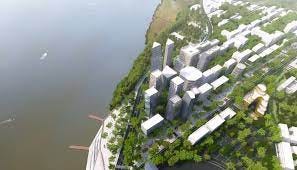
The problems vicious cycle happening in BZV also covers the entire ROC.
Brazzaville’s challenges are not unique to the city, but are shared by many communities across the Republic of the Congo (ROC). Access to basic services such as water, electricity, and healthcare remains a challenge in many parts of the country, particularly in rural and remote areas. In addition, poverty and economic inequality are significant issues, with many residents struggling to access decent-paying employment and basic resources. These challenges can have significant social and economic impacts, including limiting opportunities for development and contributing to health and safety risks for residents. They can also contribute to social tensions and conflicts as different groups compete for limited resources and opportunities.
There has to be a need for increased investment in infrastructure and services and improved planning and management of urban and rural development. This might include initiatives to improve access to essential services such as water and electricity, expand job creation and economic growth opportunities, and promote public awareness and education around health and safety issues.
Am I optimistic about the future of the ROC ?
No, I am not optimistic about the future of the Republic of the Congo; I haven’t been confident about the country’s future since I was 12 years of age in 1993; now, I am going to be 42. I will say something that will offend many people, but I don’t care: when we, Black Africans come together as nations and have to compete with others, we fall short. It breaks my heart as a Black man who is both French and Congolese to say this, but it doesn’t make it less accurate: there is always an excuse for blaming former colonial powers, such as France, Germany, Britain, the Netherlands, Spain, Italy, Sweden, etc. It is always the fault of people of other races, never ours. Communities in the Republic of the Congo and other Sub-Saharan African countries have faced significant challenges and obstacles to promoting development and positive change in their societies.
These challenges include limited access to resources and opportunities and social and political structures that resist change or actively suppress innovation and progress. This can make it difficult for individuals and communities to develop and implement effective solutions to their challenges and even put them at risk of violence and persecution.
Violence and assassinations are a reality for many individuals and communities in the Republic of the Congo and other Sub-Saharan African countries working to promote positive change and development in their societies. Individuals working to promote positive change and development in the Republic of the Congo and other Sub-Saharan African countries can sometimes face resistance or ridicule from their families and society at large.
This can be due to various factors, including cultural norms and expectations around gender roles and family obligations, as well as a lack of understanding or support for the importance of social and economic development in promoting long-term stability and progress. Overcoming these challenges will require a sustained effort to promote greater awareness and understanding of the importance of social and economic development and the role that individuals and communities can play in driving positive change. This might include initiatives to promote greater access to education, information, and resources that can support individuals in pursuing their goals and aspirations, as well as efforts to promote greater awareness and understanding of the challenges and opportunities facing different communities in the country.
While historical legacies of colonialism and other forms of external influence can contribute to the challenges facing many countries in Sub-Saharan Africa, it is ultimately the responsibility of governments to prioritize the needs and interests of their people and to commit to sustainable and inclusive development.
Many countries in the region have made significant progress in recent years in promoting social and economic development, despite the ongoing challenges they face, while Haiti and other predominantly Black countries always come up with excuses.
This progress has been driven by various factors, including strong leadership, effective policies and strategies, and investments in infrastructure, education, and other vital areas.
At the same time, there is still much work to be done to address the root causes of poverty, inequality, and exclusion in these countries and to promote sustainable and inclusive development that benefits all members of society. In some cases, violence and assassinations may be carried out by governments or other powerful actors who feel threatened by these efforts or seek to maintain the status quo for their own interests. In other cases, violence and assassinations may be carried out by criminal or extremist groups who seek to undermine social and economic stability and progress.
Conclusion
The lack of human capital and skilled workforce is a major challenge for many countries in Sub-Saharan Africa, including the Republic of the Congo. This can limit the capacity of these countries to promote sustainable and inclusive development, and can make it difficult to address the many challenges facing their societies.
In many cases, this lack of human capital is due to a range of factors, including limited access to education and training, brain drain, and a lack of opportunities for professional development and advancement.
Addressing this challenge will require a sustained effort to promote greater access to education and training, as well as to create opportunities for professional development and advancement that can support the growth of a skilled and capable workforce.
Attracting human capital from other regions, including Europe and South America, can be one strategy to address the challenge of limited human capital in the Republic of the Congo and other Sub-Saharan African countries. This can help to bring in new skills, knowledge, and perspectives that can support the growth and development of the country. Moreover, it’s important to ensure that any initiatives to attract human capital are grounded in a commitment to inclusivity, diversity, and social equity. This might include efforts to promote greater access to education and training for all members of society, as well as initiatives to support the growth and development of local businesses and industries. Granting citizenship to individuals from other regions can bring benefits to the Republic of the Congo, including potentially increasing the value and recognition of the Congolese passport around the world. Citizenship can also provide individuals with greater rights and protections, and can help to promote a sense of belonging and investment in the country.
I know that lead to social and cultural tensions within the country, particularly if there is a perception that these individuals are being given preferential treatment over local residents, but local residents have a responsibility to improve their standards of living and to set themselves free from being ill-educated and poor. If it makes some people angry, I don’t care. I can no longer stand the Congo being a shithole country. In life you do what works; sticking to ideas from the Bronze Age in 2023 doesn’t work. At the same time, it’s essential to recognize that addressing social and cultural tensions is not solely a matter of individual choice or responsibility. It also requires a commitment and leadership from the government to promote inclusive policies and practices that support the growth and development of all members of society.This might include initiatives to promote more significant economic and social equity, strengthen institutions and mechanisms for accountability and justice, and foster a culture of participatory governance that values the input and participation of all members of society.