
This Is How The Democratic Republic Of Congo Would Be — If It Were A Well-Structured Capitalist Society
The Democratic Republic of the Congo (DRC) had significant economic and infrastructural development in the early 1960s, particularly in mining, agriculture, and transportation. At independence in 1960, the DRC was one of Africa’s most industrialized and developed countries. The “Zairanization” of the Democratic Republic of the Congo (DRC) in the 1970s, which involved changing the country’s name from the Congo to Zaire and renaming many cities and landmarks, was a costly effort that significantly impacted the country’s development. The Zairanization campaign was part of a broader effort by the government of President Mobutu Sese Seko to promote a sense of national identity and unity in the country and to distance the DRC from its colonial past. That campaign was criticized by many for being expensive and largely symbolic and for diverting resources away from other essential areas such as infrastructure, education, and healthcare.
Moreover, the Zairanization campaign was part of a broader pattern of corruption, mismanagement, and political repression under the Mobutu regime, which led to significant economic and social challenges in the country. The DRC has struggled with political instability, conflict, and underdevelopment for many years. While there have been efforts to promote economic development and improve infrastructure in recent years, much work remains to be done.
Unfortunately, the Democratic Republic of the Congo (DRC) remains one of the world’s poorest countries, with high poverty, inequality, and underdevelopment. According to the United Nations Human Development Index (HDI), which measures a country’s level of human development based on factors such as income, education, and life expectancy, the DRC ranks 175th out of 189 countries. The DRC faces significant challenges in promoting sustainable development and improving the lives of its citizens. These challenges include political instability, conflict, corruption, poor governance, and inadequate infrastructure.
IMO, the primary reason why the DRC is in this state is due to political mismanagement from various Congolese administrations; with that said, Congolese society is just as guilty for not showing any curiosity in finding out what mentalities and beliefs system that much of the population has that keeps the country away from being fully developed. Many of the people in the Democratic Republic of the Congo, the Republic of the Congo and most of Sub-Saharan Africa are not able to run their own society properly; let me explain: Military power is but a reflection of something much more profound; one cannot have military power if one does not have economic power. When I was in Kinshasa multiple times as a young child, I heard many times from adult neighbors who believed that the Democratic Republic of the Congo, formerly Zaire at the time, was better off under White than Black rule. The same people went on to believe that Black African politicians are not interested in improving the lives of their citizens: they are only interested in enriching themselves, their small circles, and members of their tribal ethnic groups.
The Democratic Republic of the Congo is my second country of origin on my maternal side of the family. My personal opinion is that, as a society, we’ve destroyed this country on our own: we can blame colonialism, slavery, and oppression at the hands of the Belgians, the Portuguese, the British, the Austro-Hungarians, the Swedish, the French, and other European explorers, but it is not going to improve the situation of the country. I am not dismissing that colonialism has played a role in our psychology: The Democratic Republic of the Congo (DRC) has a complex history of colonialism, oppression, racism, and human indignity, which have had a significant impact on its current stage of poverty and underdevelopment. The legacy of the First Congo Genocide, which occurred during the reign of King Leopold II of Belgium in the late 19th and early 20th centuries, is a particularly tragic example of this history.
While historical factors have played a role in shaping the country’s current situation, it’s also essential to focus on recent efforts to promote sustainable development and poverty alleviation in the DRC. As I have noted, there is a need for the government and society to take responsibility and implement policies that contribute to poverty alleviation. This will require a long-term commitment to promoting good governance, social equity, and environmental sustainability and will involve the participation of all members of society, including the government, civil society organizations, and individuals. This is where the Democratic Republic of the Congo, the Republic of the Congo, and other Sub-Saharan African countries failed: in the decades that followed, after getting independence, the vast majority of Sub-Saharan African countries have experienced repeated development failures, while many East and Southeast. Asian nations have experienced robust economic growth — not to forget that Asia has also experienced colonialism, racism, and inhumanity at the hands of former colonial powers.
Most African societies struggle to face dysfunctional institutions, and their evidence is empirical. In many of these societies, for instance, the trash is not collected from overflowing trash dumpsters, especially in disfranchised neighborhoods — few streets are paved, especially in rural areas.
Public institutions across much of Africa have become more corrupt, and authorities are more likely to engage in a takeover and less responsive to societal conditions — it is not different in the Democratic Republic of the Congo. Another problem with the Democratic Republic of the Congo and the vast majority of other African nations is that they pursued import substitution policies and protectionism to spur domestic production — — without reflecting on the internal domestic markets of these societies, which are too small to support a viable manufacturing base.
Another problem with the Democratic Republic of the Congo and the vast majority of other African nations is that they pursued import substitution policies and protectionism to spur domestic production — — without reflecting on the internal domestic markets of these societies, which are too small to support a viable manufacturing base. Many East and South East Asian countries have been prosperous due to the diversification of exports, investment in education, healthcare, infrastructure, and foreign investments, over the past short decades; they don’t just depend on exporting their traditional products.
The brief history of the Democratic Republic of the Congo
The Democratic Republic of the Congo (DRC) has a complex and tragic history, marked by slavery, exploitation, genocide, racism, and violence. The area now the DRC was home to numerous ethnic groups and kingdoms for centuries before the arrival of European explorers in the late 19th century. In the 1880s, King Leopold II of Belgium claimed the territory as his personal property and established the Congo Free State, which he ruled as a brutal and exploitative regime. Under Leopold’s rule, Congolese people were subjected to forced labor, violence, and other atrocities to extract rubber and other resources for export. It’s estimated that up to 10 million Congolese people died due to Leopold’s policies, earning him the title of one of history’s worst mass killers. In 1908, the Belgian government took control of the Congo Free State and established it as a colony known as the Belgian Congo. While the worst excesses of Leopold’s regime were curtailed, the Belgian colonial government continued to exploit the country’s resources and people, often through forced labor and other forms of coercion.
The DRC gained independence from Belgium in 1960, but the transition was marked by political instability and conflict. The country has faced years of civil war, political instability, and violence, which have significantly impacted its economic and social development. Mobutu Sese Seko’s rule in the Democratic Republic of the Congo (DRC) was marked by political instability, repression, corruption, and economic decline.
Mobutu came to power in a military coup in 1965 and ruled the country for over three decades until he was overthrown in 1997. In 1971, shortly after coming to power in a military coup, Mobutu Sese Seko changed the country’s name from the Republic of the Congo to the Republic of Zaire.The name change was part of a broader campaign of “Zairianization” that Mobutu launched, which aimed to promote a sense of national identity and unity in the country and to distance the DRC from its colonial past. As part of this campaign, Mobutu also changed the names of many cities and landmarks in the country and promoted the adoption of traditional Congolese dress and culture. While the Zairianization campaign intended to promote national unity and cultural pride, many criticized it for being expensive and largely symbolic and diverting resources away from other vital areas such as infrastructure, education, and healthcare.
During his rule, Mobutu centralized power in his own hands and suppressed political opposition and dissent, often using violence and repression.Political opponents and critics were often imprisoned, tortured, or killed, and human rights abuses were widespread. Moreover, Mobutu’s regime was marked by corruption and economic mismanagement, which contributed to a decline in living standards for many Congolese people. At the same time, Mobutu and his inner circle enriched themselves through a system of patronage and corruption, allowing them to accumulate vast wealth and power at the expense of most of the population. The legacy of Mobutu’s rule continues to impact the DRC today, contributing to ongoing political instability and economic challenges in the country. Moreover, the DRC has also been impacted by regional conflicts, including the Rwandan genocide in 1994, which spilled over into the country and contributed to years of violence and displacement. Despite these challenges, there have been efforts to promote reconciliation, peace, and economic development in the DRC in recent years; without success.
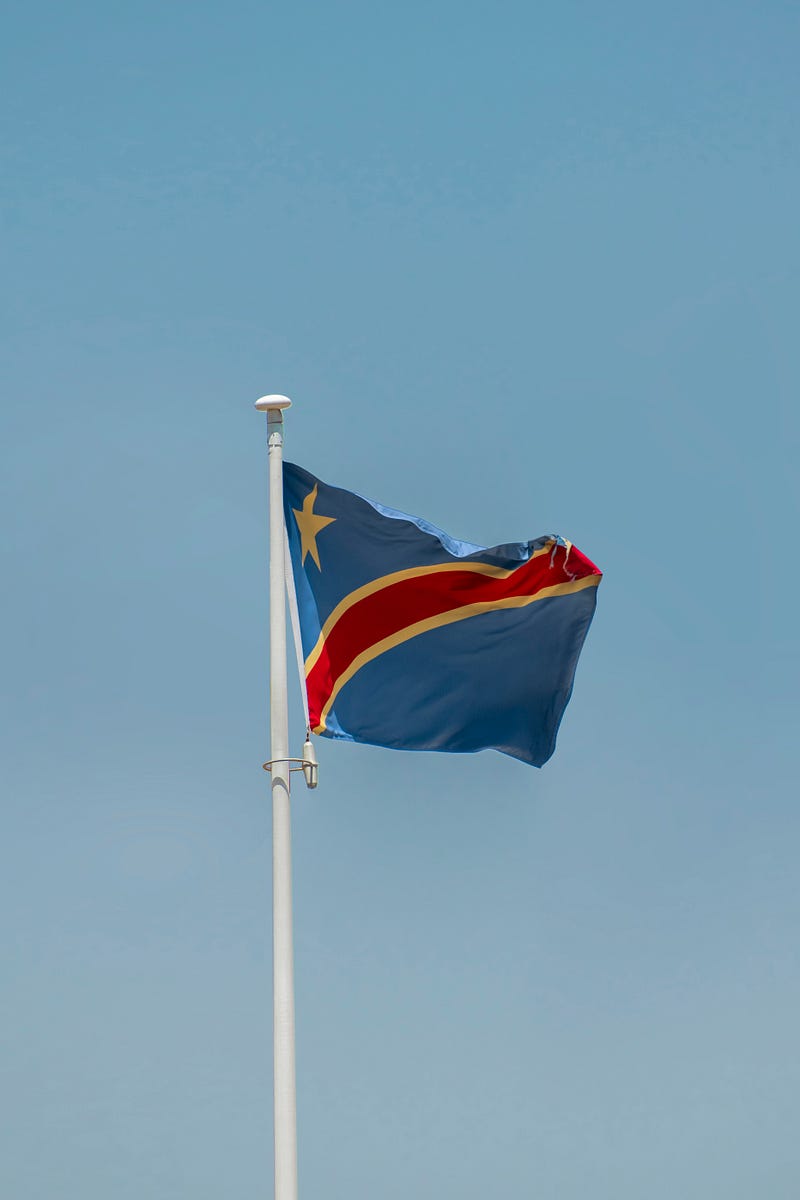
In 1997, the country’s name was changed back to the Democratic Republic of the Congo (DRC) following the overthrow of Mobutu Sese Seko by rebel forces led by Laurent-Désiré Kabila. Kabila became president of the DRC and ruled the country until his assassination in 2001. After his death, his son Joseph Kabila took over as president and governed the country for over 18 years until he was succeeded by the current President, Felix Tshisekedi, in 2019. Joseph Kabila’s time in power was marked by ongoing political instability, conflict, economic challenges, and allegations of corruption and human rights abuses. Under President Tshisekedi, efforts have been made to promote political reform and economic development. However, the country continues to face significant challenges in these areas and ongoing conflict and insecurity in some regions.
The struggles, which the DRC is facing
The Democratic Republic of the Congo faces many significant challenges, including high levels of poverty, domestic violence, child abuse, food insecurity, ongoing conflict and insecurity, decaying infrastructure, and health problems. As I noted, the DRC has one of the highest poverty rates in the world, with around 70% of the population living below the poverty line. This significantly impacts Congolese people’s health, education, and well-being and has contributed to ongoing food insecurity and malnutrition in the country.
Moreover, the DRC has been plagued by continuing conflict and insecurity, particularly in the country’s eastern regions, which has led to displacement, violence, and human rights abuses, including widespread sexual violence against women and girls. The country also faces significant challenges in healthcare and infrastructure, with limited access to healthcare services and widespread infrastructure decay and disrepair. This has contributed to high levels of disease and mortality in the country, including cholera, malaria, and other preventable illnesses.
The Democratic Republic of the Congo has been plagued by the illegal exploitation of its natural resources, including minerals such as tin, tungsten, tantalum, and gold, which are used in electronic devices and other products. This illegal exploitation has been partly driven by armed groups and criminal networks, who use the proceeds from selling these minerals to finance their activities. The situation is particularly acute in the eastern regions of the country, where ongoing conflict and insecurity have made it difficult to control the flow of minerals and prevent their illegal exploitation. Moreover, child labor is a significant problem in the DRC, particularly in the mining sector. Children, including young boys and girls, are often forced to work in dangerous and exploitative conditions in mines, where they risk injury, disease, and exploitation. In addition, there have been allegations of neighboring countries, such as Rwanda, Uganda, and Burundi, being involved in the illegal exploitation of DRC’s natural resources and other forms of interference in the country’s internal affairs.
The illegal exploitation of the DRC’s natural resources is a complex issue involving various actors, including armed groups, criminal networks, and neighboring countries. The situation is exacerbated by weak governance, corruption, and limited capacity to enforce laws and regulations. As I note, this has led to xenophobia and hate crimes against Rwandans, Ugandans, and other foreign populations in the DRC. Moreover, the situation is compounded by discrimination against certain ethnic groups, including pygmies, who face significant barriers to accessing education, healthcare, and employment opportunities in many countries in the region. In addition, the involvement of multinational companies in the exploitation of natural resources in the DRC, including child labor in cobalt mines, is a severe concern that highlights the need for greater accountability and transparency in global supply chains.
In the Democratic Republic of the Congo, the role of multinational companies, the responsibilities of caregivers, and cultural attitudes towards poverty and development. Indeed, multinational companies that rely on cobalt and other minerals from the DRC are responsible for ensuring that their supply chains are free from child labor and other forms of exploitation. This requires greater transparency, accountability, ethical standards in global supply chains, and more vigorous enforcement of laws and regulations. Cultural attitudes towards poverty and development can also play a role in perpetuating poverty and underdevelopment in the DRC and other countries.
Addressing these attitudes and promoting a culture of social justice and sustainable development will require a long-term commitment from all members of society, including government, civil society organizations, religious and cultural leaders, and individuals — but the DRC has a long way to go. It is poor if your country has more churches and mosques than hospitals. If your country struggles with ethnic tribalism and weak legal systems that should protect everyone equally under the law, your country is poor. If your countries still stick with medieval thinking, it is a backward society.
The Democratic Republic of the Congo faces significant challenges regarding media freedom and freedom of expression. The country has a history of limited press freedom, with independent journalists and media outlets facing harassment, intimidation, and censorship by the government and other actors. This has contributed to a lack of privacy and an absence of laws protecting fundamental values, including freedom of expression and the press. Moreover, the government has used the media as a tool to control and manipulate public perception, with journalists and media outlets facing reprisals for reporting on sensitive or critical issues. This has significant implications for democracy and governance in the country, as a free and independent media is essential for holding those in power accountable and promoting transparency, public participation, and social justice.
The exact needs to be said about most of Africa. This is why some in the DRC advocate for the return of colonial rule or the rule of Belgians — given they feel frustrated and disillusioned with their current government if they do not see progress in addressing poverty and underdevelopment. This administration and previous ones have failed to focus on promoting good governance, transparency, and accountability, as well as working to create opportunities for economic growth and social equity in the country. In the DRC, the Republic of the Congo, and other African countries, having a comfortable life is viewed as a sin by the average individual and celestial organizations, and those who go through hardships or be average are believed to be earning respect. There are fewer medical centers than places of worship.
In addition, incomplete national projects, including roads, dams, buildings, and offices, are a common challenge in many Sub-Saharan African countries, including the Democratic Republic of the Congo (DRC). Several factors contribute to this issue, including weak governance, corruption, limited resources, and inadequate planning and implementation. In many cases, inadequate resources, including funding and skilled personnel, can make it challenging to complete significant infrastructure projects. Corruption and weak governance can also lead to project implementation delays and inefficiencies, as resources may be diverted or mismanaged. The Democratic Republic of the Congo has one of the highest infant mortality rates and one of the lowest life expectancies in the world. According to the World Health Organization (WHO), the infant mortality rate in the DRC was estimated at 63 deaths per 1,000 live births in 2020, while the life expectancy at birth was estimated at 60 years in 2021. A range of factors contribute to these challenges, including limited access to healthcare services, inadequate sanitation and hygiene, and high rates of poverty and malnutrition. The DRC has a limited healthcare infrastructure, with many areas lacking basic healthcare facilities and trained healthcare workers. This can make it difficult for people to access essential healthcare services, including maternal and child healthcare.
If the Democratic Republic of the Congo were governed by people who were active by moving forward at a great pace
If the Democratic Republic of the Congo were governed by people who were active by moving forward at an incredible pace, its success would be based on its high performance in manufactured exports; the country would also have experienced high economic growth rates and rapidly increasing living standards. The country would have taken short decades to be transformed from a low-income agricultural society to a thriving respectable nation. The structural conditions in the DRC for more women to work and earn their own money; would surge their economies and the country’s growth. The country’s transformation would have illustrated the diverse paths Asian and Latin American countries have taken in their development. The population would have realized that transforming a country is not a destination but a journey, even if the DRC became fully developed. The DRC’s transformational journey toward industrialization would have required sustained technological capability and technological learning. Less and fewer Congolese citizens would be interested in emigrating to other countries to seek a better life, including the Republic of the Congo, Gabon, Rwanda, Cameroon, Europe, the Americas, Asia, etc. Given the country’s good relationship with Serbia and China, it would have attracted skilled, semi-skilled Serbian labor and skilled labor from other Second and First World countries.
The institutions of the DRC would have been strong, and the rule of law would have been questioned. If you were a citizen of Rwanda, Kenya, Uganda, Burundi, or another country, you illegally exploited the mining of the DRC, you would have faced the death penalty. Parents who send their children to work in minefields would have lost custody of their children, and they would have faced huge fines and legal actions. The rape of girls, women, and boys would have also carried capital punishment. Discrimination based on race, tribe, nationality, sex, religion, and politics would have been punished by law. Drug trafficking, human trafficking, animal poaching, and illegal deforestation would have carried capital punishment. The Democratic Republic of the Congo would have learned from other advanced countries concerning improving its educational system.
A stable political environment would have created a conducive atmosphere for businesses to operate and for individuals to invest in education, healthcare, and other areas that can contribute to sustainable development in the Democratic Republic of the Congo. A stable workforce could be a key factor in attracting high-tech companies and other industries that require skilled labor. This would have created employment opportunities and promote economic growth and development. Development is a complex and multifaceted process that requires sustained effort, commitment, and collaboration from all members of society. It addresses various social, economic, and environmental challenges and promotes sustainable and equitable growth and development. Achieving development requires a long-term vision and strategy and effective leadership, governance, and policy frameworks. It also involves investment in human capital, including education and skills development, and physical infrastructure, such as transportation, communication, and energy systems. If the DRC were a stable country, foreigners who commit crime in the country would have faced the law; possible imprisonment or deportations to their countries. Naturalized Congolese citizens who end up becoming a national and global security threat would have seen their citizenship revoked: in a stable and well-governed country, all individuals, regardless of their nationality or citizenship status, would be expected to abide by the law and face the consequences if they engage in criminal activity. This includes foreigners who commit crimes in the country.
If the DRC were a stable country, both politicians and society at large would focus on what kind of the Democratic Republic of the Congo they would want to leave behind to their children and their grandchildren; instead of wasting time wondering who’s married, who is not married, who’s a witch, who is not a witch; who has kids, and who hasn’t, and whose LGBTQ; who isn’t. Instead of focusing on small talk and minding other people’s business, they should have prioritized developing the country at any cost, no matter the obstacles. In a stable and well-governed country, citizens and politicians would be expected to focus on the long-term development and well-being of the country rather than engaging in petty politics or personal disputes. A stable political environment can create a conducive atmosphere for citizens to engage in constructive dialogue and work towards a shared vision for the country’s future. Focusing on development can promote greater social cohesion and inclusion as citizens work together towards a common goal. This can create a shared purpose and identity that transcends individual differences and promotes greater social cohesion and unity.
In a stable and well-governed country, public health is taken seriously, and efforts are made to prevent and control diseases, including yellow fever, malaria, cholera, sleeping sickness, and other preventable illnesses. This can involve a range of measures, including promoting access to healthcare services, improving sanitation and hygiene, and implementing effective disease surveillance and control programs. Moreover, a stable political environment creates a conducive atmosphere for investment in healthcare infrastructure and training healthcare workers. This can help improve healthcare services’ quality and availability, particularly in remote or underserved areas.
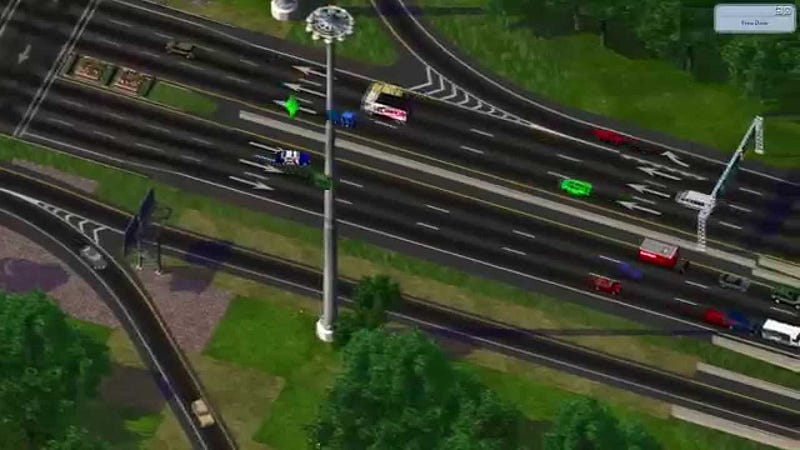
Capitalism is an economic system that would have benefited the Democratic Republic of the Congo, given that it is based on private ownership of the means of production and the creation of goods and services for profit. Capitalism has been associated with rapid economic growth and development in some countries. Critics of capitalism argue that it can also lead to inequality, social exclusion, environmental degradation, and other negative externalities. In some cases, capitalism can contribute to the concentration of wealth and power in the hands of a few, leading to social and economic disparities and instability. Critics of capitalism ignore that capitalism creates incentives for innovation and efficiency, leading to economic growth and job creation. Capitalism can also incentivize investment in new technologies and infrastructure, contributing to long-term economic growth. This is how the DRC would look like:
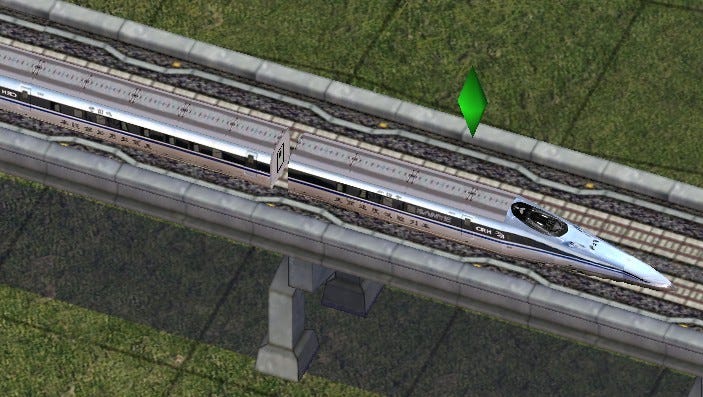
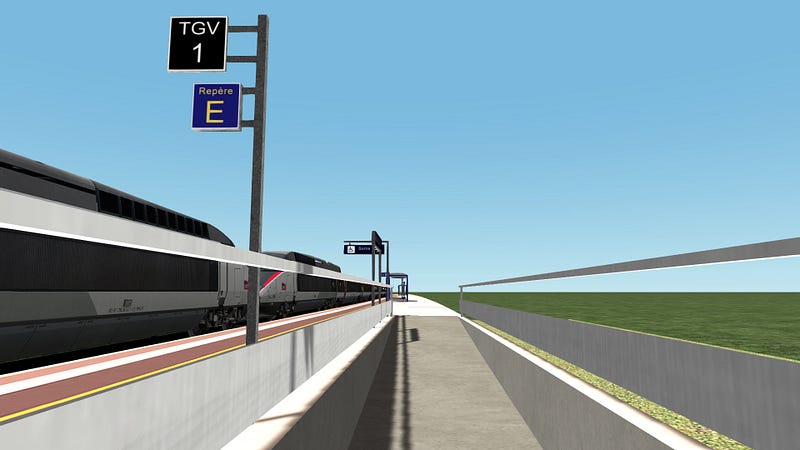
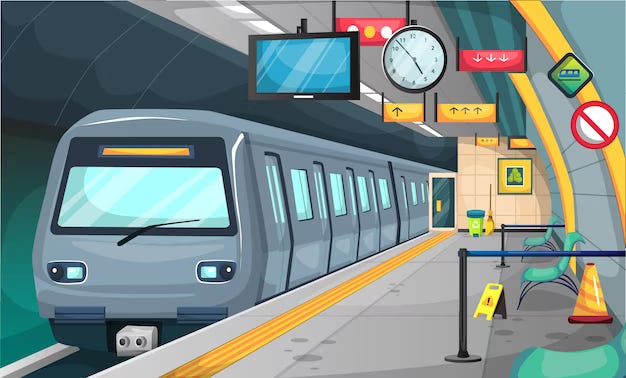
If the DRC were to build a high-speed railway system, it could potentially import high-speed trains from China or other countries with experience in building such systems. China has been investing heavily in high-speed rail technology in recent years and has built one of the largest high-speed rail networks in the world. French companies, such as Alstom, are also well known for their expertise in building high-speed trains, including the TGV.
However, importing high-speed trains would likely be a significant investment for the DRC, and the country would need to ensure that it has the necessary infrastructure and expertise to operate and maintain such trains. Additionally, it would be important for the DRC to carefully consider the terms of any agreements with foreign suppliers in order to ensure that they are in the best interests of the country.
Overall, building a high-speed railway system in the DRC and importing high-speed trains could potentially bring many benefits to the country, including improved transportation, increased economic growth, and enhanced connectivity with neighboring countries. However, careful planning and investment would be required in order to ensure that such a system is well-designed, cost-effective, and sustainable over the long term.
About the Railway and Highways
The Democratic Republic of the Congo (DRC) is a vast country with a land area of over 2.3 million square kilometers, making it the eleventh largest country in the world. The country is rich in natural resources, including minerals such as cobalt, copper, and diamonds, and has significant potential for agriculture and hydroelectric power generation. However, the infrastructure in the country has been largely neglected and is in need of significant investment and improvement.
A high-speed railway system could certainly help to improve transportation and boost economic development in the DRC. However, there are several challenges that would need to be addressed in order to make such a system a reality.
Firstly, the DRC would need to secure significant investment from China or other countries or international organizations in order to fund the construction of the railway system. This would likely involve negotiating complex financing arrangements and ensuring that the terms of any agreements are in the best interests of the DRC.
Secondly, the DRC would need to address significant logistical challenges related to the construction and maintenance of the railway system. For example, the country’s vast size and challenging terrain could make it difficult to build a railway system that is both cost-effective and efficient. Additionally, the DRC would need to ensure that the railway system is well-maintained in order to prevent accidents and ensure that it remains operational over the long term. Finally, the DRC would need to ensure that any railway system is integrated into the country’s broader transportation infrastructure and is accessible to people living in rural areas. This could involve building additional roads and bridges to connect remote areas to the railway system and investing in other forms of public transportation to ensure that people can get to and from railway stations.
In addition to a high-speed railway system, building highways to connect provinces and cities within the DRC could also bring many benefits to the country and the region as a whole. A well-designed highway system could improve transportation and logistics for businesses operating in the DRC, making it easier and more cost-effective to transport goods across the country. This could also help to attract foreign investment and boost economic development.
Moreover, the highways could also provide a critical transportation link to neighboring countries, facilitating trade and commerce and promoting regional integration. This would help to position the DRC as a hub for regional trade and could lead to increased economic growth and development.
However, as with any large infrastructure project, building highways in the DRC would require significant planning and investment. The country would need to ensure that the highways are well-designed and constructed to high standards in order to ensure safety and durability over the long term. Additionally, the DRC would need to ensure that the highways are accessible to people living in rural areas and that they are connected to other forms of public transportation, such as buses and trains, in order to ensure that people can get to and from the highways easily.
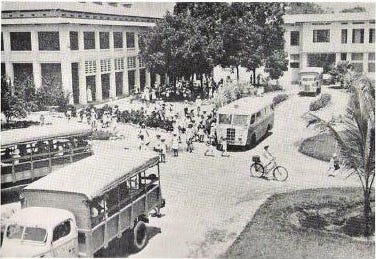
Mbujimayi (Bakwanga)
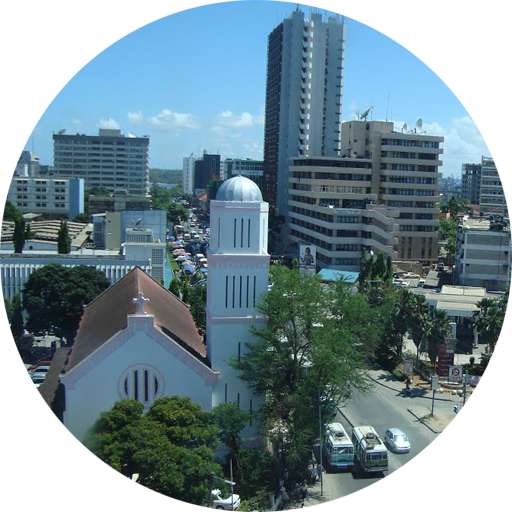
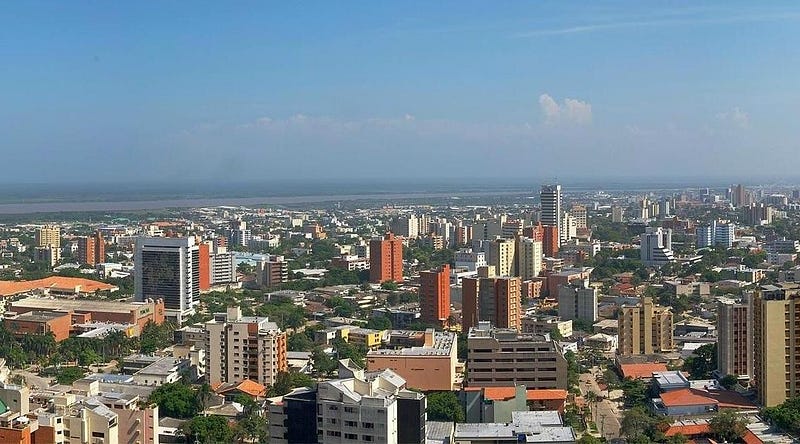
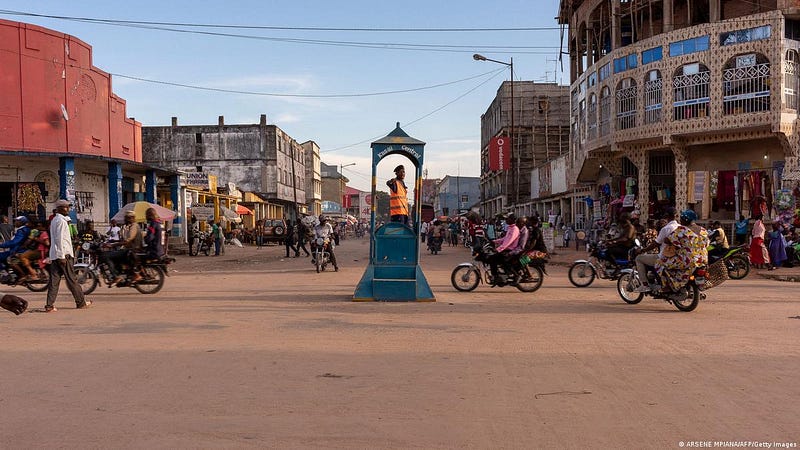
Future Mbujimayi
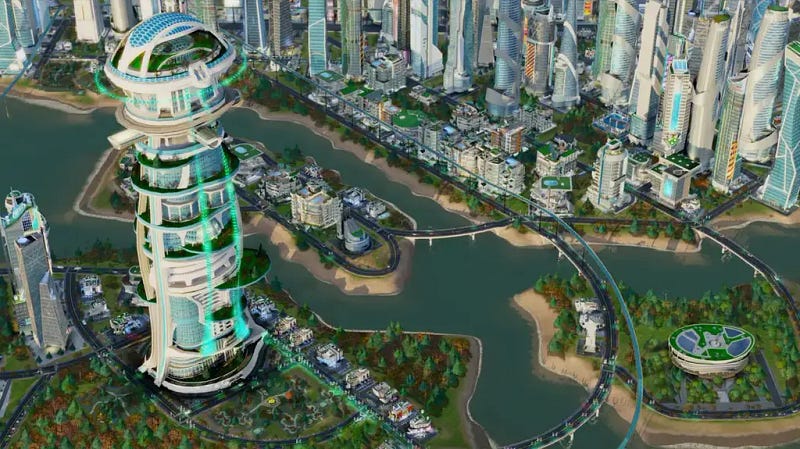
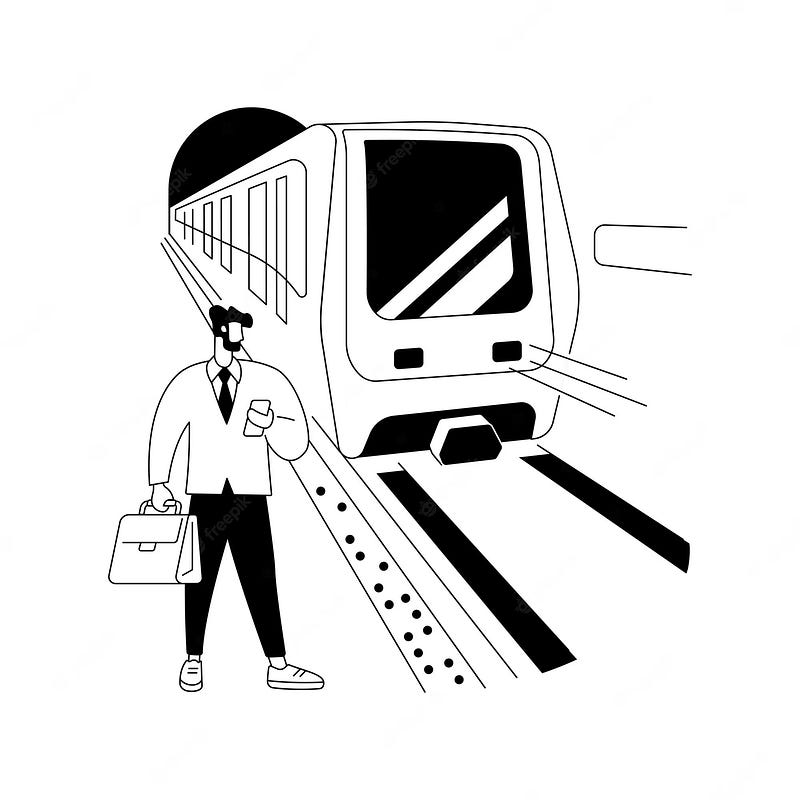
Modernizing Mbujimayi, the diamond capital of the DRC, could certainly attract more investment and create more jobs in the region. The diamond industry is a key sector of the DRC’s economy, and Mbujimayi is home to some of the largest and most productive diamond mines in the country.
Building a metro transit system in Mbujimayi could also help to improve transportation in the city and make it easier for people to get around. This could help to reduce traffic congestion and make it more attractive for businesses to operate in the area. Additionally, a modern and efficient metro system could improve the quality of life for residents of Mbujimayi by making it easier for them to access services and amenities in the city.
However, as with any large infrastructure project, building a metro system in Mbujimayi would require significant planning and investment. The city would need to ensure that the system is well-designed and constructed to high standards in order to ensure safety and durability over the long term. Additionally, the city would need to ensure that the system is accessible to people living in all parts of the city and that it is integrated into the broader transportation network.
Overall, modernizing Mbujimayi and building a metro transit system could bring many benefits to the city and the region as a whole.
Kinshasa
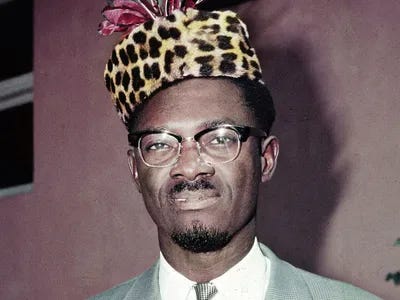
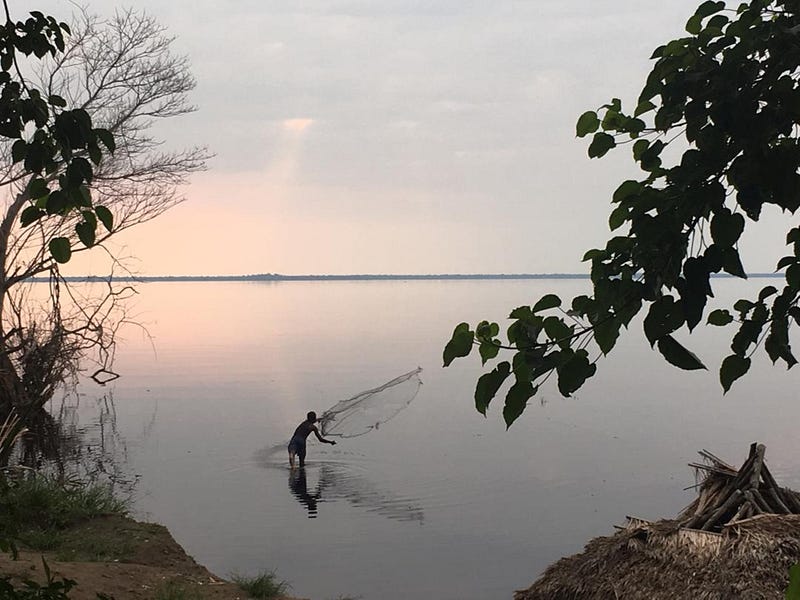
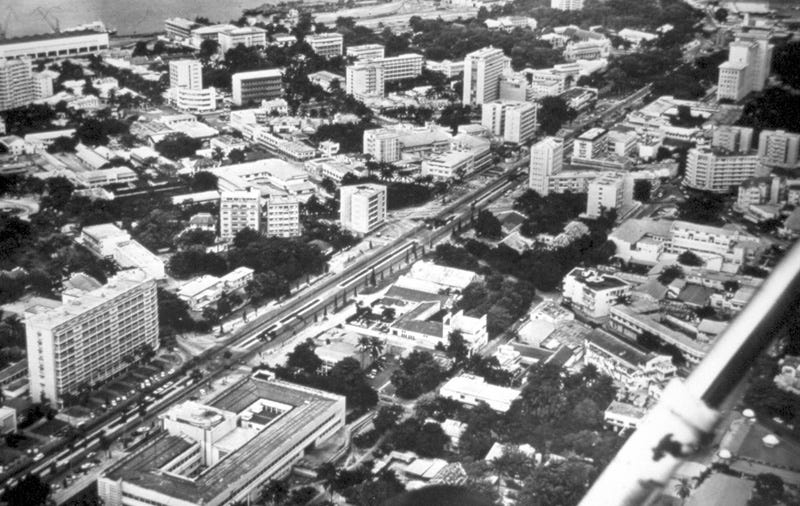
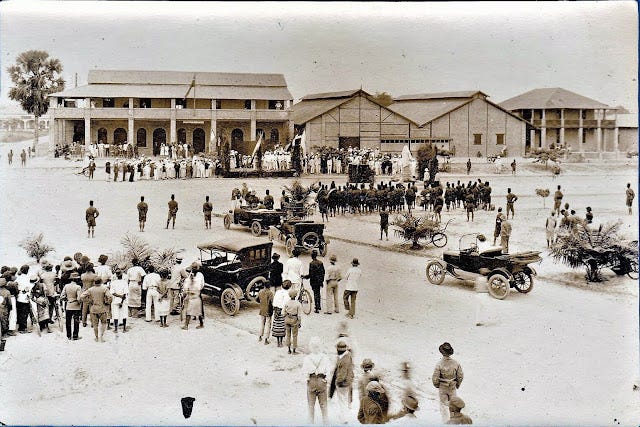
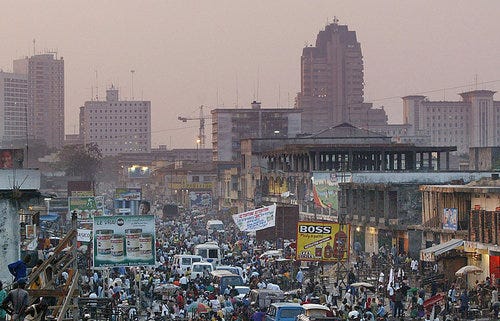
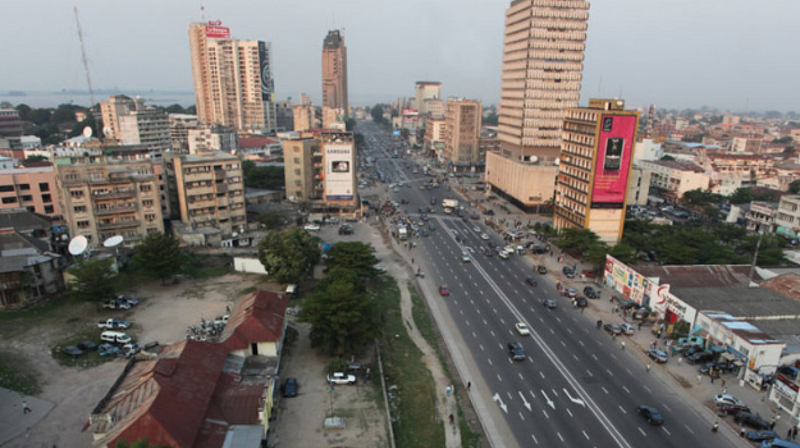
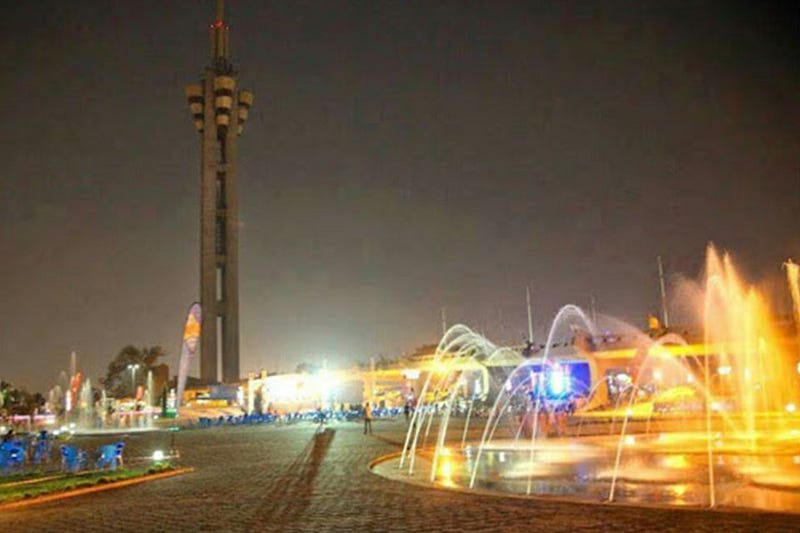
Modernizing Kinshasa, the capital city of the DRC, would also be very beneficial. With a population of over 14 million people, Kinshasa is one of the largest cities in Africa and is the economic and cultural center of the country. However, the city’s infrastructure has struggled to keep up with its rapid growth, and its transportation system is often congested and unreliable.
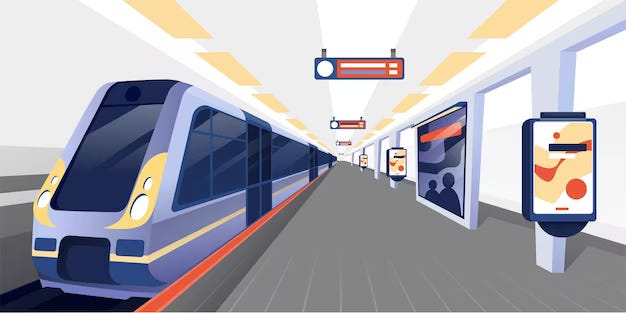
Building an underground rapid transit system in Kinshasa could help to improve transportation in the city and make it easier for people to get around. This could help to reduce traffic congestion and make it more attractive for businesses to operate in the area. Additionally, a modern and efficient transit system could improve the quality of life for residents of Kinshasa by making it easier for them to access services and amenities in the city.
However, as with any large infrastructure project, building an underground rapid transit system in Kinshasa would require significant planning and investment. The city would need to ensure that the system is well-designed and constructed to high standards in order to ensure safety and durability over the long term. Additionally, the city would need to ensure that the system is accessible to people living in all parts of the city and that it is integrated into the broader transportation network.
Overall, modernizing Kinshasa and building an underground rapid transit system could bring many benefits to the city and the region as a whole. However, careful planning and investment would be required in order to ensure that the project is successful and sustainable over the long term.
Kinshasa is divided into 24 communes, each of which has its own local government and administration. The communes vary in size and population, with some being more densely populated than others.
Building an underground rapid transit system in Kinshasa would need to take into account the city’s communal structure in order to ensure that the system is accessible to people living in all parts of the city. It would be important to ensure that the system has multiple stops throughout the city, including in the various communes, to make it easy for people to get to and from different parts of the city.
Additionally, the city would need to work closely with the local governments in each commune to ensure that the transit system is integrated into the broader transportation network and that it meets the needs of residents in each area. This could involve coordinating with local bus and taxi services to ensure that people can easily transfer from the transit system to other modes of transportation.
Overall, modernizing Kinshasa’s transportation system would require a coordinated effort between the city government, local governments in each commune, and other stakeholders. By working together, it may be possible to improve transportation in the city and make it easier for people to get around.
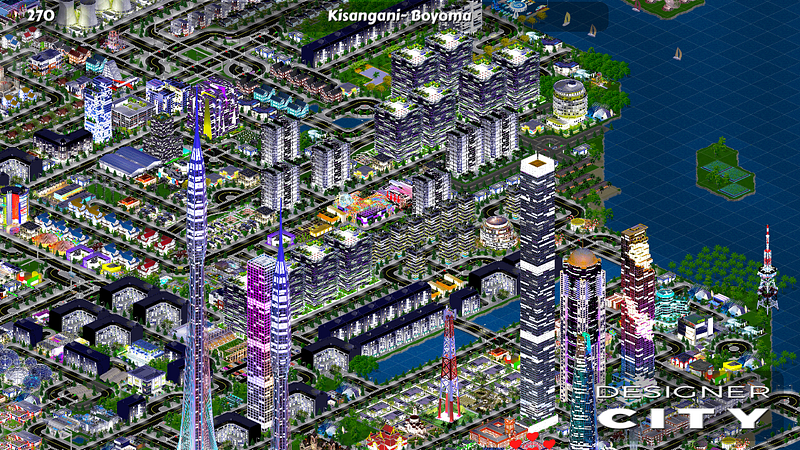
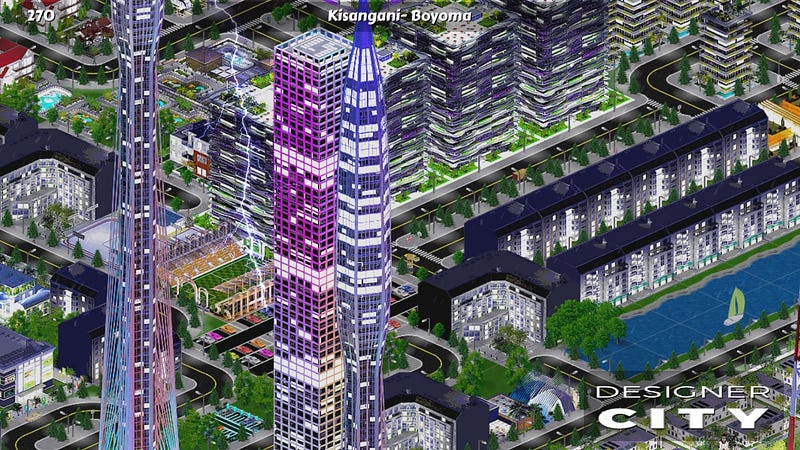
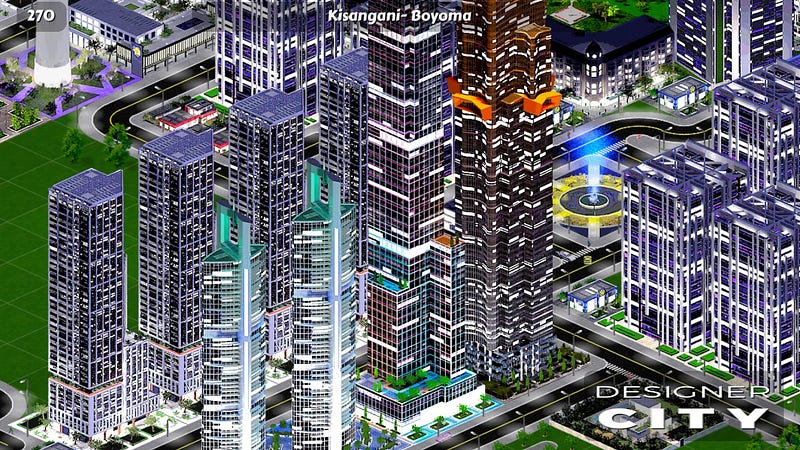
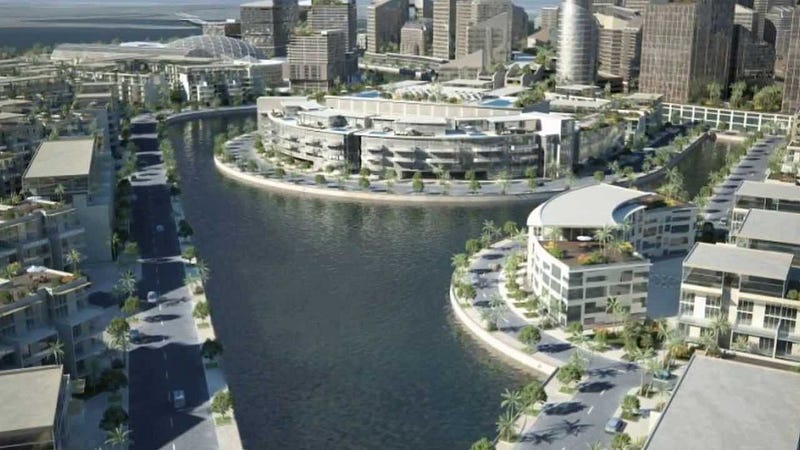
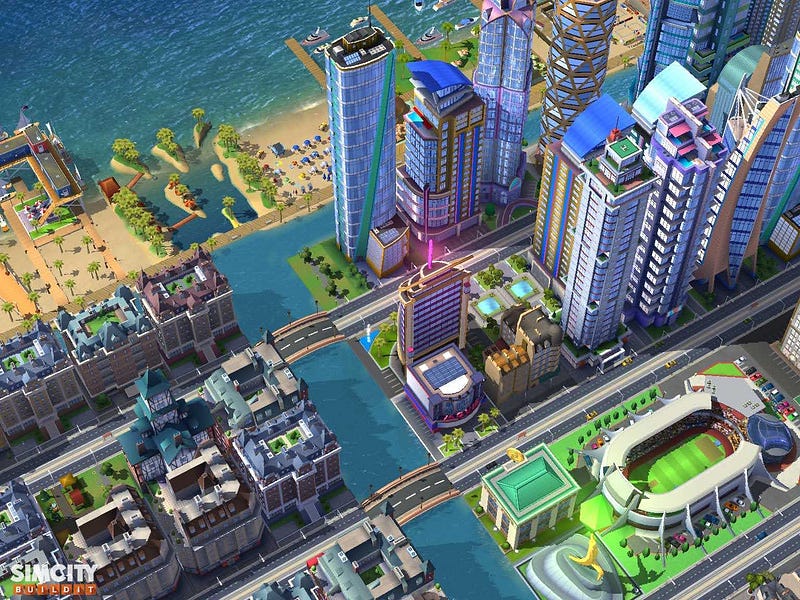
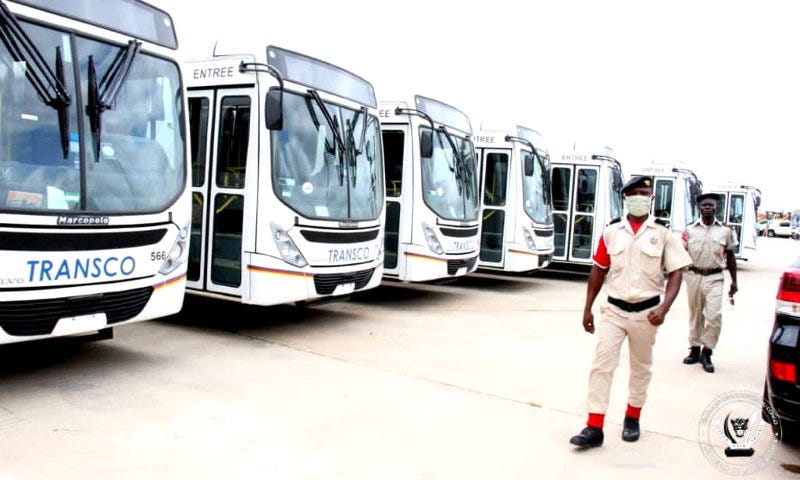
This is how Kinshasa could end up looking like if the country were governed by people who respect time and efficiency.
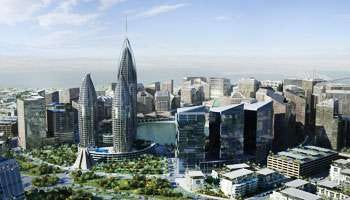
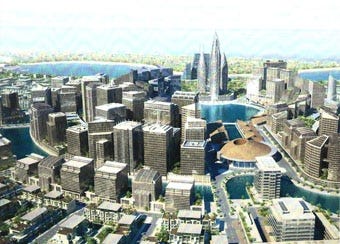
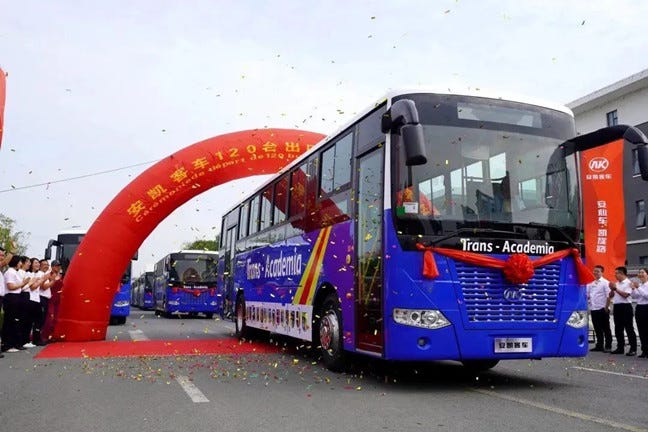
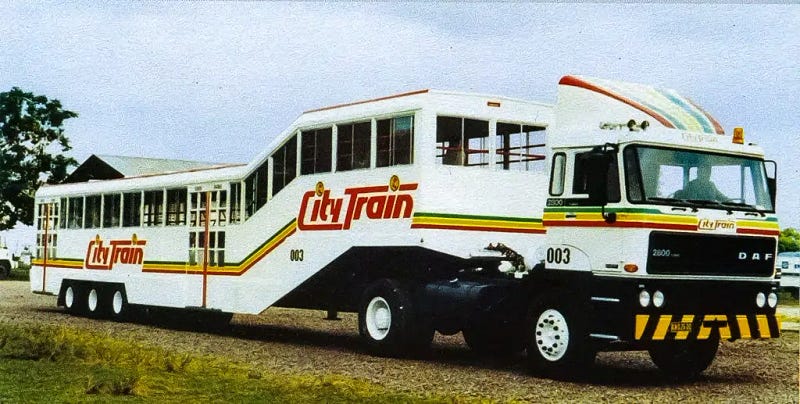
Kinshasa is divided into 24 communes (municipalities):
- Bandalungwa
- Barumbu
- Bumbu
- Gombe
- Kalamu
- Kasavubu
- Kasa-Vubu
- Kimbanseke
- Kinshasa
- Kintambo
- Kisenso
- Kokolo
- Lemba
- Limete
- Lingwala
- Makala
- Maluku
- Masina
- Matete
- Mont Ngafula
- Ngaba
- Ngaliema
- Nsele
- Selembao
Each commune has its own unique characteristics and challenges, so any project to modernize Kinshasa’s transportation system would need to take into account the needs and concerns of residents in each area.
Kisangani(Stanleyville/ Stanleystad)
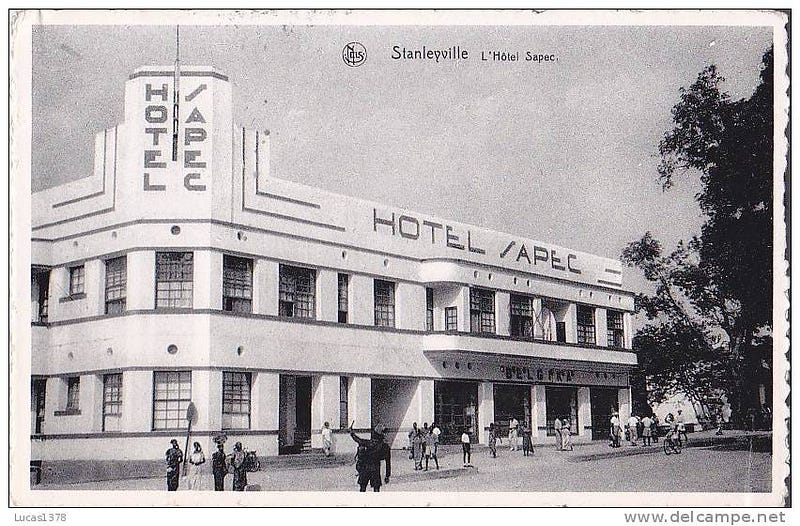
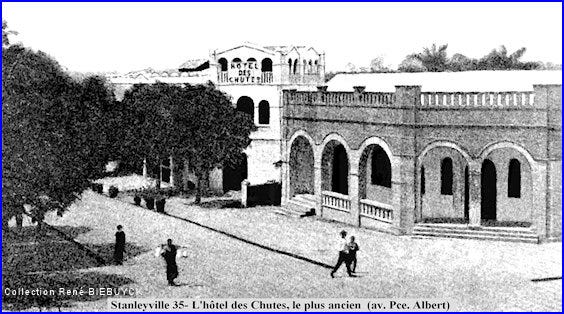
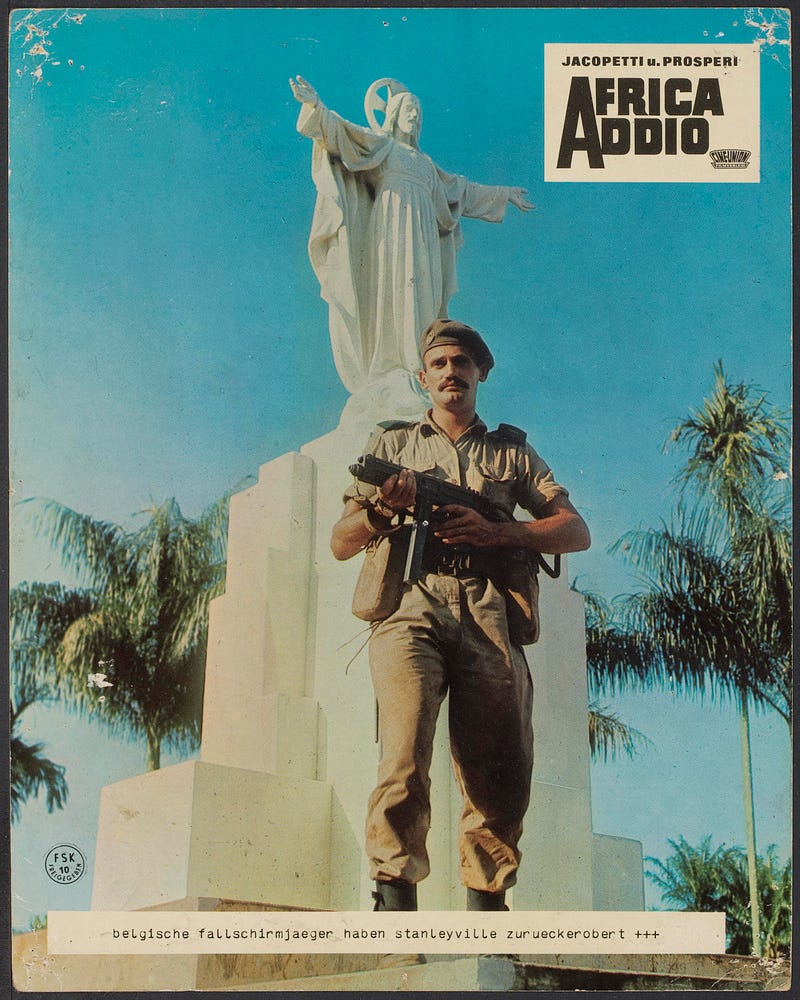
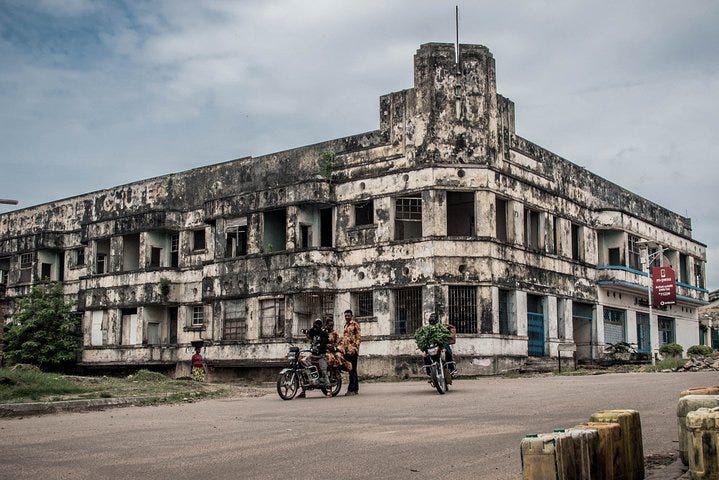
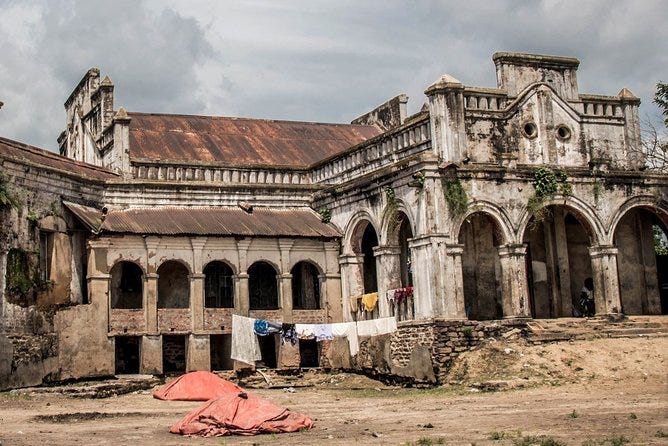
Stanleyville, which is now known as Kisangani, is divided into three communes. These communes are:
Tshopo: This commune is located in the north of Kisangani and is the largest of the three. It is home to the Kisangani International Airport and several neighborhoods, including Makiso and Mangobo.
Makiso: This commune is located in the center of Kisangani and is home to several neighborhoods, including Bangboka, Kabondo, and Lubunga.
Kisangani: This commune is located in the south of Kisangani and is home to several neighborhoods, including Kabondo, Kibasila, and Mangobo.
Each of these communes has its own local government and administration, and together they make up the city of Kisangani.
My initiatives for Kinsangani/Stanleyville.
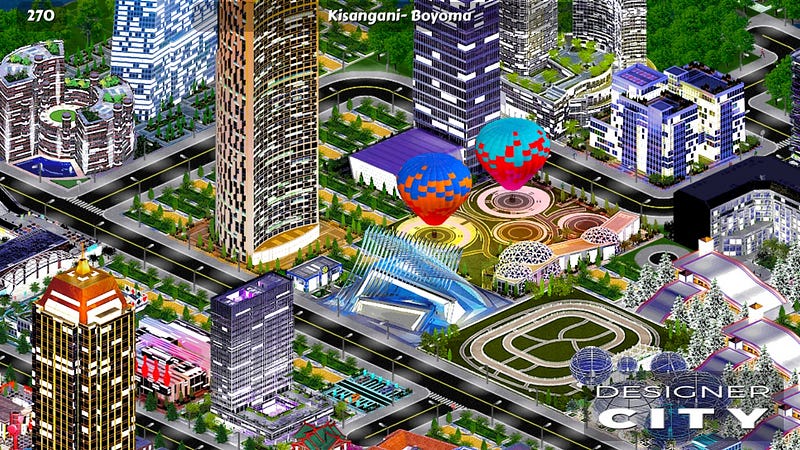
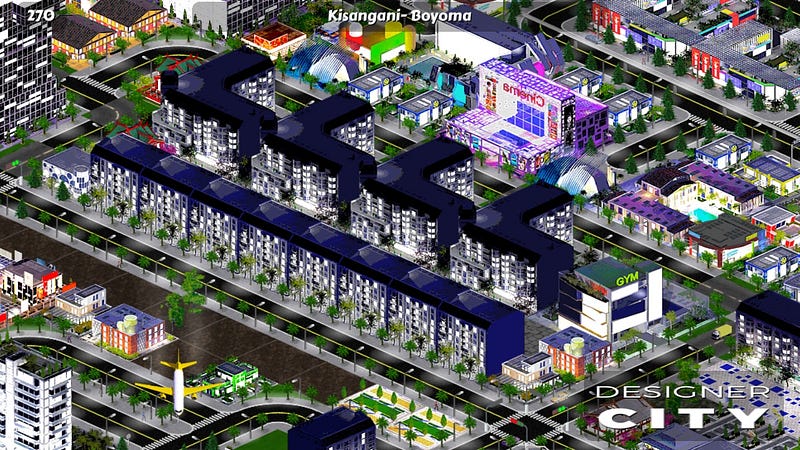
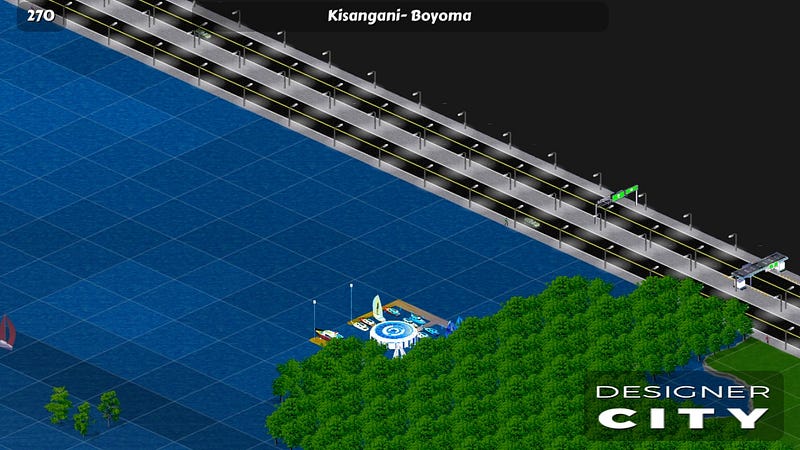
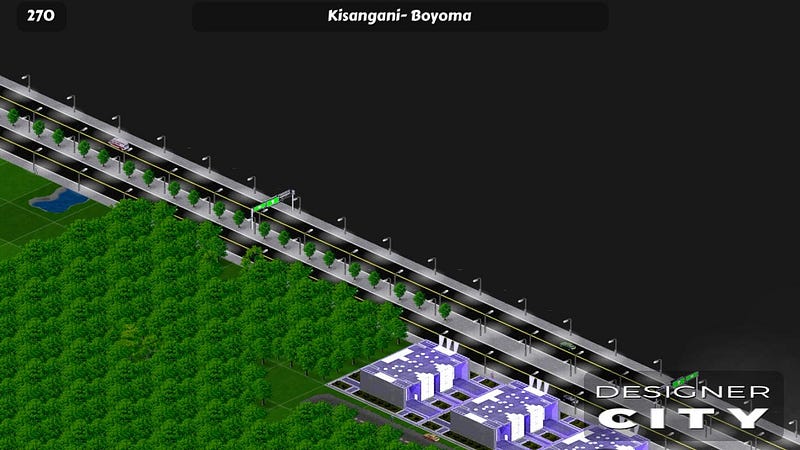
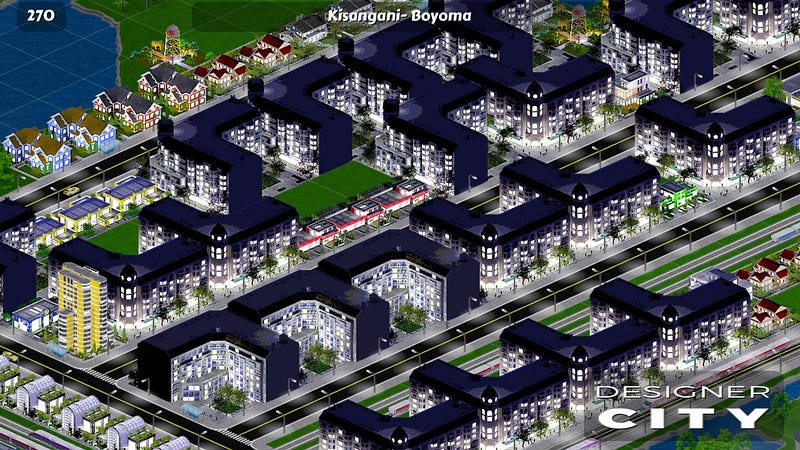
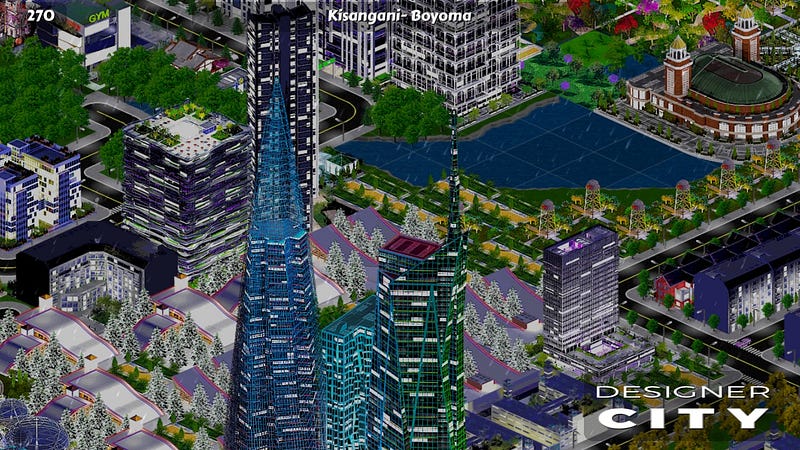
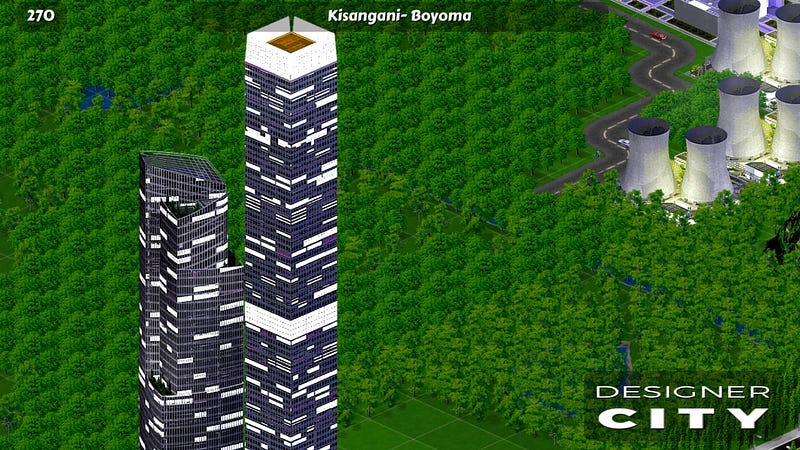
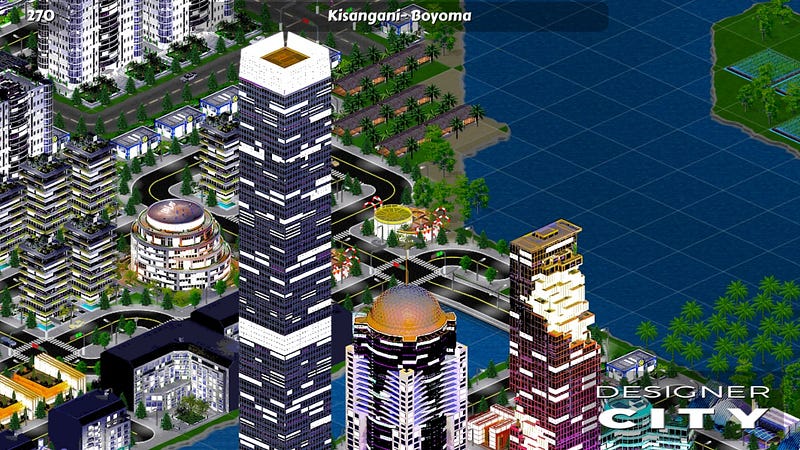
Kisangani has a rich history and cultural heritage, and it has played an important role in the development of the DRC.
To revitalize Kisangani, it would be important to invest in a wide range of areas, including infrastructure, education, healthcare, and economic development. This could involve building new roads, bridges, and other infrastructure to improve transportation and connectivity in the city, as well as investing in schools, hospitals, and other social services to improve the quality of life for residents.
Additionally, promoting economic development in Kisangani could help to attract investment and create new job opportunities in the city. This could involve supporting local businesses and entrepreneurs, as well as promoting tourism and other industries that could bring revenue to the city.
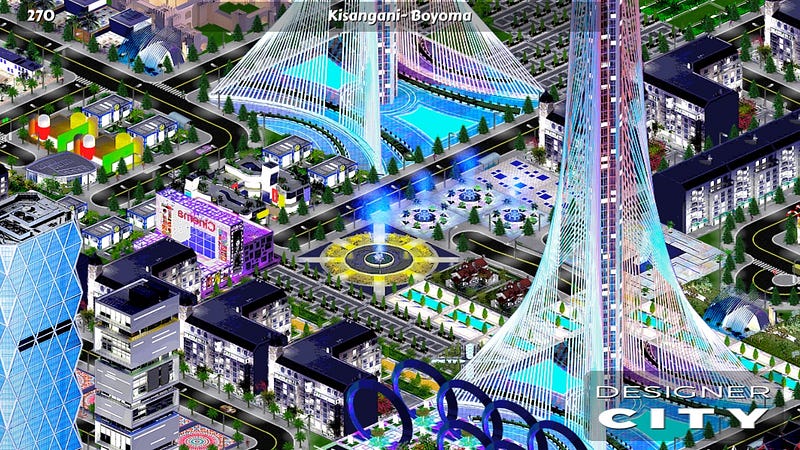
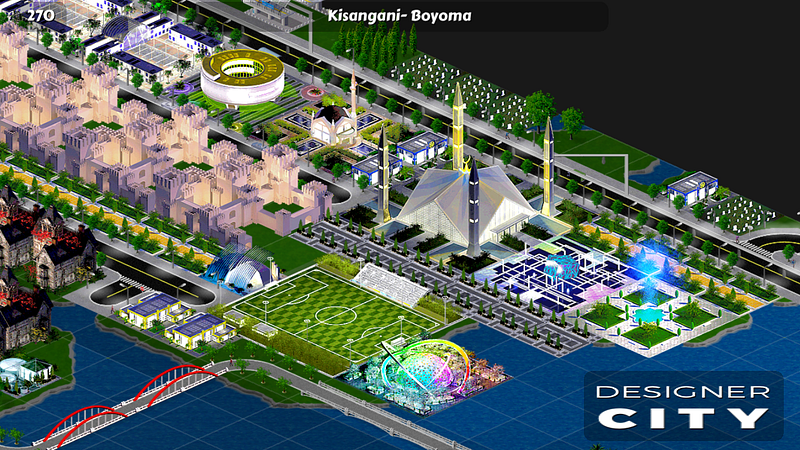
The Songolo Twin Towers and Wolverhampton Creek Towers sound like ambitious and impressive projects. If built, they would likely become iconic landmarks in Kisangani and contribute to the city’s economic development. The Songolo Towers would each be placed on each side of the bank of the Congo River. They would be the second tallest buildings in the city; around 590 meters tall. The Songolo Twin Towers would be home to restuarants from various African countries, banks, hotels, expensive apartments, Lidl, Aldi, and Nigerian supermarkets. Additionally, including supermarkets such as Lidl, Aldi, and Nigerian supermarkets could help to meet the needs of residents and visitors to the towers.
It would be important to ensure that the towers are designed to be sustainable, energy-efficient, and accessible to people of all abilities. Additionally, careful consideration would need to be given to the impact of the towers on the local environment
Including observatories and a museum dedicated to the Stanleyville Massacre would add cultural and historical value to the Songolo Twin Towers. The observatories could provide stunning views of Kisangani and the surrounding area, while the museum would serve as a reminder of the tragic events that occurred in the city in 1964.
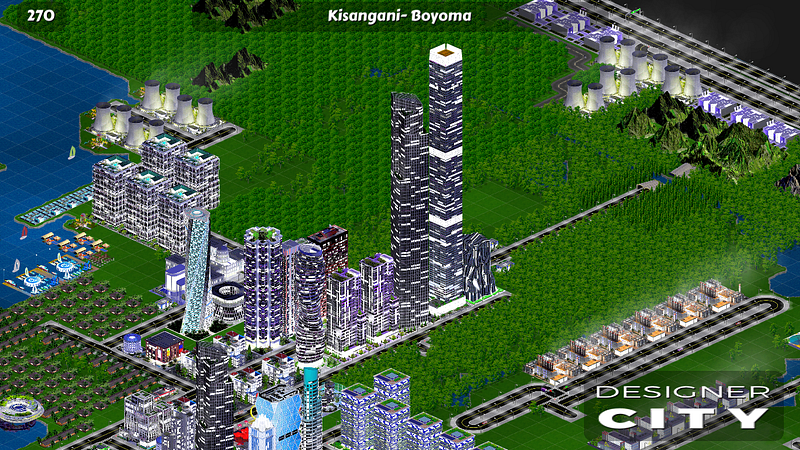
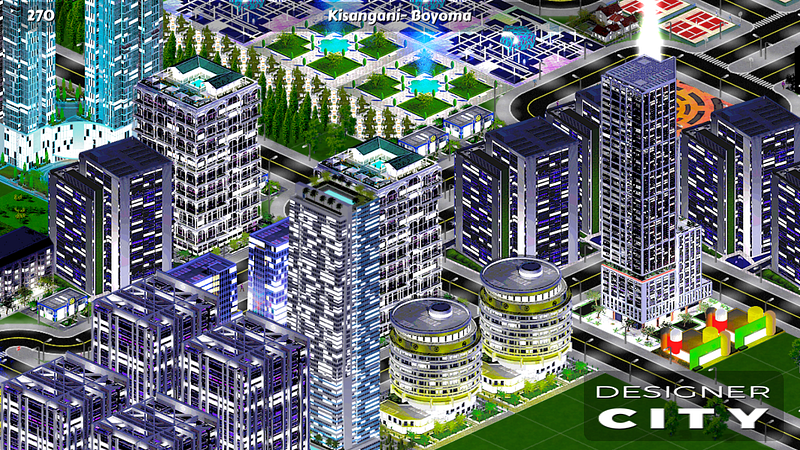
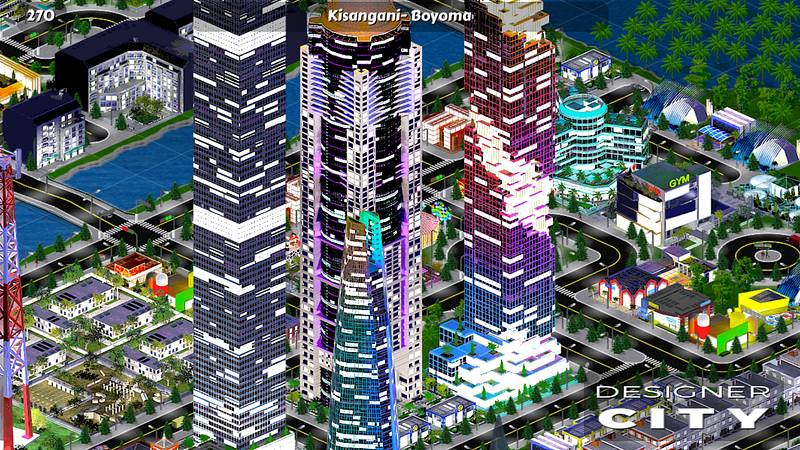
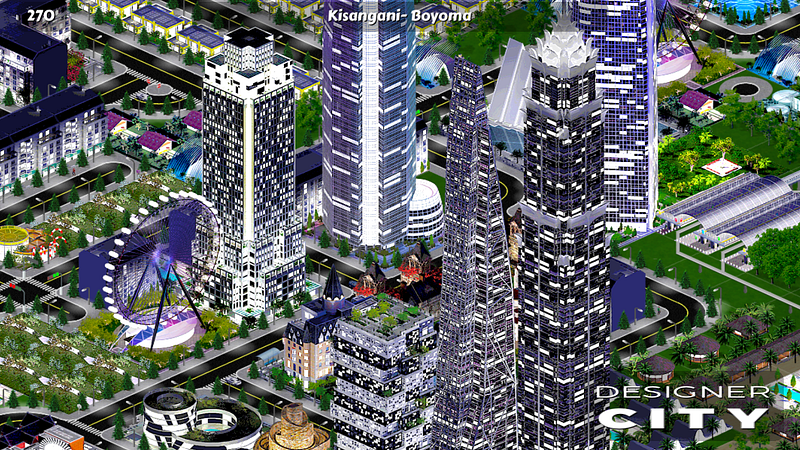
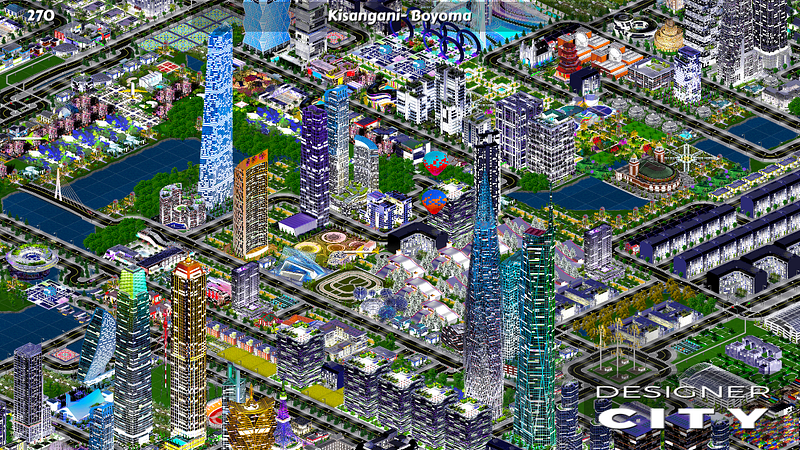
We would note that building a museum dedicated to the Stanleyville Massacre would require careful consideration and sensitivity. The event was a traumatic and tragic moment in the history of Kisangani, and it’s crucial that the museum is designed and curated in a way that respects the victims and their families. Additionally, building observatories would require careful planning to ensure that they are safe and accessible to visitors. It would be important to ensure that the observatories are structurally sound and designed in a way that minimizes the impact on the surrounding environment. The proceeds from the museum would go towards supporting the descendants of the victims of the Stanleyville Massacre. Additionally, providing job opportunities to descendants of the victims in the museum could help to create a sense of ownership and empowerment within the community. We would ensure that the descendants of the victims are involved in the planning and decision-making process for the museum from the beginning. This could involve working with community leaders and organizations to ensure that the museum is designed in a way that respects the history and heritage of the victims and their families.
In terms of height, 590 meters is approximately equivalent to 1,936 feet, while 610 meters is approximately equivalent to 2,001 feet. Both of these heights would make the proposed towers some of the tallest buildings in the world.
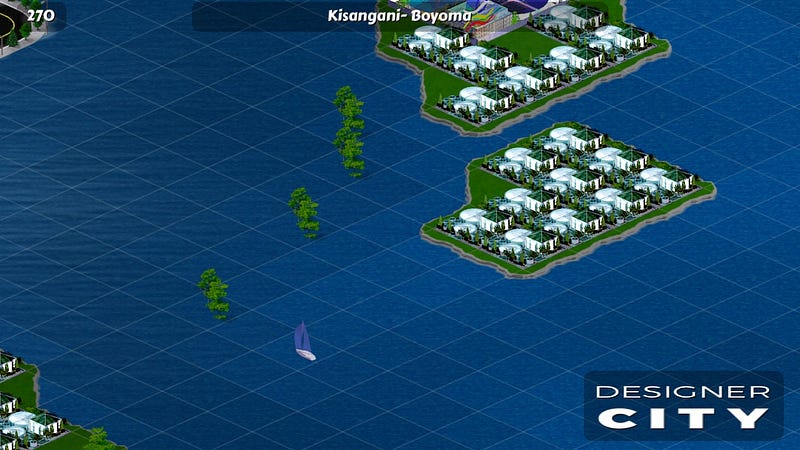
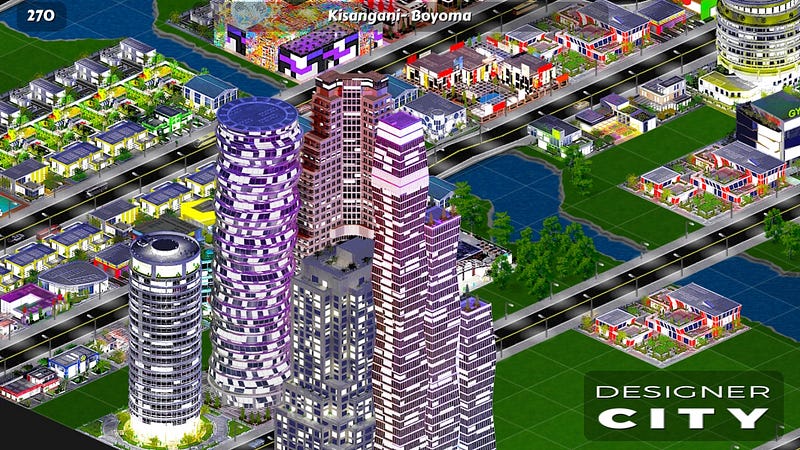
Gambling
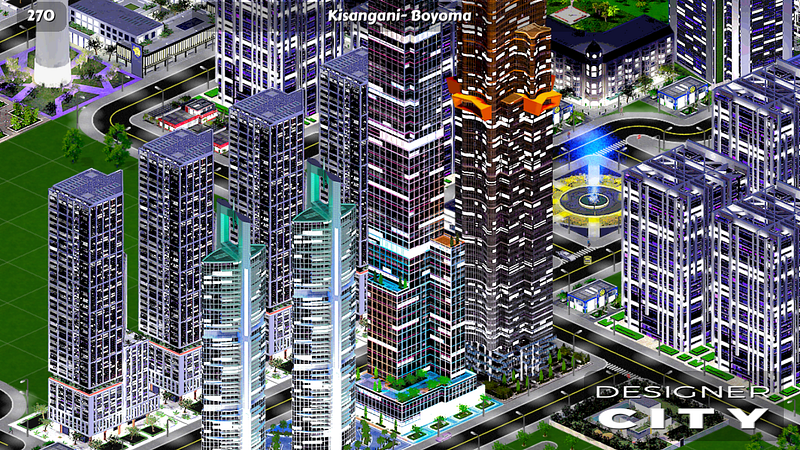
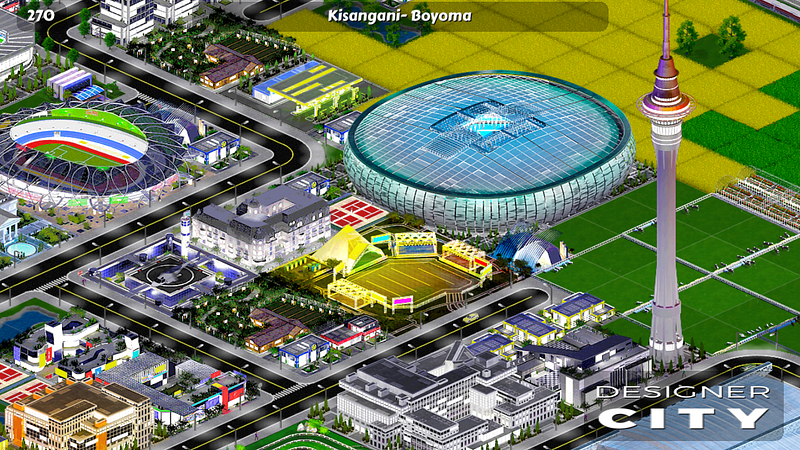
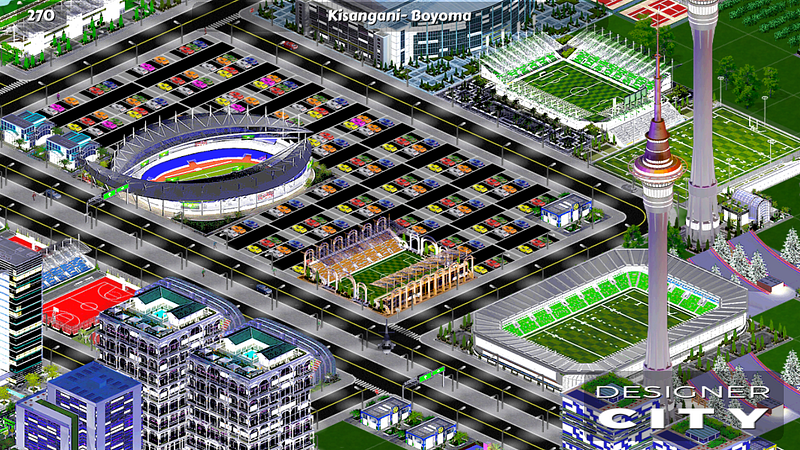
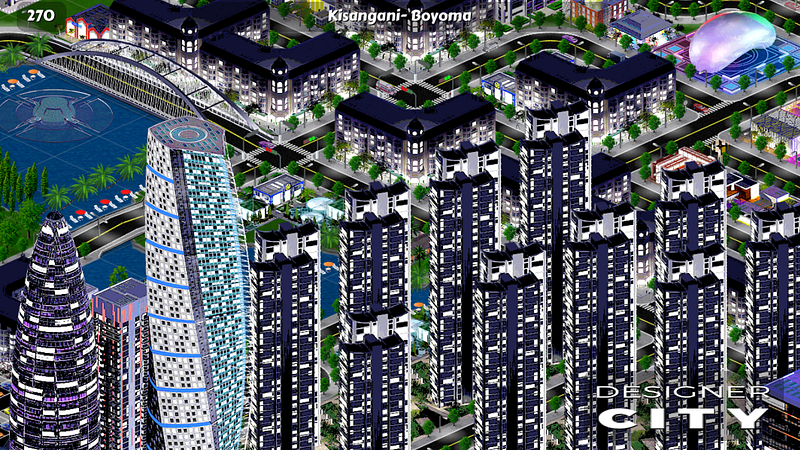
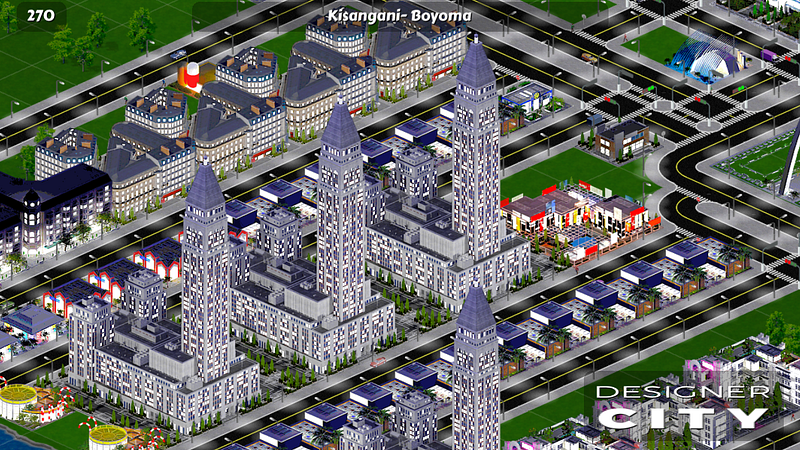
While gambling can be a source of entertainment for some people and can generate revenue for the city, it’s important to consider the potential social and economic impacts of a large-scale gambling industry in Kisangani.
One potential concern is the risk of problem gambling and addiction, which can have significant negative impacts on individuals and their families. It would be important to implement measures to promote responsible gambling and to provide support for individuals who may be at risk of developing gambling-related problems.
Additionally, it’s important to consider the potential economic impacts of a large-scale gambling industry. While it may generate revenue for the city, it could also have negative impacts on other industries and may not be a sustainable or equitable source of economic growth over the long term.
Overall, while a gambling industry could potentially generate revenue for Kisangani, it’s important to approach this industry with caution and to carefully consider the potential social and economic impacts. It would be important to implement measures to promote responsible gambling and to ensure that any economic benefits are sustainable and equitable over the long term.
A well-developed gambling industry could attract visitors from across Africa and beyond, which could benefit the city economically. If the city could develop a reputation as a top gambling destination, it could attract significant numbers of tourists and generate revenue for local businesses, including hotels and restaurants. However, as I mentioned earlier, it’s important to carefully approach the gambling industry and consider the potential social and economic impacts. While it may generate revenue for the city and attract visitors, it could also lead to social problems such as problem gambling and addiction. Additionally, it’s essential to consider the potential economic impacts of a large-scale gambling industry. While it may generate revenue for some businesses, it could also negatively impact other sectors. It may not be a sustainable or equitable source of economic growth over the long term. Overall, while a well-developed gambling industry could potentially bring economic benefits to Kisangani, it’s important to approach this industry with caution and to consider the potential social and economic impacts. It would be important to implement measures to promote responsible gambling and to ensure that any economic benefits are sustainable and equitable over the long term.
Squatting in the city would be punishable by huge fines, community service and imprisonment.
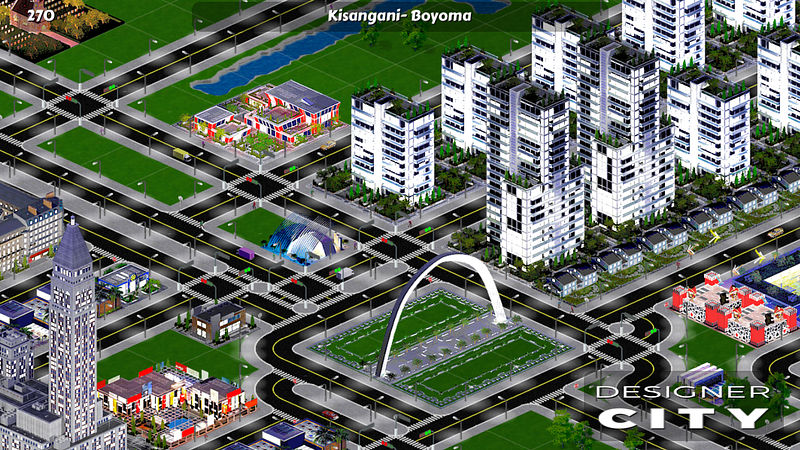
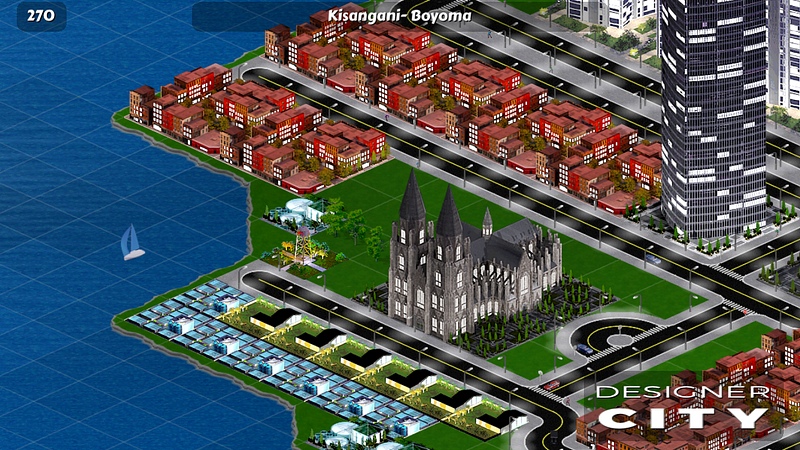
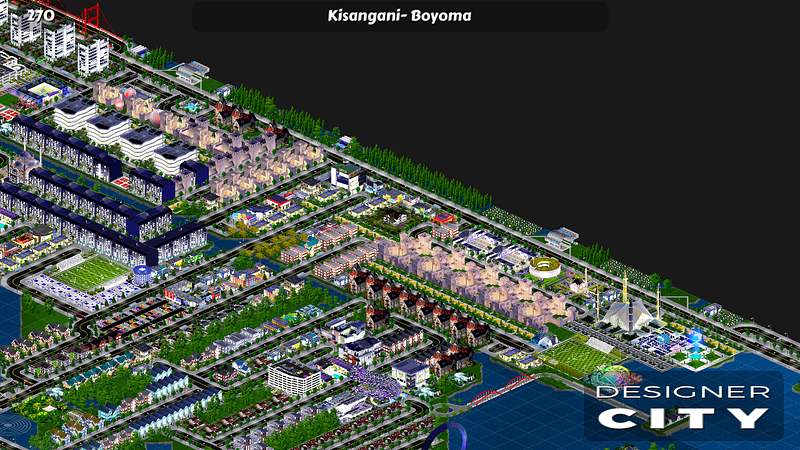
Squatting in Kisangani would be punishable by heavy fines, community service, or imprisonment. It would also be prohibited to sleep on the street in the city; given that human dignity is not for sale. Somebody would address issues like squatting and homelessness to promote public safety and protect all residents’ human rights and dignity. Policies or measures addressing these issues are fair, just and consider the root causes of homelessness and poverty.
. It’s essential to consider the broader social, economic, and political factors contributing to homelessness and poverty and to implement comprehensive solutions addressing these issues. Additionally, it’s crucial to ensure that any measures to address homelessness and poverty respect the human rights and dignity of all residents, including those who may be homeless or at risk of homelessness. This could involve working with community organizations and local leaders to develop policies and programs that promote access to affordable housing, healthcare, and social services.
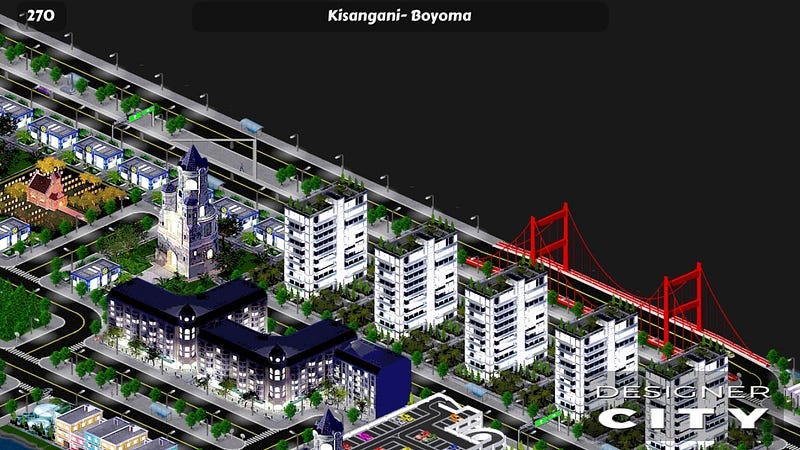
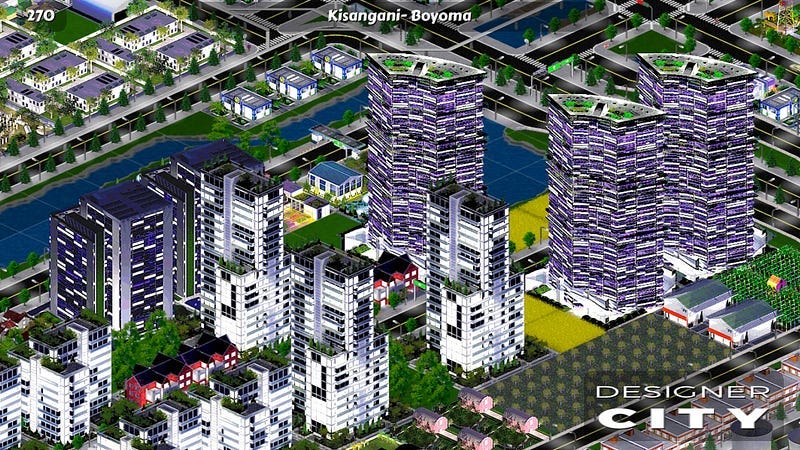
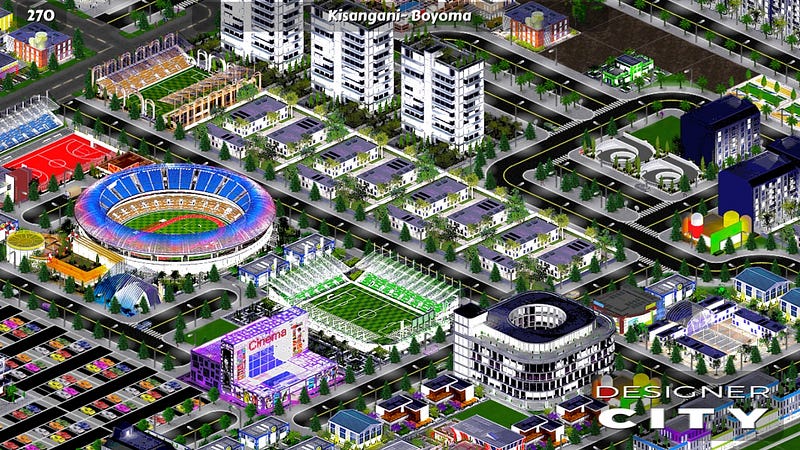
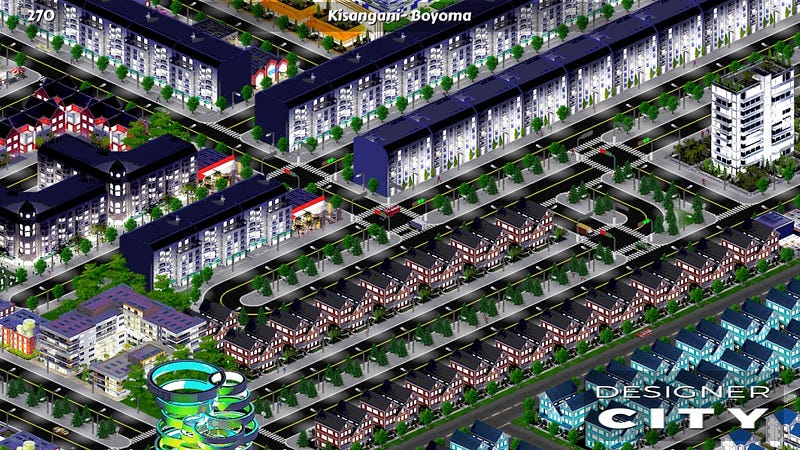
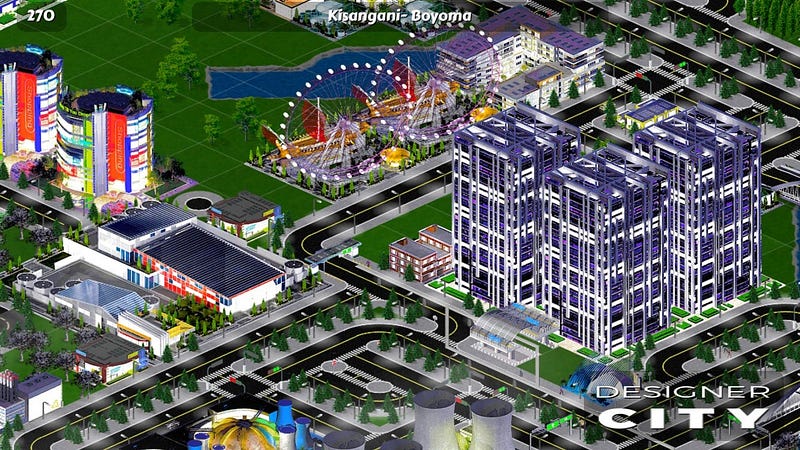
The Wolverhampton Creek Towers
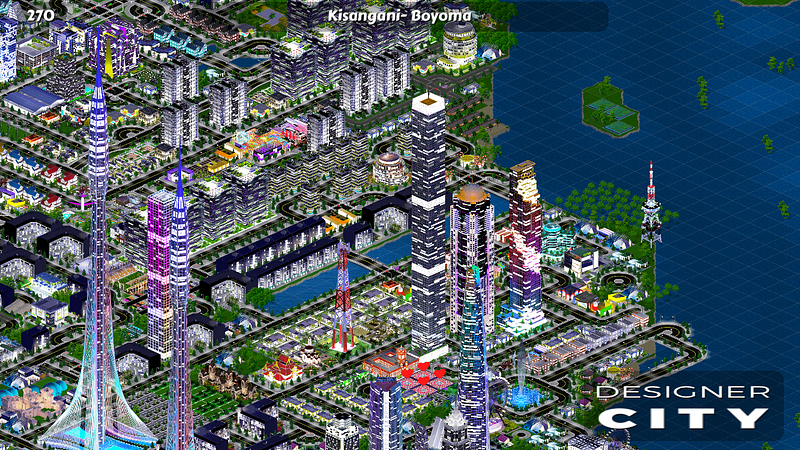
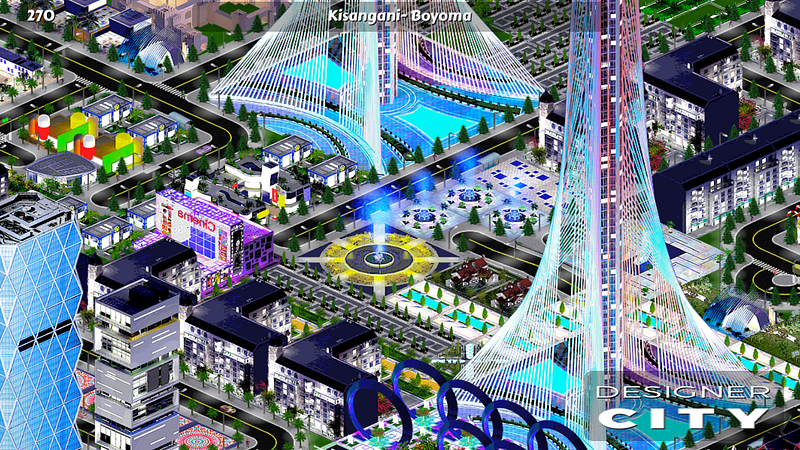
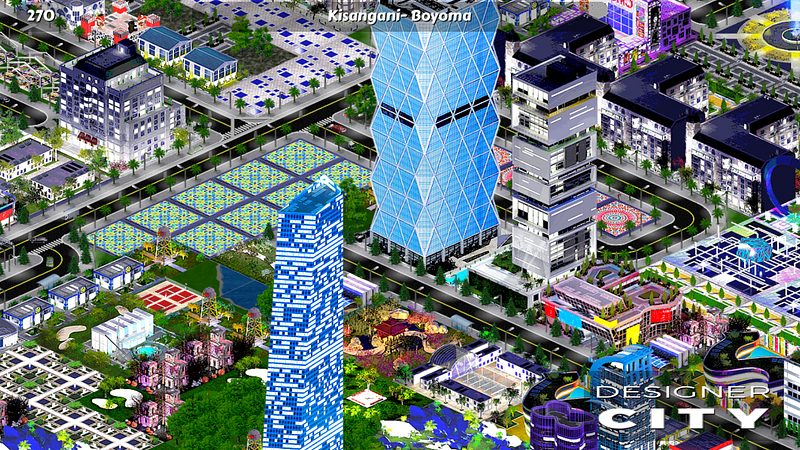
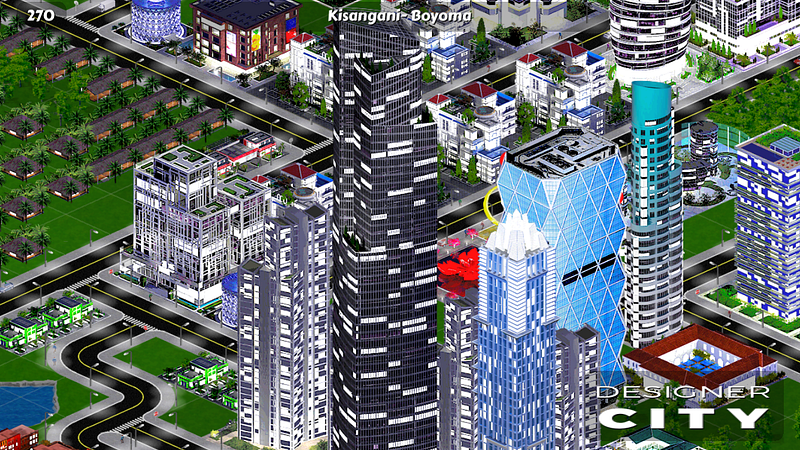
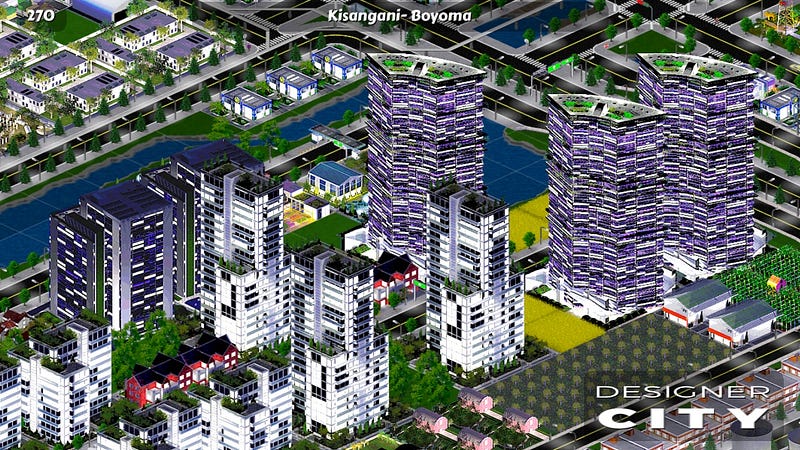
The Wolverhampton Creek Towers would be the tallest towers in Kisangani,and the rest of the Democratic Republic of the Congo: they would also be known as the Olenga Creek Towers, named after the General Nicholas Olenga. The Towers would be a main spot for those who support Wolverhampton Wonderers Football club, they will house a very large Wolverhamption pub. The towers would be 610 meters tall, commemorating the year Prime Minister Patrice Lumumba was assassinated, in 1961. The Wolverhamptom towers would resemble to Dubai Creek Tower.
The Wolverhampton Creek Towers, also known as the Olenga Creek Towers, sound like an ambitious project that could potentially become an iconic landmark in Kisangani. The proposed uses for the towers, including observation decks, a hotel, restaurants, shops, banks, and more, could help to create a vibrant and diverse community within the towers.
Incorporating a Wolverhampton pub and supporting Wolverhampton Wonderers Football Club could also help to create a sense of community and connection with the city of Wolverhampton, while the army security base and building control machines could help to ensure the safety and security of residents and visitors.
However, building such tall towers would require significant planning and investment, and it would be important to ensure that the towers are designed and constructed to high standards to ensure their safety and durability over the long term. Additionally, it would be important to ensure that the towers are designed to be sustainable, energy-efficient, and accessible to people of all abilities.
Including facilities for watching sports matches from different leagues could help to create a sense of community and add to the vibrancy of the Wolverhampton Creek Towers/Olenga Tower. Providing access to a wide range of sports events could help to attract visitors and residents with a variety of interests.
However, it would be important to ensure that the facilities for watching sports matches are designed and operated in a way that is safe and accessible to all visitors. It would also be important to consider the impact of such facilities on the local community, including potential noise and traffic concerns. This could involve working with local community leaders and organizations to ensure that the facilities are designed in a way that is appropriate and respectful.
However, it would be important to approach these facilities with care and sensitivity to ensure that they are successful and respectful of the local culture and community.
Overall, the Wolverhampton Creek Towers/Olenga Creek Towers project is an ambitious and exciting proposal that could potentially bring many benefits to Kisangani, including increased tourism and economic development. However, it would require careful planning and investment to ensure its success and sustainability over the long term.
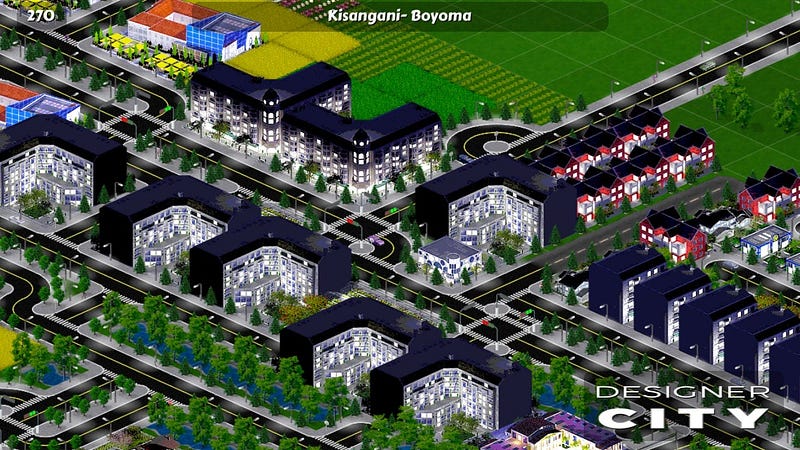
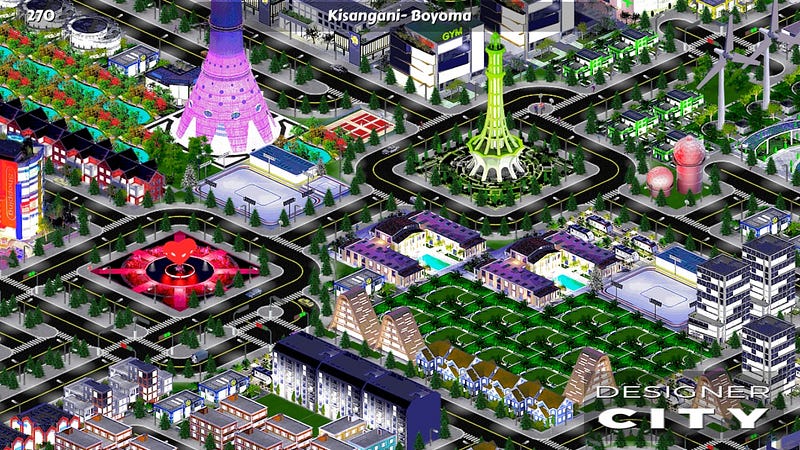
Kisangani’s large harbor and potential for modernization could make it a key economic hub in the DRC and the wider region. With modernization and development, the city could potentially attract significant investment and become a major financial center in the country, surpassing Kinshasa.
In addition, having two of the largest international airports in the country and possibly on the continent could help to increase connectivity and trade links with other countries, further boosting the city’s economic potential. This could create new job opportunities and spur growth in a variety of industries, including tourism, trade, and finance.
However, modernizing the city would require significant planning and investment. It would be important to ensure that the city’s infrastructure, including its transportation networks, is designed to be safe, efficient, and sustainable over the long term. Additionally, it would be important to consider the impact of development on the local environment and communities, and to ensure that development is carried out in a way that is respectful of local culture and traditions.
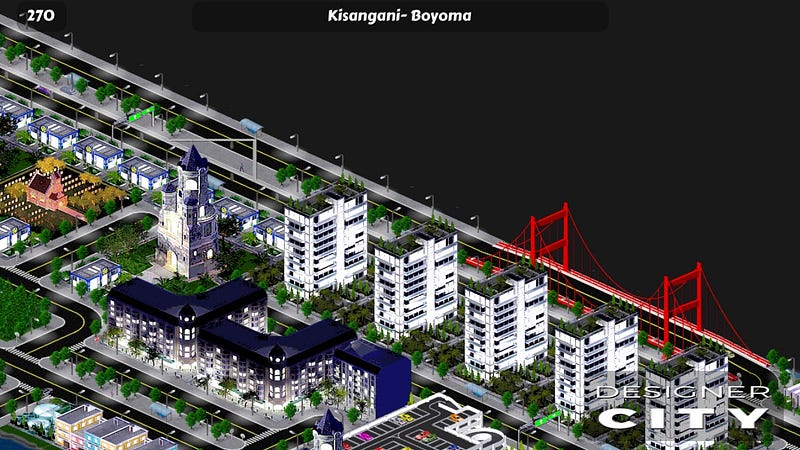
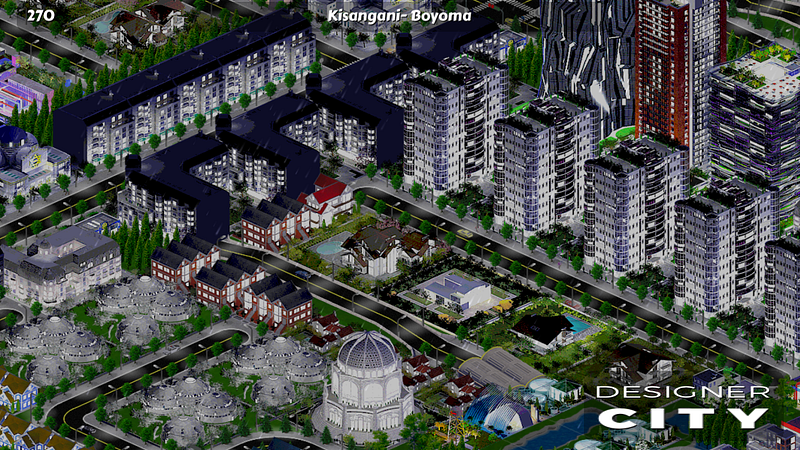
Overall, modernizing Kisangani has the potential to bring significant economic benefits to the city and the wider region. However, it would require careful planning and investment to ensure its success and sustainability over the long term. Kisangani would end being divided into 46 communes: 1. Kinsangani/Stanleyville; 2. Mangabo; 3. Tshopo; 4.Mikiso; 5.Lubunga; 6.Kabondo; 7. Hedergaard; 8. Pondley; 9. Ecuatofog; 10.Boyoma; 11.Wagenia; 12.Mulele; 13. Gbenye; 14. Nasser; 15. Olenga; 16. Rosswywvren; 17. Bridgedge; 19.Simi-Simi; 20. Lubudi; 21.Mbakata; 22.Rosengaard; 23.Gelerup; 24.Wiesel; 25.Tolenga; 26.Mwamba; 27. Rajeshawar; 28. Mpolo; 29. Okito; 30. De Witte; 31.Lazarevac; 32. Belgrade; 33. Kennedy; 34. Lemkin; 35. Memphis; 36. Bergamo; 37. Rietfontein; 38. Villeria; 39. Sankara; 40. Lualaba; 41.Streford-End; 42.Arsenal; 43.Deepview; 44.Bosembo; 45. Kaepernick; 46. Chapelle. Each commune would have its own unique characteristics, identity, and challenges, so any project to modernize Kinsangani’s transportation system would need to take into account the needs and concerns of residents in each area.
Besides these communes(municipalites); one has to also include the entire metro area that would consist of many cities, towns, villages, and inner cities(townships), outside the main city. This would make Kisangani have one of the largest metropolitans in Central Africa. 100% of Metropolitian Kisangani would have acces to basic needs; including electricity and tap water. You wouldn’t be allowed to live in this metropolis for long if you didn’t have access to electricity and tap water.
It’s would be essential to address issues such as littering and neglecting to flush public bathrooms to maintain a clean and healthy environment for residents and visitors. Implementing penalties such as community service and fines could discourage these behaviors and promote responsible waste management. However, it’s vital to ensure that penalties are fair and proportionate to the offense and do not disproportionately impact marginalized communities. Additionally, it would be essential to provide education and resources to help residents understand the importance of proper waste management and to encourage them to take responsibility for their actions.
In cases where violations are serious or repeated, consider more severe penalties, such as a few months in jail, as a last resort. However, it’s essential to ensure that any penalties are designed to promote a mindset shift and encourage long-term behavior change rather than simply punishing offenders. Addressing issues such as littering and neglecting to flush public bathrooms is essential to creating a clean and healthy environment in Kisangani. However, any penalties or consequences should be designed carefully to ensure that they are fair and effective at promoting responsible waste management and behavior change.
Kisangani/Stanleyville would also end up having various consulates from various countries in Africa and a the rest of the world. It would be the richest city in Central Africa, which would have a GDP, supperseeding the ones of countries such as Uganda, Kenya, Tanzania, the Republic of the Congo, Mozambique, Bulgaria, Ukraine, and Laos. If Kisangani were to become a major economic hub and attract significant investment, the city could host various consulates from countries in Africa and around the world. This could increase the city’s international profile and create new diplomatic and economic opportunities. In addition, if the city were to experience significant economic growth and development, it could have a GDP that exceeds that of some countries, as I have mentioned. This could create new job opportunities and spur growth in various industries, which could positively impact the city and the wider region. It is crucial to ensure that the city’s infrastructure, including its transportation networks, energy systems, and waste management facilities, are safe, efficient, and sustainable over the long term.
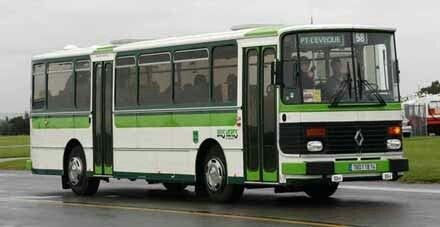
Airports
Kisangani would have gotten two of the country’s largest airports, possibly even on the continent. It would also be the only place on the continent to fly to Cordoba and Rosario, in Argentina. From the city, you would be able to fly almost anywhere in China, India, Brazil, Malaysia, Singapore, Egypt, South Africa, Russia, Serbia, Montenegro, Morocco, Sweden, Norway, Germany, Romania, Portugal, Angola, Albania, Chad, Canada, Senegal, Denmark, the Netherlands, Belgium, Greece,Bolivia, the Ivory Coast, Cyprus, Britain, Ethiopia, Kenya, Zambia, Nigeria, Tunisia, Turkey, etc.Having two of the largest airports in the DRC and possibly on the continent could potentially increase connectivity and trade links with other countries, which could have significant economic benefits for Kisangani and the wider region and the rest of the country. Additionally, offering flights to a wide range of destinations across the world could make Kisangani a more attractive destination for tourists and business travelers. This could involve investing in modern infrastructure, implementing effective security measures, and ensuring that the airports are accessible to people of all abilities.
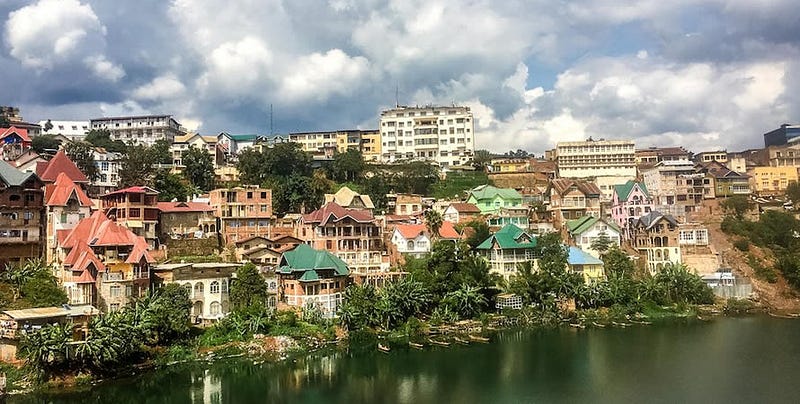
Overall, the development of Mbujimayi, Bukavu, Kisangani, and Kinshasa would have ripple effects on the rest of the DRC, including in Matadi, Boma, Mbandaka, Gbadolité, Banana, Moanda, Lubumbashi, Likasi, Bandundu, Goma, etc.: Economic growth and development in these cities could potentially create new job opportunities and spur growth in a variety of industries, which could have positive impacts on surrounding communities and regions.
Additionally, the development of major cities could help to improve infrastructure and transportation networks, which could increase connectivity and trade links between different regions of the country. This could create new economic opportunities and promote development in previously underserved areas. It would be vitto prioritize investments in social services and infrastructure, such as healthcare, education, and transportation, to ensure that all residents have access to the resources and opportunities they need to thrive.

If the DRC were to experience significant economic growth and development, it could potentially reduce the number of people who feel compelled to immigrate to other countries in search of better opportunities. Additionally, it’s possible that some Congolese expats may choose to return to the country if they see new opportunities for growth and development.
However, it’s important to recognize that returning expats may face challenges in adjusting to life in the DRC, and there may be tensions between them and local residents. It’s important to ensure that all residents, whether they have stayed in the country or are returning from abroad, are treated with respect and are given equal opportunities to participate in the country’s economic and social development.
Additionally, it’s important to recognize that some Congolese expats may have left the country due to political instability, violence, or other factors beyond their control. It’s important to approach their return with sensitivity and to provide support to help them reintegrate into society.
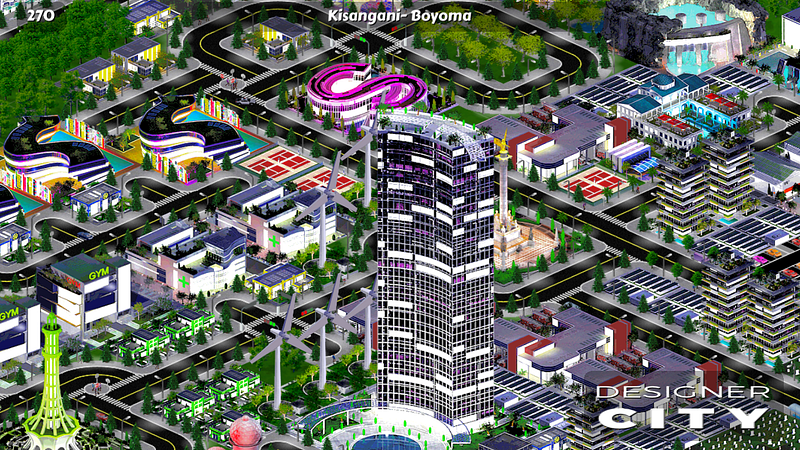
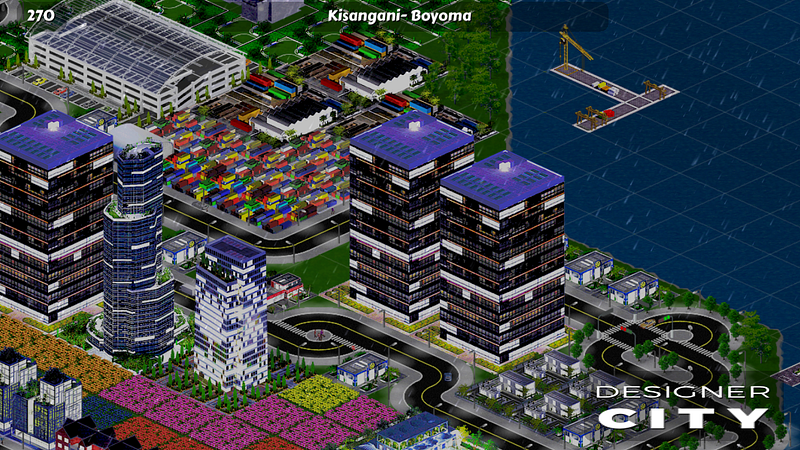
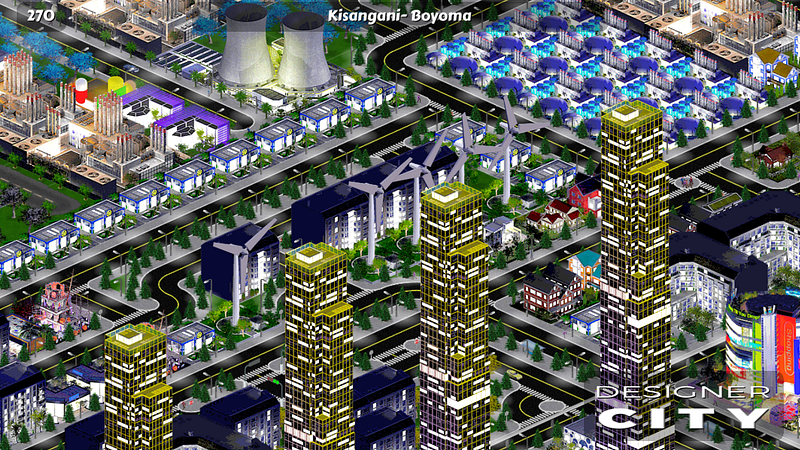
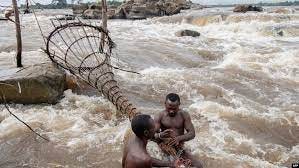
If Kisangani were to experience significant economic growth and development, it’s possible that this could have positive impacts on the Wagenia tribe and their traditional fishing practices. A fishing festival could potentially attract visitors and generate revenue for the local economy, while also promoting awareness and appreciation for the Wagenia tribe’s cultural traditions.
However, it’s important to ensure that any development is carried out in a way that is respectful of the environment and the cultural traditions of local communities. It would be important to work closely with the Wagenia tribe and other local stakeholders to develop policies and programs that promote sustainable fishing practices and preserve the cultural heritage of the community.
Overall, the development of Kisangani could potentially have positive impacts on the Wagenia tribe and their traditional fishing practices, but it’s important to approach this development with care and consideration to ensure that it is sustainable, respectful, and inclusive of all members of the community.
Bukavu
Why Am I not sharing this idea with other Congolese individuals?
I don’t because complaining without taking action to address the issues at hand can be unproductive and even harmful. Engaging in constructive dialogue and working together to solve the country’s challenges is essential. This is a huge problem with most members of Congolese society and diaspora alike: Laughing at those working to make a positive difference is discouraging.
It’s essential to respect the efforts of those working towards positive change, even if we disagree with their approach or ideas. I don’t share this idea with some Congolese people because there are individuals who would see me as mentally ill, retarded, Eurocentric, and a man with too many illusions. Some even believe that the DRC is better off being poor and dirty than being modernized and having a Eurocentric mentality. I care about the future of the DRC because I have some of my roots in that country. I want to contribute to leaving a better DRC for my future children and their children, but this is the only way for me to do it; through this blog because I don’t trust most of the people who share my origin. The problem with the Democratic Republic of the Congo, the Republic of the Congo, and most countries in Sub-Saharan Africa is that we produce warlords who are much more committed to enriching themselves and their surroundings than being interested in improving the lives of their own citizens: We don’t ask ourselves questions about aspects of our cultures that are holding us back from creating respectable societies.
We don’t ask ourselves questions about aspects of our family values and societal gatherings that are holding us back from taking actions that would transform our impoverished nations into First World countries. It is always about blaming the White man, the Chinese man, the Indian man and other groups of people for our failures in life, without realizing that most of us take courses of actions that are self-destructive. When we are confronted about our courses of actions, we cry imperialism, slavery, colonialism, racism. When others don’t raise concerns about these matters, we complain that they don’t care about us. The Democratic Republic of the Congo, the Republic of the Congo and most of Sub-Saharan Africa anger me a lot: If we wanted to develop quickly, we would spend our energy in making it a priority above anything else; we would be determined to overcome the obstacles that would have stood in our way, collectively. It is embarassing that we are deeply childish in our ways of viewing religion, life, finances, and family values to the where we lack winning mindsets to topple those whom we once saw as our oppressors, through hard work and determination.
For the last seven decades, many Sub-Saharan African economies; including the Democratic Republic of the Congo have been declining; in addition, we are the ones doing most of the work concerning disrespecting our own race. Has anyone wondered why most Sub-Saharan African countries have never succeeded in uplifting themselves from economic doldrums for the last seven decades? We are still cowards to the point where the only song we keep singing is blaming colonial powers for our problems. We are not mature enough to rule ourselves; IMO, we deserve to be governed by others because our way of thinking has gotten us to the circumstances this continent has been dealing with for a while. Our weaknesses make us vulnerable for manipulation: we spend time joining gatherings where we are more focused on hearing irrelevant ever-lasting conversations about other people’s live than thinking of ways to use those gatherings as venues to inspire each other and our children to be wealthy by understanding financial literacy and how money works. Instead, we are too busy wasting our energies in African gatherings by drinking, dancing, eating a lot and talking about who they went out with. Who was going out with a white man / woman. Why is Roderick not married yet. Who is going out with a Black man / woman from another nationality/tribe. Who is LGBTQ and why they’re abnormal.Why is Nadège possed by the devil. Why does Mary have demons. How George became a witch. Roderick is too Eurocentric. Why Coloreds don’t like Black people, etc. I have never understood the idea that criticizing someone else’s life and their choices is seen as a past time in Congolese society, and societies across Sub-Saharan Africa. Instead of using gatherings where we meet to talk about plans and actions we could take to leave a better Democratic Republic of the Congo, Republic of the Congo, Kenya, Nigeria, Ghana, Burkina Faso, Senegal, Liberia, Sierra Leone, Sudan, Zambia, South Africa, etc., for our children and their children — we are too busy wasting our precious energy on minding other people’s lives. This is why many Coloreds(people of multiracial descent) think that we are too irrational. This is why no one around the world; not even Black people from the diaspora don’t respect us.
Am I optimistic about the future of the DRC?
No, I am not optimistic about the future of the Democratic Republic of the Congo, the Republic of the Congo, and most of Sub-Saharan Africa: we sell our bountfull resources for a song and grumble about injustices that we’re not willing to combat; especially when it comes to innjustices amongst us. We are aware that if the Western world pulls out foreign aid and food programs, we would have starved to death because we haven’t produced experienced individuals worthy of being trained farmers that have what it takes to feed their populations. We have made a choice as a societies to allow the continent’s natural resources to be extracted without benefitting populations that are citizens of various lands there. Corruption has become a way of life for societies withing the continent and Haiti to survive. We have failed to manage our politics and societal affairs to the point where it leads to turmoil: Days become weeks; weeks become months; months become years; years become decades; decades become centuries, and we’re still at the bottom of the hierarchy because we are acting like a bunch of of tribal dark-skinned losetards.
We are still waiting for divine intervention to change all of our circumstances because our mindset is all about not doing anything for ourselves. I want to see at least 11 predominantly Black countries have the same standard of living, relative to the United Arab Emirates and Baharain, and where no one lives off less than $2.90 a day. I want to see many predominantly Black countries implement the principles of the Industrial Revolution and thrive as if their lives depend on on it. I want to see lots of Black scientists and Mathematicians be canditates to the Nobel Prize for Chemistry, and other scientific areas — not just for us, but for the rest of humankind. This is why I am very hard; this is why I want to see us succeed because we are the only ones standing in our own way. Despite the DRC’s independence, on June 30, most of us aren’t that self-aware to the point where this is setting us for failure. Those of us who come from many Sub-Saharan African countries and Haiti are not questioning our own failures and unwillingness to change lots of things that are going on in most of our countries. The truth is that we are governing over 50 countries around the world, almost each one of them is dysfunctional — thanks to corruption, wars, war crimes, tribalism, and our willingness to stick to our ancestral spiritual and cultural paradigms that are not contributing positively to the progress of our societies. We are our worst oppressors; not others from various racial backgrounds: In most predominantly Black countries, governments oppress their own citizens; citizens oppress each other through ethnic and religious lines, and the vicious cycle goes on. If you see me as a sell out because I want to to see the Democratic Republic of the Congo, the Republic of the Congo and other predominantly Black countries to break away for cycles that are keeping us from from setting ourselves free from a poverty mindset and transform our dysfunctional societies into Second or First countries, it’s not my problem. I wish I could be optimistic, but I see no future for the DRC because my way of thinking doesn’t line up with Congolese society.