
This Is A Very Effective Way To Treat Addiction — Iboga
My Experience

Non-members can read the full story here.
In a world that seems to want to poison us, where processed food has little to do with real food anymore, people living in larger cities in Western civilization often suffer from a variety of sicknesses that could be linked to inflammation and/or parasites in the body, as recent research shows. Our reality is increasingly harder to accept, and many people try to escape with drugs that destroy our well-being, like alcohol (mostly accepted but very dangerous) and heroin.
When you become aware that you have an addiction problem and want to quit whatever substance you’ve become addicted to (nicotine, alcohol, heroin, cannabis, etc.), it’s often not that easy to quit because even if your mind is clear with the intention, your body is still addicted and wants the substance that you used to regularly provide.
For every Sickness, there is a Plant. — Hippocrates (460–370 BC)/Paracelsus (1493–1541)/Me
This is where Iboga comes in. Iboga is a plant medicine and psychedelic substance that can assist you in overcoming your addiction in a couple of weeks.

What is Iboga?
Iboga is the root bark of the Tabernanthe iboga plant, native to Central Africa, particularly Gabon and Cameroon. It has a long history of use in traditional rituals and ceremonies, and has recently gained attention for its potential therapeutic properties.
- Scientific name: Tabernanthe iboga
- Family: Apocynaceae
- Active ingredient: Ibogaine
Iboga has a long history in traditional practices in the Bwiti tribes. Iboga holds promise for therapeutic applications, particularly in treating addiction to substances like heroin, alcohol, nicotine, and others. Moreover, it shows potential in managing conditions such as depression, anxiety, post-traumatic stress disorder (PTSD), and chronic pain.
Good to know about Iboga
- Ibogaine acts on various neurotransmitter systems, including NMDA, dopamine, and serotonin.
- It may help to reset the brain’s reward system, reducing cravings and the reinforcing effects of drugs.
- It may also have neuroprotective and anti-inflammatory effects.
- Research is ongoing to investigate its safety and effectiveness for various conditions.
- Ibogaine therapy should only be administered under the supervision of a qualified healthcare professional due to potential risks and side effects.
- Ibogaine can cause side effects such as nausea, vomiting, dizziness, and in rare cases, more serious complications like heart problems.
- It is illegal to possess or use iboga in some countries.
Iboga Use in the Bwiti Tradition
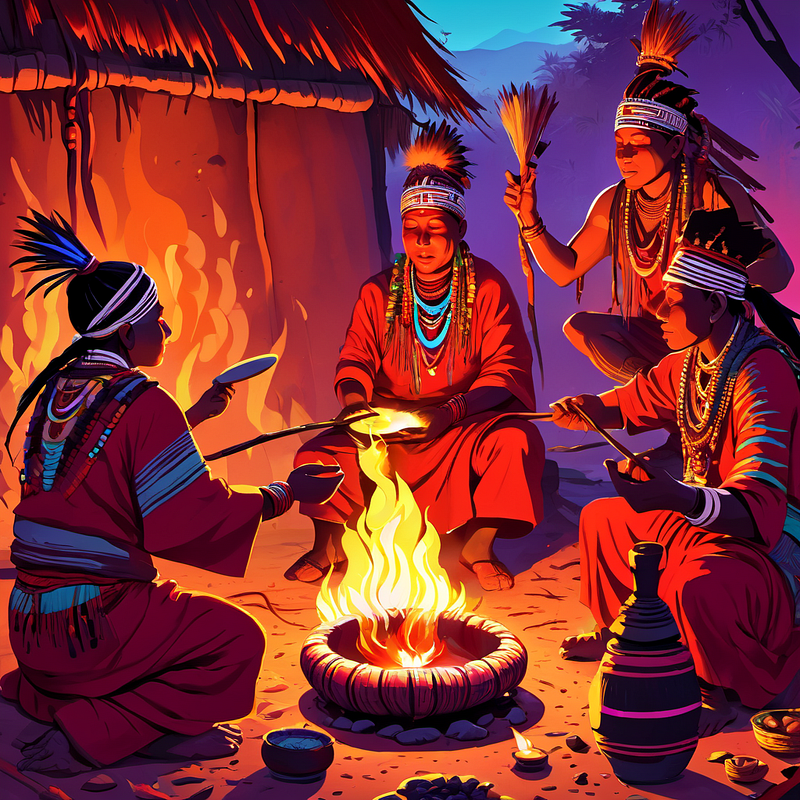
The Bwiti, a Bantu ethnic group primarily located in Gabon, have used iboga for centuries in their religious and spiritual practices. Iboga plays a central role in Bwiti initiations, ceremonies, and rituals, serving various purposes:
During initiation into the Bwiti faith, individuals consume large doses of iboga (flood doses) to induce intense visions and a profound spiritual awakening. These visions are believed to offer guidance, connect the individual with the spirit world, and reveal their spiritual destiny.

Microdoses:
- Treatment of Illness: In addition to flood doses, the Bwiti also utilize microdoses of iboga for medicinal purposes. These smaller doses are believed to stimulate the immune system, alleviate pain, and promote healing.
- Mental Clarity and Focus: Microdoses are also used to enhance mental clarity, focus, and concentration during ceremonies and rituals.
- General Well-being: Some Bwiti members incorporate microdoses into their daily lives to promote overall well-being, mental balance, and energy levels.

Please research the legality or illegality in your country, as it varies quite a bit. Thanks.
My Experience with Iboga

A few years back, I dared to try Iboga. My goal was to shift some habits — like eating healthier, ditching white sugar, and ending my nail-biting habit. I first heard about Iboga during an Ayahuasca weekend but wasn’t initially eager to try it. However, a year later, I felt a pull towards it and decided to give it a shot.
The Iboga flood dose weekend was quite intense for my body. I got my heart, kidneys, and liver checked beforehand — an essential step before diving into this potent plant medicine treatment. I’d rather not talk about the trip itself this time; I’d like to focus on what occurred after this cleansing treatment.

Following a day or two of recovery, my body felt better than ever, and gradually, my diet transitioned into the healthy, organic one I maintain today. With clear intentions, the post-flood dose work felt great. Iboga, in my view, is simply a tool that can assist in reaching your goals, notably impacting neurofunction. It significantly eased the changes I sought, elevated my overall awareness, and even deepened my meditation and yoga practice.
I microdosed Iboga afterward, aiding the entire process. Unexpectedly, I completely quit alcohol during this phase — despite not planning to — and I wouldn’t have considered myself an alcoholic. It just no longer felt right. I also managed to reduce my intake of white sugar and milk chocolate, eventually stopping my nail-biting habit (not immediately but gradually).
I genuinely hope that Iboga receives more attention and research in the future. It worked for me, and I’m considering doing it again.
Disclaimer: I am not a doctor. This is not health advice. Please do your own research. Thanks.
Big virtual hug!
Namasté
Alina
Follow for more on Medium and subscribe here. Check out my Linktree here.


