
This Is a Piece on Habits
“And once you understand that habits can change, you have the freedom and the responsibility to remake them.” -Charles Duhigg
I have been toying with the idea of writing this piece for quite a while. I had written a piece on habits before and knew I was going to give a fresh perspective from that given here.
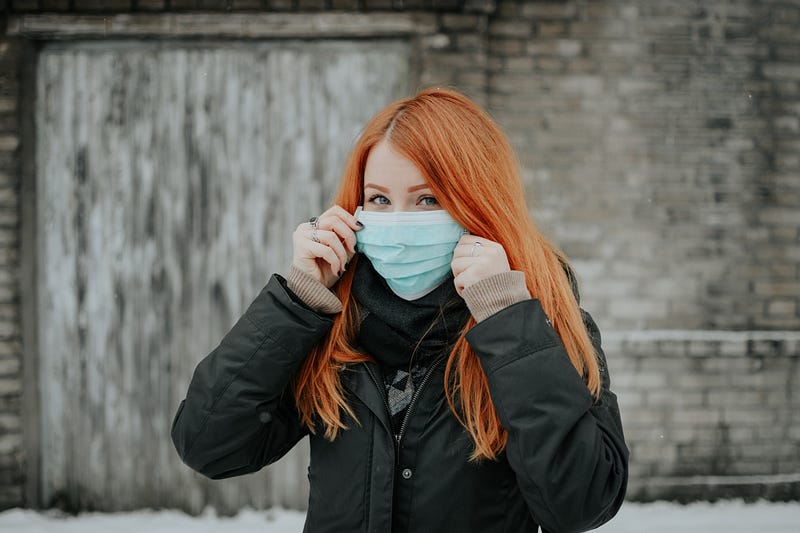
Some weeks ago, I traveled back home. It’s been an interesting trip so far. However, I must confess that my environment is affecting the habits I had developed in North America. I am referring to social distancing and mask-wearing. Covid-19 had struck while I lived there, and the authorities were emphatic about individual and collective safety.
On this trip, I have traveled to about four cities in a country in West Africa. Of the four, only one showed the residents had a significant consciousness of social distancing and mask-wearing. Even within one city, there were variations. There were some vaccine collection centers. At entrances of certain organizations like banks and some churches, there were temperature checks. There were places you walked into and you clearly saw signs for spacing people out. There were enforcers to ensure you stay put. I have a thing for hand washing and so my favorite part was seeing wash-hand basins mounted at key entrances. Other entrances had hand sanitizers. There were other places you walked into and you saw those signs, but they were not enforceable. For instance, people weren’t being fussed about how to wear masks properly. This is like the behavior I spoke about in the story below. Based on personal experience, one needs reminders for some habits to develop and stick.
Finally, there were places like open markets where no rules appeared to exist. It’s like there was no global pandemic. There was no social distancing, no mask-wearing, nothing. I couldn’t but wonder if people had eternal immunity to covid-19 because of the lavish supply of sunlight. Had they received the vaccine and were banking on it to do all the work? Were we dealing with a case of misinformation or no information? It was business as usual. In fact, if you were wearing a mask, you looked abnormal. Hopefully, you wouldn’t pass out from a heat stroke, in which case the next mask you would need is one for resuscitation.
Of the other three cities, the consciousness of covid-19 was even lower. Yes, you and your mask-wearing comrades looked odd in the crowd. Then you walked into buildings with no safeguards at entrances or signs of social distance inside. If you thought about socially distancing yourself, you either looked for an area where people decided not to sit or stand or you just stayed put outside. Of course, people were standing or sitting beside each other with no gaps. To top it all, people would shake and hug each other happily. When you referred to covid-19, you might hear something like: “There is no covid here.” Everyone seemed well and hearty.
After spending about 2 weeks here, I started losing my consciousness of covid-19. I still washed my hands dutifully. That wouldn’t change. I had no news updates on covid-19, so it was hard to know the current status of the pandemic. The sort of news that greeted me was of local mobsters burning government establishments. Another was of herdsmen killing people mercilessly. Sometimes, all you wondered is if you were next.
After a while, I returned to the first city and covid-19 safety protocols were still in place. I started gaining my consciousness back. People still had varied behaviors and practices. There were people who followed covid-19 protocol to the letter. Some of these people cared for high-risk people or had lost someone close to covid-19. There were places I went to where people still acted oblivious to a pandemic. Thoughts of where to get the next meal preoccupied many people. Others worried about their security. There were those who felt that covid-19 was a hoax.
Final Thoughts
When authorities do not do enough regarding the people’s welfare and you have to worry about everything from food to power supply to water supply and security, you become oblivious to what is going on in the rest of the world. Your environment influences closely the habits you form or keep. If the message being churned out is mixed or inconsistent, it is not likely consistent behavior will follow. It’s tough for good habits to stick despite best intentions.
Photo by Drew Beamer on Unsplash


