
This Beautiful Disorder
The ADHD mind is too wonderful to waste.

[Note: This is a column I wrote some 15 years ago for a local trade magazine for doctors, the final instalment of a 6-part series on attention-deficit hyperactivity disorder, which I call “the sleepy brain.”]
ADHD, if not understood and handled properly, can lead to all sorts of miseries. Academic failure, juvenile delinquency, substance abuse, financial disaster, failed marriages, and a reputation for irresponsibility are only a few. Preventing problems like that would be reason enough to treat the condition.
But the best reason, in my opinion, is something entirely different. To put it simply, the ADHD mind is too wonderful a thing to waste.
I’m completely serious about this. These individuals are different in ways that can be a blessing, not only to themselves, but also to those around them. What’s more, the world needs them.
We need them, because, without them, too many decisions would be made by accountants. The most effective leaders are invariably people who don’t mind taking risks, who get impatient with the details and go right to the big picture, who know when it’s time to cut to the chase, choose a course of action and go for it.
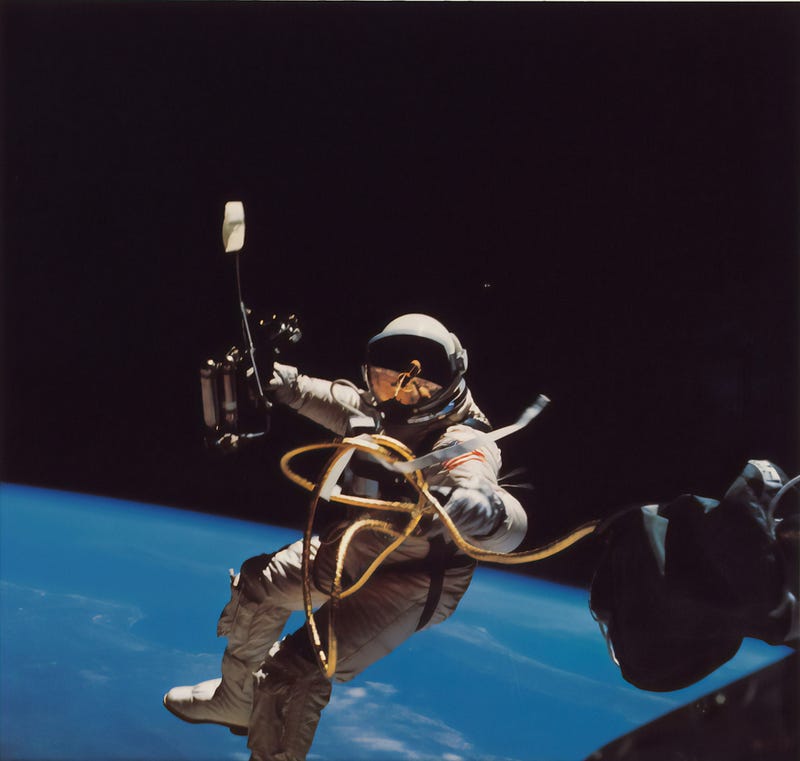
We need them, because, without them, there is too much we would never find out. Explorers and discoverers throughout history have been people whose curiosity overrode their need for safety, who took chances “sensible” people avoided. We need people who refuse to accept the word ‘impossible.’ We need heroes.

We need them because some jobs involve more excitement than the rest of us could tolerate. Firefighters, test pilots, EMT’s, professional athletes, stunt people, spies — these are people who are accustomed to adrenalin levels that would send the rest of us into panic attacks.
We need them, because, without them, we might never try anything new. Sensible people are satisfied with a system that works. “If it ain’t broke, don’t fix it.” Progress depends on innovators, people who just have to try new ideas, whose minds are always questioning the old assumptions, who get bored by any fixed routine.
We need them because they keep life interesting. In their passion for novelty, they take the lead in creative pursuits, invent new approaches or push the old frontiers in art, music, literature, and film. In their love of the limelight, they become our actors, comedians, rock/rap/jazz musicians, inspirational speakers, charismatic preachers, and talk show hosts.
We need them because they are the people who remind us how to have a good time. These are the ones who live in the present, not watching the clock, and make the most of every moment. These are the adults who haven’t forgotten how to play. These are the great romantics, the great lovers, the people of passion. These are the ones who may live ordinary lives, yet somehow manage to live them a little closer to the edge, whose intensity reminds us that there’s always a bit more to life than what we have yet experienced.
This is the potential of the ADHD mind. Some of these people manage to realize that potential without medical or psychiatric intervention, usually because they have had the benefit of a parent or mentor who showed them how. Many others, in the absence of treatment, fall victim to the “dark side” of the disorder, as their lives never rise out of the chaos of undisciplined impulses.
This is the purpose of treatment. It is not to “cure” this beautiful disorder, or to suppress it. Waking up the sleepy brain won’t take away its love of stimulation and distaste for boredom. Learning organized habits won’t turn actors into accountants, or Tom Sawyer into Little Lord Fauntleroy. The professor may learn to be less absent-minded, yet still retain his eccentric brilliance.
The purpose of all psychiatric treatment is to give people more control of their lives, to make sure they have meaningful choices. We don’t want to turn the next Jimmy Kirk into the perfect child; we just want to make sure he doesn’t drop out of school before he ever reaches Starfleet Academy, to make sure he has the opportunity to do what the ADHD mind does best: “to boldly go where no man has gone before.”


