
This Ancient Jewish Legend Is a Cautionary Tale About Generative AI
Automation is powerful but also dangerous
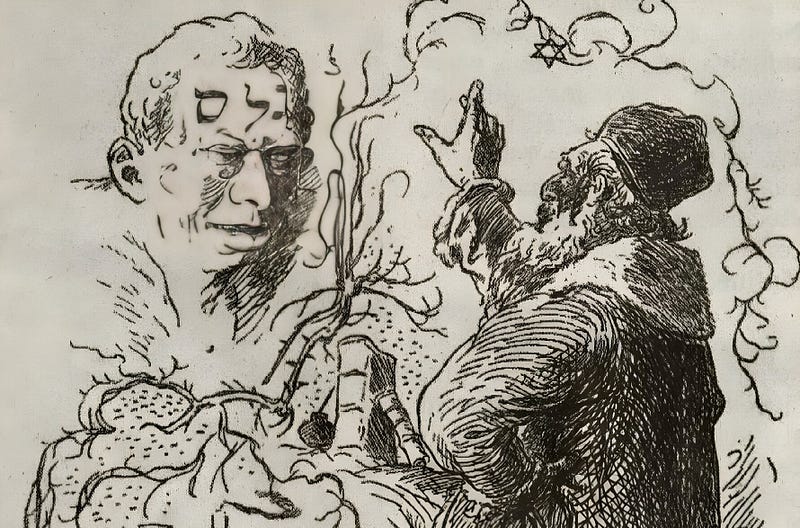
In ancient Prague, an old Jewish legend goes, a rabbi created a powerful creature: the golem. Robot-like and artificially intelligent, the golem initially did its master’s bidding — but ultimately, everything went horribly wrong.
This early tale about automation’s upsides–and significant downsides– can teach us a lot about modern AI systems like ChatGPT and Midjourney.
Specifically, this ancient legend can give us some insights into where these technologies are beneficial to humanity — and where they have the potential to prove disastrous.
Enter the Golem
Although the Prague tale of the golem is perhaps the best known, the golem story is repeated hundreds or thousands of times in different forms throughout Jewish literature.
The word “golem” appears in the Talmud, one of the core texts of the Jewish faith. Variants of the golem story have been repeated and reinterpreted through generations in everything from poetry and novels to an episode of The Simpsons.
Although the details vary, the basic story is the same. A Rabbi or Jewish mystic creates an artificial creature, using Hebrew words or incantations to give it a kind of artificial life and a basic level of artificial intelligence.
Usually, there’s some compelling reason to do this. In some cases, the protagonist needs to protect their community against an external threat, like pogroms. And in other cases, they simply want an automated helper to assist them with hard labor.
The golems in these tales are generally portrayed as powerful, but ultimately brutish. They perform labor faster than a person could but aren’t thoughtful, soulful creatures.
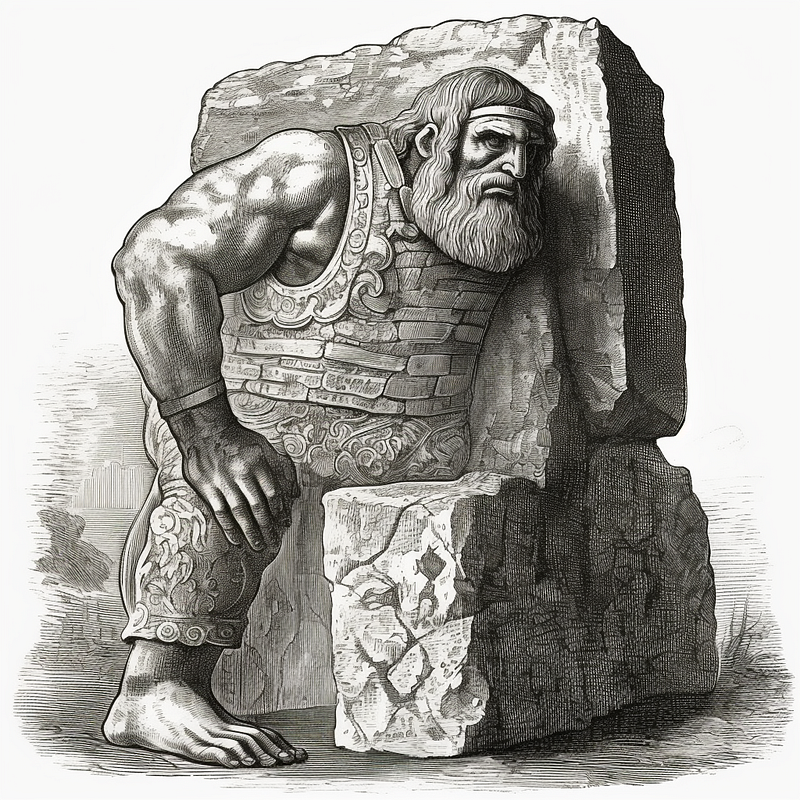
In essence, they are artificially intelligent robots or automata. Like the robots we have today, golems blindly follow instructions but don’t think for themselves. They’re intelligent enough to understand orders from humans but not smart enough to understand nuance or human subtleties.
In the classical golem tale, things initially go well. The protagonist gets major benefits from the golem — they can work faster, or they’re able to protect their family and community from a threat.
In almost all cases, though, things end up going badly. Most stories end with the protagonist destroying their golem because it becomes too powerful or harmful.
Usually, they succeed in disabling their golem. But destroying it often comes at some grave cost to themselves. In one telling, the creator of a golem manages to disable their creation, but the golem first scars their face. And in one variant retold in Brothers Grimm, a destroyed golem crashes upon its creator, crushing him to death.
ChatGPT, Today’s Golem
This ancient, recurring legend can teach us much about today’s powerful AI systems.
Like the golems of yore, today’s AI systems like Midjourney, ChatGPT, and Stable Diffusion were created by mimicking humans.
Ancient rabbis of legend usually created their golems by molding them out of clay, imbuing them with a pseudo-human form. Likewise, we’ve molded AI systems today by mimicking the workings of the human brain. Most large language models function using neural networks which mimic (but do not duplicate) the functions of human neurons.
Like their ancient clay counterparts, these systems are human-inspired but less than human.
And like ancient golems, these systems have initially proven incredibly powerful and useful. ChatGPT won’t rise up to defend you against an invading army, but AI systems are already being baked into the workflows of thousands of companies, automating tasks ranging from copywriting to medical work.
When ancient protagonists create golems, they usually begin by rejoicing. That certainly seems to be what we’re doing right now, with the breathless excitement about ChatGPT and its ilk.
We’d be well advised to note, though, that in the ancient tales of golem automata, things go badly, and fast. Humans ultimately realize–usually far too late–that the powers unleashed on the world by creating a golem ultimately threaten humanity.
The AI Backlash
We’re already starting to see this with AI systems. Artists are rebelling against the systems’ ability to mimic and replace human art, and many companies have moved to ban AI-generated code, photos, and much else.
The end of the traditional golem legend, too, offers some chilling predictions for the future. Once a golem has been created, it doesn’t simply go away. Destroying a golem once it’s been unleashed almost always requires pain and sacrifice.
ChatGPT’s servers are unlikely to collapse on us like the golem from the Brothers Grimm. But as regulators and creatives are starting to see, living beside AI systems–and trying to keep their creations out of our otherwise human creative processes–is becoming increasingly difficult.
Any way that it shakes out, the process of exorcizing ourselves from our modern AI golems would be painful. Companies that refuse to implement AI technologies will perhaps gain an advantage in humanity, but will lose out on the powerful things that these automated systems can do.
As with ancient golems, today’s golems offer a trade-off. We can gain in efficiency but potentially create grave threats–or risk losing our own humanity.
Handling the golem
However, there’s another lesson we can learn from these ancient tales beyond doom and destruction. While many golem legends end in destruction, not all do.
In the earliest versions of the legend, the golem becomes so powerful that the enemies oppressing its creator are forced to offer the creator’s community a safe harbor. When this happens, the golem’s creator carefully disables the golem without destruction or sacrifice, but doesn’t destroy it.
Crucially, the creator keeps the golem around in case its powers are ever needed again. Legend has it that the original golem is still tucked away in the attic of a synagogue in Prague, ready to emerge if the local Jewish community requires protection.
In this version of the golem tale, the golem’s creators use their creations as a tool. The golem’s power helps them to accomplish their goal (in this case, defending their community). But crucially, once that goal is r, the golem’s creators know when to stop using the artificially intelligent creature.
By disabling their golem instead of succumbing to the temptation to misuse its power, the golem’s original creators benefit from its powers, but don’t allow the golem to destroy their humanity or threaten their community.
As we use ChatGPT and other AI tools, we can all take a lesson from that original telling of the ancient golem tale. Generative AI is a powerful tool that can help us accomplish our goals. But to use it safely, we need to know when to apply it, but also when to put it down.
Did you find this analysis helpful? Sign up for my Medium newsletter to get my stories in your inbox daily for free