Thinking of Buying a Second Home? Seven Things to Consider Before You Make That Dream Real
Buy with your head, not your heart
Not a Medium member? Click here to read this story for free.
Buying a second home can be the realisation of a long-held dream. If you’re a remote worker, close to retirement, or looking to invest an inheritance, it can make sense, especially if you’ve always longed for a place in the sun.
You’ve arranged the finance, checked the tax implications, chosen the location, arranged viewings, and estimated the affordability — all good so far. That dream of owning a place where you can truly relax is getting close. Admittedly, there’s nothing quite like unlocking the door of a holiday home and stepping into your place. Your furniture, your kitchen, your pictures on the wall.
It’s easy to get caught up in the excitement, telling yourself you’ve covered all the practical aspects. Yet buying a second home involves much more than choosing a place and paying for it.
It’s easy to rush the process and buy on a whim. Even after estimating the cost of utilities and maintenance, some what-ifs should be considered in the initial planning. Evaluating potential pitfalls will build trust in the purchase and lead to a well-informed decision.
Ask yourself the following questions to ensure you buy using your head, not your heart.
Is the distance manageable?
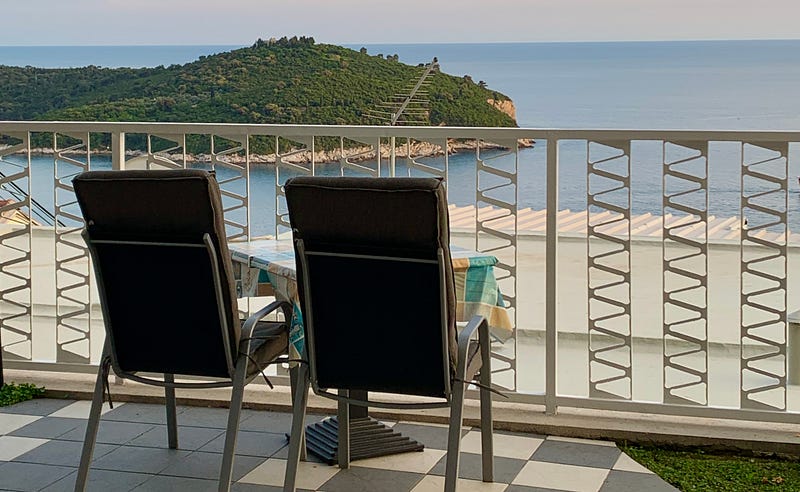
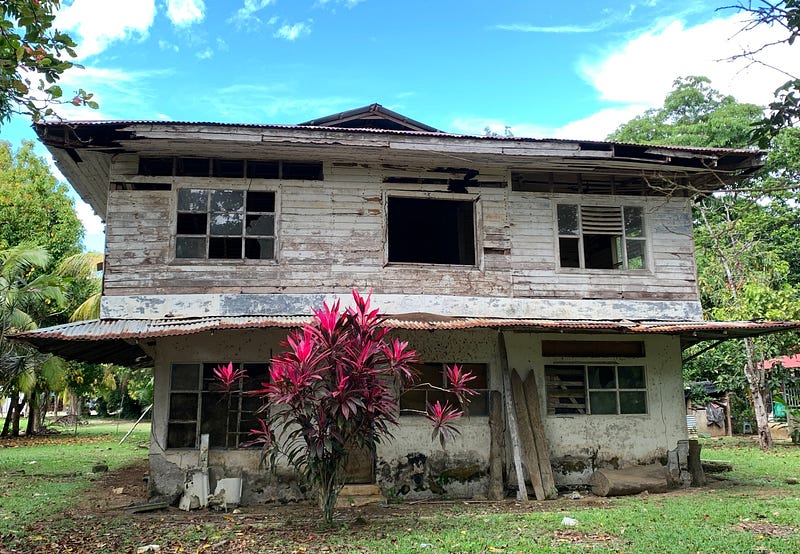
A second home that’s a few hours’ drive away offers many opportunities to gain space and fresh air, from weekends to longer stays. On the other hand, current trends in second-property ownership show healthy sales in countries such as Panama, Thailand and Costa Rica.
If this is you, you’ve probably factored in the cost and availability of the flights, but will you be able to take extended leave? Consider how easily you’ll be able to take time away from family, work and pets.
The British tend to buy in countries such as France and Spain, telling themselves it’s as easy to get to Europe as it is to travel to Scotland. But travel can be frustrating and expensive.
Driving from the UK to a second home in the south of France, for example, takes a couple of days each way, racking up costs in overnight stays, fuel and road tolls. Those travelling days take up precious vacation time, so you can forget to go for a long weekend.
Budget airlines have put so much of the world within reach, but you may have to factor in the cost of airport parking. Will you need to hire a car to get to your property? In some countries, this can cost more than your flight.
It’s tempting to buy an isolated rural property as an “escape”, but this can lead to costlier and more complicated travel. Is there an option to buy a second home accessible by public transport?
Who will keep an eye on your second home?
If you’re buying on a managed vacation home site, any management fee will probably pay for itself by reducing your anxiety. But buyers often seek an escape from other people, telling the agent they don’t want neighbours within sight or sound.
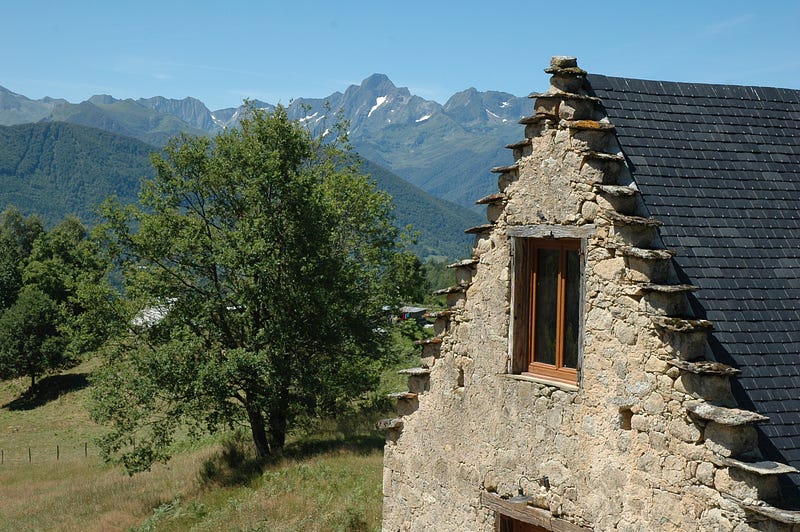
That could be perfect when you’re staying in the property, but what about when you’re absent? There’s a reason that charming stone mountain house has metal bars and sturdy wooden shutters adorning the downstairs windows.
Frozen pipes, roof damaged in a gale, leaking roof … all fairly common and reasonably straightforward to sort out in your main home. When they happen in your second home, there’s a good chance it’ll be when you’re not there.
Having a near neighbour may reduce some of that longed-for privacy, but you’ll need someone out there to rely on. Don’t be like the English couple who flew to their holiday home in France but forgot the keys.
They’d never got around to giving a spare set to the neighbour. Fortunately, that neighbour lent them a ladder, and then watched them break into their home. The next time they visited, they remembered their keys, along with a spare set for the neighbour.
Research the climate
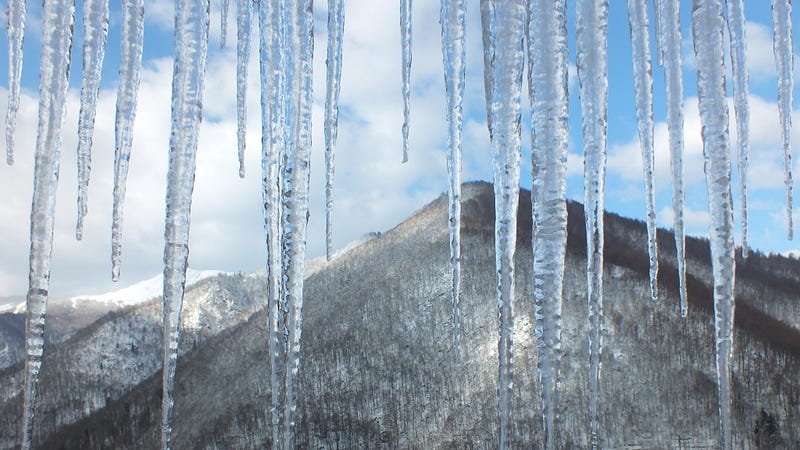
Hurricanes, flooding, forest fires… the frequency of extreme events is rising, so take care with evaluating risks. Imagine being safe at home watching news clips of an extreme flood or forest fire in, say, California or Portugal — and recognising the area around your second home.
It’s not just about extreme events. Take time to look at the weather patterns for the area: rainfall, sunshine and average temperatures.
So many British people dream of a second home in Europe “to escape the British weather”. Tempted by unbelievably low prices in an area they’ve never heard of, they’re thrilled at how much house they’re getting for their money. But after experiencing a summer of daily rain and snow in September, the low price begins to make more sense.
Can you cope with the property’s demands?
It’s easy to be tempted and buy something bigger than you need simply because your money goes further in that area. But you could end up buying a lot of hard work. Extensive gardens require maintenance, so you might need to budget for a regular gardener. Or spend every vacation getting the garden back to where it was when you last left.
Are you buying a second home as somewhere to relax and chill out? If you are, keep that in mind when an agent shows you something twice the size than you’d anticipated, affordable because “it needs work”.
It might sound romantic to renovate a big old property, but how easy will it be to project-manage the work when you’re back at home? And before you decide to renovate it in your own time, ask yourself whether vacations doing DIY is what you originally had in mind. If it is, then enjoy it. But aren’t you buying a second home as a place to unwind?
No one likes to think about getting older and infirm, but if you’re retired or close to it, remember the “all” in “away from it all” includes medical facilities.
What if property prices fall?
Prices fluctuate, and a global or national downturn can affect the value of your second home. Will that be an issue if you decide to sell? It helps to research local sales patterns, as in areas of rural depopulation, property can take years to sell. Are you likely to need that money in the future?
Are you happy to return to the same place?
Owning a second home will give you the freedom to take a break at a whim, without having to search for accommodation. There’s something wonderful about returning to your own place time after time but think hard about whether that limitation could frustrate you.
You’ll still need to pay the bills for your second home if you decide that this year, you’ll have a change and go elsewhere. Every year second homes are left empty for months, and it’s not always because their owners can’t travel — maybe they’ve used up their annual leave with an extended tour of Europe.
Choosing to rent vacation properties rather than buy might feel unimaginative, but it carries the freedom of being able to rent a property anywhere in the world. If you’ve tied up money in a second home, you may feel compelled to get the full value out of it by going nowhere else. Of course, for some people, that’s exactly what they want.
The local community
Have you checked what local facilities are available, such as shopping facilities, bars and restaurants, as well as entertainment? ~ What about the local community? When you’re about to realise a lifelong dream of buying a second home, considering the locals may not be a priority.
This isn’t an issue if you’re buying a home within a dedicated vacation park. And in Europe, there are areas of rural depopulation — beautiful but devoid of human life — where part-time inhabitants are welcome for whatever they bring to the area.
Second homes used regularly may boost the local economy when visitors make a point of using the local shops rather than big supermarkets.
It doesn’t work that way when the number of second homes takes up a significant proportion of the housing market. This can make it impossible for local people to afford to buy, or even find somewhere to rent, and schools close when families can no longer afford to move in.
It’s something to consider if you’re buying in a popular tourist area where most houses are second homes. In low season they become ghost villages.
Remember…
There’s lots to think about when buying a second home, but the less you rush into it, the more likely you are to buy with your head rather than your heart. Consider the points above and you’re on the way to making a more informed decision. Just remember you’re not buying a dream, you’re buying a house, with all the responsibilities. If that doesn’t put you off, good luck!
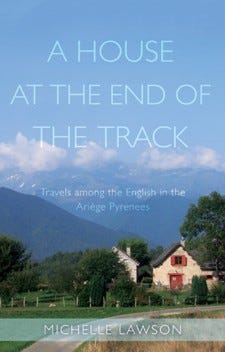
Read more insights about the hopes, dreams and reality of the English who moved to the French Pyrenees in A House at the End of the Track: Travels among the English in the Ariege Pyrenees.