
Interesting Facts
Things That Make You Go Hmm!
Every day is an opportunity for finding out new facts!
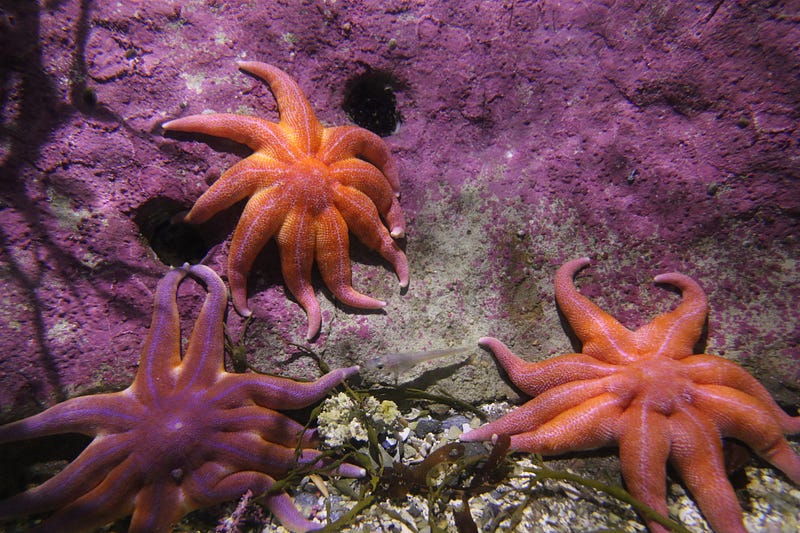
In my lifetime, I have been known to say, “I didn’t know that!” many times because I was surprised by some of the facts that I came across. I’m sure you know some or all of them, but I didn’t. Here are a few of my favorites:
- Not all starfish have 5 legs — some of them have as many as 20 legs or more!!
2. Some animals don’t really sleep. It’s been said that the bullfrog may not ever sleep (or at least he goes into a state of unconsciousness while still awake), the Alpine Swift can fly for up to 200 days without stopping, and certain fish don’t stop to sleep during migration.
3. Orca and dolphin mothers stay awake the first month after their babies are born, as do the babies!
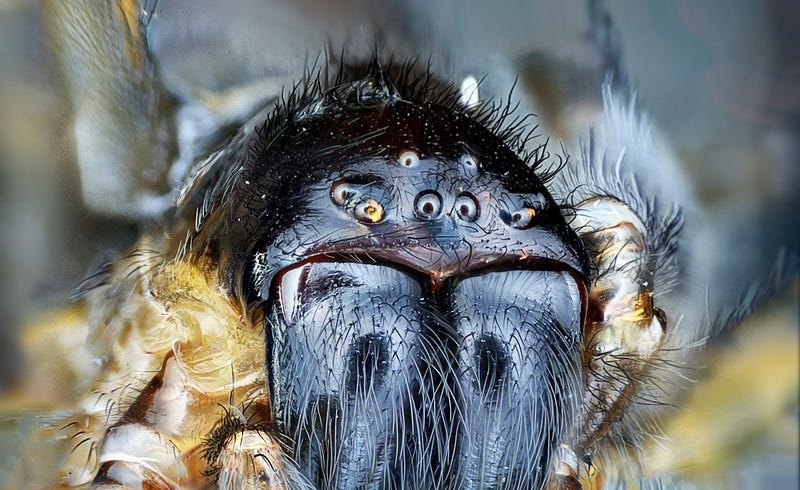
4. Most spiders have as many as 6 or 8 eyes!
5. Male sharks have two penises (claspers). One they use to hold onto the lady while giving her the goods with the other.
6. High Chair / Potty Combo. A wooden high chair with a hole in the seat and bowl underneath so baby can poop while he ate was quite popular back in the day. Thank goodness, most mothers don’t use them now!
7. Some animals have a third eye (parietal eye) on the top of their heads. The parietal eye is found in the tuatara, most lizards, frogs, salamanders, certain bony fish, sharks, and lampreys. (Wikipedia)
8. Bill Bailey was the first to do the Moonwalk. Here’s a link to the video —go to the very end.
9. Flounders’ eyes are both on the same side of their body. They are not born like that, their eyes shift after they become bottom dwellers, depending on which side of their bodies face up.

10. During the Golden Age of Piracy (around 1650–1730) there were over 5,000 pirates! There is some interesting history on piracy and how captains of ships became these plunderers of the sea.
11. The platypus is one of only two mammals left on earth that still lay eggs (the other is aechidna, or spiny anteater). Mammals, like us, generally don’t lay eggs!
12. A few marine animals and species of birds sleep with only half their brains at a time, so the other half can be alert to predators, regulate body temperature, and keep them breathing.
13. The idea for Velcro came from a man who took a walk in the woods one day and came back home with burs stuck on his pants and his dog’s fur.
14. Elephants, Kangaroos, and manatees grow new teeth in the back of their mouths When one tooth falls out the teeth shift forward to cover the missing tooth.
15. Ostriches sleep with both eyes open! Don’t fish also do that?
16. The word “Avocado” actually comes from the word ahuacate which means testicle, due in part to its shape, texture, and the fact that they grow in pairs.

17. There are animals that literally blow up after they die due to bacteria growing in the intestines which cannot escape.
18. Shirley Temple was the first choice for Dorothy in the “Wizard of Oz” rather than Judy Garland.
19. Hedy Lamarr, a movie actress, was actually the model used for Snow White’s face in the Disney cartoon.
That’s enough for now, I’m still finding new and interesting facts every day, and I’ll be sure to pass them along.


