
They’re Cheap, Good for You, and Taste Amazing
Beans: Discover the Rich Benefits of the Global Kitchen.
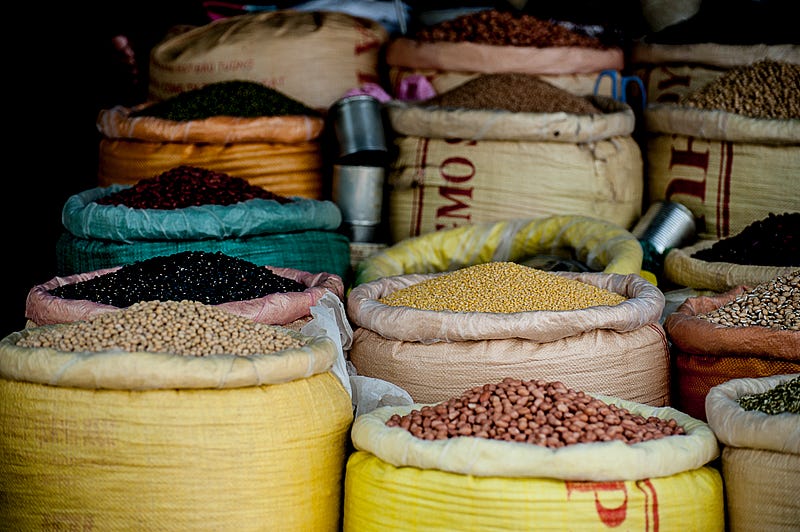
“Beans are the consummate super-food.”
Dan Buettner, author of Blue Zones: Lessons from the World’s Longest-Lived People and the founder of the Blue Zones Institute.
Until I was forty, I ate a typical American diet.
I ate meat for dinner, a couple of servings of vegetables, with plenty of fat and starches on a typical day. I rarely thought about nutrition.
Cooking on a budget for a family of seven meant I didn’t use convenience foods, but I did look for quick, cheap, and filling recipes.
I struggled to maintain a healthy weight and blood pressure. My cholesterol was way too high.
My best friend told me she’d switched to eating the Mediterranean diet and urged me to try it. I added more plants to my diet, and in one year, my LDL (bad) cholesterol dropped 90 points, my energy level soared, and my weight decreased.
Cheese, in all its glorious forms, was my weakness.
Living in New Mexico with its never-ending choices of enchiladas, burritos, and Chile Rellenos, just added to my addiction. I ate less dairy, and as my digestion improved, I just didn’t crave it as I had before.
Then in 2008, I heard about the Blue Zones from an interview on NPR. I moved a little further on my journey towards healthful eating.
I moved to Texas and became a farmer.
One year we raised over 76 types of vegetables, and I loved the variety and taste of the vegetables we grew. Shungiko, New Zealand spinach, magenta spreen, Wasabi arugula — I’d never heard of these plants, let alone eaten them.
Our customers, the most innovative chefs in Austin, inspired me to cook creatively with plants and introduce elements from world cooking.
Dan Barber’s book The Third Plate: Field Notes on the Future of Food introduced the next idea in my food journey. How could cooking move beyond elite food culture toward real sustainability? I embraced the concept of using heritage foods and learning recipes from other parts of the world. My culinary skills and my health got even better.
(Beans) are the cornerstone of every longevity diet in the world: black beans in Nicoya; lentils, garbanzo, and white beans in the Mediterranean; and soybeans in Okinawa. People in the blue zones eat at least four times as many beans as Americans do on average.
Beans, beans, the farmer’s friend.
The meat had always been in the center of my plate. Now I was enjoying a more plant-based diet, and recipes kept adding beans.
Beans? My mother made chile with canned kidney beans and Boston Baked Beans. I’d eaten plenty of canned pork and beans, but pinto beans marked the extent of my bean cooking talent. How could they move into the center of the plate?
There are over 30,000 varieties of legumes, including peas, beans, peanuts, and more. Each type may have a unique flavor, but I discovered they are all simple to cook.
Adzuki, black-eyed peas, broad beans, butter beans, Dragon’s Tongue, rattlesnake, and tepary beans; don’t you want to taste them all?
Beans are the epitome of nearly perfect food; high-quality protein, plenty of fiber, complex carbohydrates, and full of vitamins, minerals, and phytonutrients.
They are a versatile ingredient and essential to recipes world-wide.
The more you eat, the better you feel.
Beans are a staple food favorite for many reasons, including nutritional content.
Just look at the food value in one cup (171 grams) of Pinto beans:
- Protein: 15 grams
- Fat: 1 gram
- Carbs: 45 grams
- Fiber: 15 grams
- Iron: 20% of the Daily Value (DV)
- Calcium: 8% of the DV
- Magnesium: 21% of the DV
- Phosphorous: 25% of the DV
- Potassium: 21% of the DV
- Folate: 74% of the DV
Beans also contain zinc, copper, manganese, selenium, and vitamins B1, B6, E, and K.
With only 245 calories per cup (171 grams), pinto beans are one of the most nutrient-dense foods around.
So let’s eat beans for every meal.
So what do to do with all those beans?
Keep cooked beans in the fridge and you can:
- add them to salads
- roll them up in a tortilla
- mash them and scoop up with naan or pita bread
- add some protein to a soup
Cook them on the stovetop, crockpot, or quickly in your Instapot. Canned or dry, they’re all excellent.
Recipes from around the world will tempt your taste buds. Latin America, France, Italy, Africa, and the Mediterranean area will inspire. Spices, herbs, chile, and limes all add to the mix. Your meal will not be boring with beans.
Start with common varieties, and it won’t be long until you join my quest for delightful beans from around the globe.
Here are some resources to guide your journey.