
They Sexually Abused Me; Was I Asking for It?
We need to stop accepting societal shame and set the record straight.
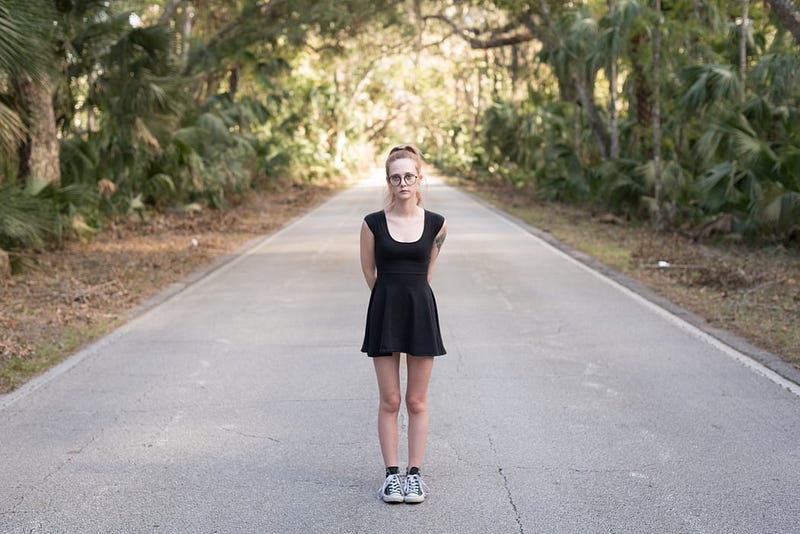
What just happened? As I was finishing work, someone I knew (Let’s call him Jack) invited me to go out with him and his friend. At 21 years old, I had just graduated from college and moved to a new city. A few drinks sounded fun.
At the time, Jack sold me weed, and we knew some of the same people. He had hit on me in the past, but I always turned him down. I had hoped we could still be friends. Plus, hanging out with three people felt like a group. Why not?
That night we laughed and shared jokes at downtown bars, and they kept buying me drinks. A few hours later, I was a silly drunk. Back at Jack’s house, his friend started kissing me.
Making out felt good, but then Jack unzipped his pants and tried to join. I felt really uncomfortable and pushed him away. I wanted it to stop, but I was vulnerable, and Jack kept persuading me. They were both many years older and had just paid for drinks and our ride back. Was this part of the deal?
Both men sexually used me that night without enthusiastic or informed consent. What just happened?
The next morning they were in a goofy mood like we’d just had a fun night, but something felt very wrong. I felt empty, confused, sick, grossed out, and completely embarrassed. I didn’t know what to say, and I felt guilty. Somewhere deep down, I felt I had it coming. I had been flirting and wore a short dress. I must have been “asking for it.”
Many women would share similar stories of feeling used, confused, coerced, uncertain, and guilty if asked. Yes, we may use weak judgment and get into unsafe situations, but we are never responsible for an abusers’ actions. Six years later, I can confidently say I was sexually abused, and it was not my fault.
Like many women, I grew up doubting my emotions, believing I was too sensitive, and that somehow men’s opinions were more important. In a culture that makes us feel small, it makes sense that so many women don’t report the abuse, feel guilty about it, or worse, stay in abusive environments.
Our patriarchal culture has led to an imbalanced value system and often a lack of physical or emotional safety, especially for women. We need to insist that feminine stories and values have equal respect and space in our culture. Before we can have balance, we need to feel our emotions, understand the roots of shame, and support each other.
Sharing our stories helps us to heal each others’ pain. With empathy, we can release shame and hate. Or, as Amanda Palmer said, “If you don’t deal with your demons, they go into the cellar of your soul and lift weights.”
We need to stop blaming ourselves for the dysfunction in our environment, and we need to set the record straight.
Our sexuality is a blessing, not a curse
Before the patriarchy, women were honored and revered for their sexuality and intuitive wisdom. Now women are made to feel small when we enjoy sex. They call us terrible, demeaning names like “slut,” “whore,” or “harlot.”
Religious teachers constantly urge women to dress modestly so that we won’t cause men to stumble. The message implies that we should hide our light because our sexuality brings disgrace.
“Women should adorn themselves in respectable apparel, with modesty and self-control, not with braided hair and gold or pearls or costly attire, but with what is proper for women who profess godliness — with good works” — 1 Timothy 2:9–10.
I grew up in a family of avid, church-going Christians. My dad would cover the TV screen when couples kissed, “They’re not married. They’re sinning. Don’t look.” Or he reminded me to dress modestly with phrases like, “Neck to knees, nobody touches, nobody sees.” I heard Bible stories of women being stoned to death for being an “evil temptress.” These messages are demeaning.
Our sexuality is a blessing, and we need to stop judging women by their sexual “purity.”
I remember feeling confused. The messages from my family, the church, the media, and my body seemed jumbled. While going through puberty, I loved emotional, romantic movies with swelling music, dancing, and kissing. I wanted to be pretty, and when boys started noticing me, I liked the attention. Was that really so bad?
Our clothing choices do not cause abuse
We need to put the responsibility back onto the abuser if we are ever going to feel safe. Just because I wore a revealing dress does not mean I was responsible for the men’s behavior. Yet, the myth that revealing clothes increase the chances of harassment is still widely held.
Women’s wardrobes have long been used as an excuse for sex crimes, however, when you look at the data on why people rape, that doesn’t hold up. These arguments are for transferring the responsibility of control and power from the perpetrator to the victim. — Sandra Shullman, Ph.D., a psychologist who specializes in harassment.
One of the main reasons I didn’t report or even share my sexual abuse story is because I felt afraid of judgment. I imagined someone responding, “Didn’t you show up and do all that drinking? Didn’t you kiss back? It seems like you wanted it. Stop looking for attention.”
Nearly 80 percent of rapes and sexual assaults go unreported, and false accusations are rare, according to the U.S. Department of Justice 2016 reports. We’re not reporting sex crimes because we’re worried about retaliation, both from the abuser and the broader society. Sadly, several victims also said they didn’t think it was important enough to report.
When we’re criticized for “causing men to stumble” through our clothing choices, it makes sense that we would be afraid of retaliation and judgment. How horrible.
Our emotions are precious
We need to stop gaslighting women’s emotions. In a famous court case, a former sports doctor sexually assaulted over 260 women and girls. He abused these women over many years, yet when some women shared their stories, they were accused of being attention-seekers.
Who wants to go through a horrible experience and then have your community doubt, accuse, and judge you when you share? I didn’t.
This gaslighting has to stop, and we need to stop calling women “crazy.” These messages are demeaning and humiliating, and it’s no wonder we’re not reporting sexual abuse.
We are feeling beings, and our emotions keep us safe and healthy. Even emotions like anger guide us to act in our best interest.
The next time you or someone you know is feeling emotional, don’t push those emotions aside. Please don’t belittle them. Get curious. What am I feeling? Where do you feel it? I’m so sorry you’re feeling this pain right now. I’m here for you, and it’s going to be okay. What can I do to help?
Closing thoughts
Yes, I was sexually abused, and that was tragic. But the misplaced shame and guilt I carried around for years feel even more horrifying. I still feel a subtle embarrassment when I wear sexy clothes. Am I an evil temptress? Am I causing married men to stumble? No, dammit, I feel good in these clothes.
We need to identify the faulty logic and heal the unprocessed pain before experiencing a balanced society.
We need to overcome this patriarchal culture by honoring feminine stories and values equally.
We need to release our self-doubt, build our self-worth, and honor our bodies.
Though we are not responsible for our dysfunctional culture, we can be part of the solution.
Thank you for reading! If you aren’t already a Medium member, join with my referral link — Alice Crady. A portion of your fee goes to writers you read. Subscribe to my account if you’d enjoy regular inspiration and empowerment along your self-actualization journey.
More on feminism:


