
NOVEL WORKSHOP
They Lived Their Quiet Lives
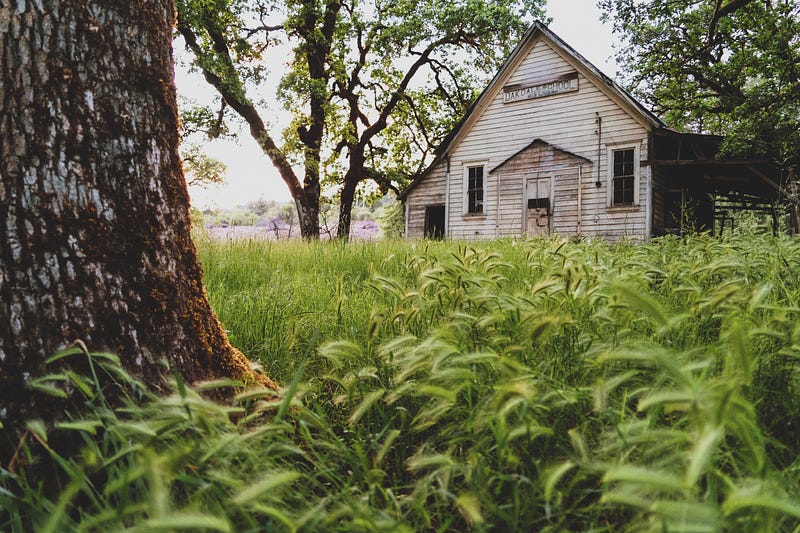
They stayed away and lived their quiet lives inside their private rooms, closed their eyes and hoped that it would soon pass.
This is part of a novel, chapter 4. To see all published chapters, go here.
4
He had been completely seized by the work. He just had to write, all morning, further into the afternoon and evening. And he could not stop. Late at night, when he usually used to go to bed, he sat with the computer. Always new things that came to mind, new episodes, new conflicts. Whenever new ideas came to his mind, he sat and sweated and concentrated all he could. It was about getting the words down on the screen so he could say to himself, “There it sat! Nailed it! That was it!”
He struggled now, some of the most important, this which he had to formulate as soon as possible, the first scene, the episode that would start the action. And he thought: How does it all start?
He sat down at the table, opened the laptop, started typing.

“She was white in the face. She turned away from me, took quick steps across the floor towards the door.
I got up, but I was too late. I heard the door slam shut again.
I ran to the window and saw her walking angrily down the street. That was the last thing I saw of her.“
He leaned back, read through the five lines. Was this enough? And should he write in the first person — a narrator who is involved in the action? Does this capture the reader, or-?
— For every time he thought that now it was done, something else appeared. New moments, always new points, new things that the characters in the fictional universe thought, new fragments of dialogues that he had to take care of before they evaporated and perhaps were forgotten forever.
Writing took up more and more space in his days. He wrote and wrote. Wrote until late at night, into the night, until he fell asleep in the cold light from the screen and rolled over in bed.
He slipped into sleep, first a dreamless sleep, then he was suddenly in another world.
The dream was chaotic, and dark. There was unrest in the country. Society was divided. Many identified with the Righteous, the Followers of Truth, those who fought against injustice and for the Alternative Truth and who wanted to reverse all the injustices that politicians and the government had done to them for many decades.
Others stayed away and lived their quiet lives inside their houses and apartments. They closed their eyes and hoped that it would soon pass.
But it did not look like it would pass so soon. Large crowds demonstrated, and in some places different groups fought against each other.
The country was characterized by insecurity, and people shut themselves in. Groups of uniformed men and women roamed the streets, attacking shops, public buildings, police stations and monuments.
The police were powerless, and in some towns there were soldiers in the streets.
He felt insecure longing for the dream. He had to get away, out of this nightmare where men fought against soldiers and everything was chaotic and dark.
He gradually woke up, but did not know what to do. He tried to find a radio channel but no one was broadcasting news anymore. He tried to find the TV news, but the TV had long since stopped working. He opened the laptop and clicked on the browser, in the vain hope that the internet connection would be back.
“I have to do something about this,” he thought. “I have to go out. I have to go somewhere. I have to travel north, I have to find out if this is the case elsewhere, find out what’s going on.”
He hesitated. He was suddenly overwhelmed by a very feeling of hopelessness. Saw no advice to do what he knew he should do.
He thought about writing. “You have to get started, you have to write offline, as you have sometimes done before,” he said half aloud.
He smiled to himself. It was unusual to hear the voice. It was rusty after too many days without him talking to anyone. Of course he had not spoken. There was no one to talk to.
“Just keep writing,” he thought. Write down thoughts, write down the narrative, write down the words that had been between Sara and him, everything she had said before she had left.
He saw it clearly — just had to give up getting in touch online with anyone now. It was not possible. It was 200 km to the neighboring town and he hesitated to travel there, because he feared that he would experience the same thing there. A dead city, a landscape abandoned by man. Everyone had fled, everyone had left because something had happened in the world, something that one knew nothing about.
It was absolutely awful. There was no hope. Or maybe there was hope in places he could not see. He felt something strong inside him. He longed so much, it just came so very strongly over him, a terribly strong longing for her.
After more than a week where nothing happened, he did not know how to endure this. He could not bear the thought of waiting any longer.
Novel fragments will appear here at irregular intervals, as the writing of fiction progresses. For the latest follow me here: https://oivind47.medium.com/


