
They Called Me Crazy!
Life Lessons Inside a Juvenile Prison
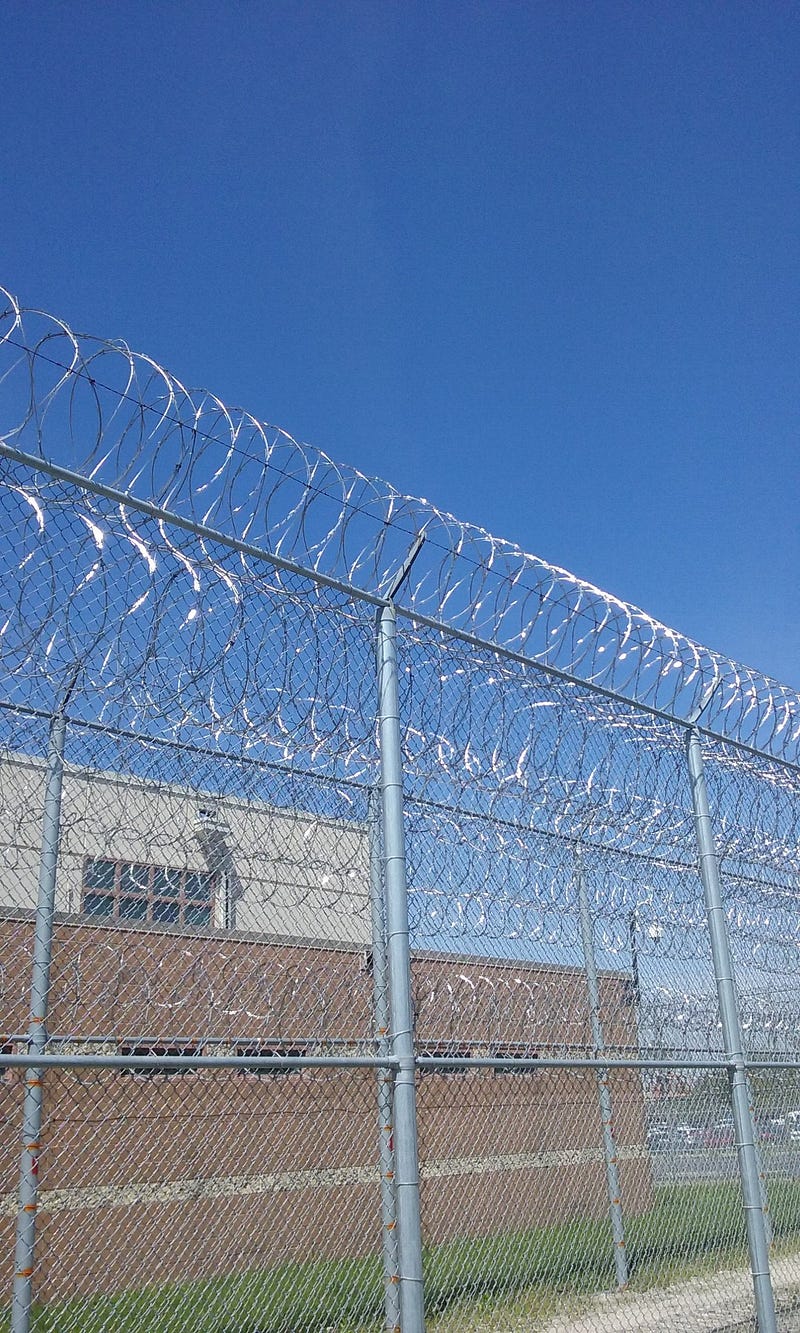
The first time, I stepped into a juvenile correctional facility, I did not know what to expect. The purpose of my visit was to teach success strategies using a program I created called GPS for Humans. Would these young men embrace my workshop or would they laugh at my lessons? Time would tell.
As twenty-one young men began filing in, I could feel the energy in the room growing. It felt like I was in a high school cafeteria, as they found their seats around the tables. And then I was introduced.
I began by sharing my goal, “I want to see juvenile prisons closed.” The room erupted with laughter! I said, “Raise your hand if you think I’m crazy.” Every hand went up.
I thanked them for their honesty and their assurance that I was on the right track. Their look of confusion reinforced me; my lessons were valuable.
I explained to the group that we need to set our goals high — sometimes ridiculously high. Even when we don’t reach them, if we land somewhere close, we have made progress.
A young man, sitting to my right, was shaking his head with an expression of disapproval. I asked him, “What’s on your mind? What are you thinking?”
His response — “You don’t know me. You don’t know what it was like for me growing up!” I could hear the pain in his voice.
“You are absolutely right,” I said. “I don’t know what it was like for you growing up. I don’t know what struggles you faced. That is why I need you on my team. I need to know these things so we can fix the problems together.”
The young man looked at me with a shocked expression. He said, “No one has ever said that to me before. No one has ever cared!” Looking out over the room, I could see this young man was speaking for everyone.
This conversation reinforced the power of listening. “I need you all on my team. I can’t do this alone. How many of you will be on my team?”
Every hand went up.
The conversations that took place that day were incredible. We discussed the importance of setting goals. I learned of their dreams of creating art, music, and building future businesses. We talked about the importance of having a strong circle of support.
Once they have a vision for their future, the next step is to create a plan to make it happen. So many of them felt like their lives were on hold because they were living behind bars. They began to see the best way to prepare for future success is by starting now.
We talked about the importance of consistency. Having a daily schedule, that allows you to work on your plan increases your chances of reaching your goals.
The GPS for Humans is available on my website at no cost. The worksheets are downloadable.
Here is a great story about procrastination We all Have Broken Windows by Rick Alloway


