
They Were a Crucial Part of Our Community, Yet During The Pandemic, They Are The Unwanted
In light of COVID-19’s sweeping march through the entire world, humanity’s very nature discloses, and among them, emerges a group of victims left in despair.
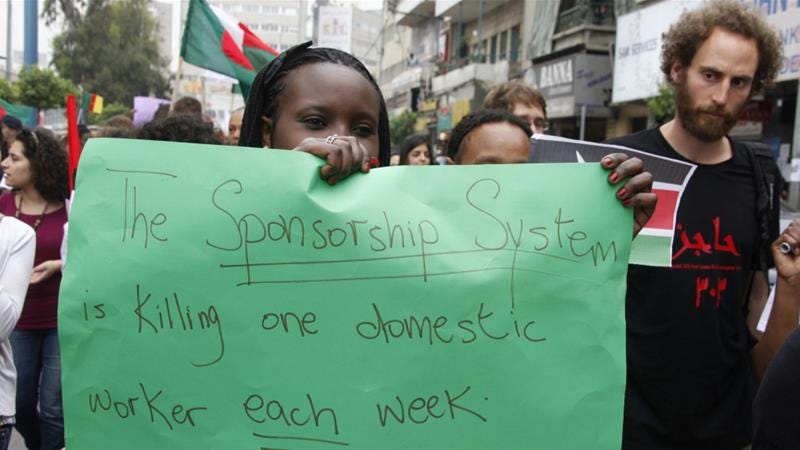
Having lived in Kuwait City for the past three years, the scene of a young, amicable nanny chasing after a loud, playful girl — most probably her employer’s daughter — has for long been engraved in my mind as part of my rather mundane memory of this place. This group of foreign caregivers has become a symbolic part of our community.
These migrant workers come from all over the world, mainly Southeast Asia and Africa. They come to the Middle East to seek asylum — escaping from conflicts and social unrests — and aspire for a better life.
Personally, I encounter them on a daily basis. They are everywhere around the city: grocery shopping, driving, taking care of families, cooking, etc. They do all the regular household chores.
I often sympathize their conditions — just as how we empathize the ones who weren’t born with all the luxuries myself and others obtained — but they didn’t seem too helpless. After all, it was in their interest to settle in a country that’s not ravaged with warfare and famine.
Nevertheless, things aren’t how we expected them to be.
For long, the mistreatment of domestic workers, however, has become a glaring issue — many housemaids are seen as inferior properties, not human beings — after a series of illegal online slave-trading apps were revealed by BBC.
One of the main components which enabled the possible exploitation of workers is the “Kafala System” (as pronounced in Arabic, literally meaning “sponsorship system”) — a system in the Gulf countries requiring all workers to have an in-country sponsor, who’s responsible of all his/her visas and legal statuses.
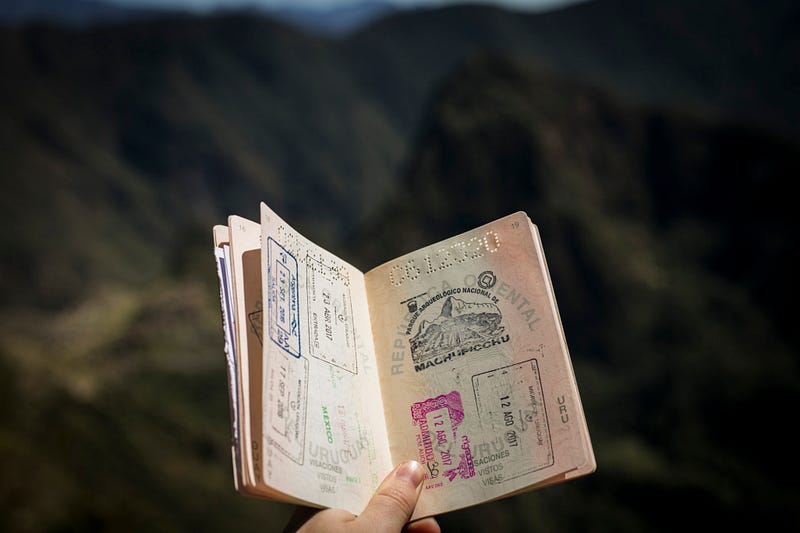
As a consequence, employers — who are most likely the sponsor — have full possession over the workers, enabling flagrant exploitation knowing that the chances of repercussions are slim. According to Migrant-Rights.org, over 90% of domestic workers in Kuwait are not in possession of their passports. This staggering statistic reflects the deep-rooted systematic issues regarding the sponsorship system and the overall sentiment toward foreign housemaids.
It is a system compiled of trauma forged with the ceaseless, draining tears and blood. As long as the “sponsorship system” remains in place, the blatant human rights abuses will not come to an end.
In light of the pandemic, the misconduct is more evident than ever; maids are for once “abandoned,” “clothes torn off in a fit of distress,” and “chained to the wall”. After reading these graphical recounts, I wonder: are the tens of thousands of domestic workers —those congenial nannies always putting on a smile — the very victims of this disregard for human lives?
They are the ones keeping our community running, and they must be heard. As a famous axiom preaches: “In normal times we respect them, while in uncertain instances, we support them.”
COVID-19 is merely a physically torturous disease. It’s also one that unveils the very sane of humanity, as well as the very evil. It tears us apart, mystifies our trusts and traumatizes our souls. This reality is one I could never have imagined.


