
These Foods Are Destroying Your Brain… (You just don’t know it yet).
Your health is your biggest wealth. Treat it accordingly.

We all have them around the house: in our cabinets, fridges, pantries, etc. They destroy our focus, our energy, our humor, our predisposition, our emotional stability, and our health.
When you struggle to wake up with energy, you feel sluggish and procrastinate on what needs to be done, chances are it has something to do with your food intake.
The truth is: Nutrition is one of the pillars of self-knowledge as it affects our brains and lives in ways that most of us usually don’t even imagine.
If you have never thought about the connection between food, brain, performance, personal life, and professional and financial success, it’s time you start doing so.
Our brains are responsible for our emotional health, our focus, our productivity, and our capacity to actually make the things we have on our agenda for the day. But bad nutrition will take a toll on it, leading to lack of focus, procrastination, lack of energy, discouragement, emotional instability, anxiety, depression, and other serious diseases (the list of problems goes on and on) — which, in turn, affects our personal, professional, and financial lives.
The good news is: there are foods highly beneficial for the brain, and in today’s article I’ll be talking about them. I’m also going to talk about the foods that are undermining your brain’s health and functionality.
What I’ll be sharing today, should be taught in schools, including something as basic as learning to read labels in the supermarket. But as we know, it’s not, and because of that, we have increasingly more sick people in the world — and I’m not just talking about obesity, but also neurodegenerative diseases such as Alzheimer’s among others where dementia is present (yes, there are a series of factors for this, but make no mistake: one of them is your food and beverage intake).
Today’s article is a bit long, but in the end, you’ll know what to eat and not to eat, to make sure your brain is young and healthy, working at its full potential, regardless of your age.

Before I continue, I must make 3 side notes:
1 — My goal on Medium is not to write scientific papers, but rather to democratize knowledge so that anyone can use it to improve their lives. Everything I write is backed up by scientific research: I’ll be leaving a recommendation, and my contact at the end of this post, in case you wish to dive into the scientific literature regarding this topic. I’m telling you this right now in case you read something here that might leave you skeptical. (I’m not including the entire list of scientific references in this article because it is very extensive).
2 — This article is not meant to make diagnoses: it’s only meant to share knowledge: I’m sharing what science tells us regarding what’s statistically beneficial to the majority of us — it’s a research I originally made for myself —, but please keep in mind that the only person responsible for your health and nutrition is You. Even if you have professionals guiding you, it’s still your choices that will determine the outcome.
3 — When I talk about nutrition, I do it as part of a healthy lifestyle, I’m not focusing on weight loss. We do know that some foods are associated with weight gain — and gaining weight is associated with a series of health issues. We also know you will lose weight if you create a healthy nutritional routine with the right supplements, and I dare you to reduce substantially the use of salt and eliminate sugar once and for all — then tell me how much weight you lost, and how much energy you gained.
However, if losing weight is your goal, to help you create a specific healthy nutritional routine, I urge you to talk with a nutritionist to guide you in your specific case: he/she will take into consideration individual factors that are unique to you (including allergies, etc.) — they are derivative of genetics and the way that genetics has interacted with your life experiences, etc.
That being said, my goal with this article is to help you achieve the best life possible, and for this, you need your brain to work at its full potential — you need to have healthy habits, and this includes your nutrition. With this in mind, I’ll be addressing foods that will help you live long and in full health.
Nutritional Science Applied to Brain Function
We all have to eat. That’s a given. It’s necessary for life to exist. And most people have this habit of thinking that because they know how to cook, they have knowledge regarding nutrition. However, that’s not always the case.
Schools don’t teach us how to read food labels, so when you go to a supermarket you don’t always know what you are really buying. There are thousands of products that apparently are good for us, when in fact they are not — and can damage your health on a recurring basis, taking a toll over time and leading to all sorts of diseases.
The Fundamental Principal: Nutrients vs Calories
The nutrition that destroys your health in general and your brain’s health, in particular, is nutrition rich in calories and very poor in nutrients. Needless to say, the foods that bring you real benefits are the ones rich in nutrients, and poor in calories.
Have you ever stopped to observe other countries’ habits? There are countries where people have amazing longevity without losing their health, and there are others where you have very short and unhealthy lives.
When we analyze their food intake habits, we start connecting the dots. Of course, it’s not just the food intake that makes the difference, but it’s definitely one of the factors.
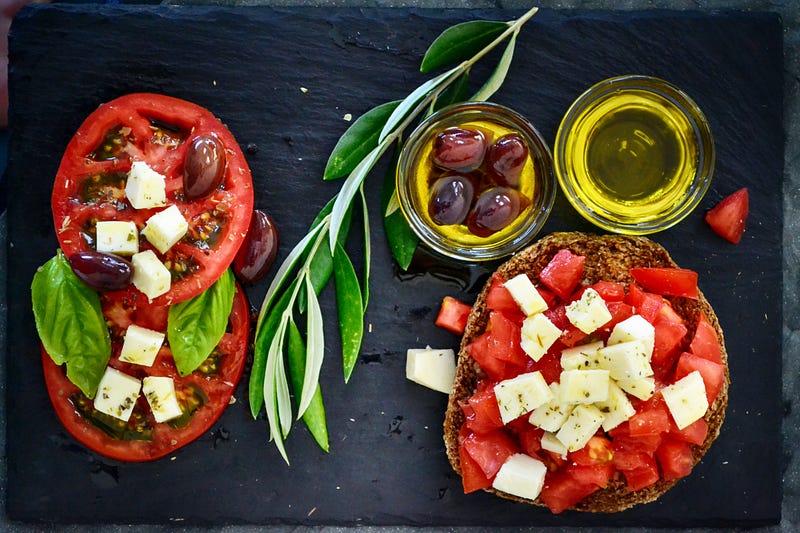
One of the most healthy diets in the world is the Mediterranean Diet. You’re probably used to the concept ‘diet’ as some kind of formula that people see in a magazine and apply to lose weight, but the Mediterranean Diet, however, is NOT that: in case you haven’t heard about it yet, it’s a cultural practice, a group of eating habits that include not just foods but also the way you connect with them — and this makes all the difference in people’s health and longevity. This is the most studied diet by health sciences, with an enormous list of scientific studies proving its benefits — with a high nutritional density, and enough calorie density for you to have energy for your body to function.
How To Overcome Cravings
First of all, you really need to get rid of foods with no nutrients and only calories, because those are the origin of your cravings. Think about it: your body needs nutrients (obviously), but if you’ve just eaten food with zero nutrients and a lot of calories, your body will keep wanting nutrients, so you’ll search for more food to eat — your hunger never stops, and you just can’t seem to be able to feel satisfied. This happens because you haven’t nurtured your body properly.
When you change that and start focusing on foods that are rich in nutrients, you start to realize you feel full for more hours, and you stop craving.
Next time you’ll buy something to eat (in the supermarket, restaurant, coffee shop, etc.), ask yourself if that particular food or drink has real nutrients or just calories that will damage your body and your brain.
A Healthy Mind In A Healthy Body
Most people seem to think that the brain is not part of the body, treating both separately, when in fact, your brain is as much part of your body as your arm, liver, heart, etc.
Granted, the brain is the most sophisticated part, but it’s still a part of the body. This means that an unhealthy body will never carry a healthy brain. Taking care of your body's health is taking care of your brain's health because these two are inseparable.
Ancient Greeks had this Philosophy: “healthy mind in a healthy body”. Plato, whose real name was Aristocles (Plato was a nickname that meant “wide shoulders”, as I've shared in a previous article), was very athletic, with healthy nutrition and healthy sleep habits. He took care of his body and mind as one. The father of occidental medicine, Hippocrates, had this very emblematic phrase: “Make your food your remedy.”
This knowledge is from over 2000 years ago, and it’s still accurate.
Moreover, when you start paying attention to spiritual wisdom all over the world, you will observe both in the occidental and oriental worlds this notion that taking care of your body is also taking care of your brain and mind.
This is ancient wisdom, confirmed by modern science. But we tend to forget that in our daily routines. Most people have the worst habits: sedentary lives, no exercise whatsoever, stress, junk food, and bad sleeping habits. The result is catastrophic for the body and brain function, and also for your mind: your thoughts start entering a negative spectrum because everything is unbalanced in the brain.
Bottom line: choose foods with high nutrient density and low-calorie density. Avoid calories with no nutrients at all costs.

The Worst Foods For Your Brain
Ultra-processed Foods
These foods need to be deleted from your daily routine “yesterday” — they are killing you. Generally speaking, these are foods that go through a series of processes in which, most of the time, artificial elements made in a laboratory are added, changing their nutritional profile and increasing calories.
Some examples of these foods are: - sugary soft drinks - drinks with artificial sweeteners - chips - nuggets - processed meat such as sausages, chorizo, etc. (by the way, these are cancerogenic) - chocolates - cakes - biscuits - cookies - ice-creams - breakfast cereals - ready-made soups mixtures - ready-made frozen foods (pizzas, lasagnas, etc.) - anything and everything deep fried - etc.
These are just a few examples. These foods are high in calories, very poor in nutrients needed for your brain and overall body to function properly and healthily, and — worse than that — they actually contain extra substances that are dangerously damaging to your health.
If you want to be focused, sleep well, have emotional health, stop procrastinating, and have the energy and disposition to do the things you need to do every day, you have to eliminate these foods from your life.
What Happens When You Eat Carbs Every Day
Let me ask you a question: Do you have kids? And if you do, what do you give them for breakfast?
I hope you’re not giving them bread with butter and ham, and some sort of chocolate drink, cereals, and cake (or a similar combination). But in case you are, can you guess what this is doing to your son’s/ daughter’s health every day? Can you understand why they can’t focus in school and their grades are not as good as you’d hoped?
What about your own eating habits? What do you eat for breakfast and for your morning snack? Cookies with coffee? Can you guess what this is doing to your brain every day?
When glucose rises in our bloodstream, and we keep doing this for a long time, we start developing what science calls insulin resistance — and this is involved in pretty much every health problem you can think of.
Sugary foods, much like foods with a disproportion between Omega 6 and Omega 3 (with more Omega 6), will create chronic inflation in your body and brain — and I cannot stress enough how deadly this invisible enemy is: it’s behind metabolic issues; cardiovascular problems such as myocardial infarctions and strokes; psychiatric problems such as anxiety and depression (among others); and neurodegenerative diseases.
Let that sink in.
Moreover, due to circuits related to serotonin that we have in our brains, we tend to feel sleepy and without energy. This is very clear when we eat a lot of cake, bread, or even pasta.
This doesn’t mean you can’t eat these foods once in a while, but it means you should not eat them every single day — and when you do eat them, eat small portions, have vegetables, good fat, and protein accompanying them, and never eat them when you are breaking fast.
Personally, I don’t eat them at all. When I ate them, I got sluggish, I wouldn’t be able to focus or function properly, I couldn’t stop having cravings and I developed a weight problem — until I made my research and found out why this was happening.
Sugar
It’s one of the most inflammatory carbs we know. Your lack of focus and energy is usually a consequence of the inflammatory foods you eat. Of course, it’s not just food that creates these inflammatory processes: sedentarism is pro-inflammatory; lack of quality sleep (and for insufficient time) is also pro-inflammatory. But the food you eat during the day, week, months, and years, is also a key factor.
Sweeteners
About this subject, I recommend you read the study — “Personalized microbiome-driven effects of non-nutritive sweeteners on human glucose tolerance” — published in Cell magazine (one of the most prestigious scientific magazines in the world). It proves several sweeteners create health problems in the intestine microbiota. The study is long, but for the purpose of this article, I’ll tell you what I tell the people I love: do NOT use saccharine and sucralose, and run away from foods with these sweeteners in their ingredients.
Something you probably don’t know: even if the calories are zero, the sweet taste is sufficient to activate your dopaminergic system, which can lead to a certain dependence on sweets.
Alcoholic beverages
Scientific studies with tens of thousands of participants during a long period of time (years), conducted by highly respected scientists in prominent universities and laboratories, have shown there is no safe daily dose of alcoholic beverages.
Alcohol is toxic — period. Our brains react and suffer modifications even when we drink only a glass of wine per day.
There is a myth that tells you that a glass of wine per day is good for your heart. This is said because wine has a substance called “resveratrol” — a natural compound found in some plants, particularly in the skin of grapes, as well as in red wine. It is known for its potential health benefits, such as anti-inflammatory and antioxidant properties.
However, for you to get the necessary amount of resveratrol needed to have these benefits, you would have to drink an insane quantity of wine per day: at least 2 bottles — and there is absolutely no scenario where drinking 2 bottles of wine per day is beneficial to your health — alcohol absolutely destroys your sleep, your health and your brain capacity to function properly. If consumed in high doses for a long period of time (years), it will also interfere with your personality creating disorders.
Bottom line, the myth that a glass of wine per day is healthy, is just that: a myth. If you want the benefits of resveratrol, there are supplements in the pharmacies.

The Best Foods For Your Brain
The first thing you must do is eliminate the previous foods from your (and your family's) routine. I promise you will all feel the difference, starting with more energy in the morning and throughout the day (and life).
Secondly, replace them with:
. Good carbs such as legumes — a type of vegetable that includes plants like beans, peas, lentils, and chickpeas. They are very nutritional, and an excellent source of protein and fiber (just make sure you don’t add processed foods or any artificial substances when you cook them, and make sure you don’t eat anything to which you have any type of intolerance);
. Good proteins — (instead of processed meats and sausages). These can be from animal and/or vegetable sources.
. Good fats, such as avocado and Olive Oil — regarded by ancient Romans as “liquid gold,” it has scientifically proven benefits for our health.
How to choose your Olive Oil:
- Extra-virgin olive oil: extremely healthy due to its anti-inflammatory substance called ibuprofen (you probably know it from anti-inflammatory medicine). This is the highest quality olive oil, made from pure, cold-pressed olives, and you should use it in everything except processes with high temperatures. It has a fruity flavor, is low in acidity, and has a strong olive aroma. Use it raw since it’s best used as a finishing oil (drizzled over salads, vegetables, etc.). Don’t use it in high-temperature processes, as it will damage this oil and you will lose its properties.
- Virgin olive oil: This is also made from pure, cold-pressed olives, but it has a slightly higher acidity level than extra-virgin olive oil. It has a milder flavor than extra-virgin olive oil and is best used for cooking and sautéing.
These are the ones I use and recommend. There are others, but if your priority is your health, do not use any with ‘refined olive oil’ or ‘refined vegetable oil,’ or pretty much anything ‘refined’ in the ingredients, because these have chemicals, used to fry food — both things are incredibly harmful to your health, so my advice is for you to get rid of both altogether.
Also, make sure you are not buying falsified olive oil (their low price is a hint since true olive oil is never very cheap). I’m originally from Portugal, the center of production of some of the best award-winning olive oils in the world, so I always use Portuguese brands such as “Galo” or “Oliveira da Serra” (I’m not being sponsored to promote these brands, they are just the ones I use since they have a good quality-price relation for me). However, there are other very good olive oils, not just from Portugal but also from other countries — just make sure you make your research before buying.
. Fresh fruits (preferably from your own kitchen garden or from another origin you trust to avoid harmful chemicals)—eat the entire fruit or make smoothies, but stop doing orange juice: you’re taking out the fibers that balance the fructose, and you’re drinking only the sugars present in the fruit, which will raise your levels of glycemia in the blood.
And make no mistake: fibers are an absolute key to both your brain and your intestine (known as the second brain).
. Water — I’m sure this is not news to you: water is absolutely mandatory for your body’s and brain’s health.
The more real food you eat, the better your body in general, and your brain, in particular, will function. And if you’re thinking I’m taking out all the fun, well, it all depends on what you call “fun” — you just need to choose which variable you’ll allow to govern your life:
If the variable is immediate pleasure, you are choosing to destroy your health and condemn your body, brain, and your life quality just for momentary pleasure. It’s a choice, you’re free to make it.
However, if the variable is a healthy body and brain, you will have to waver some momentary pleasures, so you can harvest bigger benefits: your body, brain, and mind will work better, you’ll feel happier, you’ll get more productive in your business or job, and you might even be promoted for better performance.
Circling back to what I’ve written at the beginning of this article, “If you have never thought about the connection between food, brain, performance, personal life, and professional and financial success, it’s time you start doing so.”
When you take real care of your body and brain, everything changes. But, once again, the choice is yours. However, keep in mind: for every choice in life, you will have a waver.
Intestine & Brain
Our intestines have a population of bacteria — the gut microbiota. You probably already know this. But what you might not know, is that depending on what you eat, those bacteria can be extremely prejudicial or extremely beneficial to you.
Everything that happens with our intestines has a co-relation with what happens to our brain, and vice-versa: a sick brain usually brings problems to the intestines, and a sick intestine usually brings problems to the brain.
It’s not a coincidence that people who eat foods poor in nutrients and poor in fiber have a bigger probability of developing depression or anxiety — and usually, those who have depression or anxiety try to get immediate comfort in ‘comfort food’, in a never-ending vicious cycle.
Anxiety and depression are neuropsychiatric disorders, involving systemic problems in the body (not just the brain) — the person does not feel happy, and in extreme cases does not have the will to live. Comfort food ends up being a way of having a little bit of joy, so it’s a bad habit that tends to exist in these situations, making them even worse in the long run because it’s prejudicial to the intestinal microbiota, and it’s prejudicial to the relation brain-intestine, producing inflammatory processes in the body that will aggravate the depression and anxiety and even increase the probability of other diseases.
To help our intestinal microbiota work better, combat the bad bacteria, and thus have our gut and brain working better, we need to ingest pre-biotic fibers: vegetables (beans are very rich in pre-biotic fibers), and fresh fruits (persimmons are very rich in fibers, but there are others: you can make online research on your own time about fruits that have more fibers).

Final Thoughts…
Whether you are a fully grown-up individual chasing a promotion or trying to expand your business, or you’re a student trying to get better grades while struggling with procrastination and a lack of focus, or you just want to do everything in your power to have a long healthy life, I hope today’s article has opened up your eyes to the bad nutrition habits that are damaging your health, and your chances of success.
You need your brain to think clearly to find the best strategies and solutions for the problems and challenges you face every day. This starts with a good night's sleep and a carefully chosen food intake.
Next time you feel tired, with no energy, and no motivation whatsoever to do what you know needs to be done, start by asking yourself what can you improve in your eating habits. I’ll leave a link below to a previous article where I share a healthy routine to maximize your brain’s potential, including (but not limited to) food.
Our bodies and brains are our most precious assets. Your Health is your biggest Wealth. Treat it accordingly.
🧠 Join my VIP List to access Exclusive Content. To learn more and subscribe, click here (it’s free).
Thank you for reading. With ♡ Sally _
Recommendation:
📚 “The Grain Brain Whole Life Plan” by Dr. David Perlmutter In this book, Dr. Perlmutter has written the definitive, highly practical lifestyle guide offering a step-by-step plan to lower the risk of brain ailments while yielding other benefits, such as weight loss, relief from chronic conditions, and total body rejuvenation. You can get it on Amazon. For a complete summary and to check the price, click here.
In case you wish to dive deeper into the subject, for an extensive bibliographic list please send me an email to [email protected] _