
SOCIETY
These Core Principles Can Change Everything
If you’re tired of seeing the news and think society is broken…
This week, I was reading Scott Tarlo’s latest newsletter, The Insider (for Politically Speaking,) and it prompted a rather deep discussion about where we have gone wrong as a society; to warrant division, intolerance, crime, shootings, etc. Scott and I talk from time to time about life, and yes, political and social issues. He’s a stand-up guy and I consider him a friend.
It’s really easy to have these conversations among friends when you share the same political view and often similar ideas. I told him I had some ideas of my own to answer his posed questions in the newsletter. What ails us isn’t a political issue, it’s an issue of a broken moral compass. Or yet, one that is not being crafted fully from the very early years. This falls on all of us — not just parents. Every adult plays a role in shaping our tomorrows, much like we are all reaping in this country, right now, what we’ve sown for more than decades.
The most broken among us are wielding weapons and shooting people as demonstration of their outrage. It’s happening weekly, sometimes daily. How have we created these monsters; raging at the world about their own pain or misguided perspectives? Perhaps it is more about what we have failed to do.
What ails our society is that we have replaced our natural inclination to be empathetic, with the drive to have personal notoriety or success. We care more about being noticed, being special, and being our own entitled selves than we do about the simple things that teach empathy. To even begin to rectify this, we need to get back to kindergarten, or even earlier.
How Can We Have a Better Society? It Begins Early.
In the early, formative years, we can instill empathy and respect in our children, both for others and for the environment. If we were to work harder to reward these core principles that build a more peaceful and functional society, address mental health issues as we would any other illness, and teach respect, then we have fought half the battle already. It begins with three core principles:
- Respecting oneself and others
- Careful and healthy management of our emotions
- Respect and care for the environment which we all share and live in
Let me be clear: People that have a deep understanding and committed application of these core principles in their lives do not go around destroying things or destroying other people. They don’t take a gun to a public place and mow down dozens of their fellow citizens — nor would they even want to. They understand the value of life, not just their own, but of all things.
Teach Children to Respect themselves and Others By Demonstrating It
Research shows that babies can show empathy as young as 6 months of age, meaning that if we are living in a society lacking in empathy, we are programming this out of our children. We can do better.
Value Kindness and Demonstrate it to Our Children
From very early on we tell our children that their performance matters to us. We reward learning, progress, accomplishment. True empathy often goes unrewarded. We thwart “overly emotional” responses to anything and replace those natural instincts with a drive to succeed.
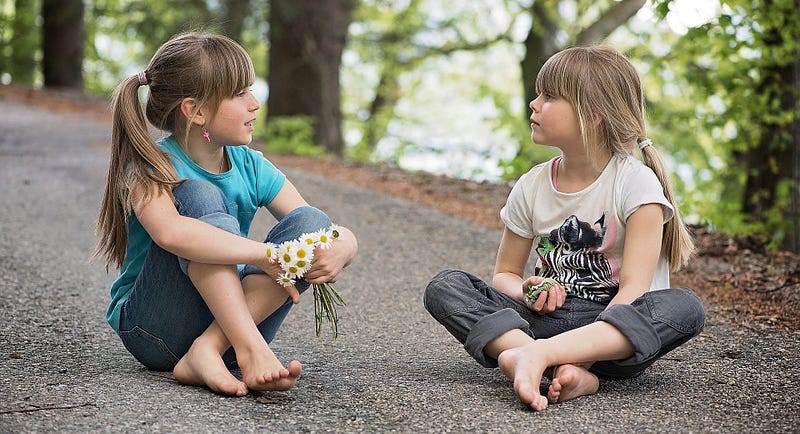
Society could not function properly without empathy, kindness, charity. Every major religion addresses compassion as a core principle, offering verse and guidance. Laws prevent violent acts toward one another. Volunteerism and charitable organizations press us toward charitable acts for one another and for society. But teaching compassion begins with our children, right in our home. What we value, we teach, even if it is merely by example.
Want to raise children to become productive and useful members of society? Teach them the value of human emotion; when well placed makes our world spin a little more smoothly.
Teach Boundaries: Both Setting Them and Honoring them in Others
One reason our society has gone off the rails, so to speak, is that our children grow up not understanding how to respect boundaries.
- This is my body, not yours.
- This is a fence. Do not cross without permission.
- This belongs to me; you cannot just take it.
- This is the earth — you cannot simply trample it with your activities.
- This is a rule, in place for your protection and for things to run smoothly — how about following it while you are here?
Interactions need not be about power; we can work together to make something happen. Too early on, we teach or permit our children to trample the boundaries of others. We fail to teach them about healthy boundaries for themselves and about self control; which is crucial for adults to move about in society without hurting others, common property and spaces, or the environment around them.
Address Mental Health Issues Early and Thoroughly
When mental health issues bend the mind and understanding our children have about the world around them, we need to not be so afraid of addressing these issues. While one may not be thrilled about working through the medical mental health care system, it is an option that is there for us to use and to learn how to manage our daily emotions, social interactions, and also the mental health medical issues that change how we operate.
We can teach our children that our emotions are valid but that how we respond to those emotions is a choice. When those choices are difficult to make properly due to mental health issues, we need to address those issues with heightened mental health care and support.
If we were to work harder to reward the core principles that build a more peaceful and functional society, address mental health issues as we would any other illness, and teach respect, then we have fought half the battle already.
When we hide these things or pretend they are not there, asking our children to tamp down their emotions rather than learning to deal with and express them properly, we are creating future problems in our society. We need to teach our children early how to talk about their emotions, talk about the problems they face, and seek workable solutions.
This especially includes trauma care treatment for our children. Teaching our children that our traumas shape us, but ultimately we are strong and resilient and can empower ourselves for healing — our children grow up feeling like they are masters over themselves and can handle difficulties. We need to empower our children to be mentally strong.
Teach Children to Respect the World They Live In
As an educated environmental scientist, I had to study ecology, in depth, and often these studies included the study of the human animal. I can’t say they were any more or less enjoyable to me than studying the animal ecosystems and survival strategies, but certainly the human free-spirited and emotionally driven, complex thought processes brought a myriad of parameters to the table. Humans, in short, are unpredictable.
But, one thing I learned is that what we value and teach to our children has an impact on our society. Beginning with the basic value of human life, and all life. I have often said as an environmental scientist and writer, that we do not save that which we do not care about. This, most fundamentally, includes the environment in which we live.

Teach Your Children to Leave Spaces Better
There’s a concept in Girl Scouting that I have always appreciated about the organization.
“A Girl Scout always leaves a place better than she found it.” — Girl Scouts
As an adult I have more respect for this concept, though as a Girl Scout I often thought it was a way to get girls to behave with more servitude. Yes, it teaches a service mindset, but it also teaches girls to pay attention to their environment. Not simply to try to reduce their own footprint (negative impact on the environment), but to also look for ways to improve the spaces they move around in, whether personal spaces in their home or public spaces they share with their community. Sometimes those acts are simple, but we should teach that even small acts of kindness and care are important: picking up behind oneself, cleaning up a space, turning off a faucet that someone else left running, or putting out a dish of water for a thirsty animal.
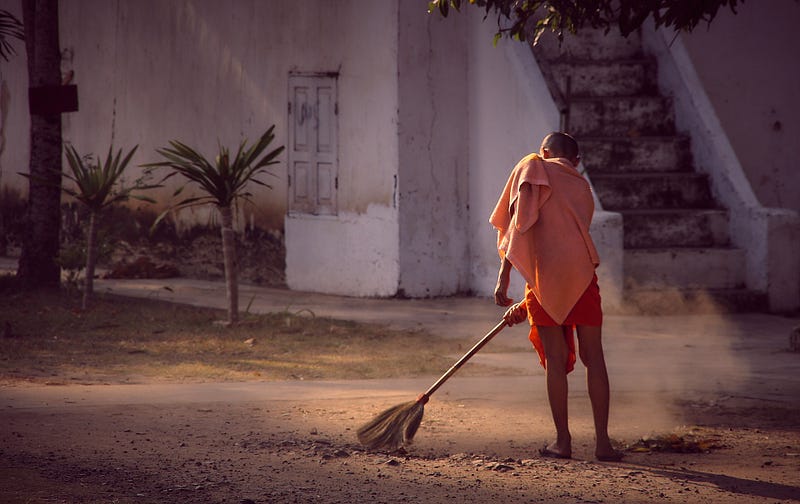
When people enter a space and look for ways they can improve it, we all benefit from this generous and caregiving attitude. It is really hard to feel both this responsibility to leave the world a better place and look for ways to cause destruction. I believe teaching this to all our children will encourage them to care for the world around them and to be aware of their own impact, both good and bad, in their community.
Do Not Ever Litter in Front of Your Children
One of the most destructive things we do to our children is littering the world around us right in front of them. Think of the complete disregard this teaches our children for nature, for others that come behind us to share the same spaces, and for the ecological make up of our world.
We toss something on the ground or display improper disposal of garbage and then go on about our daily lives with this “it doesn’t affect me” mindset. What is this teaching our kids about selfish behaviors and self-serving decisions? What, I ask, can we do better in this regard to make sure our children make responsible choices — because it is the right thing to do? If one can be taught to care about social and environmental responsibility, then one will be less inclined to harm others or act destructively with one’s behavior.
Teach Children to Love Growing Things
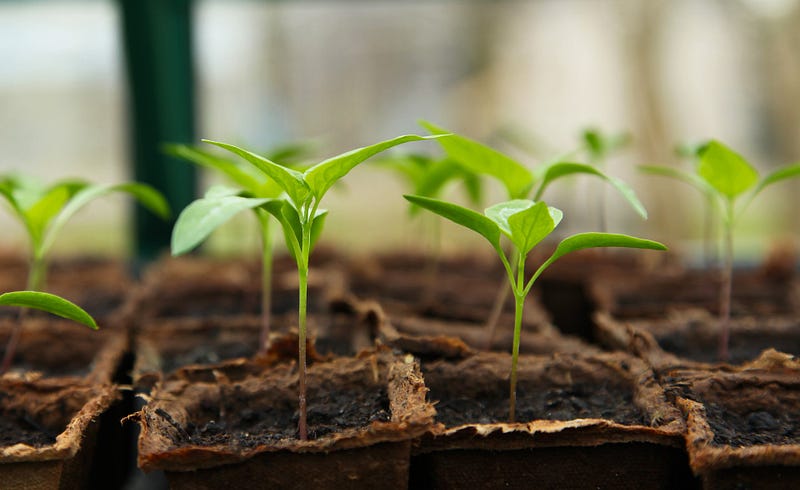
My final point is, in my opinion, a big one. Teaching your children to appreciate plant life, the growth cycles of all things, and how to get their hands a little dirty — the right way. The life lessons from plants are many and trees, plants, aquatics, the water cycle, the interconnectedness of our ecological systems are metaphorical for many of the lessons our children need to learn to become productive, caring, nurturing adults.
- Plants seek the sun — always look for the good.
- Caring for plants produces growth and bounty — what we care for and nurture can feed us physically, emotionally and even spiritually.
- Growing things gives back to the earth — generosity gives back in all areas of our lives.
- Plants all work together to make a larger whole (forests, in the oceanic environments, meadows) — we all have our place in the community and we are all a part of something largely good.
- Plants are peaceful and consistent, producing oxygen that feeds our lungs and greenery that nurtures life — there is a great peace and better health to be found in a relationship with natural things.
When we teach our children to care for the soil, nurture seeds into plants, flowers and trees, to care for the bees and butterflies that pollenate them (as well as all of the crops that feed our bellies!) then we teach our children to think about life. About how one thing affects another. How it all works together. And how our (their) actions can have an impact on more than what we just see right in front of us.
This teaches children to nurture and to consider the consequences of their behavior, valuable lessons they can carry into adulthood.
In Summation
There’s a whole lot of things really wrong with our society. Just watch the news for a few minutes and you’ll be reminded of this.
Consider a perpetrator you see on the news (or someone who has harmed you, personally) and ask yourself: If they had a deep understanding and experience with the measures I mentioned above, might they have chosen a different path? If they carried a deep respect for others and the environment? What if they had learned at an early age to express their emotions in a healthy and responsible way? If they cared about more than their own situation? Could see the bigger picture and seek their own positive impact on the world around them? What if someone had helped them learn to heal their traumas, or if they’d learned how healing it is to take a walk in nature, seek purpose, servitude, and generosity in their lives?
Perhaps I am oversimplifying, or I have a deep hope for the decency of humans, but I think these things would have made a difference. For that perpetrator, for those victims, for the children who see it all happening. I really must believe we all have a chance. That we can do better.
Thank you Scott Tarlo for getting my mind working on these things today. And as always, I enjoy our thoughtful talks. Thank you for all you do to support writing here at Politically Speaking.


