
These Breathtaking Places Are Not in Switzerland — They’re in Pakistan
What the media won’t show you about Pakistan’s Northern areas
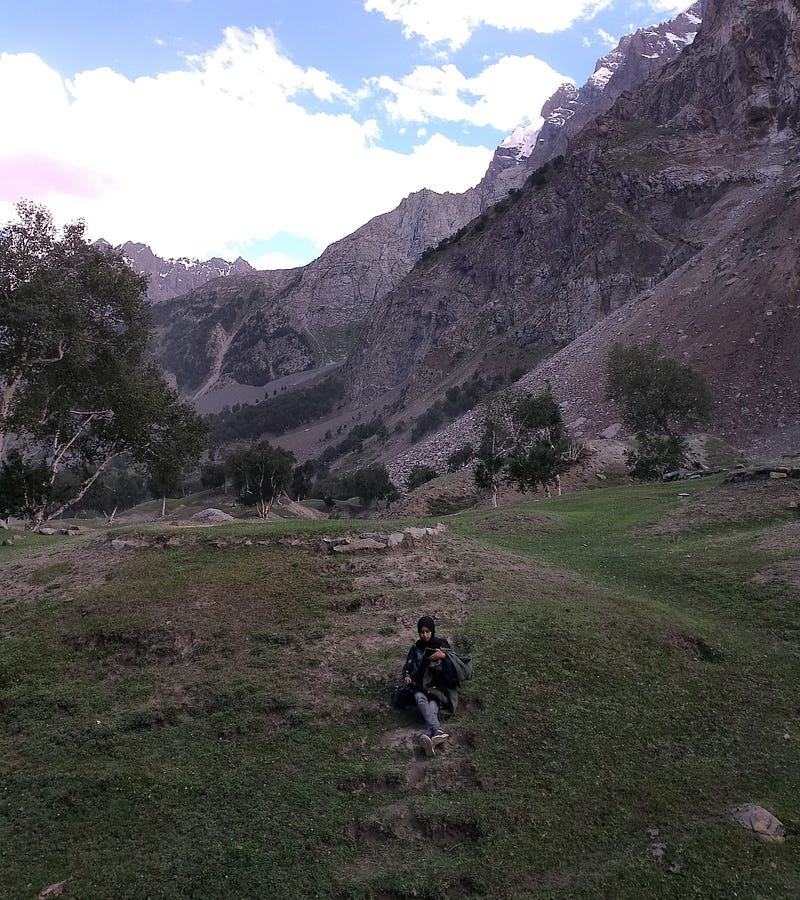
When I first came to Pakistan for my undergraduate degree, I knew nothing about how breathtaking its landscapes were. I, like most people, was fed the usual propaganda from the media — that Pakistan was a war-torn state, unsafe for foreigners, riddled with political instability and poor living conditions.
And then I came here — and I was blown away. You don’t see this side of Pakistan on travel magazines, and the media is conveniently blind to it.
You must have seen plenty of videos of Switzerland — well, the Northern areas of Pakistan are no different. From serene meadows to gushing rivers to dangerous mountain passes to snow-capped hills, the landscapes would kindle a lifelong wanderlust and a yearning for the mountains.
I made it my mission to explore every place I possibly can, as my student’s budget would allow, during semester breaks — from the Northern areas of Pakistan, snuggled between iconic snow-capped mountain ranges and rugged peaks, to the Southern parts, home to historic monuments and ancient civilisations.
The Valleys of Hunza
Hunza was always the first on my bucket list. When my fellow Sri Lankan friends in Islamabad planned a five-day trip to visit the valleys of this iconic landmark, I was thrilled.
But Hunza far exceeded my expectations.
Located in the Gilgit-Baltistan province of Pakistan, close to the China-Pakistan border, Hunza is surrounded by several iconic mountain ranges — which was why it was cut off from the world until the 1970s, as these mountain ranges were once impossible to cross unless by foot. Although roads have now been constructed, it is still considered dangerous to visit Hunza during off-season, due to the perils one encounters on the treacherous Karakoram highway, a mountain pass that is often a site of landslides and rockfalls.
(Our journey through the Karakoram highway deserves its own separate story!)
Apple trees flanked the road on either side of us as we sped past small towns, before stopping for the night at an inn that sat overlooking the majestic snow-capped Rakaposhi peak. There were stalls stacked with walnuts and cherries and apricots, which are as common in Hunza as mangoes are everywhere else.
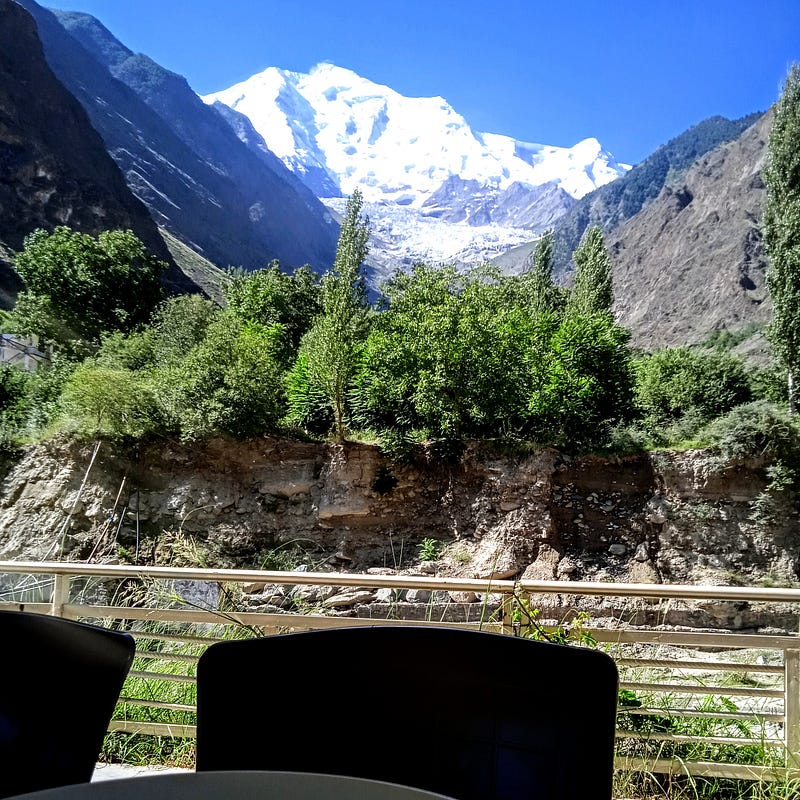
We walked through the small bazaar past midnight, enjoyed walnut cookies and a slice of walnut cake in a warm cosy bakery filled with the aroma of freshly-baked items, and spent hours in a small jewellery shop, admiring its marvellous collection of jade rings and glittering jhumkas and colourful bracelets. We tried on traditional Gilgiti caps — the ones for women adorned with tiny mirrors and circular pieces of metal like coins, and the ones for men shaped like a beret, white, with a single peacock feather attached to it.
The next morning, I woke up to find the branches of an apple tree, weighed down by fat green apples, leaning right across the inn’s balconies — a novelty, because we do not have apple trees back home in Sri Lanka.
The Lakes of Naltar Valley
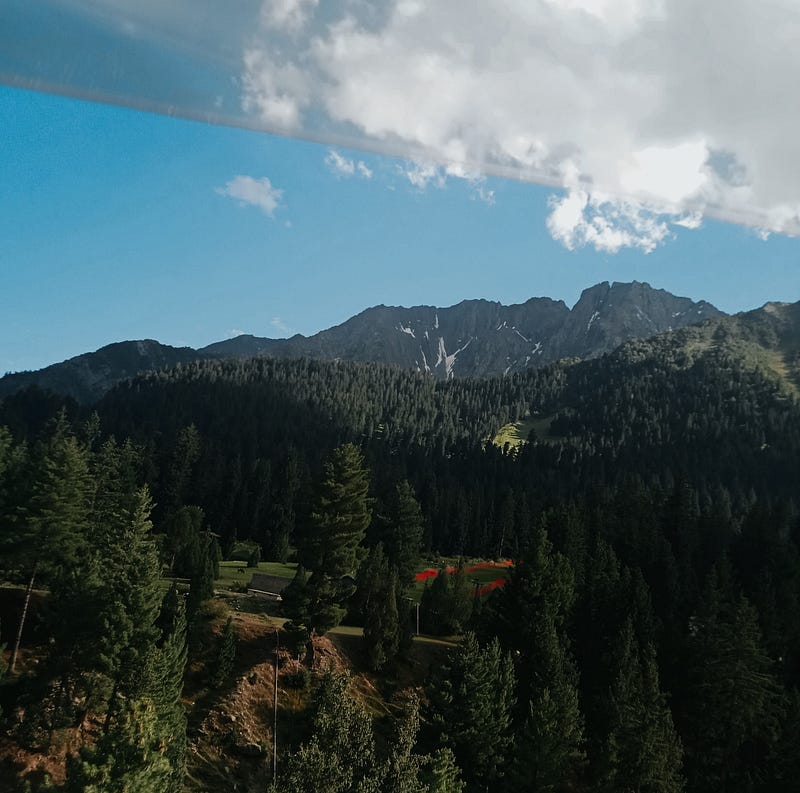
Unlike most tourist destinations of the Northern areas of Pakistan, Naltar Valley, located in Hunza, can be visited at any time of the year — in the summers, it is surrounded by conifers and verdant greenery and is home to some spectacular lakes. And in the winters, with a layer of snow, it hosts ideal spots for skiing, and the frozen lakes at the base of snow-capped mountains will offer some magnificent views.
The road to the valley is rocky, bumpy and dangerous — private vehicles are highly discouraged. We bounced along in a 4x4 jeep, the powerful flow of the River Hunza to our left, and a ragged mountain face to our right. At times, our jeep came to a standstill, as excavators cleared up the evidence of a recent landslide just ahead of us.
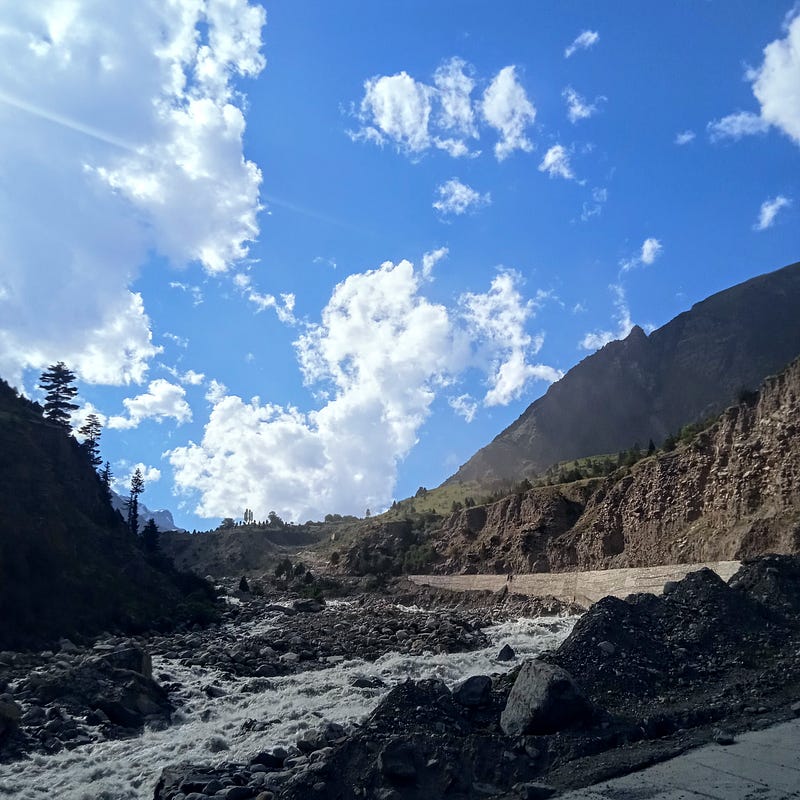
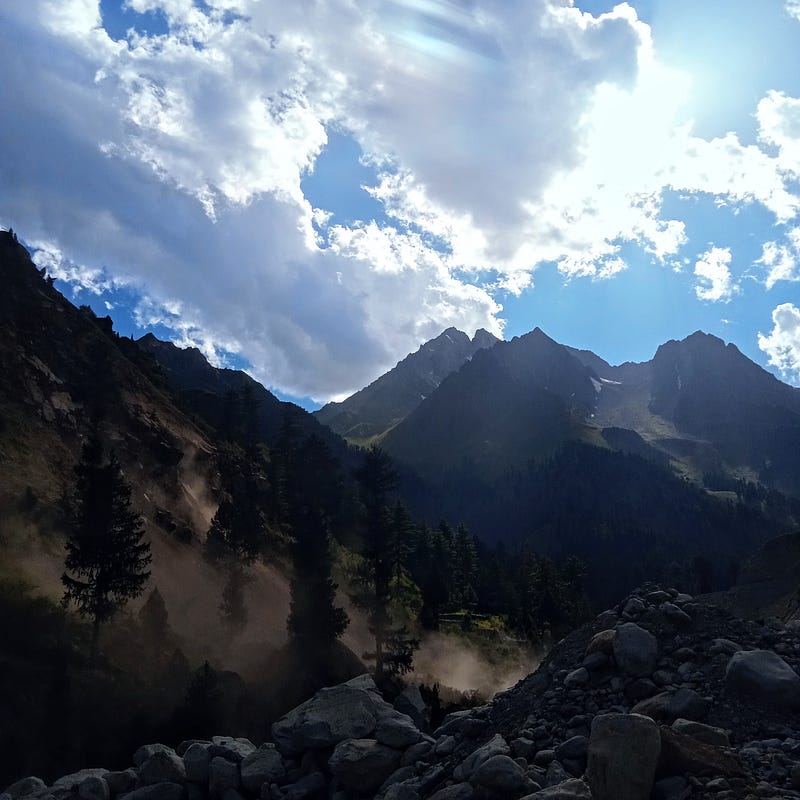
Once, I saw boulders roll down the hill just beyond the river — an avalanche — kicking up a cloud of dust.
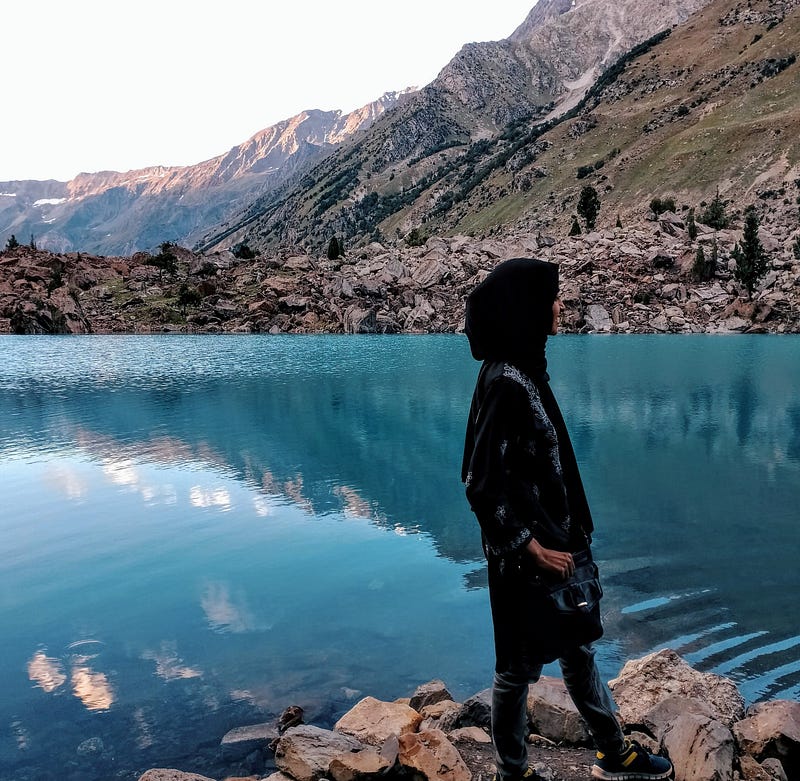
Naltar Valley is famous for its three lakes. The first was Lake Satrangi, also called the Lake of Seven Colours or Rainbow Lake, which is quite self-explanatory, as it reflects different colours due to the formation of several algae underwater.
The second lake, with its deep turquoise waters, was Pari Lake (or Fairy Lake or Blue Lake), and the third was Firoza Lake, which is inaccessible by vehicle. It can only be reached by an hour-long arduous hike, which we had to skip because night was falling.
Attabad Lake and the Ibex Museum
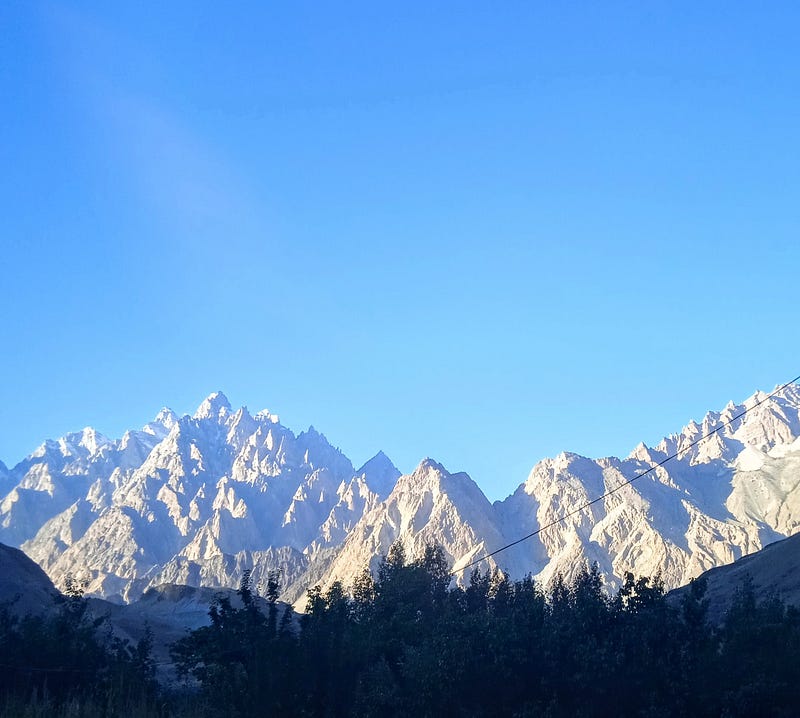
Our boat riding adventure on day three in the cerulean waters of Attabad lake, with the ragged peaks of the Passu cones cutting through the skies in the distance, filled us with exhilaration and wonder.
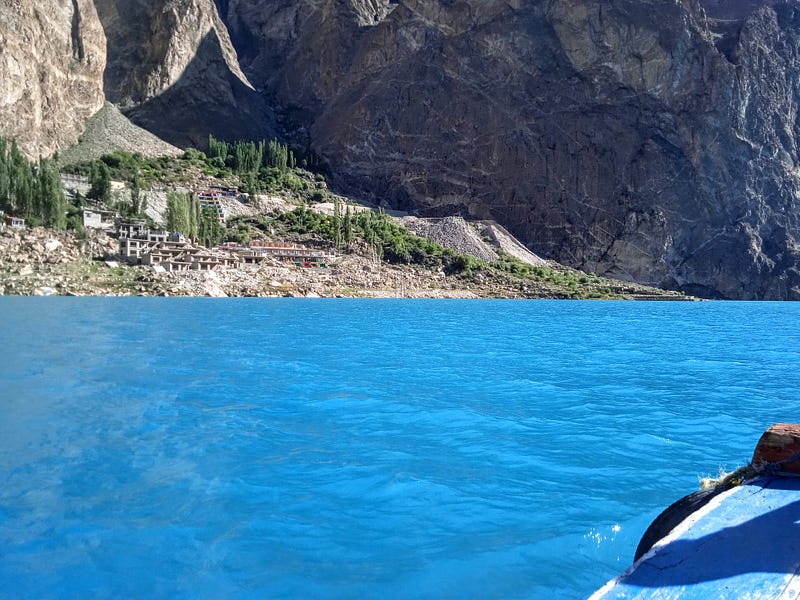
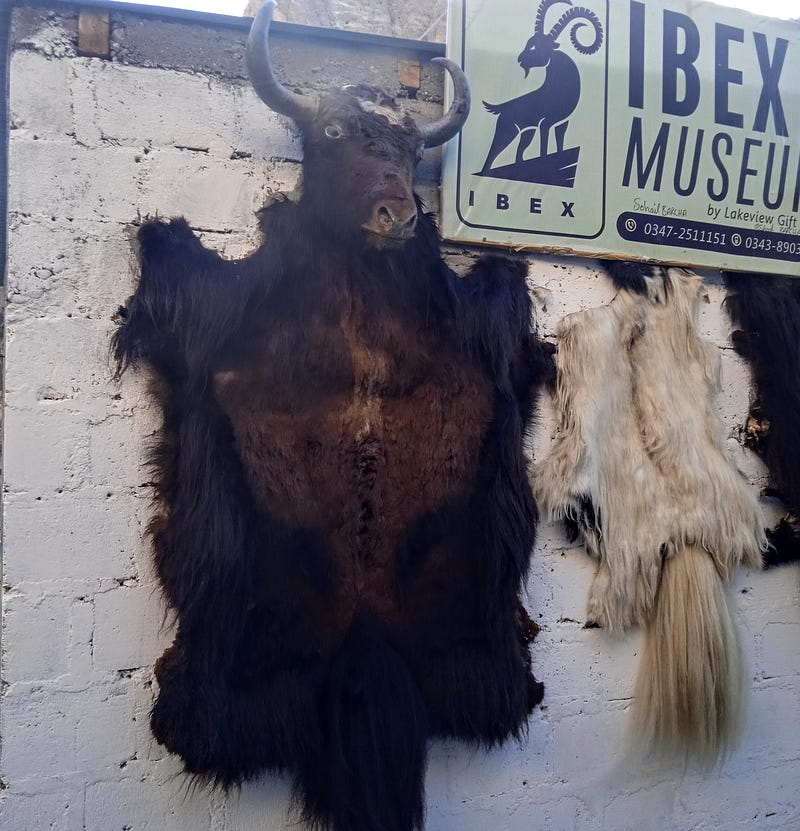
The small, bustling market adjoining the lake was a treasure trove — there were ibex museums, showcasing real ibex skins and their large, scimitar-shaped horns, and real skins of small foxes found prowling in the region during the winters. There were preserved bull heads on the wall, and elegant swords in scabbards embellished with intricate carvings lay in one corner.
We held up our entire coaster bus for fifteen minutes as we ordered fries, which took a painstakingly long time to come out of the air-fryer. (But we managed to pacify our companions by passing the plate of scrumptious fries around the bus once we returned!)
Hunza is also the sight of many glaciers. In fact, Pakistan has the most number of glaciers outside of the polar regions, with more than 7200 documented glaciers — and almost 7000 of them are located in the province of Gilgit-Baltistan alone!
Hunza, for me, was beauty and adventure and laughter. It was breathtaking sceneries, gushing rivers, colourful lakes, bumpy jeep rides, daring escapades, lucrative conversations and, of course, newfound friendships.
Next time you hear about Pakistan, I hope you think about Hunza and all its grandeur — although my pictures cannot possibly do it justice.


