
These are 12 Signs and Symptoms of Burnout and Stress Overload You Feel Every Day, but You Probably Don't Know.
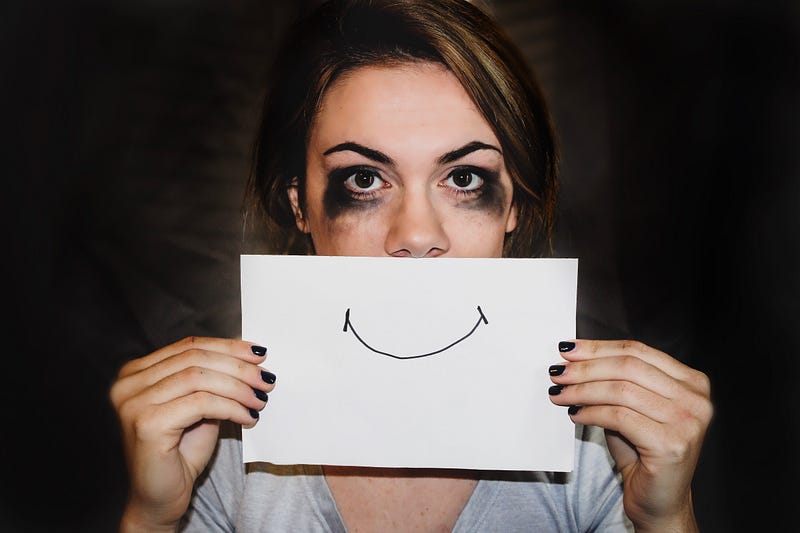
In our fast-paced and demanding world, it’s essential to recognize the signs and symptoms of burnout and stress overload. These conditions can creep into our lives, affecting our physical health, mental well-being, and overall quality of life.
In this article, we’ll explore the indicators that signal burnout and stress overload in three broad headings, helping you gain a deeper understanding of your own experiences and paving the way for effective self-care strategies.
Physical Signs and Symptoms
1. Chronic Fatigue:
One of the primary indicators of burnout and stress overload is persistent exhaustion that doesn’t seem to go away, even with sufficient rest. You may wake up tired, struggle to find energy throughout the day and experience a lack of motivation to engage in activities you once enjoyed.
2. Physical Ailments:
Stress overload can manifest in various physical symptoms. Headaches, frequent illnesses, muscle tension, digestive issues, and sleep disturbances are common signs that your body is under significant stress. Pay attention to these physical cues as they may be your body’s way of signaling the need for rest and self-care.
3. Changes in Appetite:
Stress can affect our eating habits, leading to either a decrease or an increase in appetite. Some individuals may experience weight loss due to a decreased interest in food, while others may turn to food for comfort and find themselves overeating or making unhealthy food choices. These changes in appetite can be an indication of stress overload.
4. Weakened Immune System:
Chronic stress takes a toll on our immune system, making us more susceptible to frequent illnesses and infections. If you find yourself catching every cold that comes your way or constantly battling nagging ailments, it may be a sign that stress is compromising your immune function.
Emotional and Mental Signs
1. Emotional Exhaustion:
Feeling emotionally drained and overwhelmed is a common symptom of burnout. You may find it challenging to regulate your emotions, experiencing frequent bouts of irritability, frustration, or sadness. Emotionally exhausted individuals may also withdraw from social interactions and isolate themselves from others.
2. Decreased Motivation and Productivity:
Stress overload can lead to a decline in motivation, making it difficult to focus on tasks and complete them efficiently. You may notice a drop in your productivity levels, feeling constantly overwhelmed by your workload and finding it challenging to meet deadlines.
3. Cognitive Difficulties:
Stress can impact your cognitive abilities, leading to difficulties with concentration, memory, and decision-making. You may find it challenging to stay focused on tasks, experience frequent forgetfulness, and struggle with making even simple choices.
4. Heightened Anxiety and Worry:
Chronic stress can contribute to increased anxiety levels. You may find yourself constantly worrying about the future, feeling on edge, and experiencing racing thoughts. This ongoing state of anxiety can disrupt your daily life and affect your overall well-being.
Behavioural Signs
1. Withdrawal from Activities:
Individuals experiencing burnout and stress overload may withdraw from activities they once enjoyed. Hobbies, social engagements, and self-care practices may take a backseat as you feel overwhelmed and lack the energy to engage in these activities.
2. Increased Procrastination:
When stress becomes overwhelming, you may find yourself procrastinating and avoiding tasks that need to be done. This avoidance can perpetuate stress, leading to a cycle of increased pressure and diminished motivation.
3. Isolation and Social Withdrawal:
Stress overload can make you feel isolated and disconnected from others. You may withdraw from social interactions, preferring to spend time alone rather than engaging with friends, family, or colleagues.
4. Changes in Sleep Patterns:
Stress can disrupt your sleep patterns, leading to difficulties falling asleep, staying asleep, or experiencing restful sleep. Insomnia or restless nights can exacerbate feelings of fatigue and contribute to overall stress levels.
Recognizing the signs and symptoms of burnout and stress overload is a crucial step in taking charge of your well-being. By identifying these indicators, you can proactively address the sources of stress in your life and implement effective self-care strategies.
I know you certainly experience these signs. Do yourself a favour, by exploring custom practical techniques you can use for managing and reducing stress, restoring balance, and cultivating resilience in the face of demanding circumstances.
Only you can do this for yourself, because if you don't take care of yourself, who will?
Here are other stress-related articles that will help you:


