
These 8 Prehistoric Animals Were Found Trapped in ice
The mysteries of the ancient world, prehistoric creatures remarkably preserved in the icy clutches of permafrost, offering us a rare glimpse into a time long gone.
Most of us have a natural curiosity about the creatures that once roamed the Earth. Our main source of knowledge about these extinct animals comes from fossils, which, although valuable, only provide limited information. Fortunately, every so often, the ice of our planet reveals preserved specimens from millennia ago, offering a clearer picture of past life.
These discoveries capture the imagination of people worldwide. In most cases, these ancient animals are found in permafrost, regions of ground that remain frozen year-round. This frozen state allows for incredible levels of preservation, giving us detailed insights into the species that lived during the Ice Age.
A Cold Time Capsule
This frozen ground is a crucial component of the Earth’s cryosphere and plays a significant role in our planet’s climate system. It covers approximately 15 million square kilometers of the Northern Hemisphere, providing a unique opportunity to study the past.
The science of permafrost preservation is relatively straightforward. When biological material, such as plants, animals, or microbes, is trapped in permafrost, the usual decomposition processes are halted. This is due to the extremely low temperatures that prevent bacteria and fungi from breaking down organic matter.
As a result, permafrost can contain well-preserved specimens of flora and fauna that lived thousands, or even millions, of years ago. These specimens can include anything from ancient pollen grains to whole mammoths frozen in time.
However, permafrost is a key player in current environmental dynamics. It contains large amounts of organic carbon trapped in the frozen soil. When permafrost thaws, this carbon is released into the atmosphere in the form of carbon dioxide and methane, potent greenhouse gases. This release exacerbates global warming, creating a feedback loop that leads to more permafrost melt.
The preservation of organic matter in permafrost provides valuable data for scientists. By studying these ancient remains, researchers can gain insights into past ecosystems, climate conditions, and how ancient organisms adapted to their environments. For instance, examining preserved pollen helps reconstruct past vegetation and climate conditions, while studying ancient animal remains sheds light on their diet, health, and surroundings.
1- Woolly Rhino
Covered in thick fur, this creature was well-adapted to the cold, harsh environments of the Ice Age. Unlike its modern relatives, the woolly rhino boasted a thick, shaggy coat and two large horns, features that were critical for survival in the frozen landscapes.
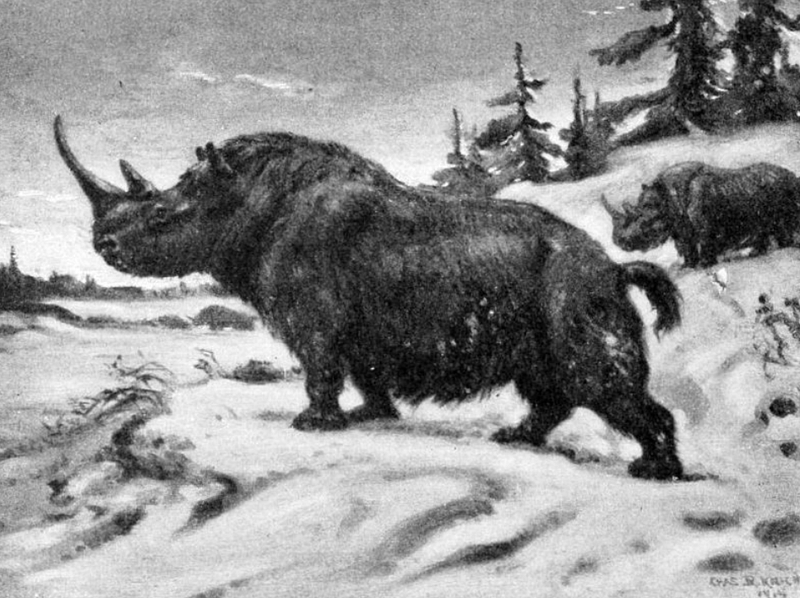

The discovery of woolly rhinos preserved in ice has provided scientists with invaluable insights into this ancient creature’s life and environment. In recent years, two significant findings have captivated the scientific community. In 2015, a young woolly rhino, later named Sasha, was found in the Siberian permafrost.
Remarkably well-preserved, Sasha still had her skin, fur, and some internal organs intact. This discovery was groundbreaking as it was the first young woolly rhino ever found, offering unique insights into the species’ development and juvenile characteristics.
Following Sasha, another woolly rhino was discovered in 2020, this time even better preserved than the first. This specimen, an adult, still had most of its internal organs, skin, and fur. Such a level of preservation is exceptionally rare and provided scientists with a rare opportunity to study the animal’s physical characteristics in detail, including its diet, health, and the environment in which it lived.
Studies of these specimens have significantly advanced our understanding of the woolly rhino’s biology and ecology. Analysis of stomach contents and surrounding soil has revealed details about their diet and the climate conditions they faced. These rhinos primarily fed on grasses, as evidenced by the plant material found in their stomachs, suggesting they inhabited areas with cold, grassy landscapes.
2- Cave Lion
The cave lion, an extinct species that once roamed across Europe and Asia, is another fascinating creature from the past unearthed from the icy clutches of permafrost. These majestic animals, larger than the modern lions we know today, were top predators in their ecosystems.
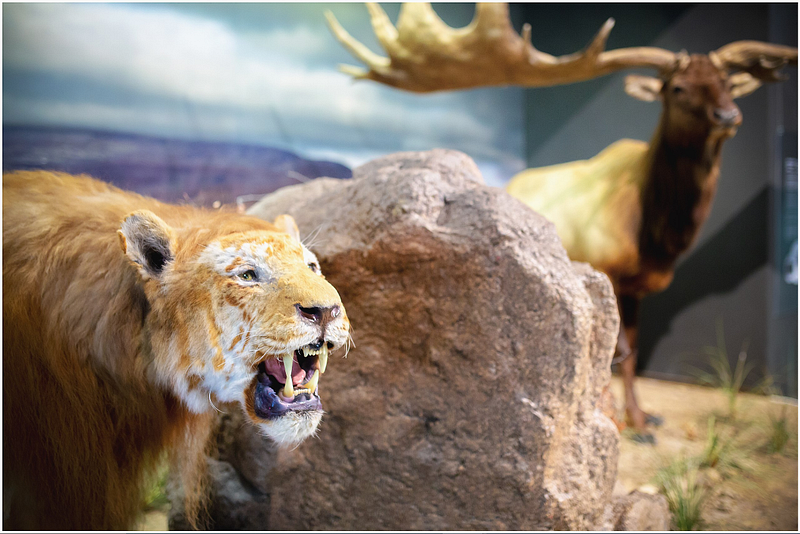

Despite their significant role in prehistoric food chains, much of what we know about them comes from sparse fossil records and ancient cave paintings. However, recent discoveries have shed new light on these formidable predators.
In 2017, a groundbreaking find in eastern Siberia changed the landscape and our understanding of the cave lion. Scientists uncovered an exceptionally well-preserved cave lion cub, later named Sparta. This discovery was remarkable for several reasons.
Firstly, the level of preservation allowed researchers to examine Sparta’s fur, whiskers, and even soft tissues — a rarity in specimens of this age. The preservation provided unprecedented insights into the physical characteristics of cave lions, contributing valuable data to the study of their development and anatomy.
Sparta is believed to have died suddenly, possibly due to a mudslide, which may explain her remarkable state of preservation. The specifics of her demise offer a glimpse into the harsh and unforgiving environment these creatures inhabited. The find also raises questions about the cave lions’ living conditions, their hunting practices, and how they raised their young
3- Mammoths
Mammoths are often regarded as the quintessential symbols of the Ice Age. These colossal creatures, relatives of today’s elephants, roamed the Earth during the Pleistocene epoch. Their massive tusks and woolly bodies have captured the public’s imagination for centuries.
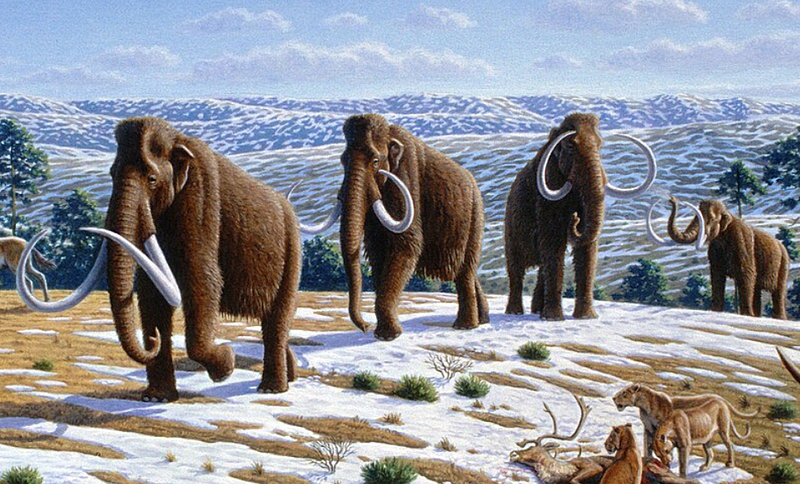

However, it is through the remarkable discoveries of frozen specimens that scientists have been able to explore the biology and ecology of these prehistoric giants.
Significant findings, particularly in Siberia and other regions of the Arctic, have included well-preserved mammoths with skin, hair, and sometimes even stomach contents intact. These discoveries provide invaluable insights into the mammoths’ diet, habitat, and the climatic conditions they faced.
In 2007, two mammoth calves, Lyuba and Khroma, were discovered in the Siberian permafrost, dating back approximately 40,000 years. These calves were in an extraordinary state of preservation, with Lyuba retaining her skin, hair, and even milk from her last meal.
The recent discovery in 2022 of another mammoth, one of the best-preserved specimens to date, has added to the growing body of knowledge. These specimens serve as direct windows into the past, offering clues to understanding how mammoths adapted to their environment and the challenges they faced.
4- Steppe Bison
The steppe bison, an Ice Age giant, roamed vast stretches of the Eurasian and North American landscapes thousands of years ago. This species, an ancestor of the modern American and European bison, played a critical role in the ecosystems of the Pleistocene epoch.
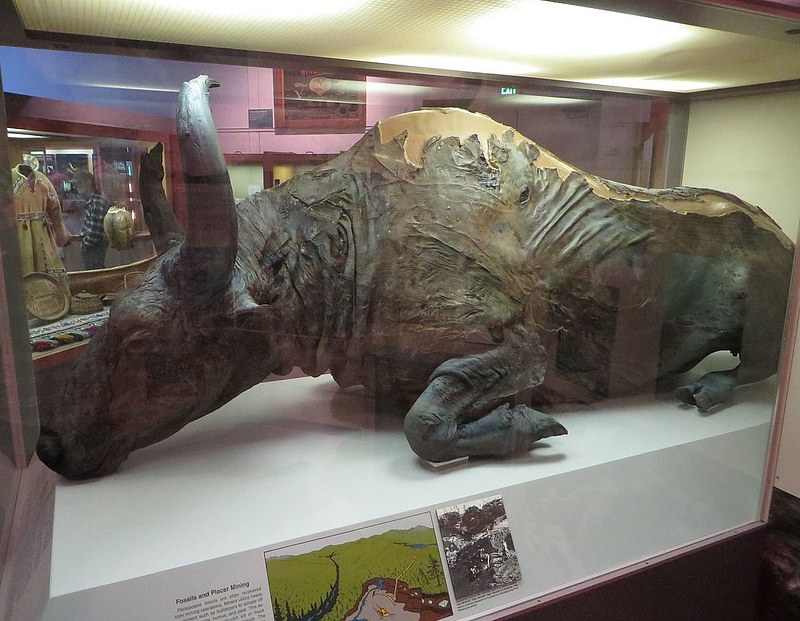

Unlike the mammoths and saber-toothed cats that often steal the prehistoric spotlight, the steppe bison is a lesser-known but equally significant creature that offers valuable insights into the Ice Age world.
In 2011, scientists made a groundbreaking discovery in the permafrost of Northern Siberia: a remarkably well-preserved steppe bison specimen. This find was notable for the completeness of the animal’s organs, including a heart, brain, and digestive system, which rarely survive the fossilization process. Although some of the organs had shrunk over time, the condition of the bison’s blood vessels and other tissues provided unprecedented details about its physiology and environment.
By analyzing the contents of its stomach, researchers have been able to reconstruct the bison’s diet and the types of plants that grew in its habitat. This information, in turn, helps us understand the climate and geography of the time, providing clues about the ecological challenges faced by the steppe bison.
The significance of the steppe bison extends beyond its contribution to our knowledge of prehistoric life. As scientists explore the possibility of cloning extinct species, the steppe bison has become a subject of interest due to the excellent preservation of its DNA. However, this prospect raises ethical and ecological questions about bringing back extinct species and the impacts they could have on contemporary ecosystems.
5- Lena Horse
The Lena horse, an extinct species that once roamed the vast and chilly expanses of Siberia, provides a unique window into ancient wildlife and ecosystems. This species, related to modern wild horses, thrived during the late Pleistocene epoch, navigating a landscape far different from today’s environments.
The discovery of a remarkably well-preserved Lena horse foal in the Siberian permafrost has offered scientists an unprecedented opportunity to study an animal from this bygone era in incredible detail.
In 2018, researchers uncovered the frozen remains of the Lena horse foal, believed to be around 42,000 years old. This discovery was significant because of the foal’s age and due to the condition of the remains.
The foal’s body was almost entirely intact, with skin, hair, hooves, and even some internal organs preserved by the ice. Such a level of preservation is extremely rare and has allowed scientists to conduct in-depth analyses that would be impossible with typical fossilized remains.
The study of the Lena horse has contributed significantly to our understanding of Ice Age wildlife. By examining the foal’s remains, researchers have been able to gather information on the animal’s diet, living conditions, and even its appearance. The findings suggest that the Lena horse lived in a cold, grassy environment, similar to the modern Arctic tundra and that its physical traits were well-adapted to such harsh conditions.
Furthermore, the discovery of the oldest liquid blood on record within the foal’s remains has sparked interest in the scientific community. This blood offers potential for genetic studies that could unlock secrets about the horse’s biology and its relation to other species, both extinct and living. The prospect of extracting viable DNA from the Lena horse opens up possibilities for comparative genetics, providing a clearer picture of the evolutionary lineage of equines and their adaptation to changing climates.
6 & 7- Brown Bears & Adelie Penguins
Brown bears and Adélie penguins, while existing in vastly different habitats and corners of the globe, share a common narrative in the story of climate change and habitat transformation. Recent discoveries and studies of these species offer lessons that demonstrate the interconnectedness of global ecosystems and the impact of environmental changes on wildlife.
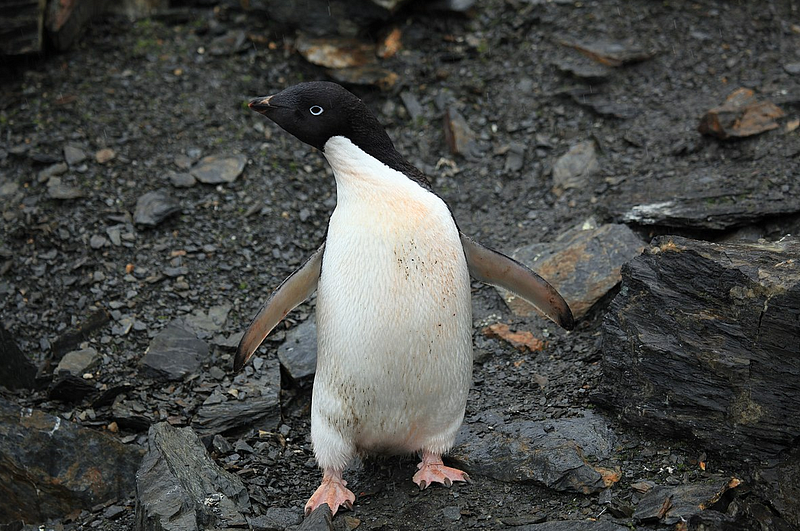

The brown bear, a symbol of wilderness and resilience, has been the subject of interest after the discovery of a 3,460-year-old carcass in 2020. Initially thought to be a cave bear, this specimen turned out to be one of the ancient ancestors of today’s brown bears.
This finding was significant as it provided insights into the species’ evolution and adaptation over millennia. Researchers studying the preserved remains have gleaned information on the bear’s diet, health, and environmental conditions at the time of its existence.
The ancient DNA extracted from the bear offers a glimpse into the genetic diversity of the past and how the species has navigated the challenges of climate fluctuations and habitat changes.
In contrast, the Adélie penguins, inhabitants of the Antarctic region, have become living indicators of environmental shifts. Scientists studying the remnants of a long-abandoned colony have found that these penguins have been dramatically affected by changes in their icy habitat.
The discovery of corpses, feathers, and nesting materials, dated between 800 and 5,000 years old, reveals patterns of colony establishment and abandonment that coincide with climate events. This evidence highlights the direct impact of temperature changes and ice melt on the species’ breeding and feeding behaviors.
The stories of the brown bears and Adélie penguins serve as potent reminders of the fragility and dynamism of ecosystems. They illustrate how animals have historically adapted to or been affected by their changing environments. These cases also bring to light the challenges faced by current populations as they confront more rapid and severe changes wrought by human activity.
8- Gray Wolf
The gray wolf stands as a testament to adaptability and resilience in the face of changing environments and human expansion. As one of the most widely distributed land mammals, their presence across various climates and territories speaks to their incredible ability to adapt and survive over millennia.
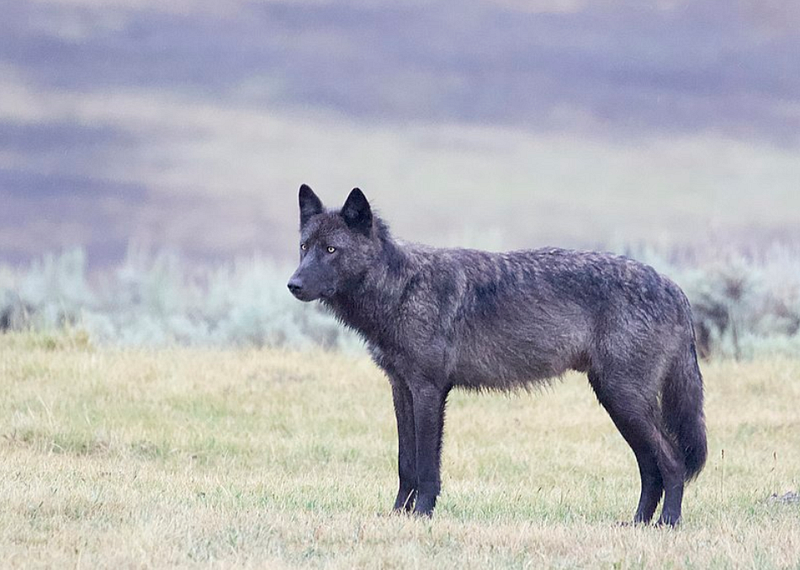

The discovery of a 57,000-year-old gray wolf pup in Canada’s Yukon Territory provides a unique window into the life of Ice Age wolves. This pup, preserved in the permafrost, offers invaluable insights into the ancient environments these creatures inhabited and their survival strategies. Despite the drastic changes in climate and geography since the Ice Age, gray wolves have continued to thrive, adapting to new challenges and evolving alongside changing ecosystems.
This ancient pup, almost perfectly preserved, allows scientists to study the physical and genetic traits of early gray wolves. By comparing these ancient specimens with modern wolves, researchers can trace the evolutionary changes and understand how the species has adapted to environmental pressures over time. This knowledge is crucial for conservation efforts, providing a historical baseline to assess how human activities impact these apex predators.
Gray wolves play a crucial role in their ecosystems as top predators. Their hunting strategies, social structures, and territorial behaviors have significant impacts on the distribution and numbers of other wildlife species. Studying ancient wolves like the Yukon pup helps ecologists understand how natural predator-prey relationships have shaped the health and balance of ecosystems over thousands of years.
Today, gray wolves face numerous challenges, from habitat loss and fragmentation to conflicts with humans. However, their enduring presence, from the Ice Age to the present, demonstrates their resilience and adaptability. Conservation efforts continue to focus on protecting these majestic animals and their habitats, ensuring they remain an integral part of natural ecosystems.
The story of the gray wolf is a powerful reminder of the interconnectedness of all life forms and the importance of maintaining natural habitats. It urges us to consider our role in preserving the biodiversity of our planet.