avatarChronicler

Free AI web copilot to create summaries, insights and extended knowledge, download it at here

3727

Abstract

The ancient city of Great Zimbabwe, located in present-day Zimbabwe, was the capital of a powerful country from the 11th to the 15th centuries. This city was known for its impressive stone structures, particularly the Great Enclosure, which featured massive stone walls without mortar.</p><p id="46f5"><a href="https://en.wikipedia.org/wiki/Great_Zimbabwe">The decline of Great Zimbabwe is believed to be linked to factors such as overpopulation, environmental changes, and the exhaustion of resources. The inhabitants gradually migrated away from the city, and by the mid-16th century, it was largely abandoned.</a></p><p id="2e7a">Great Zimbabwe remained mysterious until the late 19th century when European explorers first encountered its ruins. It is now a UNESCO site of World Heritage shedding light on the advanced civilization that once thrived there.</p><h1 id="7048">4. Tikal, Guatemala</h1><figure id="51a2"><img src="https://cdn-images-1.readmedium.com/v2/resize:fit:800/0*25729o2IsOZLh7xj.JPG"><figcaption><a href="https://www.google.com/url?sa=i&amp;url=https%3A%2F%2Fcommons.wikimedia.org%2Fwiki%2FFile%3ATikal%2C_Guatemala_Laslovarga14.JPG&amp;psig=AOvVaw0_RE1bRTh11t7ha5bmWqYZ&amp;ust=1694860804542000&amp;source=images&amp;cd=vfe&amp;opi=89978449&amp;ved=0CBAQjRxqFwoTCKDg6MPfmYEDFQAAAAAdAAAAABAO">Wikimedia commons</a></figcaption></figure><p id="4278">Tikal was a magnificent Mayan city located deep within the rainforests of present-day Guatemala. At its peak in the 7th century, Tikal was a bustling metropolis with vast plazas, towering temples, and a sophisticated system of agriculture and trade.</p><p id="3caa">Despite its grandeur, Tikal’s decline began in the 9th century and was eventually abandoned. The reasons behind its abandonment are still a subject of debate among historians. Deforestation, warfare, and social upheaval likely played a role.</p><p id="607b">Tikal remained hidden beneath the dense jungle canopy until the 19th century when some European explorers rediscovered it. Today, it is one of the most iconic archaeological sites in the Americas, offering insights into the ancient Maya civilization.</p><h1 id="08cc">5. Mohenjo-Daro, Pakistan</h1><figure id="2d7e"><img src="https://cdn-images-1.readmedium.com/v2/resize:fit:800/0*NtKb6q2QbrgY-Tfv.jpg"><figcaption><a href="https://www.google.com/url?sa=i&amp;url=https%3A%2F%2Fcommons.wikimedia.org%2Fwiki%2FFile%3AExcavated_ruins_of_Mohenjo-daro.jpg&amp;psig=AOvVaw3SuqW9OyB8khp-kfJvjsII&amp;ust=1694860889445000&amp;source=images&amp;cd=vfe&amp;opi=89978449&amp;ved=0CBAQjRxqFwoTCJDhpuzfmYEDFQAAAAAdAAAAABAE">Wikimedia commons</a></figcaption></figure><p id="f90a">Mohenjo-Daro was one of the major cities of the Indus Valley Civilization, ranging back to around 2500 BCE.</p><p id="91f1">It was a highly organized urban center with advanced architecture, sewage systems, and a complex social structure. However, by around 1900 BCE, Mohenjo-Daro began to decline and was eventually abandoned.</p><p id="8d8a"><a href="https://en.wikipedia.org/wiki/Mohenjo-daro">The reasons for its decline are still being studied, but factors like environmental changes, resource depletion, and possible invasions have been suggested. The city lay buried beneath layers of sediment until it was excavated in the 1920s, revealing a glimpse into the sophisticated urban life of the Indus Valley Civilization today, it is a UNESCO World Heritage site.</a></p><p id="ceac"><b><i>If you would like to read more interesting and insightful stories, why not join Medium and become a member — <a href="https://medium.com/@chroniclerramzy">Click Here!</a></i></b></p><div id="eebc" class="link-block"> <a href="https://readmedium.com/jimi-hend

Options

rixs-final-bow-the-isle-of-fehmarn-festival-performance-5cb8c7a1f844"> <div> <div> <h2>Jimi Hendrix’s Final Bow: The Isle of Fehmarn Festival Performance</h2> <div><h3>A Bittersweet Farewell to a Guitar Legend</h3></div> <div><p>medium.com</p></div> </div> <div> <div style="background-image: url(https://miro.readmedium.com/v2/resize:fit:320/0*naj7gBAMxFsu0Nnn.jpg)"></div> </div> </div> </a> </div><div id="f80f" class="link-block"> <a href="https://readmedium.com/mark-twains-electric-friendship-with-nikola-tesla-explained-a4486778059d"> <div> <div> <h2>Mark Twain’s Electric Friendship With Nikola Tesla Explained</h2> <div><h3>A connection that you won’t believe made a game-changing impact</h3></div> <div><p>medium.com</p></div> </div> <div> <div style="background-image: url(https://miro.readmedium.com/v2/resize:fit:320/0*xo0WiZTFspjVRPxY.jpg)"></div> </div> </div> </a> </div><div id="9f63" class="link-block"> <a href="https://readmedium.com/8-supposed-dangerous-places-that-are-fine-to-visit-37b36f0b7251"> <div> <div> <h2>8 Supposed Dangerous Places That Are Fine To Visit</h2> <div><h3>Safe Travels: Exploring Places Once Feared as Dangerous</h3></div> <div><p>medium.com</p></div> </div> <div> <div style="background-image: url(https://miro.readmedium.com/v2/resize:fit:320/0*udrvypPS_pcuup_n)"></div> </div> </div> </a> </div><h1 id="5c18">Sources</h1><div id="5208" class="link-block"> <a href="https://en.wikipedia.org/wiki/Mohenjo-daro"> <div> <div> <h2>Mohenjo-daro - Wikipedia</h2> <div><h3>Mohenjo-daro (; Sindhi: موهن جو دڙو‎ , meaning 'Mound of the Dead Men' and sometimes lit. 'Mound of Mohan' in Sindhi…</h3></div> <div><p>en.wikipedia.org</p></div> </div> <div> <div style="background-image: url(https://miro.readmedium.com/v2/resize:fit:320/0*MJ0mAPa1jcvx82s0)"></div> </div> </div> </a> </div><div id="1c29" class="link-block"> <a href="https://en.wikipedia.org/wiki/Great_Zimbabwe"> <div> <div> <h2>Great Zimbabwe - Wikipedia</h2> <div><h3>Great Zimbabwe is a medieval city in the south-eastern hills of the modern country of Zimbabwe, near Lake Mutirikwe and…</h3></div> <div><p>en.wikipedia.org</p></div> </div> <div> <div style="background-image: url(https://miro.readmedium.com/v2/resize:fit:320/0*JRh4cLFUdIOhoG9v)"></div> </div> </div> </a> </div><div id="aa58" class="link-block"> <a href="https://www.britannica.com/story/the-lost-colony-of-roanoke"> <div> <div> <h2>The Lost Colony of Roanoke</h2> <div><h3>Explore the oldest mystery of colonial America.</h3></div> <div><p>www.britannica.com</p></div> </div> <div> <div style="background-image: url(https://miro.readmedium.com/v2/resize:fit:320/0*lNP1yGVdCLE0YKON)"></div> </div> </div> </a> </div></article></body>

These 5 Cities Vanished Without A Trace

We’re finally learning their stories
Wikimedia commons

Throughout history, there have been instances where entire cities seemed to vanish mysteriously, leaving behind mysterious stories and unanswered questions. In this exploration, let’s get deep into five such cities that disappeared without a trace, shedding light on their histories.

1. The Lost Colony of Roanoke

Roanoke is one of the most famous cases of a vanished city. In the late 16th century, an English colony known as Roanoke Islandwas established on the coast of North Carolina.

Under the leadership of John White, the settlers attempted to establish a permanent settlement. However, when John White returned from England in 1590, the colony was completely deserted. The only sign left behind was the word “CROATOAN” carved into a tree.

The disappearance of the Roanoke Colony has puzzled historians for centuries. Theories abound, including the possibility that the settlers were absorbed into nearby Native American tribes or fell victim to harsh environmental conditions. To this date, the fate of the Roanoke colonists remains a historical mystery.

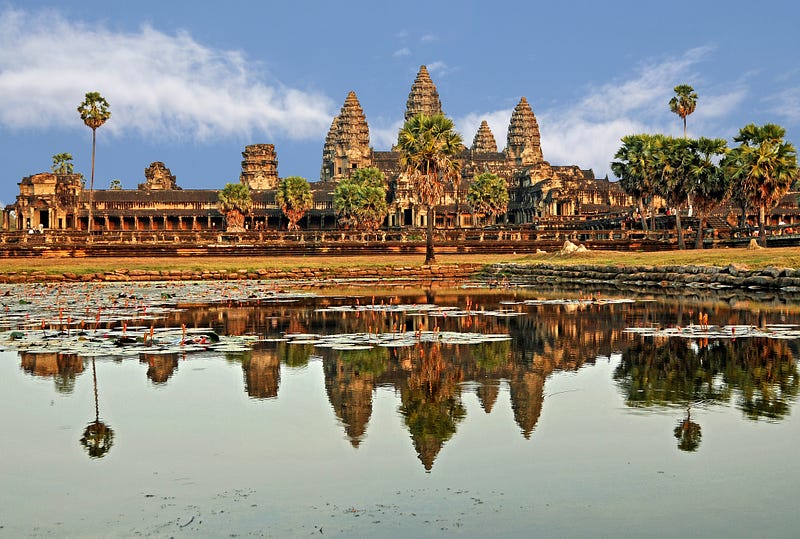
2. Angkor, Cambodia

Wikimedia commons

The ancient city of Angkor, located in present-day Cambodia, was once the heart of the Khmer Empire, flourishing from the 9th to the 15th centuries. At its zenith, it was one of the world’s largest and most sophisticated cities. Angkor was renowned for its intricate temples, including the famous Angkor Wat.

However, by the late 15th century, Angkor began to decline. It’s believed that a combination of factors, including environmental changes, warfare, and shifting trade routes, led to its gradual abandonment. The dense Cambodian jungle gradually swallowed the city, hiding its grandeur for centuries.

Angkor remained largely forgotten by the outside world until the 19th century when French explorers stumbled upon its magnificent ruins. Today, it is a UNESCO World Heritage site, a testament to the lost city’s once-great civilization.

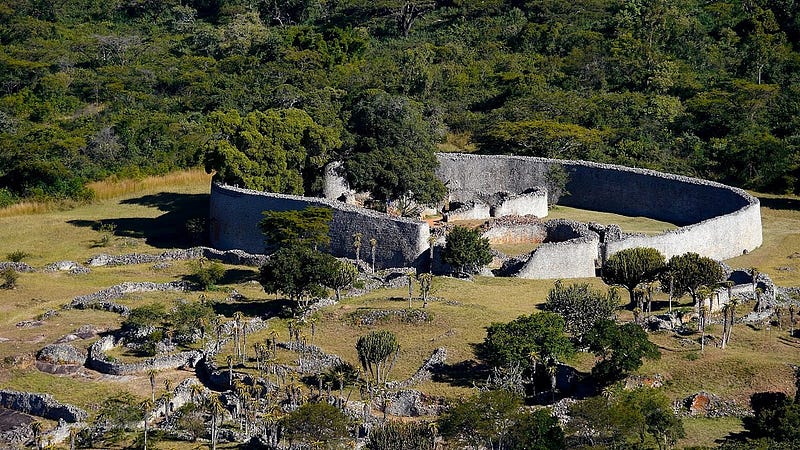
3. Great Zimbabwe, Zimbabwe
Wikimedia commons

The ancient city of Great Zimbabwe, located in present-day Zimbabwe, was the capital of a powerful country from the 11th to the 15th centuries. This city was known for its impressive stone structures, particularly the Great Enclosure, which featured massive stone walls without mortar.

The decline of Great Zimbabwe is believed to be linked to factors such as overpopulation, environmental changes, and the exhaustion of resources. The inhabitants gradually migrated away from the city, and by the mid-16th century, it was largely abandoned.

Great Zimbabwe remained mysterious until the late 19th century when European explorers first encountered its ruins. It is now a UNESCO site of World Heritage shedding light on the advanced civilization that once thrived there.

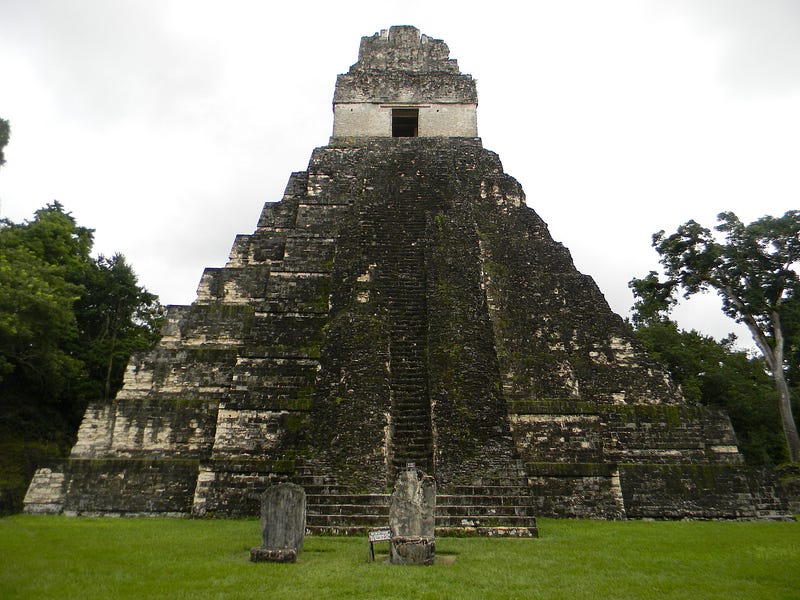
4. Tikal, Guatemala
Wikimedia commons

Tikal was a magnificent Mayan city located deep within the rainforests of present-day Guatemala. At its peak in the 7th century, Tikal was a bustling metropolis with vast plazas, towering temples, and a sophisticated system of agriculture and trade.

Despite its grandeur, Tikal’s decline began in the 9th century and was eventually abandoned. The reasons behind its abandonment are still a subject of debate among historians. Deforestation, warfare, and social upheaval likely played a role.

Tikal remained hidden beneath the dense jungle canopy until the 19th century when some European explorers rediscovered it. Today, it is one of the most iconic archaeological sites in the Americas, offering insights into the ancient Maya civilization.

5. Mohenjo-Daro, Pakistan
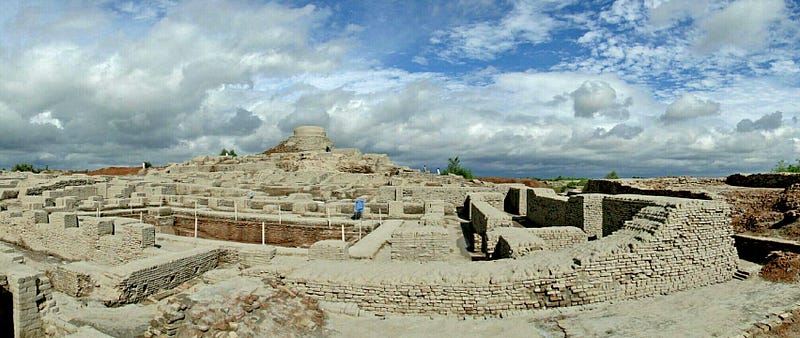
Wikimedia commons

Mohenjo-Daro was one of the major cities of the Indus Valley Civilization, ranging back to around 2500 BCE.

It was a highly organized urban center with advanced architecture, sewage systems, and a complex social structure. However, by around 1900 BCE, Mohenjo-Daro began to decline and was eventually abandoned.

The reasons for its decline are still being studied, but factors like environmental changes, resource depletion, and possible invasions have been suggested. The city lay buried beneath layers of sediment until it was excavated in the 1920s, revealing a glimpse into the sophisticated urban life of the Indus Valley Civilization today, it is a UNESCO World Heritage site.

If you would like to read more interesting and insightful stories, why not join Medium and become a member — Click Here!

Sources

History
Life
Life Lessons
Learning
Lifestyle
Recommended from ReadMedium