
There’s A Sign Post Up Ahead
Your next stop is…OBLIVION
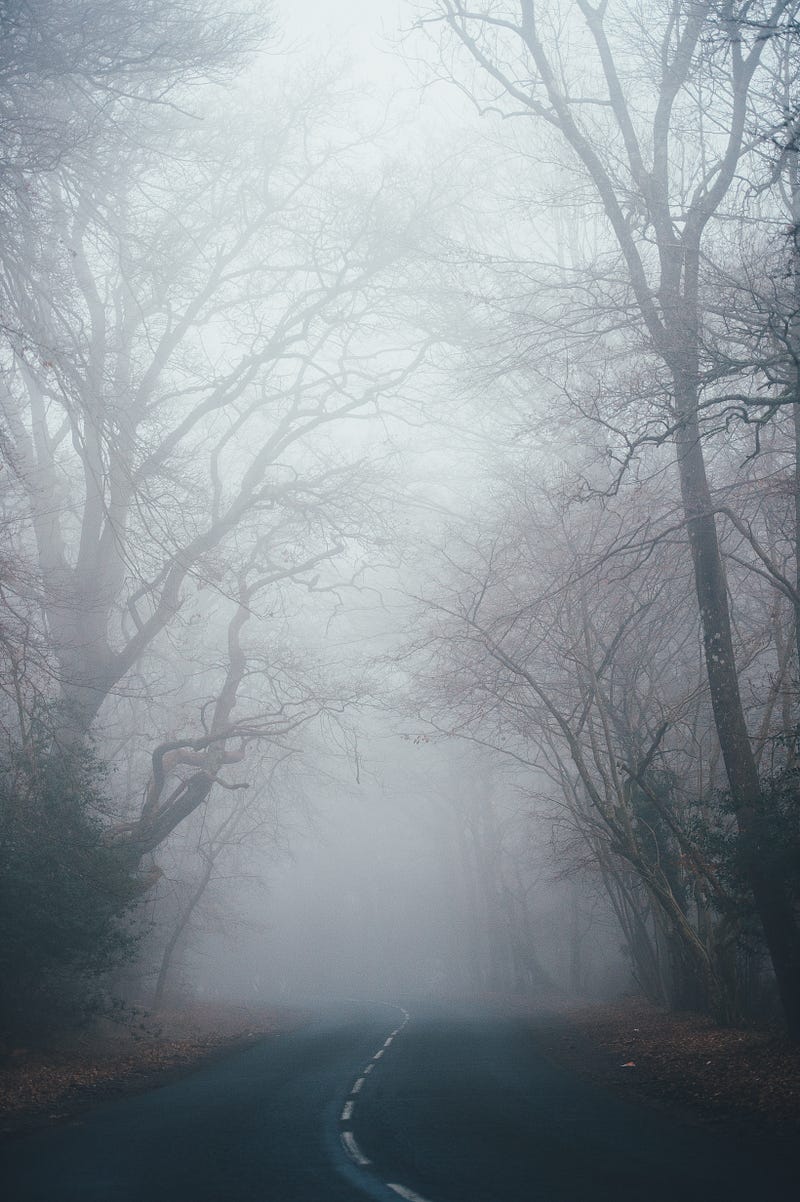
Due respect must be paid to one of the greatest television and film writers of the twentieth century, Rod Serling. Few could consistently match his prolific career. The foreboding tones of many of his pieces are sorrowfully missing in today’s political climate.
For anyone too young to remember this man’s achievements, I highly recommend they search him out. His body of work on the hit television series, The Twilight Zone, offers numerous insights into the human condition.
Sadly, there have been a few mainly pale imitations of Rod Serling, including Jordan Peele’s attempt to resurrect The Twilight Zone. For me, it fell far short of even being a mere shadow of sixties television’s finest series. I admire Mr. Peele’s abilities as a filmmaker and an artist, but for me, his Serling reboot was at best, pedantic. His one hour plus episodes were slow-moving and took far too long to reach any semblance of a message.
Rod Sterling’s artistry lay in his ability to go to the core of an issue without overstating. In twenty-five minutes of air time, he went straight to the heart of an issue. His significance as a writer remains unmatched, especially where his work displays a premonition for the events of today.
One prime example is an episode from season 5 called “Monsters Are Due On Maple Street”, which exposes the real threat of the ‘herd mentality’ in a quiet, suburban neighborhood. On a late summer afternoon, the sound and the flash of something crashing in the distance throws a once-friendly community into fear and panic. At first, the event is passed off as a meteorite but, as tensions and suspicion grow within the group, neighbors gang up on neighbors, convincing themselves that the threat lies from within.
Unnatural occurrences like machines turning themselves on and off, accelerate the terror and paranoia to the point where the entire neighborhood is bent on destroying itself. They take turns accusing each other of being some alien force that is intent on disrupting their way of life.
Rod Serling’s masterful synopsis ends with two aliens sitting on a hill, watching the implosion of Maple Street and its citizens. One of the aliens explains the phenomenon as perfectly predictable and often repeated among the human race. These beings are content to watch and wait as people destroy each other so that in time they can step into the breach.
As the ever compelling narrator, Serling’s final summation includes the two sentences,
“The tools of conquest do not necessarily come with bombs and explosions and fallout. There are weapons that are simply thoughts, attitudes, prejudices to be found only in the minds of men.”
Rod Serling’s writing and narration give us unfettered looks into ourselves as ‘civilized’ beings, even to this day. How apt is this scenario to what we’re witnessing in America, and other hot points around the world today? It’s no accident that present-day leaders fan the flames of distrust among their constituencies. Like the aliens in Serling’s story, they lay in wait to step into the chaotic aftermath, and ultimately exercise their own brand of power.
Rod Serling’s talent for peeling back the curtain on human failings and weakness gives us an anthology of still poignant morality plays yet to be matched by today’s artists.
If there are meaningful new stories out there in the visual realm, perhaps someone could enlighten me. I would love to see the genre restored. Stories as we writers are aware, have the power to ignite the imagination, and force viewers or readers to think deeper about who they are.
Thanks as always for taking the time. You can find more about my love for all things cinematic below.


