avatarEmily Kingsley

Free AI web copilot to create summaries, insights and extended knowledge, download it at here

2076

Abstract

errant jaguar.</p><p id="b9a5">But that is not what happened. Instead, the hippos have thrived. They’ve had babies. Their babies had more babies. With no natural predators and abundant habitat, their population and range has grown. <a href="https://www.cnn.com/2021/01/18/americas/colombia-pablo-escobar-hippos-scli-intl-scn/index.html">Scientists now estimate that the population has grown to more than 80 hippos.</a></p><p id="2a0a">The world is full of examples of invasive species. Where I live in New England, we have invasive mosquitoes, flowers, trees, beetles, and peanut-sized crabs. While they all pose their own problems, none are as startling to the eye as a pickup-truck-sized animal galumphing around on the wrong continent.</p><figure id="695a"><img src="https://cdn-images-1.readmedium.com/v2/resize:fit:800/0*NDGbFfwvx1i2sFnx"><figcaption>Photo by <a href="https://unsplash.com/@edgarlopezcoronado?utm_source=medium&amp;utm_medium=referral">Edgar López</a> on <a href="https://unsplash.com?utm_source=medium&amp;utm_medium=referral">Unsplash</a></figcaption></figure><p id="f2b6">Even more perplexing is that in their natural habitat hippo populations have decreased to the point that their conservation status is ‘Vulnerable,’ which is only one step above ‘Endangered.’ Like many large mammals, they have struggled in the face of habitat loss, war, and desertification as a result of climate change.</p><p id="20fd">So while native hippos, at home in the river basins of Tanzania and Zambia, are dying earlier, having fewer babies and struggling to survive, the invasive hippos of Colombia have plenty of food, plenty of sex, and nobody to stop them from livin’ it up on the banks of the Rio Magdalena river.</p><p id="ec82">There have been efforts over the last decade to slow the spread of the hippo population. Nobody wants to see them shot and killed, but it’s hard to convince a lady hippo to stay on birth control and even harder to find a male hippo and convince him to let you chop off his balls.</p><p id="465d">Joking aside, sterilization, a common

Options

technique for reducing populations of invasive species, is just tricky when you’re dealing with large, mean, belligerent animals. Even in captivity, it’s not easy — in 2014, a captive hippo who was on <a href="https://www.today.com/pets/la-hippo-birth-control-surprises-staff-newborn-1D80265964">birth control gave birth to a surprise baby at the Los Angeles Zoo.</a></p><p id="ffc0">Which leaves us — the humans — unsure of what to do with these hippos. If we do nothing, the Colombian population will grow and endanger native species there. Efforts to curb the population growth humanely have failed. And the practical answer of hunting and killing them would be wildly unpopular with the public.</p><p id="d992">We probably won’t ever learn, but it’s really better to not mess with nature. Keep the animals where they are and learn about them from David Attenborough on Netflix. And if you do ever find yourself with a few billion dollars to spare and the desire for a private zoo, make sure you plan your estate accordingly.</p><figure id="a992"><img src="https://cdn-images-1.readmedium.com/v2/resize:fit:800/0*3Yc-zM9D0aLwdiG-"><figcaption>Photo by <a href="https://unsplash.com/@wade_lambert?utm_source=medium&amp;utm_medium=referral">Wade Lambert</a> on <a href="https://unsplash.com?utm_source=medium&amp;utm_medium=referral">Unsplash</a></figcaption></figure><p id="e7b3">If you like thinking about animal sex, try this:</p><div id="ad2c" class="link-block"> <a href="https://emilylime99.medium.com/how-did-all-these-cows-get-here-6527596ee480"> <div> <div> <h2>How Did All These Cows Get Here?</h2> <div><h3>It’s time we all learned a little more about how bovines bang uglies.</h3></div> <div><p>emilylime99.medium.com</p></div> </div> <div> <div style="background-image: url(https://miro.readmedium.com/v2/resize:fit:320/0*kx9S9zYtgYFqWCmR)"></div> </div> </div> </a> </div></article></body>

There’s A Hippo Sex Problem in Colombia

What do you do about a horny hippo? Turns out nobody knows.
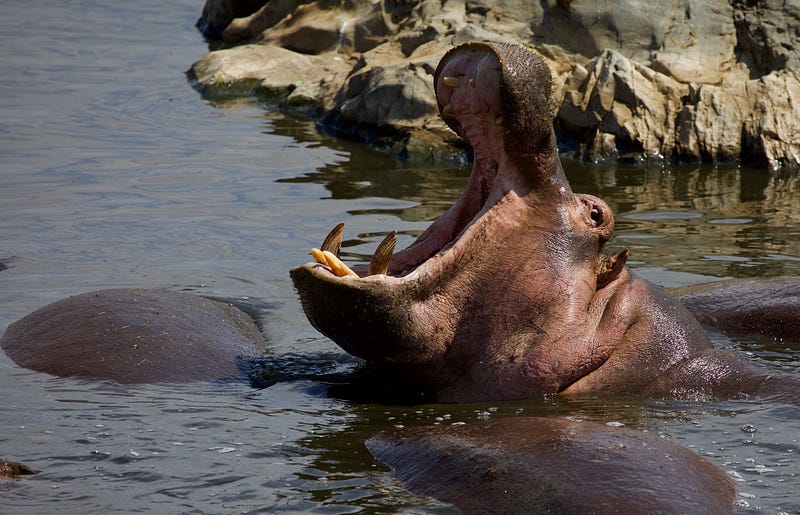
Photo by Magdalena Kula Manchee on Unsplash

I’d say let’s start at the beginning, but who can really say why a handsome young Colombian college student turned away from books and studying towards a life of crime?

Pablo Escobar went on to become a wealthy, well-known, widely feared drug dealer, often referred to as the King of Cocaine.

So what does that have to do with hippo sex? Let’s connect the dots.

In 1978, Escobar purchased a piece of land outside of Medellin, Colombia. He turned it into an eccentric compound of curiosities, including, a private zoo. By the last 1980s, he had collected over 200 animals, most of them illegally smuggled in drug-running planes.

When Escobar was killed in 1993, most of the animals found homes in other nearby zoos.

The hippos, however, did not. Too large to easily capture and transport, they were released to survive on their own in the wilds of South America, far from their native Africa.

Hippopotami are large, amphibious plant-eaters. Fully grown, they weigh 1,200–1,500kg. As mammals, they are warm-blooded, have sex, give live birth and nurse their babies. Their closest evolutionary relatives are whales and dolphins, which explains why they just seem so unrelatable when you look at them.

You might expect that Escobar’s abandoned hippos, alone in an unfamiliar place would have disappeared, either starving to death or, once emaciated, being eaten by an errant jaguar.

But that is not what happened. Instead, the hippos have thrived. They’ve had babies. Their babies had more babies. With no natural predators and abundant habitat, their population and range has grown. Scientists now estimate that the population has grown to more than 80 hippos.

The world is full of examples of invasive species. Where I live in New England, we have invasive mosquitoes, flowers, trees, beetles, and peanut-sized crabs. While they all pose their own problems, none are as startling to the eye as a pickup-truck-sized animal galumphing around on the wrong continent.
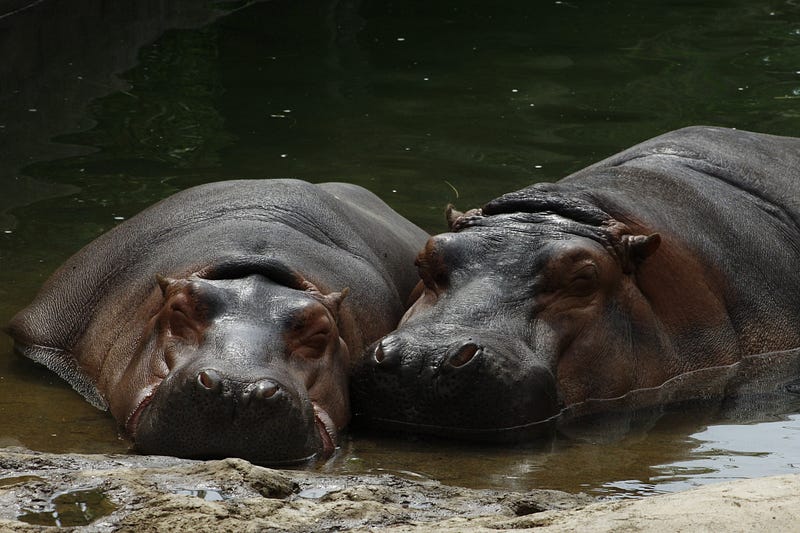
Photo by Edgar López on Unsplash

Even more perplexing is that in their natural habitat hippo populations have decreased to the point that their conservation status is ‘Vulnerable,’ which is only one step above ‘Endangered.’ Like many large mammals, they have struggled in the face of habitat loss, war, and desertification as a result of climate change.

So while native hippos, at home in the river basins of Tanzania and Zambia, are dying earlier, having fewer babies and struggling to survive, the invasive hippos of Colombia have plenty of food, plenty of sex, and nobody to stop them from livin’ it up on the banks of the Rio Magdalena river.

There have been efforts over the last decade to slow the spread of the hippo population. Nobody wants to see them shot and killed, but it’s hard to convince a lady hippo to stay on birth control and even harder to find a male hippo and convince him to let you chop off his balls.

Joking aside, sterilization, a common technique for reducing populations of invasive species, is just tricky when you’re dealing with large, mean, belligerent animals. Even in captivity, it’s not easy — in 2014, a captive hippo who was on birth control gave birth to a surprise baby at the Los Angeles Zoo.

Which leaves us — the humans — unsure of what to do with these hippos. If we do nothing, the Colombian population will grow and endanger native species there. Efforts to curb the population growth humanely have failed. And the practical answer of hunting and killing them would be wildly unpopular with the public.

We probably won’t ever learn, but it’s really better to not mess with nature. Keep the animals where they are and learn about them from David Attenborough on Netflix. And if you do ever find yourself with a few billion dollars to spare and the desire for a private zoo, make sure you plan your estate accordingly.
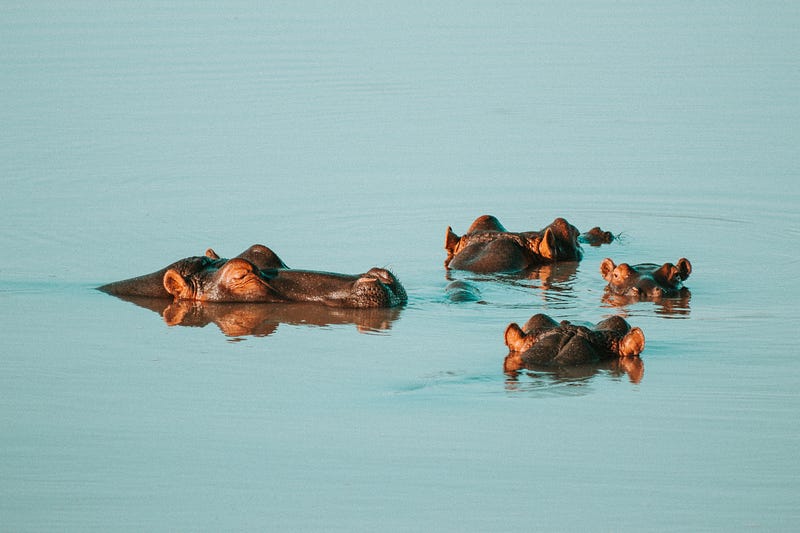
Photo by Wade Lambert on Unsplash

If you like thinking about animal sex, try this:

Nature
Animals
Outdoors
Culture
Life Lessons
Recommended from ReadMedium