
There’s a foreign policy shift happening, where Canada halts arms to Israel and Britain calls for the expulsion of Israeli Envoy.
Is this real or are they throwing some breadcrumbs.
5 months ago, this would’ve been unthinkable. The British government pressuring the Israeli government to fire their envoy? Really?
We live in a strange world and the world has changed from 5 months ago.
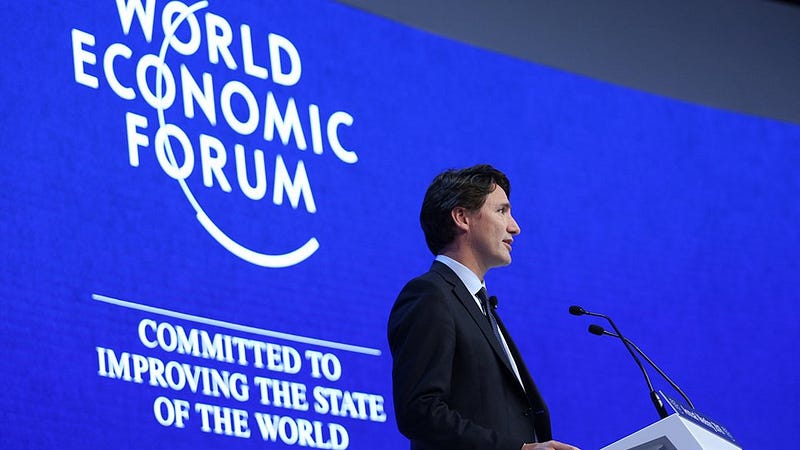
I mean just a few months ago, Canada halted UNRWA funding to Palestine, now they’ve passed a motion where they’re stopping arms exports, granted the motion is non-binding and the fact that they allow existing permits before 8th of Jan to exist.
It’s still a pretty big step and that’s indicated by the fact that there are quite a few people in Trudeau’s government that are considering whether to leave the party or not.
Which basically tells me this act has pissed the right people off.
But one thing that bothers other people is that this could be just a simple ploy.
Canada isn’t Israel’s main backer, it’s America and the arms trade between Israel and Canada isn’t a lot compared to their neighbor down south.
Just look at the revenue generated from permits, it only amounts to $21 million, a fraction of permits that America allows.
So, their fears aren’t unfounded, but whatever the case it’s sending a signal to the world, including their partners in the west and the gulf.
We’re pressuring Israel just like you asked.
Because at this moment their allies in the Middle East are concerned with putting pressure on Israel. They feel that western allies aren’t putting enough pressure to reign in the current war cabinet, and it’s plans to plunge the region into chaos.
They’ve concluded that any sort of normalization with the current government is impossible, they’d prefer it was someone else like Benny Gantz, which I’ve told again and again.
And even then, normalization with a condition that a two-state solution is implemented, with Palestine having borders before 1967. Of course, the Israeli government won’t adhere to that, whichever one comes into power, because they’ll be deeply disliked by the populace.
But placing this tough condition means they know things have gone too far and to make up for it, this is the only way.
But coming back to Canada’s position, I think this is just a small breadcrumb for PR purposes, however, I do expect that in time Canada will be pressuring Israel more and more, until either their behavior changes or Netanyahu is removed.
And the same case also exists for Britain. They pressured the Israeli government into firing their spokesperson, because he refused to give evidence for his claims of aid trucks being allowed in Gaza.
Even, they have felt the frustrations of dealing with cleaning up the PR disaster left in the wake by the Israeli government, and they can no longer protect them, otherwise their little credibility — or whatever is left, will be erased should they continue making excuses for them.
It’s a complete 180 from their earlier positions and even the reporting by the media has changed significantly to the point where they’re actually going into detail in regard to the genocide.
Just yesterday, Al Jazeera published a video obtained from an Israeli drone where they carried out killings on unarmed civilians, which could be clearly seen. It’s gotten to the point where it’s hard for them to defend Israel, when you have clear evidence of their war crimes.
They look like fools and demolish their own credibility in trying to defend the indefensible and the past 5 months, they’ve been doing exactly that.
I also think this comes at a time where Israel is still going to go ahead with its plans for an invasion of Rafah, probably because they want to wash their hands, however little of the bloodbath that’s yet to come.
But like I said, they’ll need to do way more than this, it isn’t nearly enough.
Thanks for reading.