
GLOBETROTTERS JANUARY CHALLENGE
There are Many Themes Among the Signs in Ghana
These are but a few of them
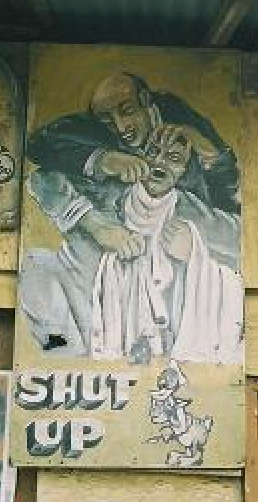
I begin by offering my thanks to Ronald Smit [author of “Weird and Wonderful Words”] and Anne Bonfert, who posted this month’s challenge, for encouraging me with their insight and humor to follow in their footsteps in writing about signs.
My focus is going to be concentrated in Ghana, where photos of signs that I saw far outnumber those of people, landscape, and the matters of the daily life that I led there for two months in 2007.
Here are some of the most common themes I observed:
Peace & Love
For a reason I could not figure out, this is the most common name for enterprises in Ghana. I saw it for a wide variety of places, from a school, to bars, to beauty salons, and general merchandise emporiums.
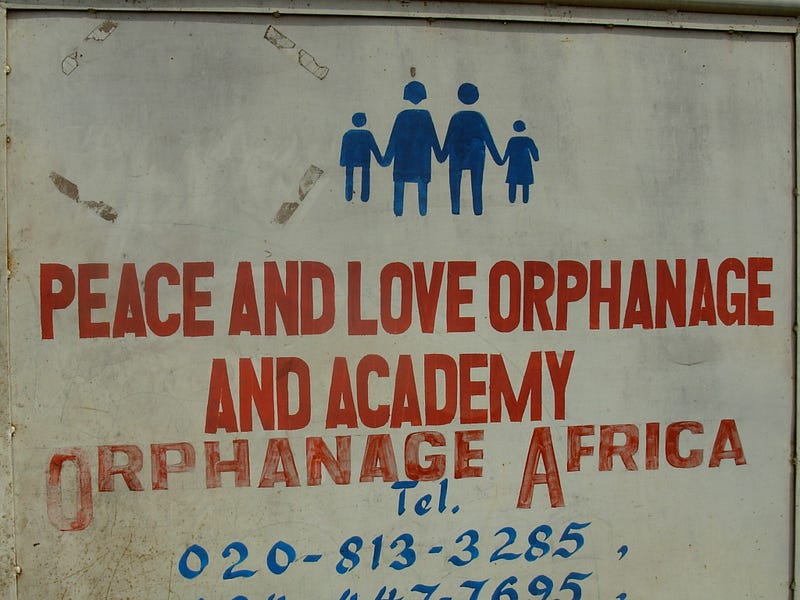
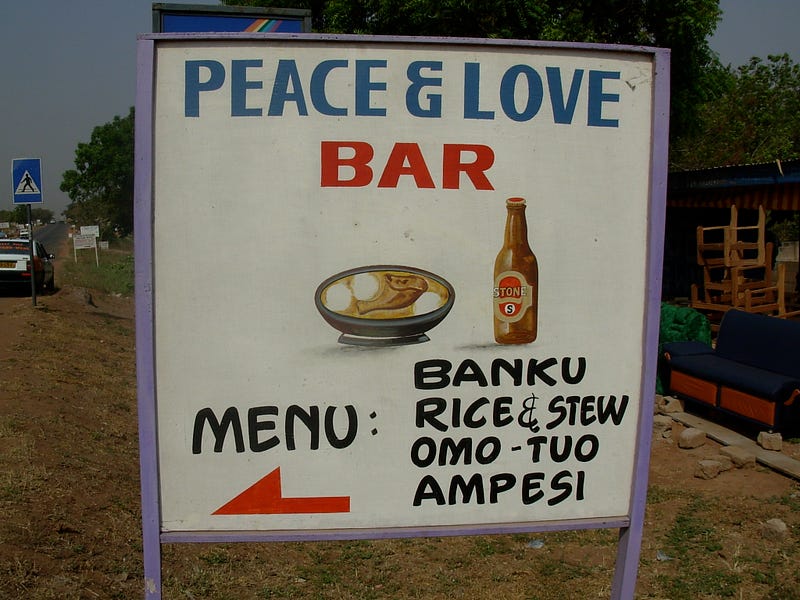
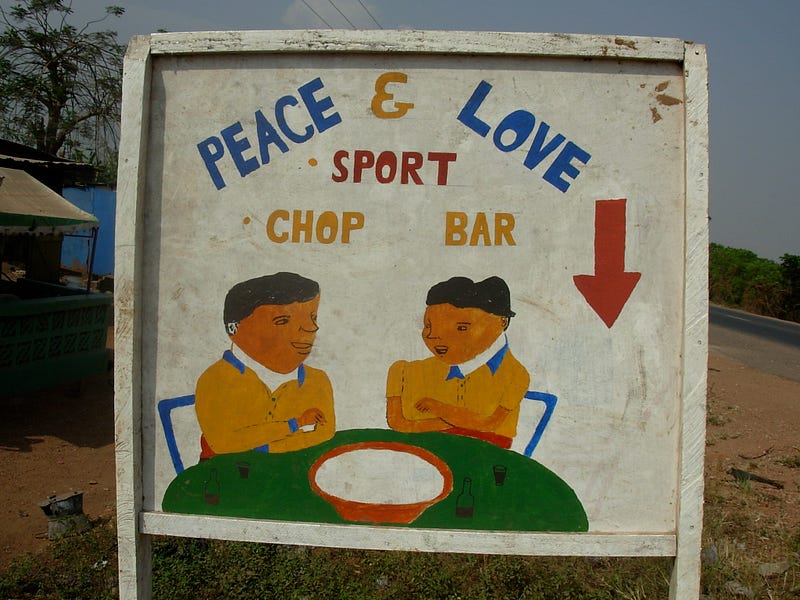
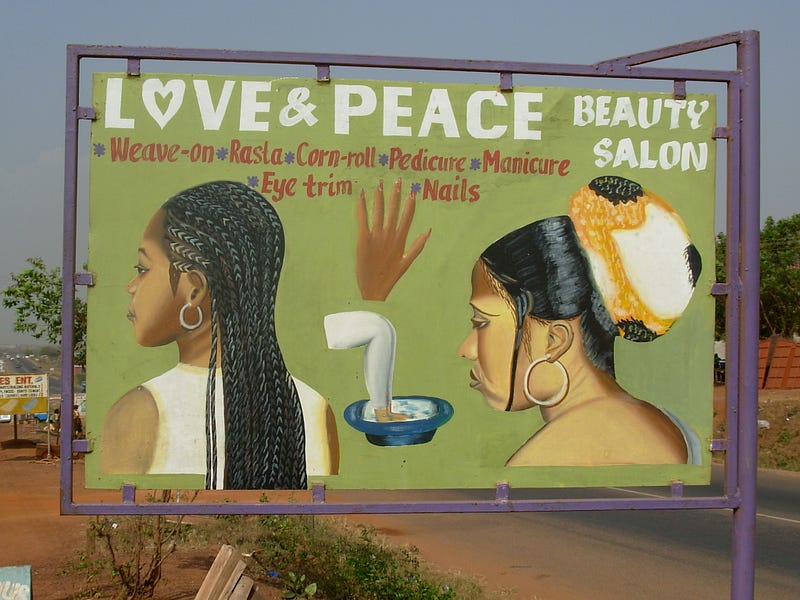
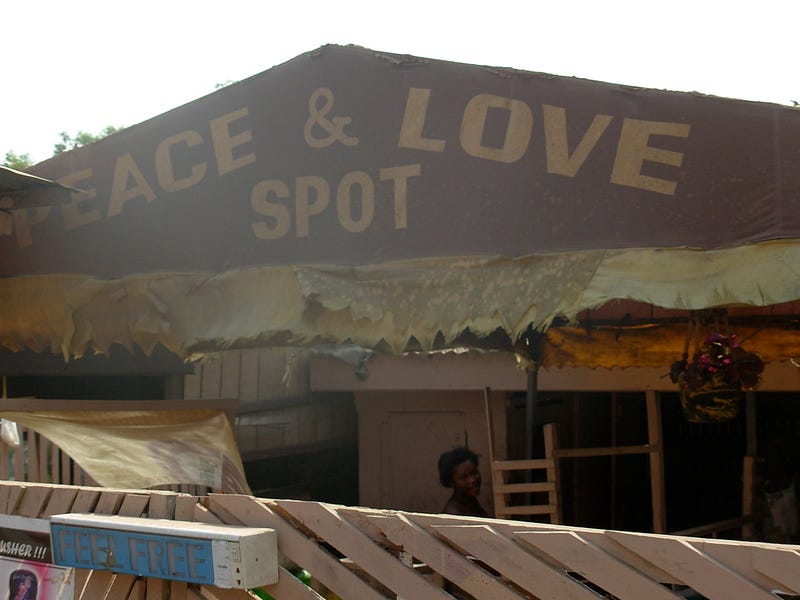
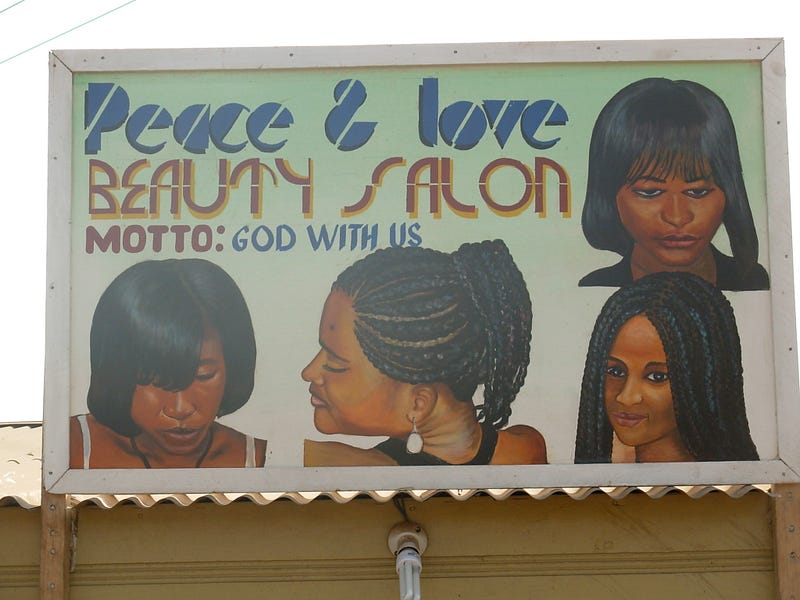
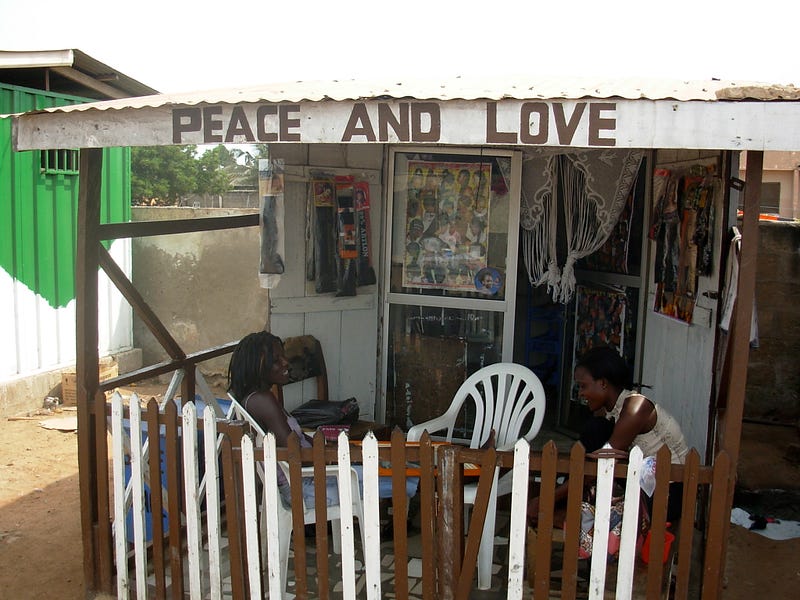
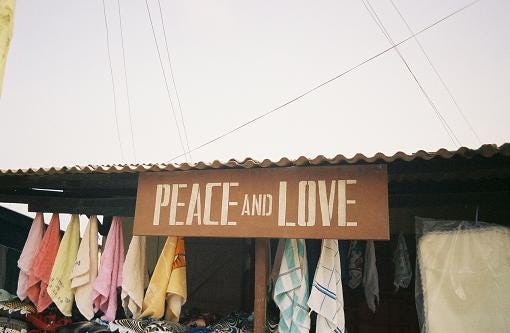
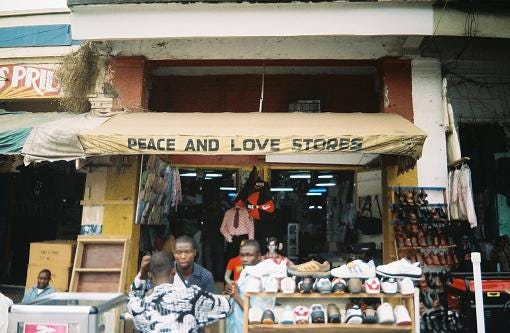

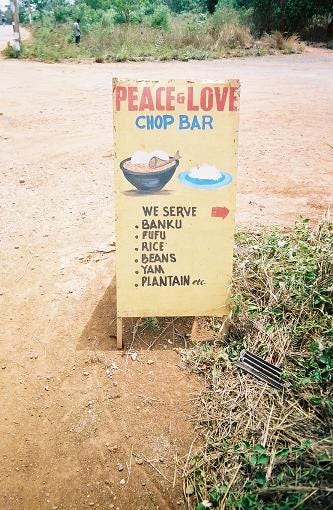
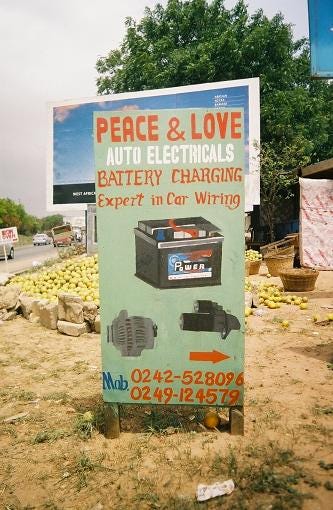
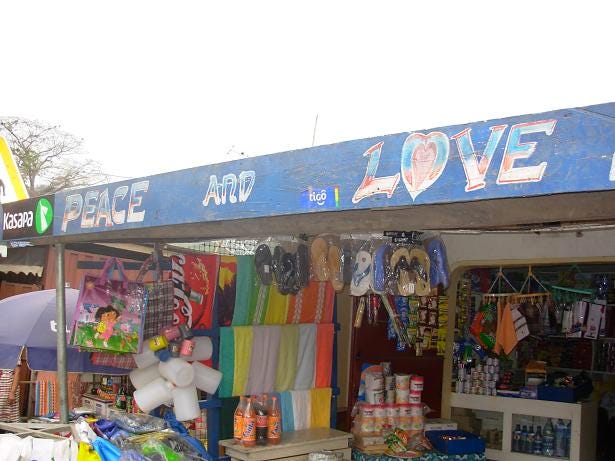
I was especially tipped off to the Peace & Love theme because it was the name of the school where I had come to work for two months, as indicated on the first sign of the top row. That is what alerted me to the name in the first place. Otherwise, I may not have noticed.
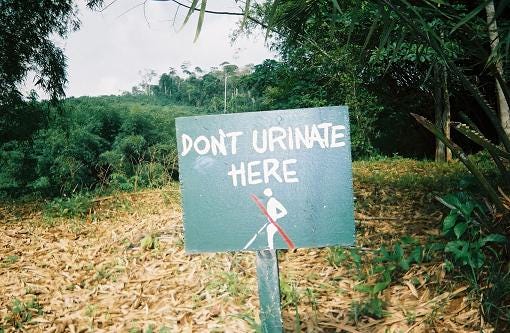
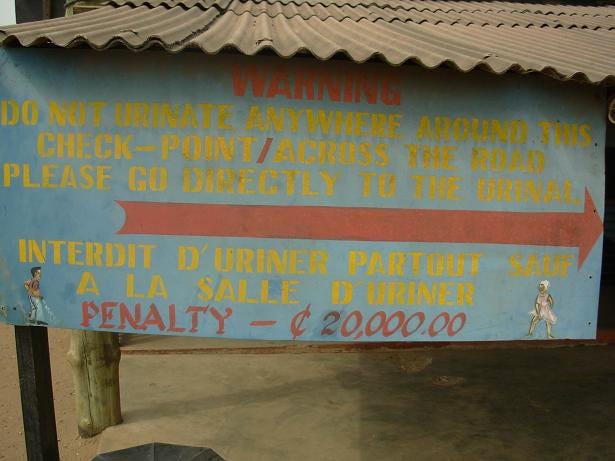
Warnings about urinating in public
Public urination must be a considerable problem, considering how many signs there are to caution against doing it.
There were more signs than these, of course, but that topic did not capture my attention or imagination as much as some of the others.
That being said, public urination is fairly common [in my experience] in many parts of Africa, and certainly not limited to Ghana.
In God We Trust
This is evidently a very common theme, with many enterprises that have it, or a variation on it, in their name.
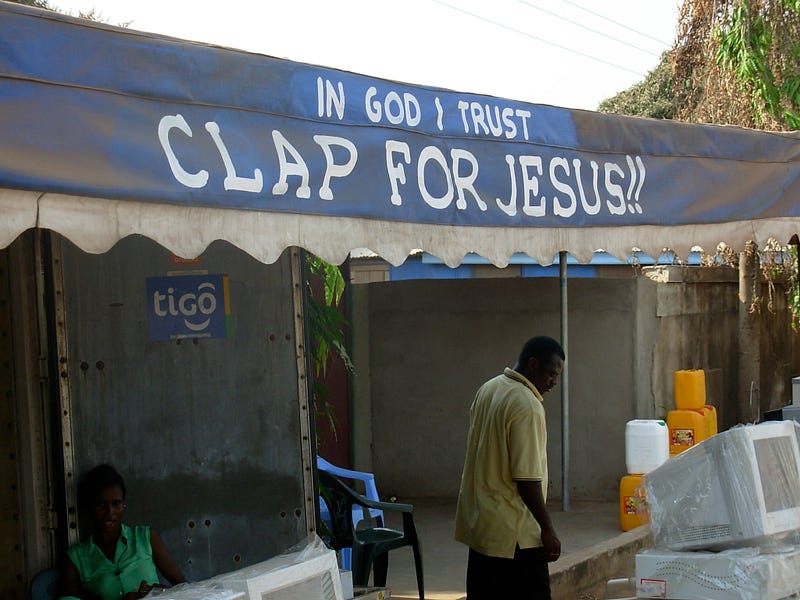
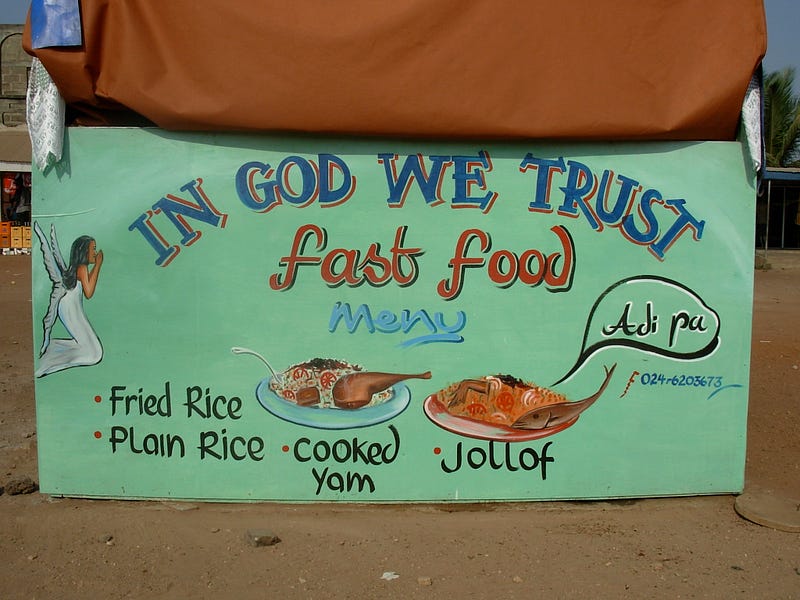
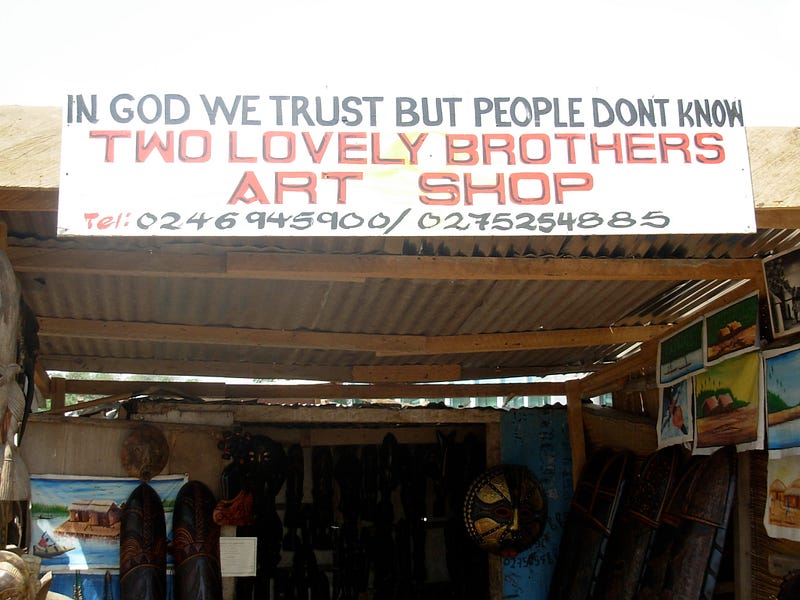
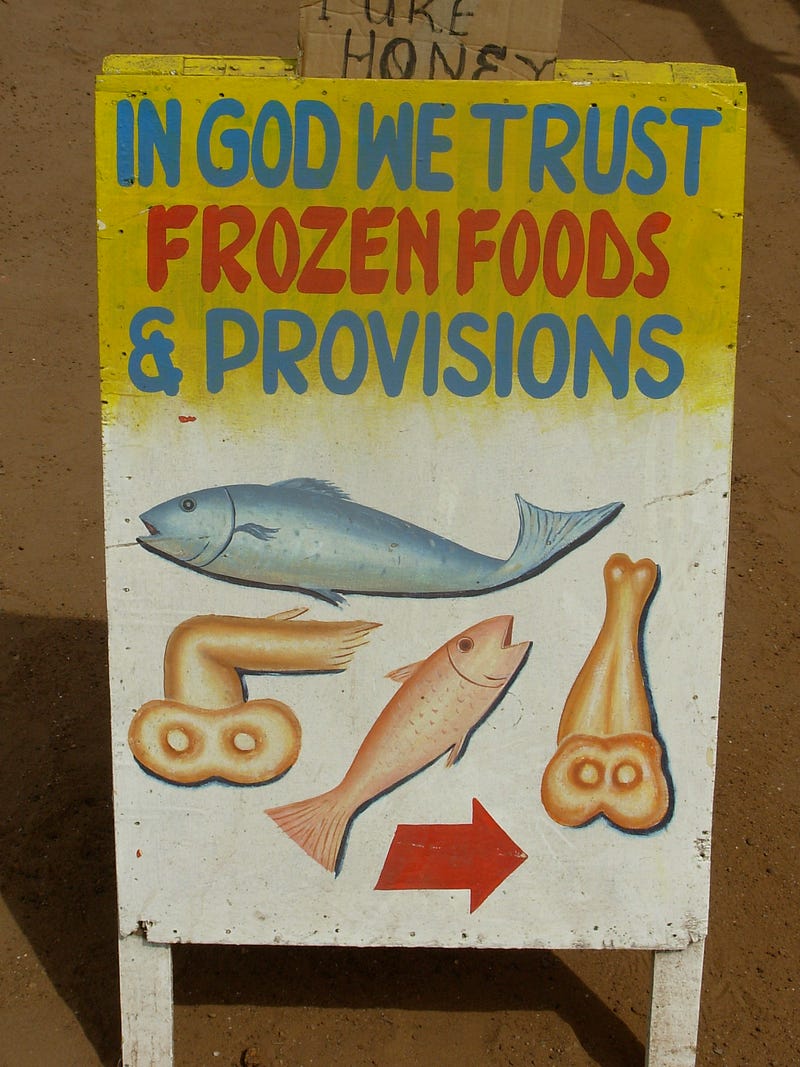
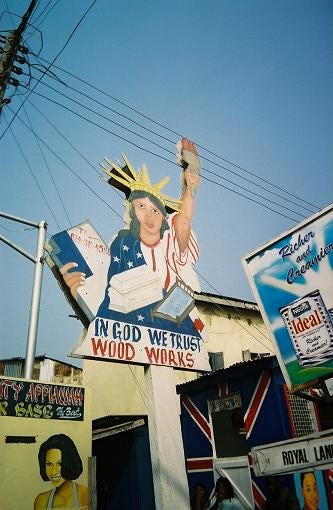

It made me wonder how the official motto of the USA managed to work its way into Ghanaian culture.
References to businesses and places outside of Ghana
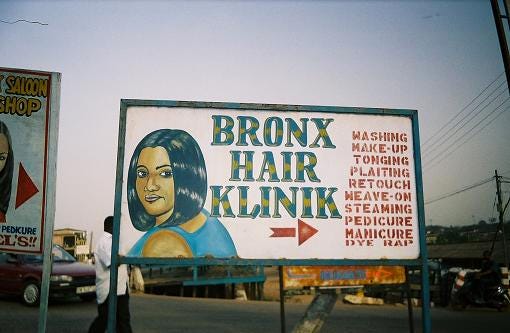
Somebody in Kumasi must have either visited or heard of the Bronx in a way that made them want to use the name in their business. I was especially curious about this one because that is where I was born.
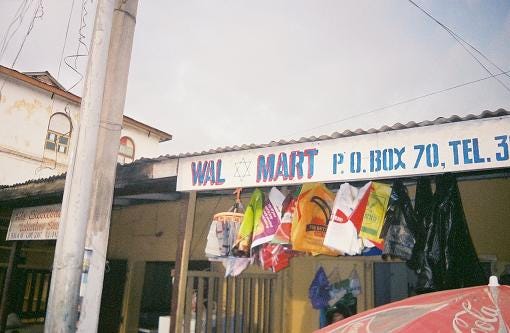
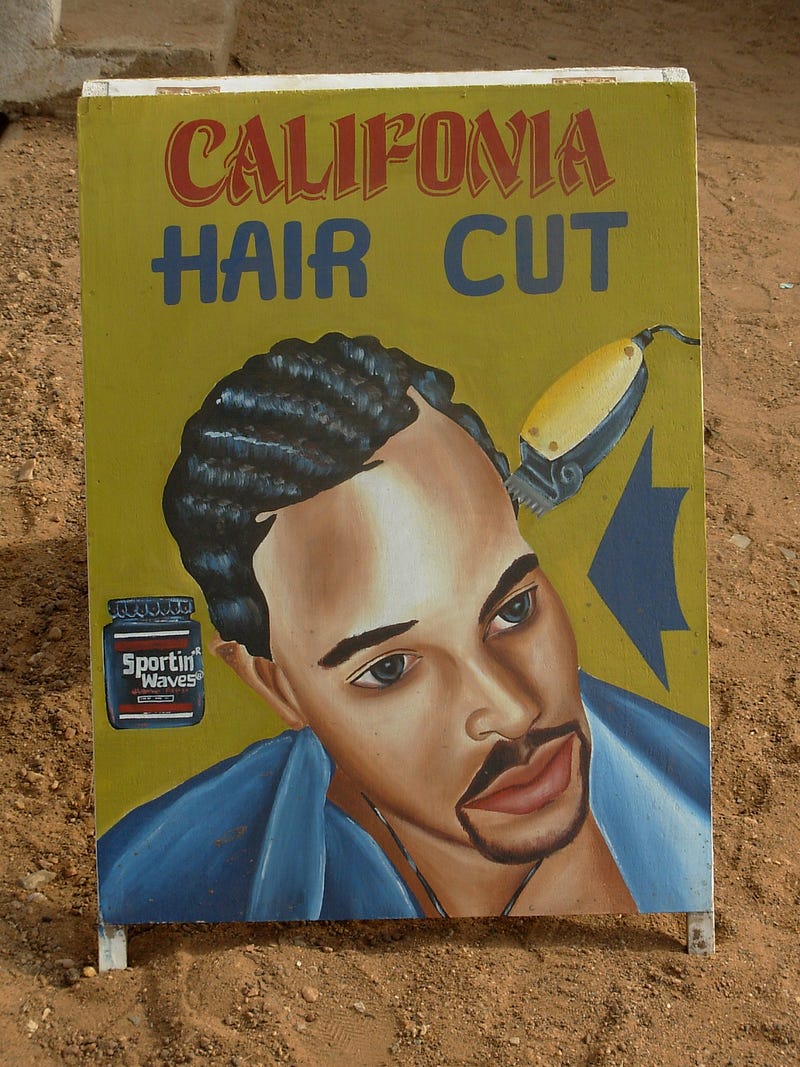
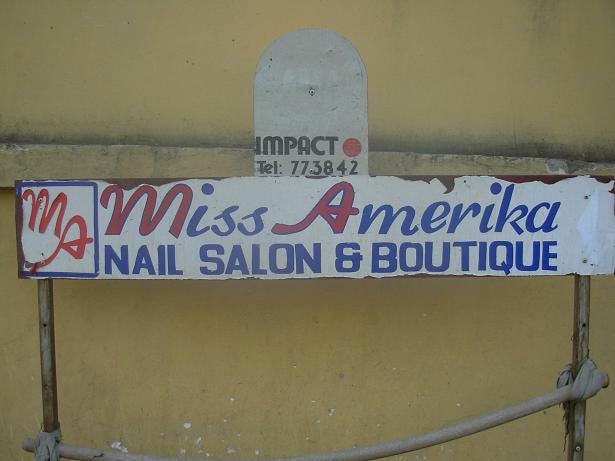
They must also have heard of Wal-Mart and McDonalds, as well as a few other places well known from the USA.

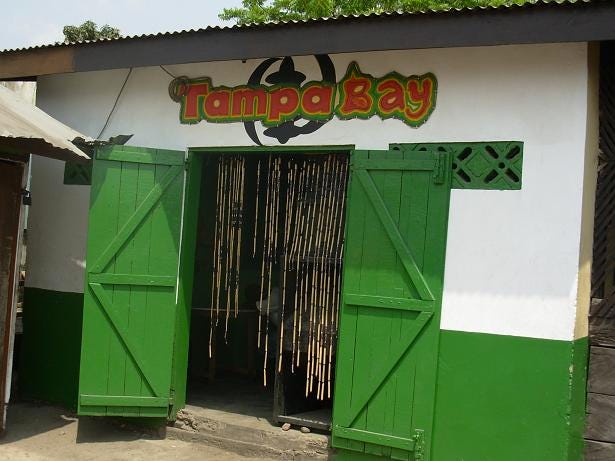
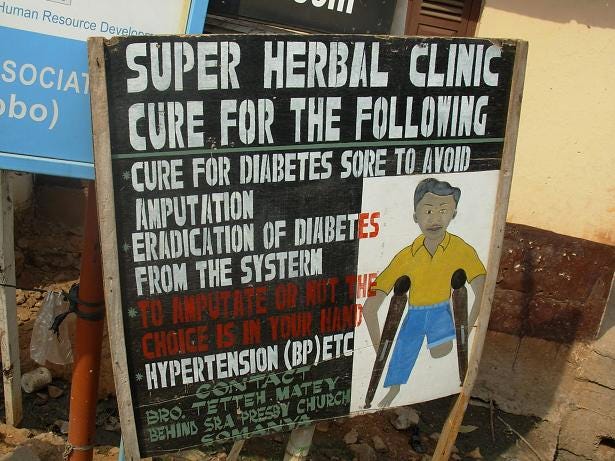
Treatments for ailments
Whatever is bothering you, you may be able to find a sign that focuses on taking care of it.
CAUTION: Some of these signs are quite graphic in their content, so you may want to avert your eyes in order not to see all of the details. Or just don’t look too closely!
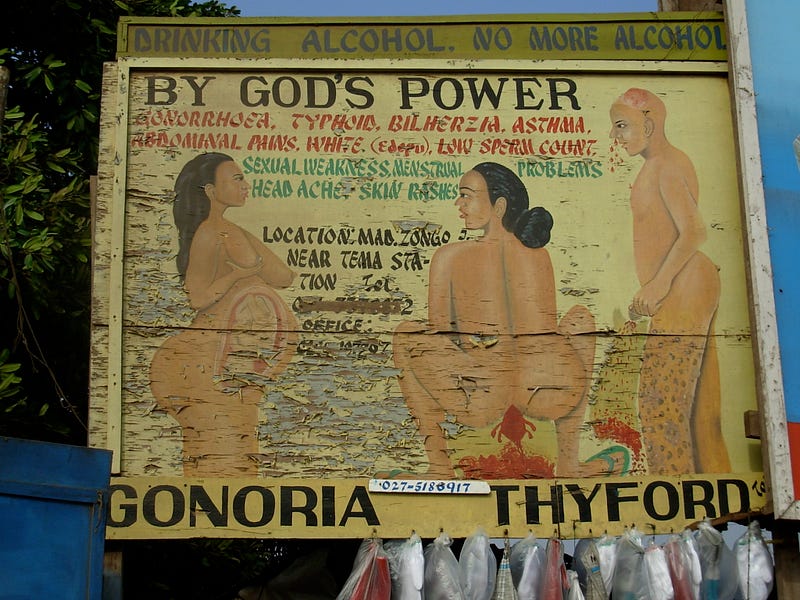
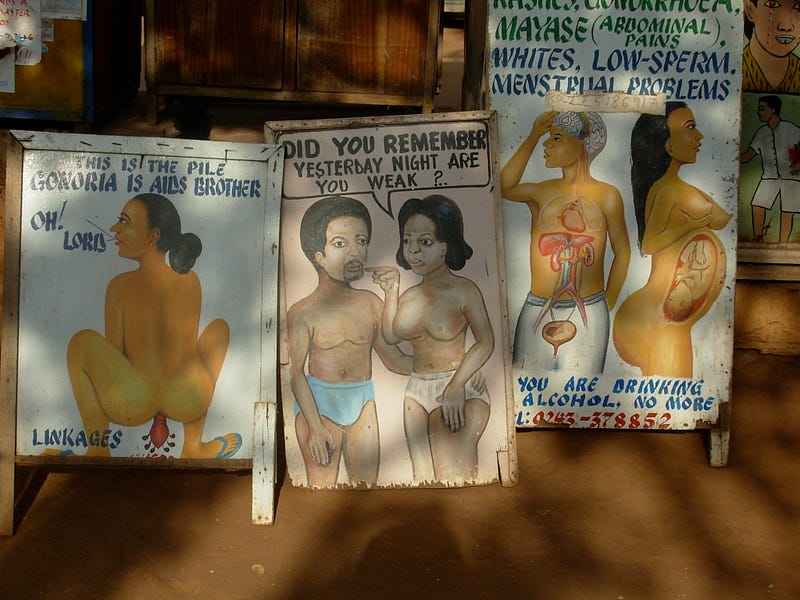
Burial services
If any of those ailments finishes you off, no worries! There are plenty of services that will help to prepare you for your burial.
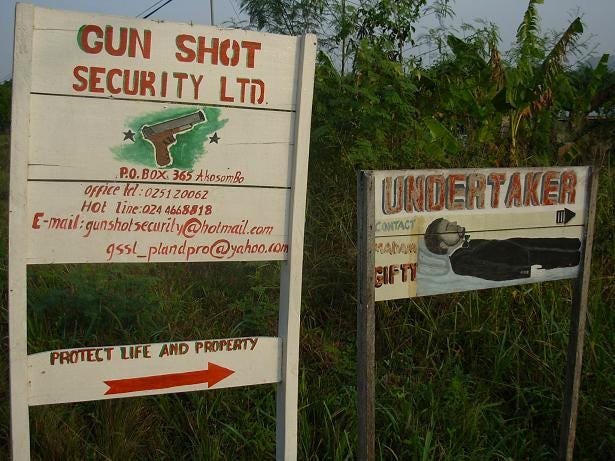
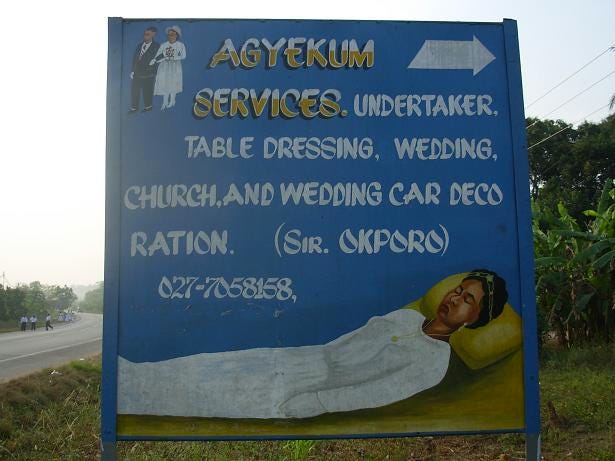
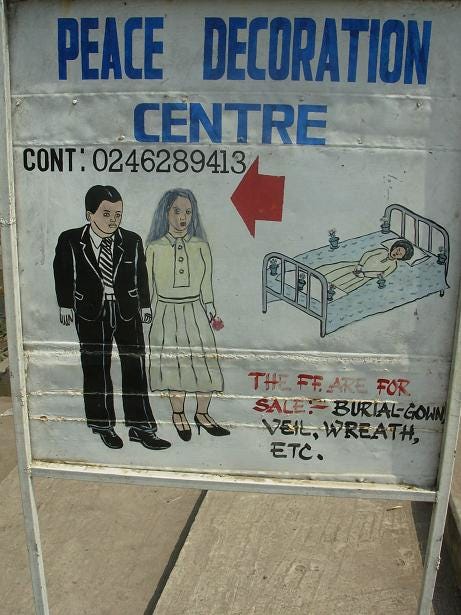
As for the burial services, I was curious to note that there were never any advertisements about building coffins for people who had died.
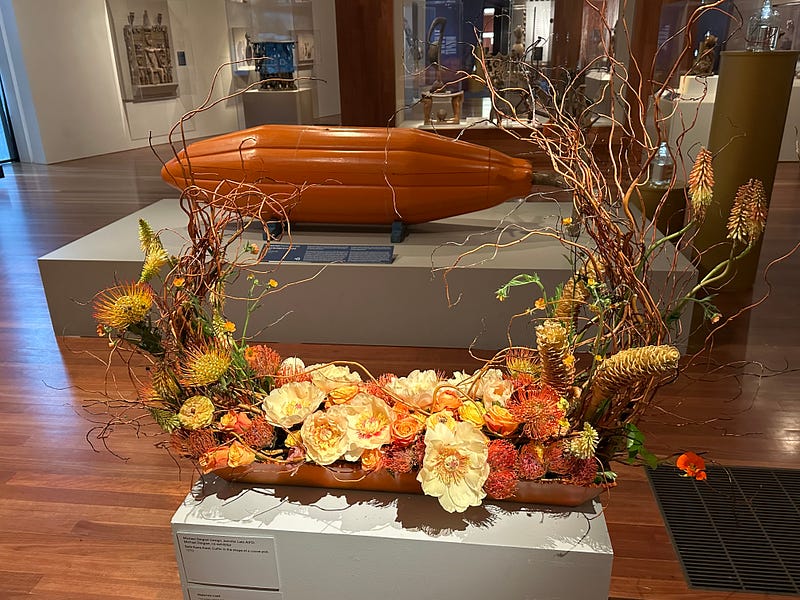
In one neighborhood not too far from Accra, I encountered many workers who were creating coffins. It is the custom of many people who can afford the expense to be buried in coffins that are related to the way that they lived their lives.
For example, the coffin depicted below, on display at the de Young Museum in San Francisco, is in the shape of a cocoa bean, which indicates that the person to be buried in it was a cocoa farmer:
Overall similarities in signs
You will probably notice that all of the signs are hand painted and offered in various degrees of artistic ability. I have been to twenty countries in Africa, and this seems to be the norm. There is little or nothing in the way of neon or plastic.