
There Are a Record Number of Indigenous Candidates This Year. Here’s a Few to Watch.
A total of 146 Natives are in races big and small, making their voices heard nationwide and in 10 states.
This story is a project of the Indigenously newsletter. Sign up today. It’s free.
A record number of Indigenous candidates, including a historic number of Native women, could be elected to offices nationwide on Tuesday, in what would close the gap on the invisibility of Indigenous issues in government affairs.
An unprecedented 146 Native candidates are running as Democrat, Republican, Independent, and of the newly formed Aloha ʻĀina Party, for seats available across the House of Representatives and the Senate, and onto less-observed political contests that could have a significant impact for Indian Country.
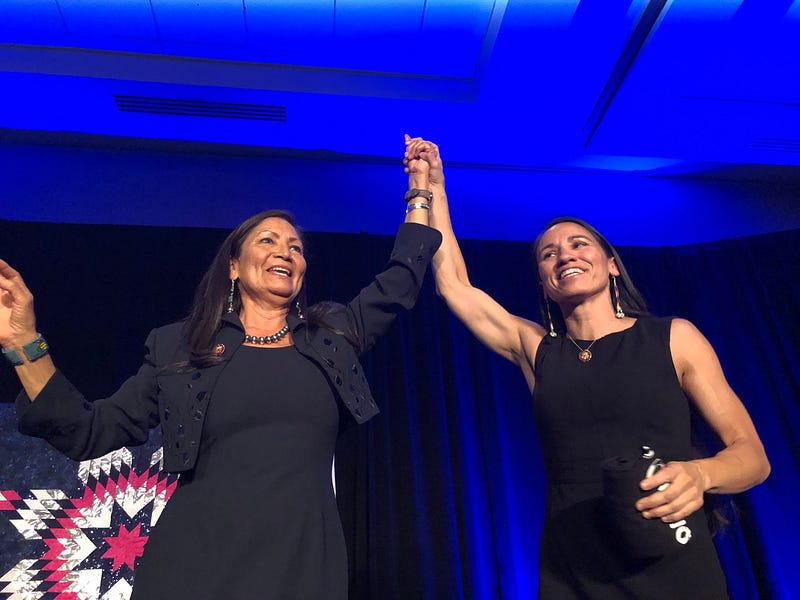
Of those candidates, 79 are Indigenous women building on the midterm elections of two years ago which saw for the first time, two Native American women, Deb Haaland (Laguna Pueblo), in New Mexico, and Sharice Davids, (Ho-Chunk), in Kansas, make history when they were elected to the U.S. House. Before then, no Indigenous women had been elected to Congress. Both are expected to be re-elected, Tuesday.
In Idaho, Paulette Jordan, a tribal citizen of the Coeur D’Alene Tribe, will be the state’s first female senator, if elected, and the first Native American woman in U.S. Senate history. Jordan’s hopeful victory will also mark the first time in more than 40 years that Idaho has had a Democratic senator.
First-time candidates Tricia Zunker (Ho-Chunk), in Wisconsin, and Lynette Grey Bull (Northern Arapaho / Hunkpapa Lakota), in Wyoming, are vying to join Haaland and Davids in the House.
More likely to take that post is Democrat Kaiali’i “Kai” Kahele, the Native Hawaiian front-runner for Hawaii’s U.S. House District 2. If he wins, it could be the first time that the U.S. House would have five Native American members should Haaland, Davids, and two other candidates, Tom Cole (Chickasaw) and Markwayne Mullin (Cherokee), both from Oklahoma, secure re-election, as anticipated.
In lesser-known races, Native candidates are targeting specific wins in local to hyperlocal offices that speak directly to Indigenous causes — many issues addressed by Rep. Haaland and Rep. Davids in their roles as congresswomen.
The battleground state of Arizona could see Gabriella Cázares-Kelly (Tohono O’odham) triumph in the little-known race for Pima County Recorder.
Cázares-Kelly would become the first Indigenous person to hold the office, which has been governed by the same elected official for the last 28 years. Cázares-Kelly has campaigned on a promise that if she wins, one of her first acts as recorder will be to re-open an early voting site on the Pascua Yaqui Reservation. The location remained shuttered this election year despite languishing litigation and new safety concerns raised by Native voters about the coronavirus. Tribal communities across the state were hit hard by the pandemic.
“Given the historical nature of voter suppression towards Native Americans in this country, and in Arizona in particular, it makes sense for us to address these needs of tribes, asking for something that is simply practical in their community and that they have a right to,” said Cázares-Kelly.
Remi Bald Eagle, a Cheyenne River Sioux tribal leader, veteran, and water protector, is in another obscure race speaking directly to what is important to Indigenous voters — the land. He’s bidding for a seat on the South Dakota Public Utility Commission. Historically, the three-member panel has been predominantly White. Most recently, it approved permits to allow the Keystone XL pipeline to cross through the state and near Cheyenne River lands — infrastructure the tribe strongly opposes.
“We have been putting the laws of man over nature for too long,” said Bald Eagle. “Now more than ever we need voices for our land.”
Only 13 of the 146 races are national, including the first Native Hawaiian candidate to run for Congress under the newly formed Aloha ʻĀina Party, a political group with 14 candidates in races this year, each promoting traditional Hawaiian values in politics. Some have snickered the ʻĀina off as “fantasy” — but that’s exactly why candidates like Jonathan Ho’omanawanui are running.
“The true Hawaiian heritage is phasing out right now. I think we have been watered down so much; we’ve been through so much oppression and struggle,” said Ho’omanawanui. “It’s why I’m doing this — for Ho‘oponopono, which is doing things the right way.”
The majority of Indigenous candidates this year are Democrats, and there has been an increase in the number of younger candidates.
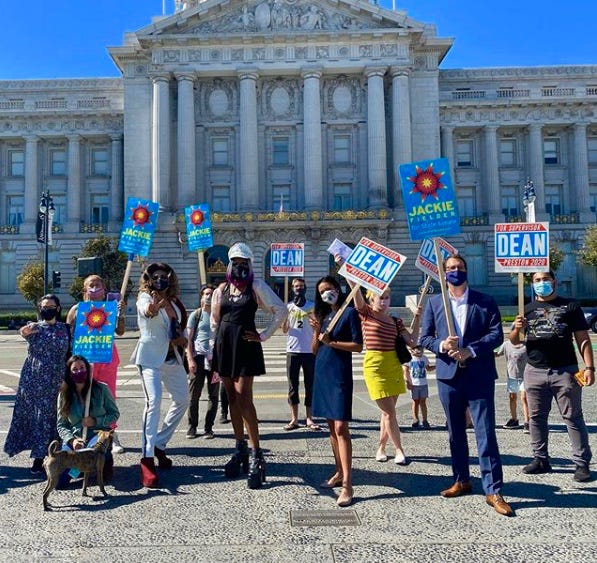
Democrat Jackie Fielder, 26, wasn’t taken seriously when she filed to run against the most real-estate backed lawmaker in California for State Senate District 11. When the Three Affiliated Tribes citizen carried a third of the primary vote, it took many by surprise.
“I started this campaign with no money, no endorsements, and no name recognition,” Fielder told the San Francisco Weekly. Today, the queer, Indigenous-Latina water protector has raised more than $750-thousand in campaign contributions — a far cry from where she began, working two jobs and living out of her van.
Election SOS Fellows Miacel Spotted Elk and Tsanavi Spoonhunter contributed to this article.
Reprints and reposts: Indigenously encourages you to make free use of this article by taking these easy steps.


