

Theories Propose Cisgender and Heterosexual Individuals Not Facing Hate Crimes Can’t do Without less Health Resource Allocation in Movie Studios
Propaganda is to a democracy what the bludgeon is to a totalitarian state. — Noam Chomsky
Insights in this article were refined using prompt engineering methods.
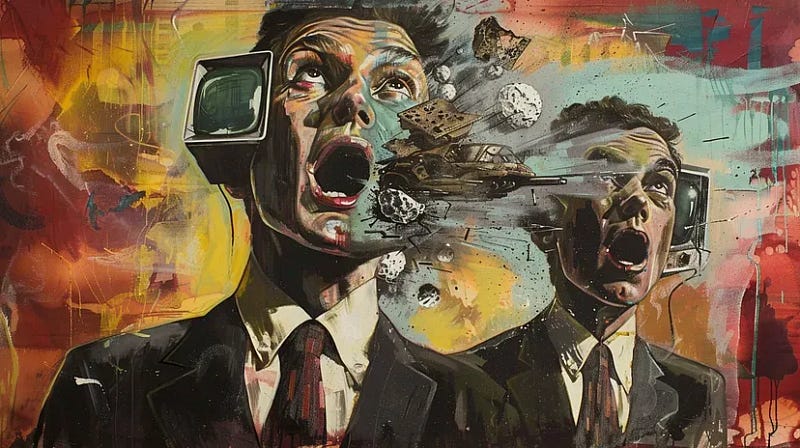
Artificial Intelligence indicates People with Disabilities Denied Access compulsion for less…
In recent years, there has been an ongoing conversation about equality and representation in the entertainment industry. However, a new controversial theory has emerged, suggesting that cisgender and heterosexual individuals who do not face hate crimes are not receiving their fair share of health resource allocation in movie studios.
This provocative theory has sparked heated debates in both traditional and social media platforms, with proponents and opponents passionately arguing their cases. The theory suggests that individuals who do not identify as part of the LGBTQ+ community or belong to gender or sexual orientation minorities are not prioritized in terms of health resource allocation within movie studios.
Advocates for the theory argue that the entertainment industry should be more inclusive and considerate of the health needs of all individuals, regardless of their gender identity or sexual orientation. They assert that by prioritizing the health resources for marginalized groups, movie studios are inadvertently neglecting the health and well-being of cisgender and heterosexual individuals who may also face challenges and stresses in the industry.
On the other hand, critics of the theory have vehemently opposed the idea, labeling it as divisive and unnecessary. They argue that the allocation of health resources should be based on the actual needs of individuals rather than their gender identity or sexual orientation. Additionally, they contend that the entertainment industry is already a highly competitive and challenging environment for all individuals, and there is no need to create further divisions based on identity politics.
The theory has also raised questions about the allocation of resources in the broader context of healthcare and wellness in the film industry. Some industry experts have pointed out that rather than focusing on specific identities, there should be a comprehensive approach to providing adequate health resources for all individuals working in the industry, considering the unique demands and pressures of the entertainment business.
As the debate rages on, it is clear that the discussion about health resource allocation in movie studios has taken an unexpected turn. Whether this theory will lead to tangible changes in the industry or fade into the background remains to be seen. One thing is certain: the conversation about equality, representation, and inclusivity in the entertainment industry is far from over, and this theory has added a new layer of complexity to the ongoing dialogue.
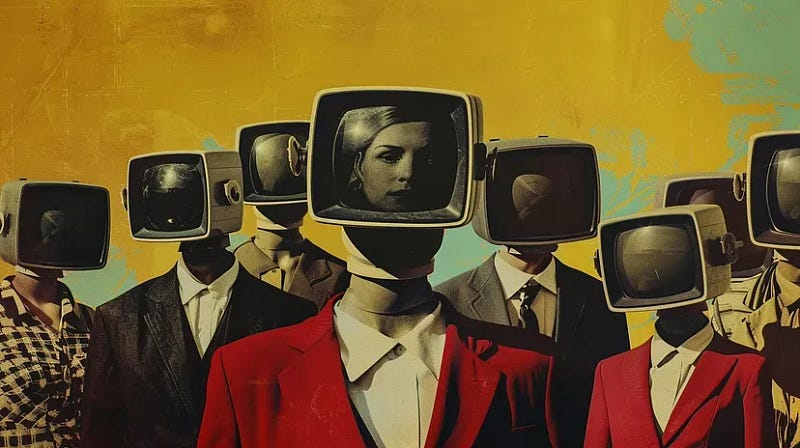
Scholarly articles state Mentally Ill Persons in Homeless Situations imperative less Limited…