
The Yoruba Orishas: Guardians of Tradition and Spirituality
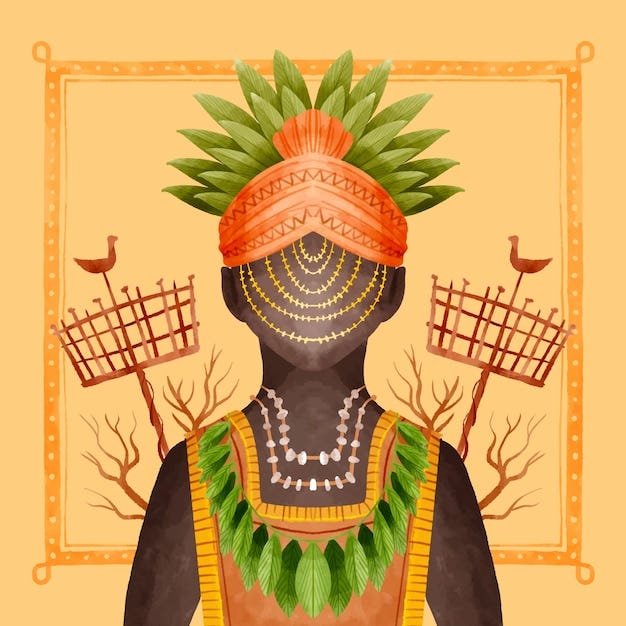
In Yoruba culture, the Orishas are revered as divine beings who possess immense knowledge and authority. They are seen as the custodians of the earth, sky, rivers, and other natural elements. Each Orisha represents a specific force of nature or human attribute, such as fertility, love, wisdom, or courage. The Yoruba people believe that by invoking and connecting with the Orishas, they can tap into their energy and receive guidance, protection, and blessings.
The Orishas are not only worshipped individually but also in conjunction with other deities and ancestors. They are an integral part of ceremonies, rituals, and everyday life, playing a vital role in Yoruba spirituality. The teachings of the Orishas emphasize the importance of balance, harmony, and respect for nature and one’s ancestors. This spiritual connection with the Orishas is deeply ingrained in the Yoruba identity and serves as a foundation for their values, traditions, and worldview.
Within the pantheon of Orishas, some deities hold more prominence and are widely worshipped. These popular Orishas have distinct roles and attributes that resonate with the Yoruba people and beyond. Let’s explore some of the most revered Orishas and their significance:
- Obatala: Known as the father of all Orishas, Obatala represents purity, wisdom, and creation. He is associated with white cloth and is often depicted as an elderly figure. Obatala is considered the creator of human bodies and the divine sculptor of destiny.
- Oshun: The goddess of love, beauty, and fertility, Oshun embodies sensuality, femininity, and abundance. She is associated with rivers, honey, and the color yellow. Oshun is revered for her healing powers and her ability to bring joy and prosperity into people’s lives.
- Yemoja: As the goddess of the ocean and motherhood, Yemoja is revered as the protector of children and the nurturer of life. She represents the vastness and nurturing qualities of water, providing emotional support and guidance. Yemoja is often depicted as a beautiful mermaid-like figure.
- Shango: Known as the god of thunder, Shango is associated with power, passion, and justice. He is depicted with a double-headed axe and is revered for his ability to bring about change and transformation. Shango embodies the fiery energy of lightning and is considered the king of the Orishas.
The Yoruba Orishas are not merely abstract deities but living entities with rich mythologies and legends surrounding them. These myths and legends provide insights into their origin, powers, and interactions with humans. They serve as a source of inspiration, moral teachings, and cultural preservation.
One of the most well-known myths revolves around Ogun, the god of iron and war. According to the Yoruba mythology, Ogun was the first Orisha to descend from heaven to Earth. He played a pivotal role in shaping the world by clearing the forests, forging tools, and teaching humans the art of ironworking. Ogun’s story symbolizes innovation, perseverance, and the transformative power of human ingenuity.
The influence of the Yoruba Orishas extends far beyond the borders of Nigeria. With the transatlantic slave trade, Yoruba spirituality and the worship of Orishas spread to the Americas, particularly in countries such as Cuba, Brazil, and Haiti. In these regions, Yoruba traditions merged with local customs, giving rise to vibrant syncretic religions such as Santeria, Candomblé, and Vodou.
Today, the celebration of the Yoruba Orishas continues to thrive in various parts of the world. In Nigeria, festivals and ceremonies dedicated to the Orishas are held regularly, attracting both locals and tourists. These festivities showcase the richness of Yoruba culture, music, dance, and art, providing a glimpse into the spiritual realm of the Orishas.
In the diaspora, Yoruba traditions have undergone unique transformations, adapting to the local context while preserving their core essence. In Cuba, for example, the Orisha Ochun is celebrated during the annual Caridad del Cobre pilgrimage, where devotees gather to honor the patron saint of Cuba, who is closely associated with Oshun. Similarly, in Brazil, the festival of Yemanja celebrates the goddess Yemoja, with devotees offering flowers and gifts to the sea as a symbol of her domain.
—
Dwayne is the author of Kingdoms and Civilizations of Africa