
The Writing Habits That Impress Editors
Professional writers need smart writing habits
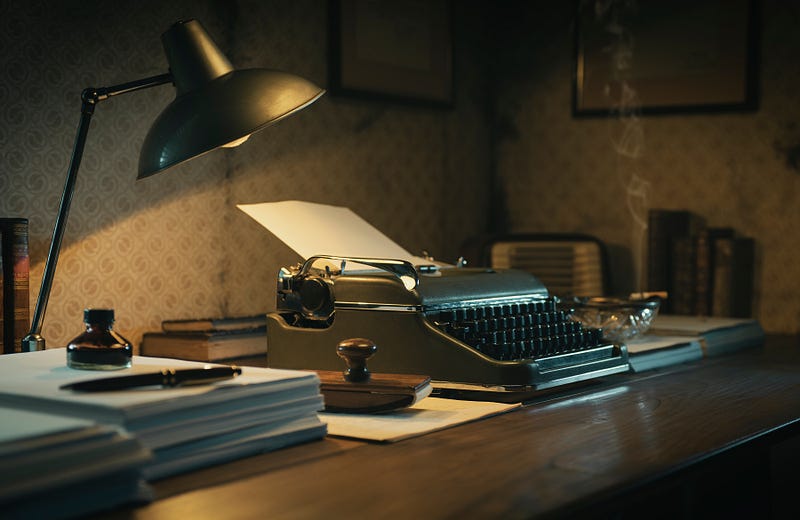
An editor is what every writer could aspire to become in the future. They’re able to spot and correct even the tiniest of grammatical errors, can provide constructive feedback on an article’s structure, tone, style, and content — they have a big role in publishing works that succeed.
In order to be an editor you’ll need not just a knowledge of journalism or writing but also a deep understanding of the publishing industry as well as knowledge of your own work. In this article, I’ll highlight some writing habits that impress editors.
Work with your strengths
Editors love to work with writers who can manage their own work, especially in the area of skills. When you’re working on an article, analyze it by yourself first. Try using different resources for content and improve your work by adding anecdotes, quotes, illustrations, or examples from other sources. Ask others for feedback before you send the piece to an editor if possible. This way the editor will know that you’re very confident in your writing skills.
Be precise with facts and figures
When writing an article it’s very important to be precise as possible because even a small error may ruin the credibility of your work. Always take care of the source and avoid using vague words like “many”, “various”, or “several” because an editor will find any errors in this case. Remember that since an editor is your first reader, you must be keen on presenting them with only the best, so that they have no other choice but to accept your work.
Know when to ask for help
Always keep in mind that editors are always ready to provide assistance to you if needed. If you don’t know how to start a particular article or don’t understand the publication’s style guide thoroughly then ask them for help right away. The quicker you ask, the easier it’ll be for both of you.
Work with a purpose
Editors are professional people who create articles and literary works that can influence the whole community. They need to be able to provide information to their audience, so it’s essential for them to know all about the subject of their work.
The more knowledge you have about the topic will allow an editor to pinpoint errors and improve your article accordingly. It’s also important that when you write an article you’re focused on achieving your final goal, which means working on something that will make your article worth reading by all its readers. Be sure that what you write about is clear and understandable for the public’s eye.
Be precise with grammar
Editors are always helpful and ready to help, but if you make a mistake in the area of language it’ll be nearly impossible for them to provide assistance. Always focus on the grammar of your work, even if you don’t have any other errors. Make sure that you proofread it a few times because editors can spot errors even when they’re not taken seriously. If you still need an editor’s assistance then try to ask them politely while they’re still reading just a little bit further.
Ask for feedback
Editors also need to be able to ask people for advice, because they must be able to improve their work by learning from others. When you write an article ask your colleagues or even friends for feedback before you send it to the editor so that they’ll know that you’re open to criticism and ready to accept it. Be sure that your audience is ready to provide feedback because in case they’re not the editor will never provide advice on how to improve the piece. Always keep in mind that there’s no such thing as a bad piece of writing per se, so try not to get offended by any negative remarks about your work.
Learn the work and industry
Editors are professionals with a total understanding of the publishing world. Therefore, you must be able to provide them with knowledge related to your topic so that they can do their job efficiently. For example, if you’re writing an article about the topic of journalism, then make sure that you’re familiar with all its aspects. Read more about it and read articles related to it as well, because this way your piece will be considered more reliable by the editor. Don’t forget to explain any unclear points or information in your article’s content and structure, as this will show how knowledgeable about the subject you are.
Think about the title
Editors work with titles and subtitles all the time, so they need to have a very good understanding of what makes a good title as well as how to present content in one. Try to use catchy titles that will attract people’s attention but will also give them an idea of what they can expect from your article. For example, if you’re writing an article about business and entrepreneurship, then you can use titles like “Five Tips for Successful Business”, or “Top 10 Mistakes Made by Businesses”. The best way is to get inspiration from the works of others and learn how they presented their ideas.
The most important habits of an editor are creativity, excellent communication skills, and plenty of patience. Remember that editors are there to help you with your work but it’s up to you to make them interested in it. Also, remember that being an editor means that you need to enjoy editing other people’s work more than writing your own because after all the main purpose of being an editor is to improve the content written by others while providing them with a valuable experience that they can use in their further work.
Enjoy this? Become a Medium member today for full access.