avatarCailian Savage

Free AI web copilot to create summaries, insights and extended knowledge, download it at here

4404

Abstract

b costs over $2,000 per month. There will always be better deals for the lucky, but you’ll never get as good a price as someone living in a place year-round. It’s a similar story for many less significant expenses, like gym memberships.</p><figure id="be59"><img src="https://cdn-images-1.readmedium.com/v2/resize:fit:800/0*apJHaoY6V-87j7uI"><figcaption>Photo by <a href="https://unsplash.com/@kencheungphoto?utm_source=medium&amp;utm_medium=referral">Ken Cheung</a> on <a href="https://unsplash.com?utm_source=medium&amp;utm_medium=referral">Unsplash</a></figcaption></figure><h2 id="4251">Living out of a suitcase</h2><p id="2813">I’ve wanted to learn to play piano and saxophone for quite a while, but it’s easier said than done while being a digital nomad — and the same can be said for many hobbies and interests. Game consoles, homebrewing, gardening, and car restoration are some examples of things that become a pain in the ass when you change location every 3 or 6 months.</p><figure id="b0a8"><img src="https://cdn-images-1.readmedium.com/v2/resize:fit:800/0*jOtsXc62idGs0dHJ"><figcaption>Photo by <a href="https://unsplash.com/@kpzhnv?utm_source=medium&amp;utm_medium=referral">Damir Kopezhanov</a> on <a href="https://unsplash.com?utm_source=medium&amp;utm_medium=referral">Unsplash</a></figcaption></figure><p id="9540">For the <i>“WeLL, aCtUaLLy …”</i> crowd, yes, there’s usually some workaround. You can keep a Nintendo Switch in your laptop bag instead of a PS5 (or sink a few thousand dollars into a gaming PC). I could play a tin whistle or an ocarina and easily tuck them into a suitcase. But sometimes, you just wish you had more damn space. Materialism can be underrated.</p><p id="dbe0">There’s one category of hard-to-transport items that deserves special attention: pets. It’s extraordinarily expensive and inconvenient to live the classic digital nomad lifestyle while trying a look after a dog or cat, and basically impossible with animals like a horse.</p><figure id="d2ba"><img src="https://cdn-images-1.readmedium.com/v2/resize:fit:800/0*S-0sPiyc4yDumf8t"><figcaption>Photo by <a href="https://unsplash.com/@annadudkova?utm_source=medium&amp;utm_medium=referral">Anna Dudkova</a> on <a href="https://unsplash.com?utm_source=medium&amp;utm_medium=referral">Unsplash</a></figcaption></figure><h2 id="0885">Loneliness … and being overcrowded</h2><p id="504f">Solo travel of any kind can seem intimidating to people inexperienced with it, but in practice, it’s not difficult to make friends traveling. Sit down at a hostel bar in most of the world, and you’ll have 3 new buddies before the night is out.</p><figure id="4fd3"><img src="https://cdn-images-1.readmedium.com/v2/resize:fit:800/0*V7ob7Ay76jsKAukC"><figcaption>Photo by <a href="https://unsplash.com/@fwed?utm_source=medium&amp;utm_medium=referral">Fred Moon</a> on <a href="https://unsplash.com?utm_source=medium&amp;utm_medium=referral">Unsplash</a></figcaption></figure><p id="b028">I even think that making <i>good</i> friends is easier abroad than while at home. Being alone and abroad can force us to drop our barriers more quickly than we otherwise would. The shared adversity makes it easier to forge close ties, just like the camaraderie that often emerges from military units, sports teams, or shitty workplaces. I’ve found plenty of friends abroad that I value just as much as any of my childhood friends, if not more.</p><p id="7dff">But if you make a habit of changing locations, you will fall out of contact with many of these friends, and that hurts a lot. You meet people that would pawn their wedding ring to get you out of a bad spot, but can’t have a beer and watch some TV with you when you’re feeling down, because you’re in Bangkok and they’re in Copenhagen.</p><figure id="3332"><img src="https://cdn-images-1.readmedium.com/v2/resize:fit:800/0*THzzhzEO_44zUn4x"><figcaption>Photo by <a href="https://unsplash.com/@danfreemanphoto?utm_source=medium&amp;utm_medium=referral">Dan Freeman</a> on <a href="https://unsplash.com?utm_source=medium&amp;utm_medium=referral">Unsplash</a></figcaption></figure><p id="2b69">Digital nomads also often find themselves meeting a much wider cast of people than an ordinary settled person would. That can be unsettling; I’ve certainly had more landlords than the average person my age, and every new one requires the same caution as the last one. Every few mont

Options

hs, I have to extensively photograph a new apartment and psychologically prepare myself to battle to get a deposit refunded.</p><p id="ffb2">It’s also sad to miss out on the little constants that many settled people take for granted in their lives: the owner of your favourite local pub who lets you stay after closing; the butcher who puts extra sausages in your bag on your birthday; the retired neighbour who insists on mowing your lawn because they like to keep busy and because you help them out when there’s some online bureaucracy that need to get past. In short: community.</p><figure id="c250"><img src="https://cdn-images-1.readmedium.com/v2/resize:fit:800/0*dTDD8DoHK9tWDL_i"><figcaption>Photo by <a href="https://unsplash.com/@gabiontheroad?utm_source=medium&amp;utm_medium=referral">Gabriella Clare Marino</a> on <a href="https://unsplash.com?utm_source=medium&amp;utm_medium=referral">Unsplash</a></figcaption></figure><p id="cbf0">Instead, as a digital nomad, you get a higher-than-average share of the dullest human interactions: introductions.</p><p id="4fb7"><i>“What’s your name?” — “What country are you from?” — “But you’re not from <b>real</b> Ireland, are you?” — “Wait, are you from Iceland or Ireland?” — “How long will you be here for?” — “Where were you before?” — “Where are you going next?” — “Don’t you like living in Ireland?” — “Don’t you miss your family and friends?” — “What do you do for a living?” — “Does that really pay enough to live off?” — “What do you think of Conor McGregor?” — What do you think of Guinness?” — “What’s your favourite country?”</i></p><p id="e8ac">Some of those questions can’t really be avoided, and most would be harmless enough in most contexts, but it can be exhausting and boring to get asked them so frequently. Sometimes I feel like printing off a sheet with my answers to them all so that we can skip to the good stuff.</p><figure id="633f"><img src="https://cdn-images-1.readmedium.com/v2/resize:fit:800/0*tVWUOTkariDwdFYl"><figcaption><b>Pretty ambivalent, to be honest. I’m a cider guy.</b> Photo by <a href="https://unsplash.com/@cl3m_bnt?utm_source=medium&amp;utm_medium=referral">Clément Bonnet</a> on <a href="https://unsplash.com?utm_source=medium&amp;utm_medium=referral">Unsplash</a></figcaption></figure><h2 id="0a7e">Say goodbye to your career</h2><p id="0033">Even if remote work is easier now than ever before, it still takes a professional toll to be constantly on the move. It’s harder to get promotions or pay raises, and employers tend to be suspicious of the work ethic and availability of fully remote employees.</p><p id="8751">In many cases, traveling while meeting professional obligations will involve painful compromises. That might mean starting work at 4 am due to time-zone differences, or it could mean being assigned to duller, more routine work that doesn’t require in-person attendance.</p><figure id="f048"><img src="https://cdn-images-1.readmedium.com/v2/resize:fit:800/0*vQ1RaIW2sUeTvN7S"><figcaption>Photo by <a href="https://unsplash.com/@luiscortestamez?utm_source=medium&amp;utm_medium=referral">Luis Cortes</a> on <a href="https://unsplash.com?utm_source=medium&amp;utm_medium=referral">Unsplash</a></figcaption></figure><h2 id="d700">The locals might hate you</h2><p id="6e9f">When Instagram accounts are selling the dream of working from a laptop on a beach in Bali, the photos may well be cropping out a protest by angry local residents.</p><p id="2582">Digital nomads often have a destructive impact on communities that become hotspots for them. From small, trendy towns like Tulum and Canggu all the way up to major cities like Mexico and Chiang Mai, digital nomads have a way of ushering in waves of gentrification.</p><figure id="1270"><img src="https://cdn-images-1.readmedium.com/v2/resize:fit:800/0*uMx0U4x1jpOVae9l"><figcaption>Photo by <a href="https://unsplash.com/@carmarti?utm_source=medium&amp;utm_medium=referral">Carla Martinesi</a> on <a href="https://unsplash.com?utm_source=medium&amp;utm_medium=referral">Unsplash</a></figcaption></figure><p id="576f">Seeing their favourite community spaces get replaced by hipster cafés and co-working spaces, many people get rather peeved. When local rents triple in the space of a year due to an influx of Silicon Valley programmers with money to burn, it’s no wonder that so many see digital nomads as colonizers.</p></article></body>

The Worst Things About Life As A Digital Nomad

The bittersweet reality of the world’s most Instagrammable lifestyle.

Every new generation creates new jobs, but the 21st Century has created a whole new lifestyle: digital nomadism. For millions of people, it’s now possible to do most office jobs (advertising, teaching, accounting, design etc) with nothing more than a laptop, while living anywhere in the world with a decent internet signal.
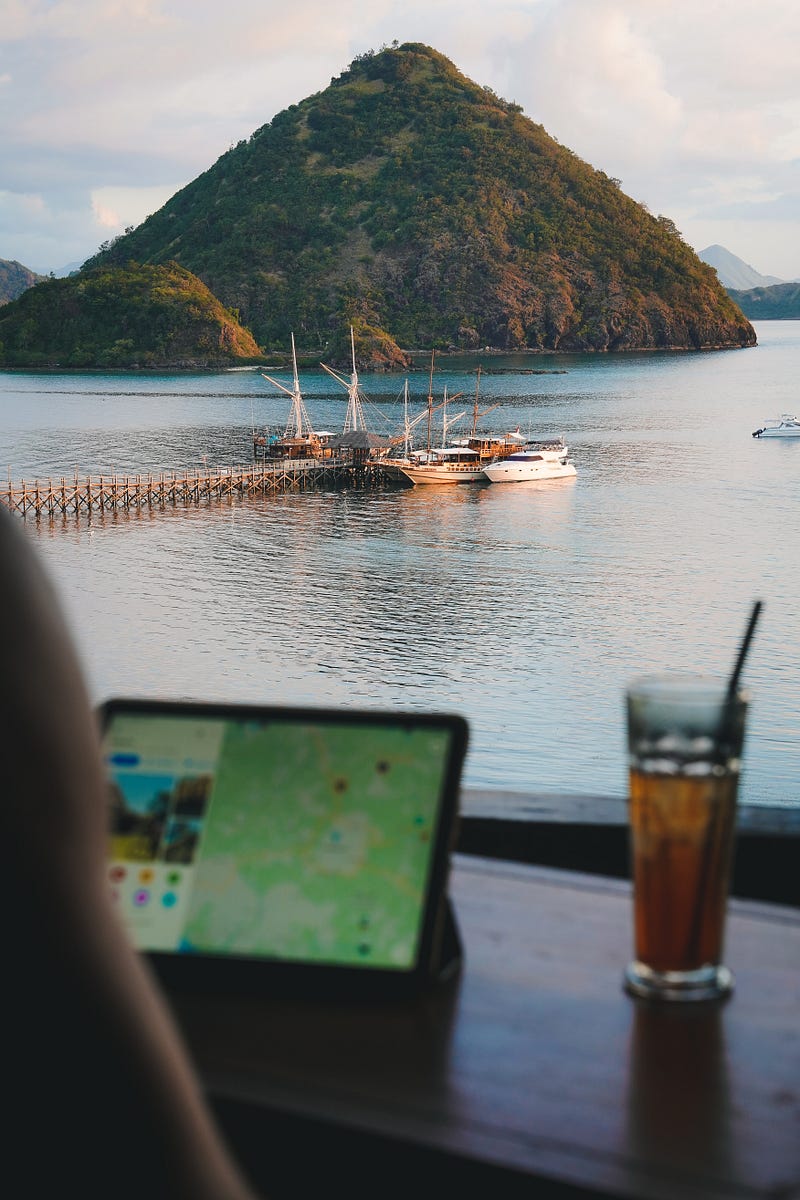
Photo by Kevin Charit on Unsplash

It’s an intoxicating dream. Nobody dreams of being stuck in the 9-to-5 corporate rat race, but obviously not everyone can be an actor or a musician. Being a digital nomad, by contrast, is a fairly accessible dream; it offers a clear path to living a life less ordinary, without requiring the extraordinary talent of pro athletes and rock stars.

The reality is somewhat less glamorous. It’s not the worst lifestyle imaginable, but it only truly suits those with a very particular mindset. It makes life lonelier, more expensive, more frustrating, and can be even more repetitive than the rat race we all hate so much. For a glimpse of the dark side of paradise, read on.
Photo by Chris Buckwald on Unsplash

The cost

Some people imagine that digital nomads are rolling in money. If you’re lucky enough to get paid by an American or German company, but you get to live in a place like Thailand or Colombia, you must be able to save huge amounts of money. Can’t you buy a house for like $4.70 in Third World countries?
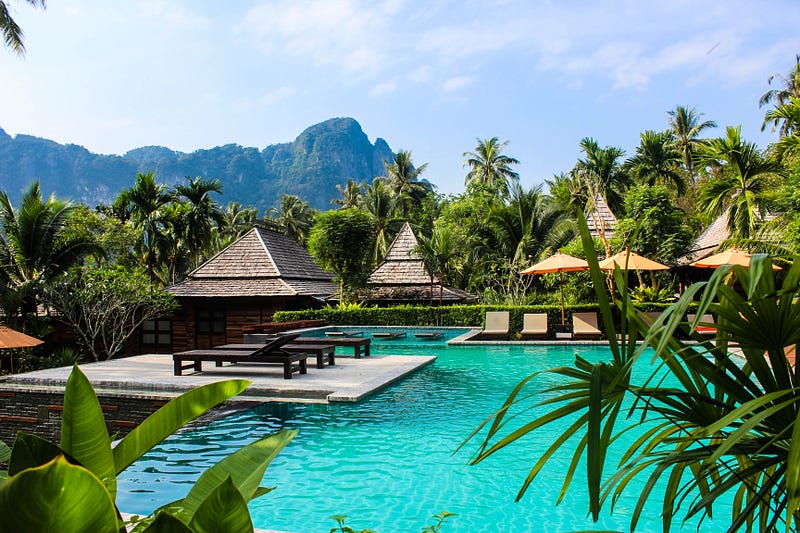
Photo by Sara Dubler on Unsplash

The truth is more complicated. If you’re originally from an expensive country like the US or Denmark, prices for many products probably will be lower in much of the world. Beer, taxis, restaurants, clothes and groceries might all cost less than back home.

On the other hand, digital nomads will often find that they have to pay for things that weren’t necessary while living a more normal life — such as taking multiple international flights per year, visa fees, language classes, or the cost of year-round travel insurance.
Photo by Johan Van Wambeke on Unsplash

If you have a car at home, you might find that it isn’t always cheap or easy to buy one abroad, so you might be forced to take taxis more often, or compromise on other forms of transport like bus or train. If you’re staying at a place without a good kitchen, you’ll probably find yourself eating out more often than back home.

It’s also likely that you’ll be paying a short-term premium for many of your expenses. This is most important when thinking about housing: it can be difficult to find short-term leases, especially if you’re a freelancer, and so digital nomads are often left paying far above a typical local rent to stay in Airbnbs and hotels.

A quick search tells me that the average cost of an Airbnb in Barcelona over the next month is ~$3,000 (actually ~$8,000 if you’re looking for a whole apartment, rather than just a room). Even in Istanbul, the average apartment on Airbnb costs over $2,000 per month. There will always be better deals for the lucky, but you’ll never get as good a price as someone living in a place year-round. It’s a similar story for many less significant expenses, like gym memberships.
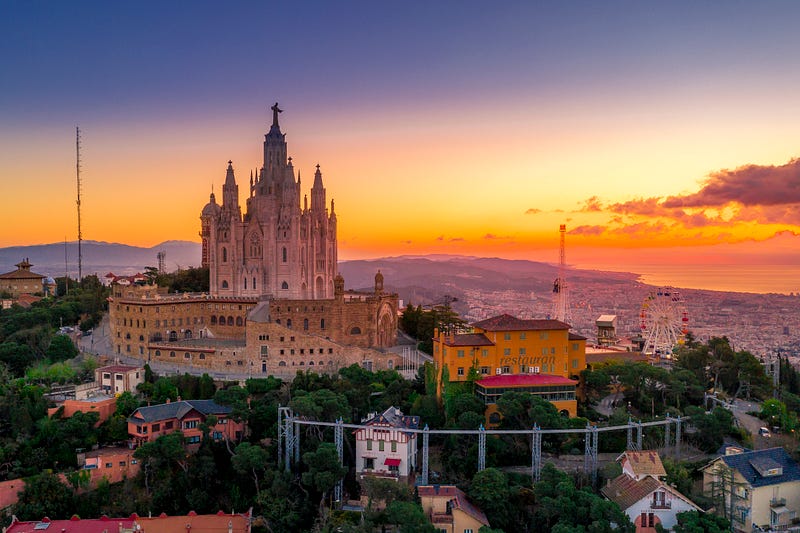
Photo by Ken Cheung on Unsplash

Living out of a suitcase

I’ve wanted to learn to play piano and saxophone for quite a while, but it’s easier said than done while being a digital nomad — and the same can be said for many hobbies and interests. Game consoles, homebrewing, gardening, and car restoration are some examples of things that become a pain in the ass when you change location every 3 or 6 months.

Photo by Damir Kopezhanov on Unsplash

For the “WeLL, aCtUaLLy …” crowd, yes, there’s usually some workaround. You can keep a Nintendo Switch in your laptop bag instead of a PS5 (or sink a few thousand dollars into a gaming PC). I could play a tin whistle or an ocarina and easily tuck them into a suitcase. But sometimes, you just wish you had more damn space. Materialism can be underrated.

There’s one category of hard-to-transport items that deserves special attention: pets. It’s extraordinarily expensive and inconvenient to live the classic digital nomad lifestyle while trying a look after a dog or cat, and basically impossible with animals like a horse.

Photo by Anna Dudkova on Unsplash

Loneliness … and being overcrowded

Solo travel of any kind can seem intimidating to people inexperienced with it, but in practice, it’s not difficult to make friends traveling. Sit down at a hostel bar in most of the world, and you’ll have 3 new buddies before the night is out.
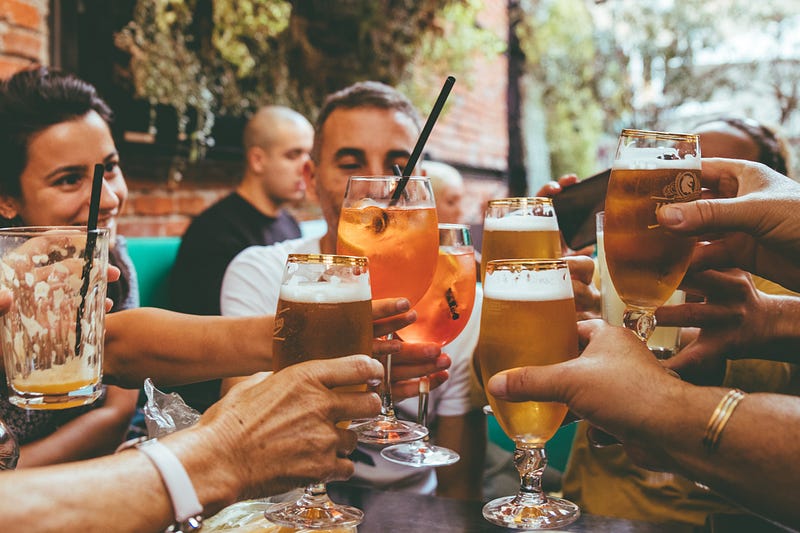
Photo by Fred Moon on Unsplash

I even think that making good friends is easier abroad than while at home. Being alone and abroad can force us to drop our barriers more quickly than we otherwise would. The shared adversity makes it easier to forge close ties, just like the camaraderie that often emerges from military units, sports teams, or shitty workplaces. I’ve found plenty of friends abroad that I value just as much as any of my childhood friends, if not more.

But if you make a habit of changing locations, you will fall out of contact with many of these friends, and that hurts a lot. You meet people that would pawn their wedding ring to get you out of a bad spot, but can’t have a beer and watch some TV with you when you’re feeling down, because you’re in Bangkok and they’re in Copenhagen.
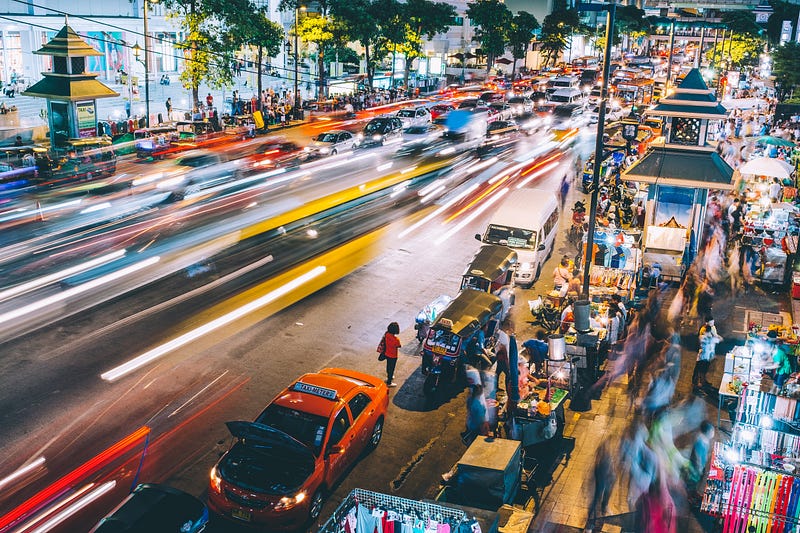
Photo by Dan Freeman on Unsplash

Digital nomads also often find themselves meeting a much wider cast of people than an ordinary settled person would. That can be unsettling; I’ve certainly had more landlords than the average person my age, and every new one requires the same caution as the last one. Every few months, I have to extensively photograph a new apartment and psychologically prepare myself to battle to get a deposit refunded.

It’s also sad to miss out on the little constants that many settled people take for granted in their lives: the owner of your favourite local pub who lets you stay after closing; the butcher who puts extra sausages in your bag on your birthday; the retired neighbour who insists on mowing your lawn because they like to keep busy and because you help them out when there’s some online bureaucracy that need to get past. In short: community.
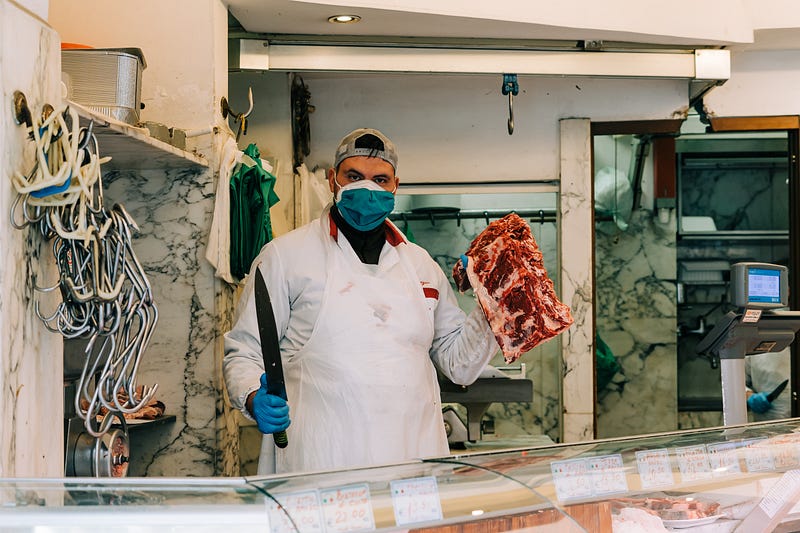
Photo by Gabriella Clare Marino on Unsplash

Instead, as a digital nomad, you get a higher-than-average share of the dullest human interactions: introductions.

“What’s your name?” — “What country are you from?” — “But you’re not from real Ireland, are you?” — “Wait, are you from Iceland or Ireland?” — “How long will you be here for?” — “Where were you before?” — “Where are you going next?” — “Don’t you like living in Ireland?” — “Don’t you miss your family and friends?” — “What do you do for a living?” — “Does that really pay enough to live off?” — “What do you think of Conor McGregor?” — What do you think of Guinness?” — “What’s your favourite country?”

Some of those questions can’t really be avoided, and most would be harmless enough in most contexts, but it can be exhausting and boring to get asked them so frequently. Sometimes I feel like printing off a sheet with my answers to them all so that we can skip to the good stuff.
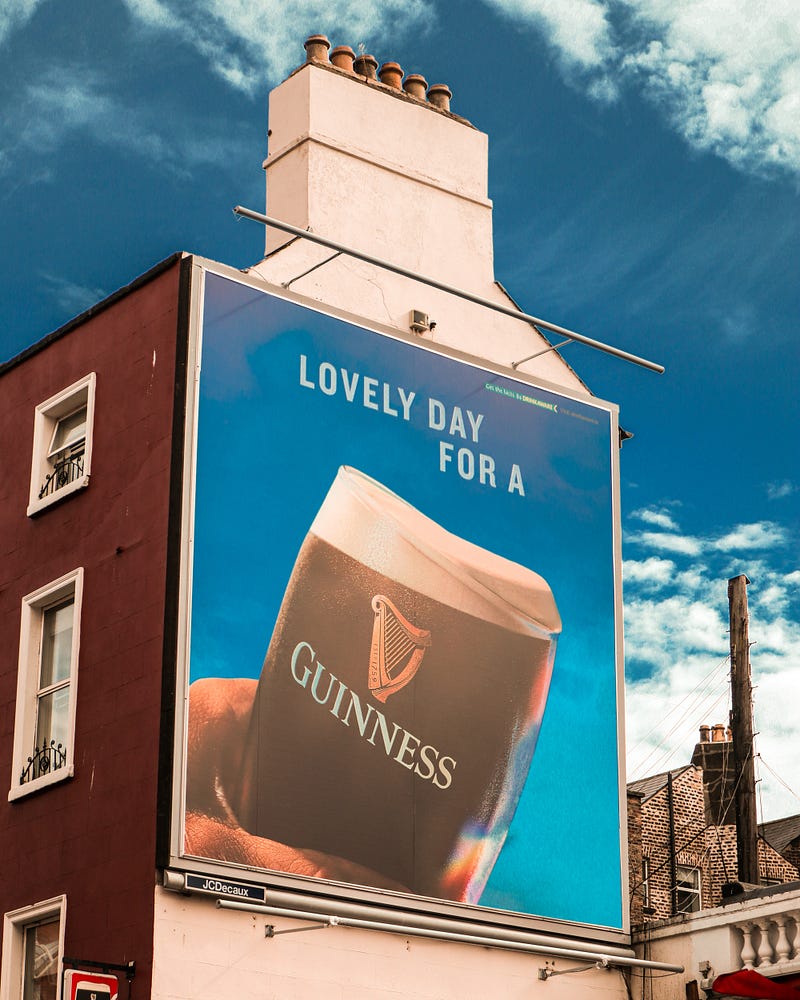
Pretty ambivalent, to be honest. I’m a cider guy. Photo by Clément Bonnet on Unsplash

Say goodbye to your career

Even if remote work is easier now than ever before, it still takes a professional toll to be constantly on the move. It’s harder to get promotions or pay raises, and employers tend to be suspicious of the work ethic and availability of fully remote employees.

In many cases, traveling while meeting professional obligations will involve painful compromises. That might mean starting work at 4 am due to time-zone differences, or it could mean being assigned to duller, more routine work that doesn’t require in-person attendance.
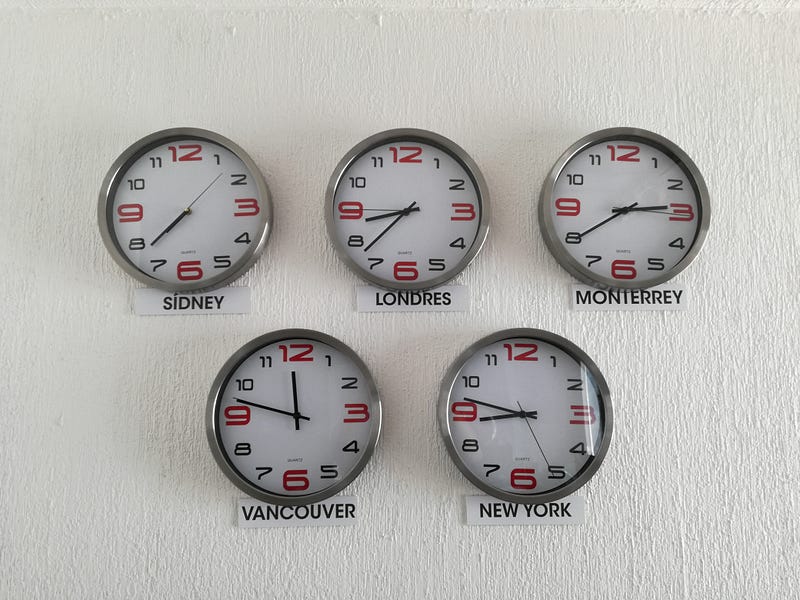
Photo by Luis Cortes on Unsplash

The locals might hate you

When Instagram accounts are selling the dream of working from a laptop on a beach in Bali, the photos may well be cropping out a protest by angry local residents.

Digital nomads often have a destructive impact on communities that become hotspots for them. From small, trendy towns like Tulum and Canggu all the way up to major cities like Mexico and Chiang Mai, digital nomads have a way of ushering in waves of gentrification.
Photo by Carla Martinesi on Unsplash

Seeing their favourite community spaces get replaced by hipster cafés and co-working spaces, many people get rather peeved. When local rents triple in the space of a year due to an influx of Silicon Valley programmers with money to burn, it’s no wonder that so many see digital nomads as colonizers.

Philosophy
Lifestyle
Life Lessons
Travel
Technology
Recommended from ReadMedium