
The World’s Oldest Brewery: The Official And The Unofficial
The first beers and the spark that lit civilization
Beer is one of humanity’s oldest drinks, perhaps predating wine by as much as 8,000 years. It has been used to pay workers for millennia, being included in the rations of those constructing the Pyramids right through to the laying of Britain’s railways. Today, it serves an essential function in bringing us all together, but the story of beer remains controversial and shrouded in prehistory.
First off, what exactly is beer? Traditionally the drink contains about 93% water, malt (though you can also use wheat, rice, oats and rye), and yeast. The starch source (malt, wheat, etc.) is soaked in the water, eventually creating a mash, which the yeast will then either be added to or wild yeast will naturally occur, and fermentation will ensue. The addition of hops wasn’t introduced until around the 9th century, but it’s in almost all beers of today, helping to offset the sweetness, by adding some bitterness and floral tones.
There is a lot more than can be said about beer. Entire books can and have been dedicated to the brewing of beer. Everything from water type, starch choice, fermentation method, hops quantity and even the time period it was made in can all affect the quality, taste and appearance of the beer. The above is a basic description of modern beer. So, with that in mind, what’s the oldest brewery in the world?
Weihenstephan
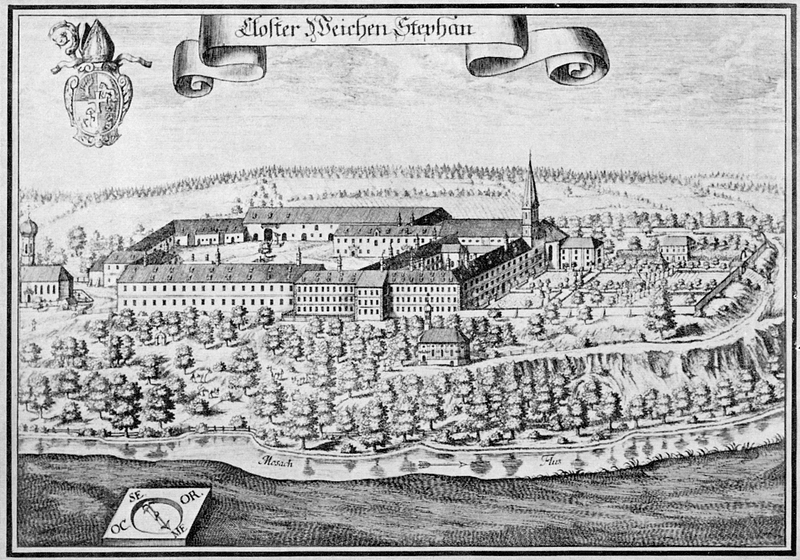
In 725AD a Benedictine monastery was founded on Nährberg Hill in Weihenstephan, today part of Freising, just north of Munich. Almost immediately, the monastery began brewing beer.
This is around the times that hops was beginning to be experimented with in brewing and there are records of this happening at Weihenstephan as early as 768AD, but it would not be until 1040AD that Abbott Arnold obtained his brewing license and the monastery was recognised.
1040AD is the date that the brewery itself is officially established and by the 16th century it had been burned down, plundered, and flattened by an earthquake at least a half a dozen times. Thankfully, the monastery endured, long enough to witness the passing of the German purity laws in 1516AD. Unscrupulous sellers and brewery would often mix in numerous ingredients to get more from less in 16th century, so Duke Wilhelm IV of Bavaria degreed that only 4 ingredients could be used: wheat, barley, hops, and water. When Bavaria reunited, the law was applied to the whole state and then eventually the entirety of a united Germany. It remains in place to this day.
Weihenstephan is still in operation to this day. The monastery may be gone, but the brewery remains, leading the charge as both a centre of tradition and innovation. However, many have called into question whether it’s the oldest brewery in the world. There is little official evidence to confirm it, but nor is there any to really deny it. A more apt title might be: ‘one of the longest active breweries in Europe according to available documentation’. Not quite as catchy, I guess.
The 13,000-year-old Raqefet Cave of the Natufian
The astute amongst you will have noticed that earlier I said beer is one of humanity’s oldest drinks and was used to supplement the wages of those that built the pyramids. That’s a lot older than 1040AD. Even to the ancient Egyptians, the process of brewing beer was an old one. For context, the pyramids of Giza were built around 2490BC, Stonehenge was built in 3,000BC, the Walls of Jericho were built in 8500BC.
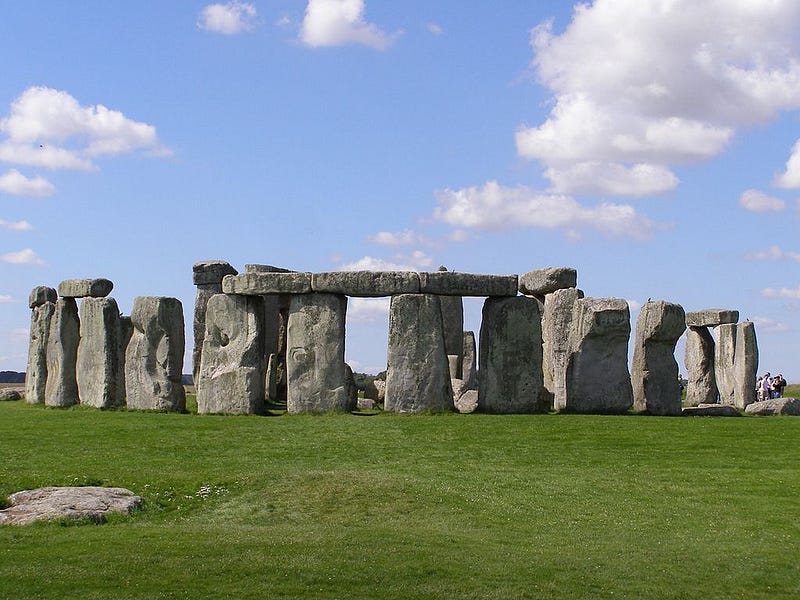
To a city once thought to be a myth partly due to its age, the oldest brewery in the world was as old as Stonehenge is to us today. The Natufians were a Palaeolithic people that existed before the agricultural revolution and thus lived a seminomadic lifestyle in the Eastern Mediterranean.
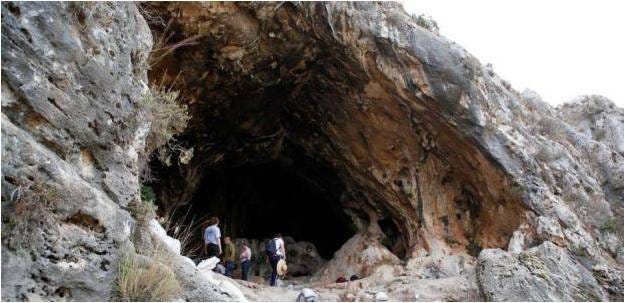
They are challenging our understanding of our earliest history, thanks in part to a surprising discovery in Raqefet Cave in what is today Israel and Palestine. The Natufian used a process very similar to today, add a starch to water and let it germinate, then heat the resulting mash and finally add wild yeast and ferment. While they used wheat and barley, they also added flax and legumes, resulting in more of a thin porridge-like texture, with little alcohol, as opposed to the thin, amber beer we expect today. Still, this proto-beer has been replicated by the archaeologists and scientists that discovered it, using almost identical tools as those found in Raqefet Cave.
The implications of this go much farther than beer.
Cults and Rituals
The existence of beer, or alcoholic beverages in general really, was often put down to the surplus of humanity. Once we settled down to live as farmers as opposed to hunters and gathers, we began to experiment with ways to preserve food. One of the ways we preserved wheat, came to be what we understand as beer.
This discovery turns all of that on its head. Some anthropologists have been suggesting since the 1950s that alcohol, specifically beer, was the reason for, not the result of, humans settling down to an agricultural way of life. From the agricultural revolution, we get civilisation. It’s not only one site that supports this either, teosinte, an ancient predecessor of maize in Mexico was far more suited to making beer than corn.
Today it seems odd to us to question why we drink alcohol because it’s so ingrained in our cultures, but biologically it makes little sense to drink. It may have had some physical benefits to early humans, but it simply doesn’t make sense to be drunkenly stumbling through a world of things that could easily kill you. That was as true then as it is today, so drinking must have served a similar purpose as it does to today — a social one.
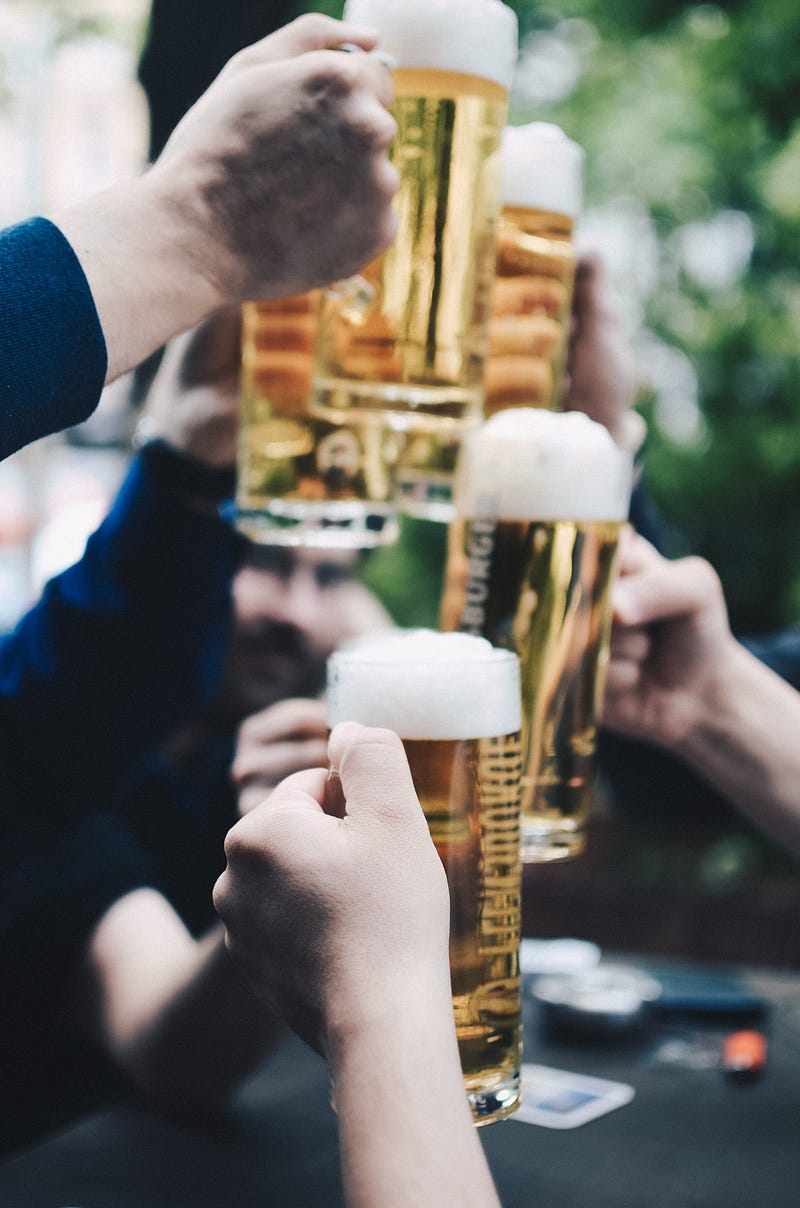
Communities, families and friends come together over a drink and many modern religious rituals still involve alcohol. The beer of the ancient Natufians was much weaker than ours today, but the bonding surrounding the consuming of brewing of beer may be the thing that finally brought groups of disparate humans together.
Beer may have been with us longer than almost any other drink and while it may no longer be the world’s favourite drink, it remains in 5th place after water, tea, coffee and wine. It’s also probably a significant contributing factor to the agricultural revolution and helped to ignite the spark of modern civilisation. Not bad for a drink first brewed 13,000 years ago in cave. I think this anonymous quote often falsely attributed to Benjamin Franklin sums it up best: “Beer is proof God loves us and wants us to be happy”. I’ll certainly toast to that.