
The World’s Most Fascinating Places
Definitely a must see
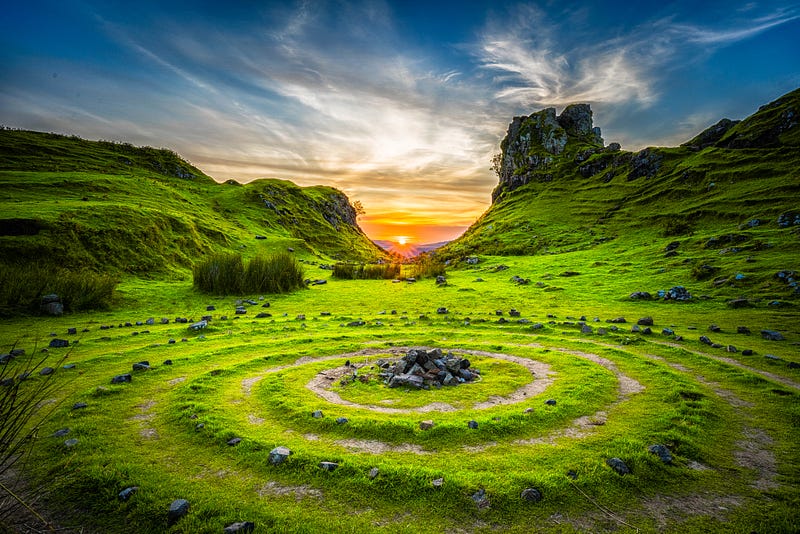
Huge glaciers, astonishing mountains, plains full of wild animals and fascinating natural formations. These are proof that we live on a planet that must be visited.
Arizona — Antelope Canyon
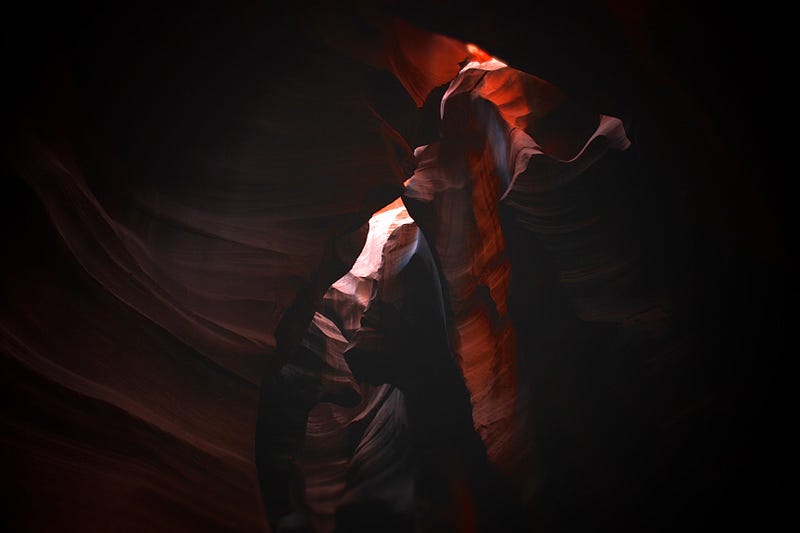
It is a slot canyon in the southwestern United States. The name Navajo means “where water flows through rocks”. This is a reference to the formation of the canyon through erosion. Narrow, undulating spaces between rock formations create vibrant patterns when sunlight filters through the striped stone. Seeing this unique beauty should be added to the to-do list.
Chile — Atacama Desert
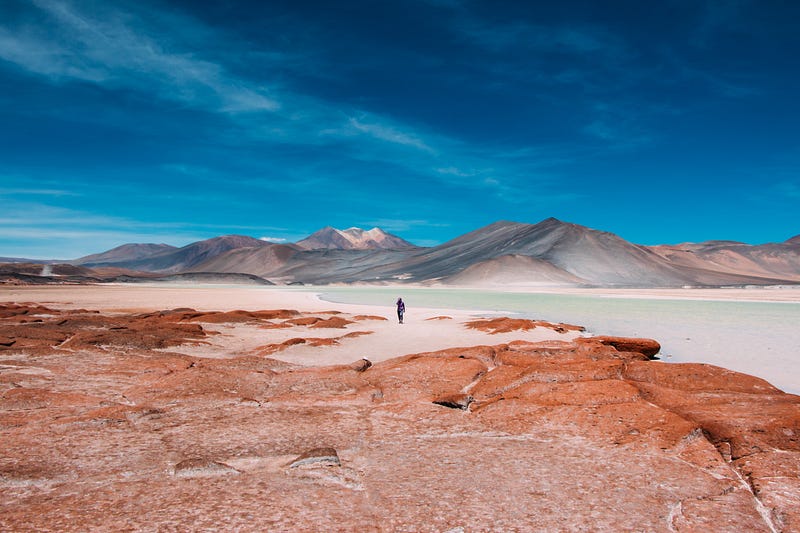
The salt fields, sands, and lavas of the Atacama desert cover an area of almost more than 60,000 square kilometers. The Atacama desert is such an uninhabitable place that NASA conducts its experiments here because it resembles the surface of Mars. It is used by astronomy because of the cloudlessness of the sky, its dry air, and its height. The saltwater springs, sand dunes, and canyons in the region offer a magnificent visual feast for photography.
Japan — Arashiyama Bamboo Grove
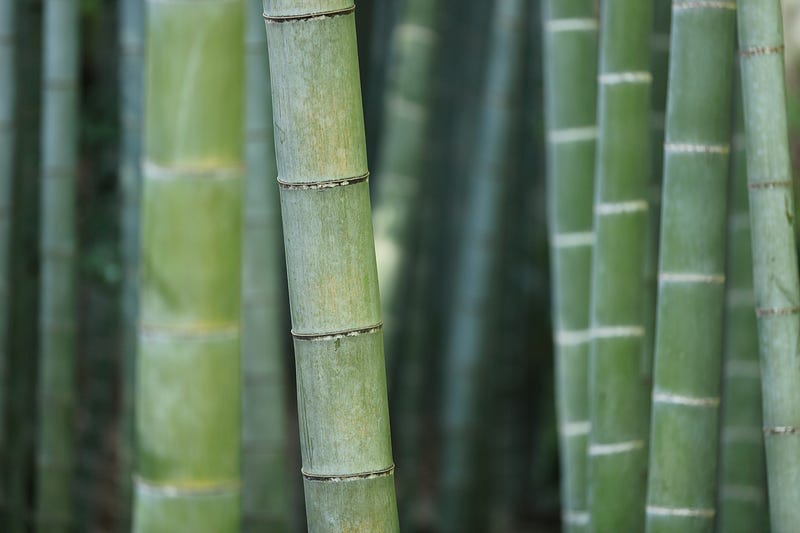
Everyone should experience the ethereal glow and seemingly endless heights of this bamboo place on the outskirts of Kyoto. But the experience here is much more than what the eye sees. Because the creaking and rustling of the wood in this magnificent place goes from the ear to the soul of the person. That’s why Arashiyama Bamboo Grove is among the most beautiful places in the world.
Portugal — Azores
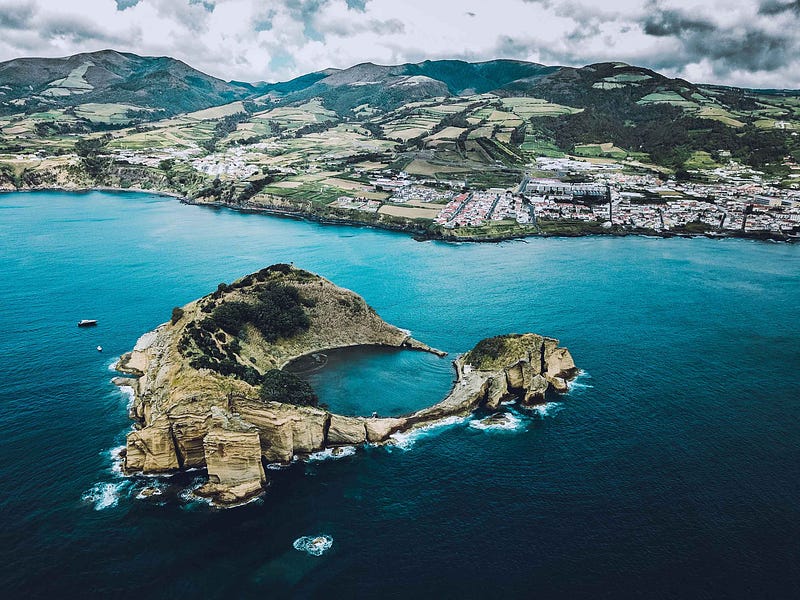
It is located about 1450 km from the coast of Lisbon. Fascinating crater lakes stretch between volcanic mountains on one side, an endless ocean where you can swim with dolphins on one side, and endless forests stretching behind lush hillsides and home to a thousand and one kinds of plants on the other… The Azores are home to Portugal’s distinctive red-tile roofed houses from time to time. divided, but even this view is so compatible with nature that one is fascinated only by looking at these unique landscapes.
Canada — Banff National Park
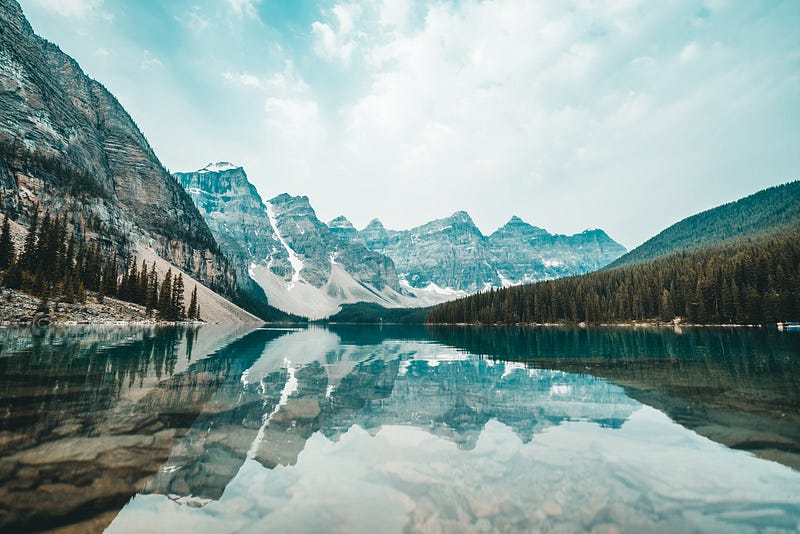
Banff National Park is one of the most beautiful places in Canada, with views of the Canadian Rockies and regular wildlife habitat. The park is also known for its lakes, which are all beautiful, including Lake Louise, Lake Moraine, and the glacial Lake Minnewanka. That’s why Banff National Park ranks among the most beautiful places in the world.
Arizona — Grand Canyon
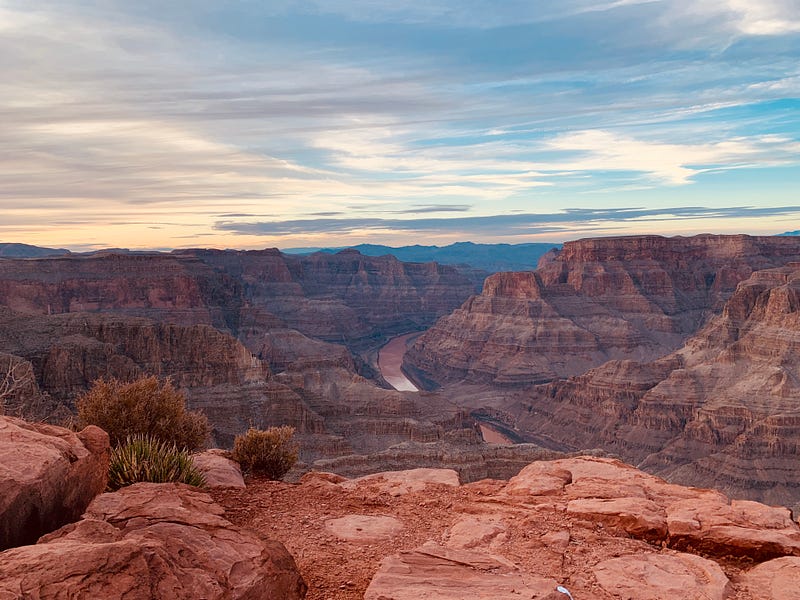
Referred to as one of the Seven Natural Wonders of the World, Grand Canyon National Park is on most travelers’ travel lists. The canyon was formed when the Colorado River bisected the channel over millions of years. It is 466 kilometers long and 400 meters to 2.4 kilometers wide. It reaches a depth of 1600 meters. In addition, these interruptions include the Earth’s 2 billion-year history.
Australia — Great Barrier Reef
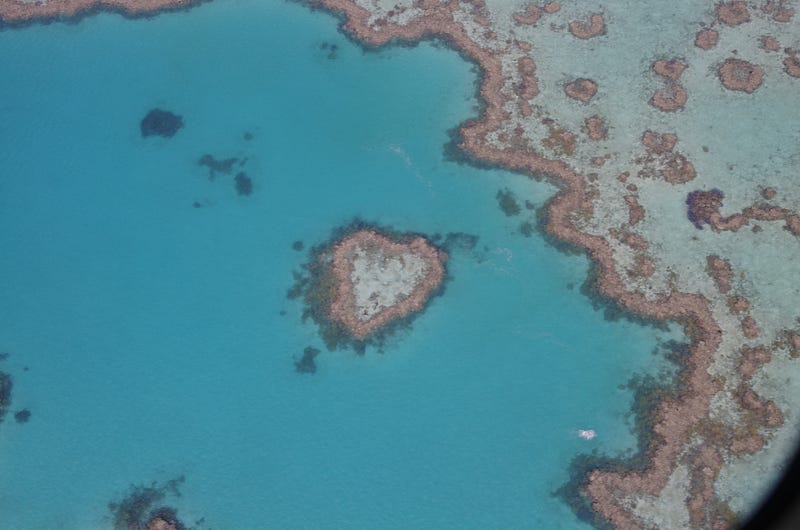
It is the largest coral reef in the world with an area of approximately 344,400 km², a length of 2,300 km², and more than 2,900 individual reefs comprising 900 islands. The reef is located in the Coral Sea off the Queensland coast of Australia. The Great Barrier Reef is also the world’s largest single structure visible from the water surface and made by living organisms. The reef, which has a wide variety of habitats, was included in the UNESCO “World Heritage List” in 1981 and was declared one of the “Seven Natural Wonders of the World” by CNN.
Russia — Lake Baikal
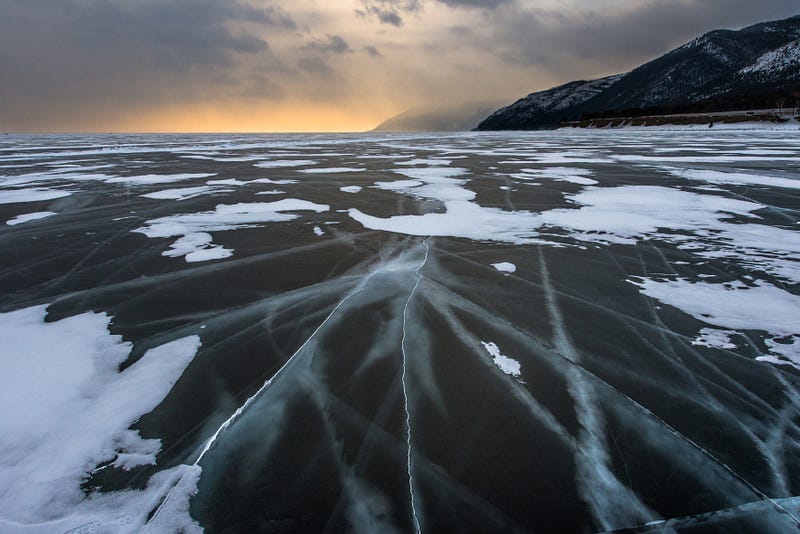
Located in the south of Russia’s Siberia region, this lake fascinates everyone. He is even called the “Blue Eye of Siberia” because of his appearance. In addition, the lake is included in the World Heritage list prepared by UNESCO. Lake Baikal, the oldest and deepest lake in the world, is also home to the only freshwater seals of our planet. Also, in winter, the lake turns into the world’s largest ice skating rink. For those who are wondering, let’s say; The deepest point of Lake Baikal is 1642 meters.
Brazil — Lençóis Maranhenses
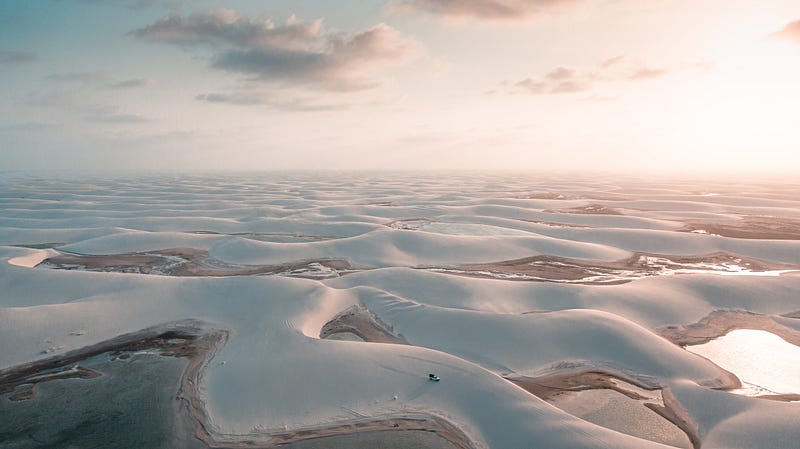
At first glance, it is possible to say that it is a unique type of desert. After all, the region is made up of sand dunes that fill 580 square miles with copious rain and zero vegetation. Still, it is one of the most fascinating national parks in the world. The region is located close to the Amazon Basin, which receives a lot of rain at the beginning of each year. Fresh water accumulates in the valleys between the dunes every rainy season. Due to a thick layer of impermeable rock beneath the sands, the small ponds continue to grow in size and fill up completely between July and September.
Thank you for taking the time to read my article…


