
The World’s Dangerous Island is Still inhabited by the Earliest and Uncivilised Humans
They won’t let you return back
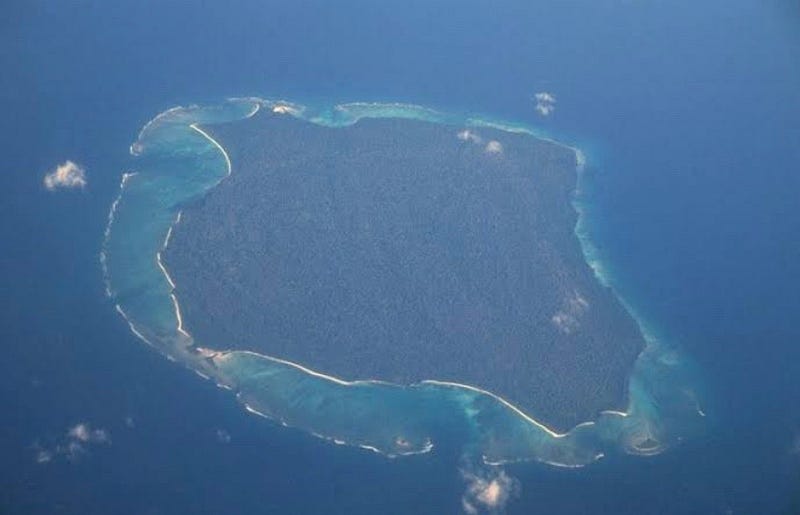
Ever wondered about a place where you go and never come back? Yes, there’s a place. Not a fiction, not a movie. It’s the North Sentinal island in India.
Where exactly is the island located?
The 59 sq. km island is located 1736 km from the Indian peninsula, and 50 km from the nearest Andaman island. This means the uncivilised island is located very near to civilisation.
The island comes under Indian governance.
Who live there?
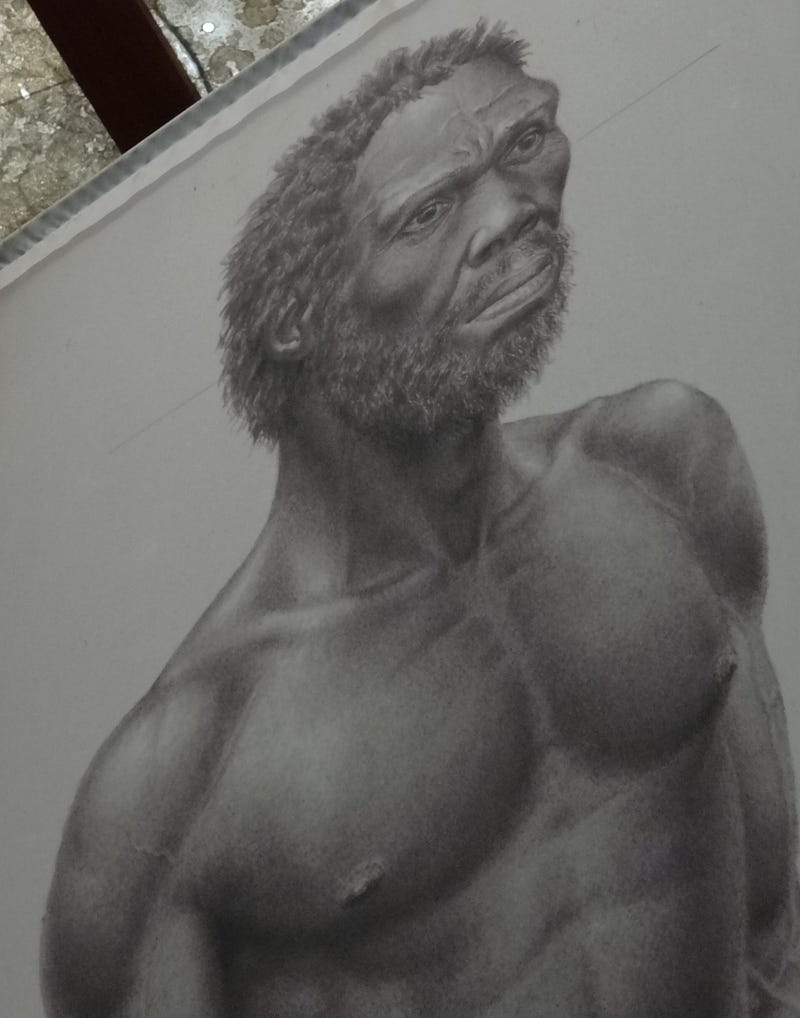
A group of about 40–150 wild tribes live there. They are the direct descendants of the first humans without much genetic modification. About 60,000 years ago, these people travelled all the way from Africa to India and settled in these islands. Studies report they are dark in colour, short due to ‘island dwarfism’, short-tempered, very muscular and agile.
Island dwarfism:
When resources in an area (like an island) are limited, species evolve to decrease in size, to reduce their total energy needs.
Why is the island so dangerous?
In 1296, Marco Polo wrote about the Sentinelese in his diary. He referred them as cannibals and “A most brutish and savage race, having heads, eyes, and teeth like those of dog.”
Trespassing the island is very risky because the Sentinelese have no knowledge about the outer world, and perceive every other new moving creature as an alien.
For their protection, they brutally kill invaders with arrows, stones, and coconuts. There’s no way we could express our harmlessness to them, as we don’t know their language.
60,000 years ago! Means they migrated:
- 54,500 years before wheel was invented.
- 57,645 years before Alexander was born.
- 58,000 years before Jesus Christ was born.
- 59914 years before the World war-1.
- 60,000 years before Covid-19 came!
So, these people barely know 0.00001% of the knowledge we know.
Why do we know very little about them?
It was only two times we stepped in their place and returned back alive, getting not much information from them, except a little documentary. In many of the cases, people were killed and the governments didn’t even dare to bring back their bodies.
Q. Why didn’t we picture them with satellites? A. It isn’t that easy because the island is so densely covered with trees that satellites can’t capture the photos accurately.
Why didn’t we civilise them?
We tried. We’ve been trying for the last 200 years. But it ended up badly for both sides.
To study their behaviour and mindset, in 1880, officer Maurice Vidal Portman landed on the island with a large group of armed Navy officers. Two elderly people and four children were kidnapped and were forcibly brought to the mainland. Soon, they became severely ill and the two elderly people died. The four sick children were immediately put back in their place alive.
So, if you go there and try to civilise them, you’re dead. If you bring them here, they’re dead. They have very little or no immunity to modern diseases as they aren’t used to the pollution, viruses and sounds here. A little flu could kill their entire population. Covid-19 could kill all of them in one or two days, or probably in a few hours.
There are no evidences as of now that they know agriculture. They live on already growing fruits and vegetables, and sea animals that jaunt to the island.
Indian government bans visits to Sentinel island in 1996:
Due to the many mishappenings over the years, the Indian government banned human visits to the island from 1996. The order prohibits travel to the island, via any means, closer than five nautical miles (9.26 km).

The area is patrolled 24x7 by the Indian Navy coast guard ships, without the Sentinelese notice.
Mystery – How did they survive a tsunami that killed 2,30,000 Indians?
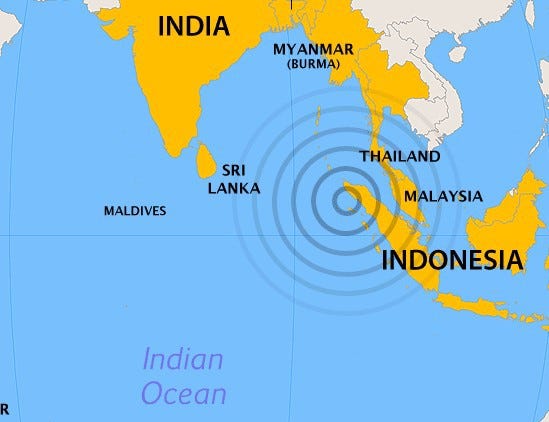
A massive earthquake and tsunami hit India in 2004 that killed nearly 2,30,000 people. The Indian government sent military helicopters to check if the Sentinelese are all well.
Miraculously, they’re very healthy and active. With the sight of the metal bird, the tribes started throwing stones and shooting arrows swiftly towards it. There was no change in their body language and strength.
It still remains a mystery about how they managed to survive one of the deadliest disasters in the modern history. That too without any equipment and prior knowledge.
The mysterious place and its people make it the Area-51 of India
Some incidents when they met civilised people:
1. 1974 – A documentary shooting crew were attacked:
In 1974, a National Geographic documentary crew journeyed to the Andaman tribal islands. They made a great documentary from many friendly islands. At last, they made an attempt to visit the Sentinel island.
No sooner than the Sentinalese saw their approaching boat, they started shooting arrows and stones towards them. An arrow pierced deep into the director’s thigh, and the crew turned their boat back without going any further.
The documentary — ‘Man in search of man’
2. 1981 – A ship wrecked near the island:
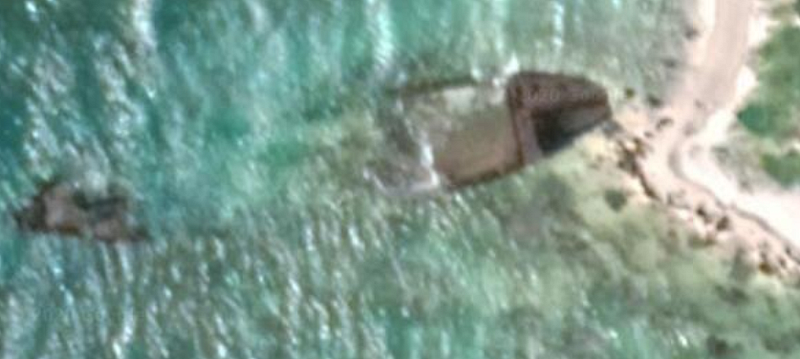
In 1981, a ship lost its way and wrecked near the island. The crew of 28 people in the ship noticed naked tribals jumping around the ship, and trying to break it into parts.
The initial attempts of communication with the ship base weren’t successful but after two weeks of fear and horror, a helicopter was sent to rescue them. The tribes were found to use the metal parts of the ship productively.
The wrecked ship can still be seen on Google Maps.
3. 1967 and 1991 — The only two people the Sentinelese made friends:
The famous anthropologists Triloknadh Pandit (in 1967) and Madhumala Chattopadhyay (in 1991) are the only two people, with their crew, who visited the North Sentinel island in different trips and returned back safely. They offered them large gifts of pots and pans, coconuts, knives, and hammers.
They Sentinelese didn’t pose any threat to them. Instead, they were very eager to receive the gifts. The tribes neither did give any return gifts nor did they invite them to inland.
4. 2006 — Two fishermen were killed:
In 2006 (two years after the tsunami), two fishermen made a standby in the middle of the sea for a night. Due to the water currents, their boat slowly moved towards the Sentinel island. The next morning, they found themselves surrounded by tribes, who brutally attacked and killed them. The bodies weren’t recovered.
5. 2018 — An illegal visit that killed an American missionary:
Ever since his childhood, John Allen Chau wanted to become a missionary. Reading about the Sentinelese tribe in his school library, he thought, “They were in no contact with the outside world for 60,000 years? Then they must not be knowing about Jesus Christ. Let me preach them the Bible.”
In his 26th year, Chau bribed two Indian fishermen to take him near the forbidden island secretly. He reached the island and tried to indicate he’s the same harmless creature. Despite his efforts, he was murdered by the tribes and was buried by them. Before his death, he handed over a 13-page journal to the fishermen, where he wrote what he observed and experienced in the island.
On a final note:
The Sentinelese have been living for thousands of years without any harm or reliance on the external world. They don’t even know what exists beyond the waters of the ocean.
Unlike us, they have peace of mind, self-dependence, and they’re very content with their little land and people. Why should we try to change their comfortable lifestyle? It’s very preferable we leave them alone and content forever.
More related stories from me:


.jpg)
