The World War II Rescue Mission That Saved 10,000 Jewish Children From The Nazis
The unlikely heroes and the extraordinary rescue mission during the darkest days of WWII
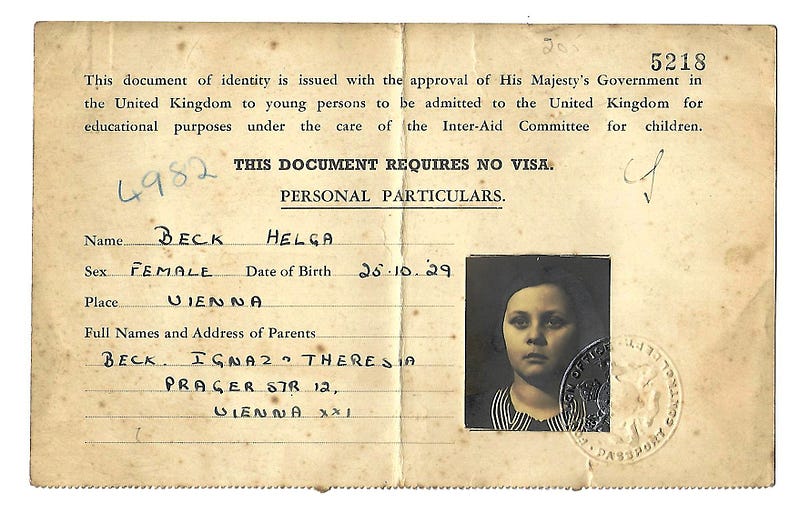
World War II was a scary time, and one of the darkest parts of it was the Holocaust — where millions of Jewish people lost their lives. This terrible event sometimes hides other stories.
However, it’s important to remember that there were moments of hope too. One such moment was a mission called Operation Kindertransport: a plan that helped save the lives of 10,000 Jewish children.
In the chilly winter of 1938 — trains left Germany, Austria, Czechoslovakia, and Poland. These trains weren’t full of soldiers or war supplies. Instead, they carried something more important — Jewish children.
These children left behind everything they knew: their families, homes, and friends. They were traveling to the United Kingdom, wondering what would happen next. Even though they were scared, these kids were brave and strong.
The Gathering Storm
At the end of the 1930’s life for Jewish people in Nazi-controlled areas was becoming very difficult. The Nazis hated the Jews and started to make laws against them.
These laws made life hard for the Jews as they couldn’t go to certain places, do specific jobs or even live in certain areas. It was a terrifying time, and people feared, not knowing what would happen next.
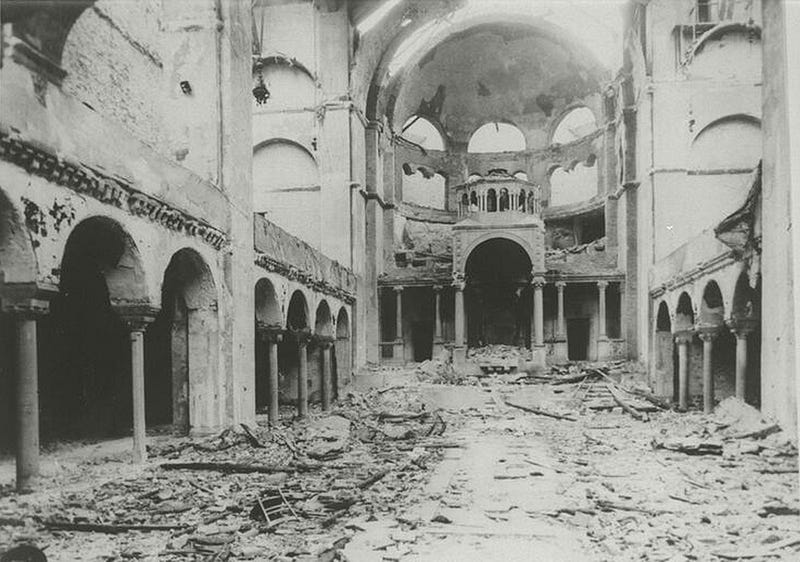
The most terrifying time was probably the night of November 9, 1938, known as Kristallnacht or the Night of Broken Glass. On this night, the Nazis attacked Jewish people — their homes, shops, and synagogues. The glass from broken windows covered the streets like a terrible carpet, which is how the night got its name. The violence and destruction were shocking. It was clear that Jewish people were not safe in these areas.
This awful situation made a group of people in Britain decide to do something to help. They were a mix of Jewish leaders and Quakers, which were a type of Christians who believed very strongly in peace. They planned to bring Jewish children to safety in the United Kingdom, and they knew they couldn’t save everyone, but they hoped they could save some children.
This plan became known as Operation Kindertransport. It was a big task that needed lots of planning and organizing. The people who were working on it had to work hard and fast, and they wanted to get the children out as quickly as possible before the Nazis could do any more harm. This was the beginning of an incredible rescue mission.
The Kindertransport — Operation of Hope
Operation Kindertransport came into action, and they knew that time was of the essence and that they had a monumental task ahead of them. They needed to arrange for thousands of children to travel safely across several countries, a feat that required courage, determination, and efficient planning.
The team reached out to communities and asked the families to send their children away to safety. This was a heartbreaking decision for parents, yet many agreed, knowing it was their children’s best chance to survive. The Kindertransport did not include parents or other adults, so families faced painful goodbyes, not knowing when or if they would ever see each other again.
Moreover, the operation team coordinated with railway companies, governments, and many others to organize the transport. They arranged for trains to carry the children from Germany, Austria, Czechoslovakia, and Poland to the coast, where they would board ferries to the United Kingdom. It was a complicated plan, but the team did everything they could to make sure it was successful.
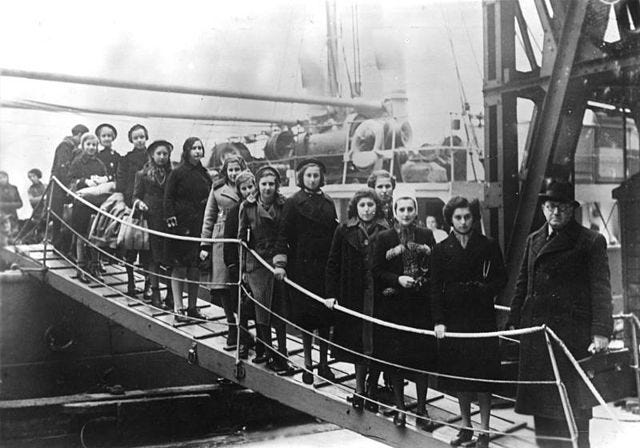
The first Kindertransport started on December 1, 1938. It took around 200 children from a Jewish orphanage in Berlin that had been wrecked during Kristallnacht. Over the next nine months — nearly 10,000 children would make the same journey — each one a symbol of hope and bravery in the face of unimaginable adversity. The Kindertransport was indeed an operation of hope as it offered a lifeline to children when they needed it the most.
Journey to the Unknown
The journey that lay ahead of the Kindertransport children was a long and challenging one. After saying tearful goodbyes to their families, these brave young souls boarded the trains that would take them far from the only homes, they had known. Although they were leaving behind the danger, they were also stepping into an unknown world: a world without their parents.
They were traveling by train, and it was an experience filled with a mix of fear and excitement. On the one hand, the children were scared about what the future might hold, whereas, on the other hand, some children felt a sense of adventure — riding on a train — seeing new places and meeting new people. The journeys were long and sometimes uncomfortable, but the children held onto the hope of a safer future.
Once the trains reached the coast, the children switched to boats. For many children, this was the first time they had seen the sea or traveled on it. The boat ride was rough, and some children became seasick. However, throughout the journey, the children remained resilient and did not lose sight of the hope that this journey brought.
When the boats finally docked in the United Kingdom, the children knew they had reached their destination. As they stepped onto the land — they were filled with a mixture of relief — curiosity, and anxiety. They didn’t know what their new homes would be like or who their new families would be, but they were safe, which was the most important thing. This marked the end of their journey, but it was just the beginning of their new lives in an unknown land.
Life in the United Kingdom
After the long journey, the Kindertransport children were welcomed into the United Kingdom. However, arriving in this new country continued their challenges. It was a whole new world for them, with a different language and culture. Everything was unfamiliar, from the food to the way people dressed.
The children were placed in various types of homes. Some stayed with British families who volunteered to take care of them or adopt them. At the same time, others lived in group homes with other Kindertransport children.
Regardless of where they were placed — the children had to adapt to new ways of living. For instance, they had to learn English, attend new schools, and make new friends.
Despite these challenges, many of the children found a sense of belonging in their new homes. The British people who took them in treated them with kindness and helped the children learn English — enrolled them in school and included them in their daily lives. This kindness helped the children feel welcomed and loved, even as they missed their families.
The children were far from the dangers they left behind; however, their hearts often ached for their parents and the life they once knew. There were some children who received letters from their families, but many did not, as the situation back home worsened. These children suffered a lot of challenges, but they were still patient and hopeful. They embraced their new lives in the UK and carried the hope of their families and their people in their hearts. They were determined to make the most of this was their new haven, their new home.
The Bittersweet Reunion and Life Thereafter
When World War II finally ended in 1945, the Kindertransport children were now primarily teenagers or young adults and hoped to reunite with their families. They spent years in the UK, growing up far away from their parents and homelands. Now, they were eager to return home and hug their families again.
However, many children had no homes or families to return too. The war had taken a horrific toll, and millions of Jews, which included many of the children’s families had perished in the Holocaust. Some children found out that their parents, brothers, sisters, and friends were gone. This tragic news overshadowed the joy of the war ending. It was a painful time.
Even in the face of such sorrow, these young people showed incredible strength. Many of them had no family to return to, and the places they once called home were drastically changed. So, they decided to stay in the UK, the place that had sheltered them during the war. They continued their education, started careers, and began to build new lives for themselves.
Over time, these Kindertransport survivors became British citizens. They contributed to society in many ways, becoming teachers — doctors — artists, and more. They started families of their own, ensuring the survival of generations to come. Although they had faced significant losses, they never stopped moving forward. They carried their past with them but embraced their future, proving that hope could be found even after the most terrible events.
Lastly, the Kindertransport operation left a lasting mark on history. It showed the world that even in the darkest times, people can come together to help others. Today, the Kindertransport is remembered as a symbol of hope and kindness. The children who were saved grew up to lead meaningful lives, carrying on the memory of those who were lost. Their stories remind us of the importance of standing up against hatred and working to protect those in danger.


