
The World Cup Is the Best Way to Gauge How Old You’re Getting
Every four years, it’s a new memory.
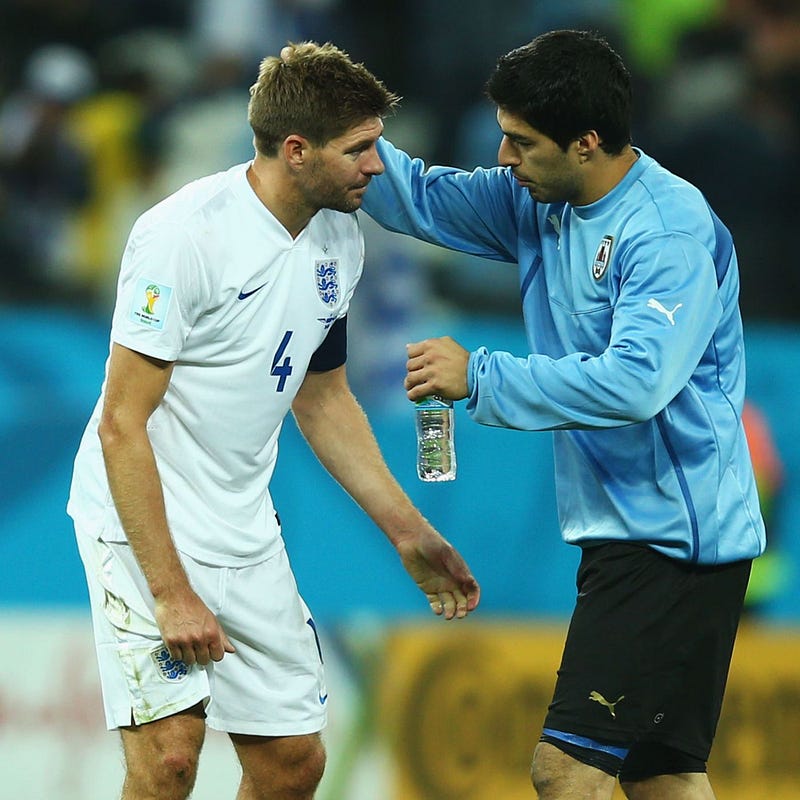
One of my most vivid sports memories involves Uruguay’s 2–1 win over England in the 2014 World Cup. This is widely considered one of the most crushing losses in England World Cup history, but that’s not why I remember it. I remember it because it happened on June 19, 2014, and I was watching it the literal second my younger son Wynn was born. We induced my wife’s labor, so the doctor came in the room right as Luis Suarez scored his second goal to secure the loss for the Three Lions. I will never forget seeing that goal roughly 75 seconds before I saw my son for the first time.
Wasn’t he cute?
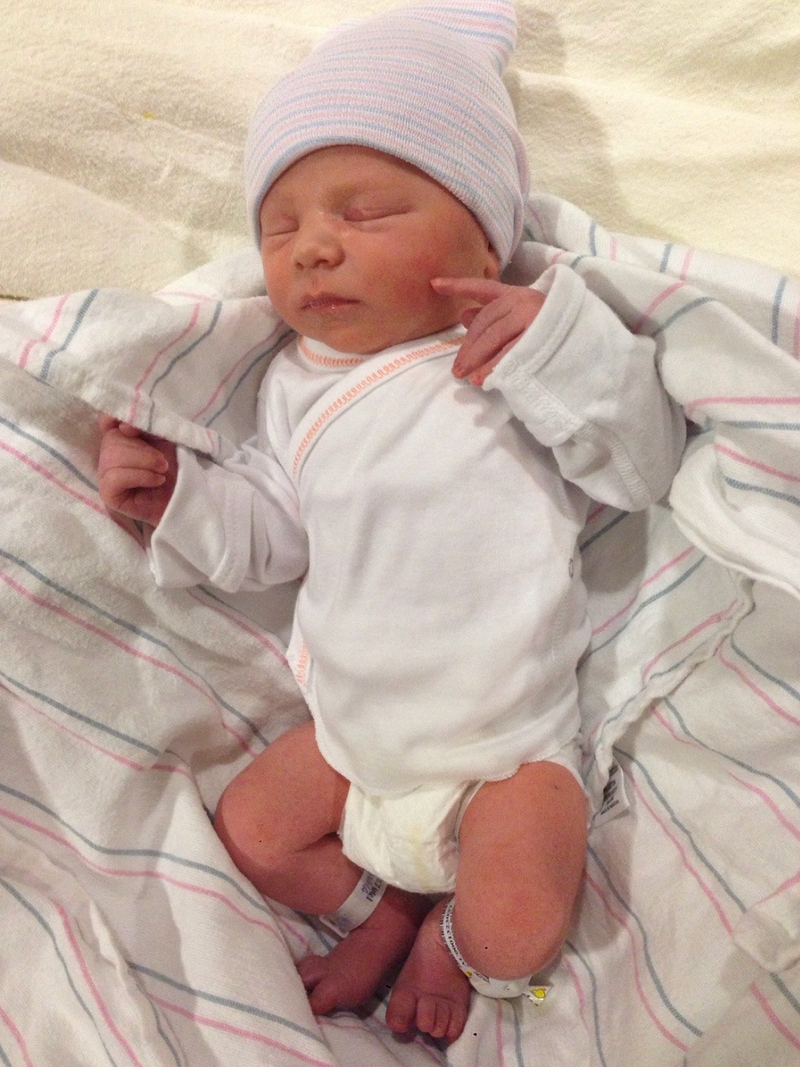
That was eight years ago — eight-and-a-half, actually, because the World Cup is in Qatar this year, which is too hot to play soccer games in June. (Mercifully, for myriad reasons, this will be the last time they play the World Cup in the winter.) Wynn is a lot older now. Eight-and-a-half years, in fact.
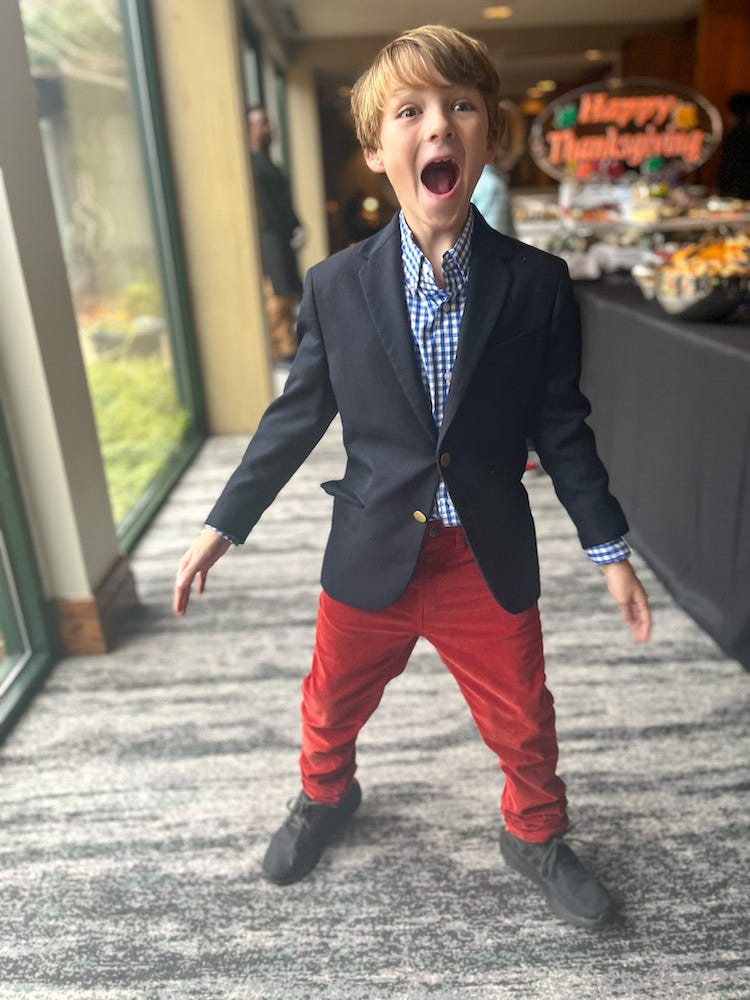
See? Bigger now! I mention all this not to just show off pictures of my (very cute) son, but to note how, of all sporting events, the World Cup, both men’s and women’s, is a perpetual marker in our lives, a massive, global event that locks in memories as the years go by. It shows up just in time to let you know where you’ve been, and how old you’ve gotten.
My first World Cup memory was 1994, when I was 18 years old, back from my first summer at college. (I wrote about this for The New York Times this morning.) This was for me, like many Americans, my first real exposure to soccer on this global scale, and I was forever hooked.
The summer of 1998, I’d just moved from Los Angeles to St. Louis, where I worked nights logging box scores on their AOL-specific webpage. (1998 was a long time ago.) I was in a new town and had no friends yet: I just sat alone in my apartment, watching a sport I didn’t entirely understand and feeling incredibly lonely. I also remember the United States getting absolutely smoked in all three of their games.
I’d moved to New York City by 2002, when the World Cup was in Japan and South Korea. This meant that the games began at 3:30 in the morning, and because I was 26 years old during the 2002 World Cup, there were multiple evenings when I was leaving a bar just as a bunch of rowdy soccer fans of teams all across the globe were arriving. It is fair to say, 20 years later, this is no longer happening.
I was running Deadspin, the late sports website I founded, by 2006, which meant my life had changed dramatically. I decided to plunge into the World Cup full bore, working with my friend David Hirshey to produce some of the most fun soccer coverage imaginable. I watched just about every game of this tournament and will never forget the tournament’s seminal moment:
I was engaged during the 2006 World Cup; by the 2010 World Cup, I was just returning from my wedding to somebody else. (Long story.) The England-USA match happened the first day back from our honeymoon, when all our friends got together with us and shared stories from their trip to Georgia for our nuptials. We all hung out all afternoon and it was fine because none of us had children yet. This would be the last World Cup where that happened.
2014 featured our introduction to Wynn, though at that point, he already had a little brother, born 18 months after the 2010 World Cup.
In 2018, the United States didn’t make the World Cup, but I still watched it with both of my sons, who learned about all sorts of countries they’d never heard of before.
And they had even more fun in 2015 at the Women’s World Cup.
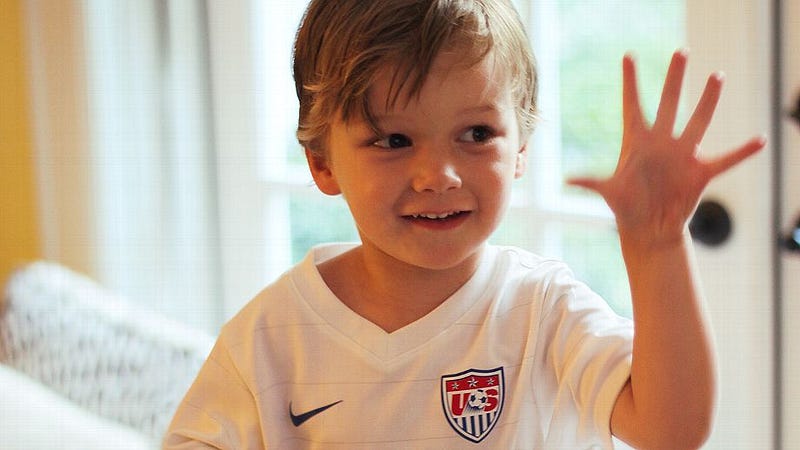
And that’s the thing about the World Cup: It just keeps happening, every four years, marking your past and your present and your future, a snapshot of how much things have changed and how much they haven’t.
The next World Cup is in North America,. My sons will be 14 and 12. I will be 50. We might even be able to go to a match together. The world keeps spinning. The World Cup keeps happening. Where will I be then? I only know that I will remember, specifically, where I am now.
Will Leitch writes multiple pieces a week for Medium. Make sure to follow him right here. He lives in Athens, Georgia, with his family and is the author of five books, including the Edgar-nominated novel How Lucky, now out from Harper Books. He also writes a free weekly newsletter that you might enjoy.


