
The Word “Woman” Needs to be Redefined or Replaced
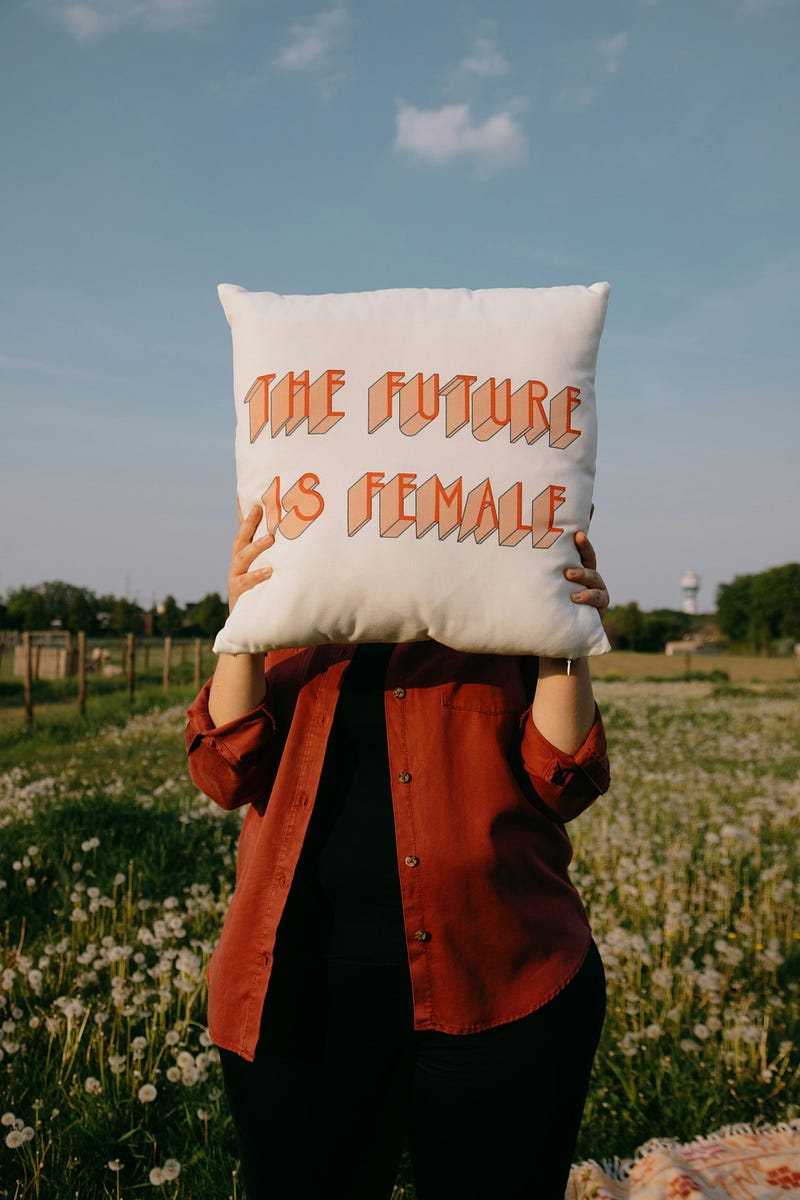
Let’s talk about something that’s been on my mind lately: the word “woman.” It’s a term that’s been used for centuries to describe those of us who identify as female, but lately, there’s been some discussion about whether it truly represents all of us, especially our transgender sisters.
As someone who believes in inclusivity and equality for all, I’ve been doing a lot of soul-searching about this issue. On one hand, I understand the importance of language and how it shapes our perceptions of the world. Using the word “woman” to describe all individuals who identify as female may inadvertently exclude transgender women, who are just as much a part of our community.
And, honestly, if the word itself was created by men, is it even ours to begin with?
But on the other hand, I also recognize the power of reclaiming words and reshaping their meaning to be more inclusive. Instead of abandoning the word “woman” altogether, perhaps we can redefine it to include all individuals who identify as female, regardless of their assigned sex at birth.
At the same time, I can’t help but wonder if it might be time to explore new terminology altogether. Words have the power to empower and uplift, but they can also be limiting and exclusionary. Maybe it’s time for us to come up with a new word that better reflects the diversity and complexity of our identities. A word created by and for women, not men who lived millennia before women were considered equals.
Think about it: “woman” is a word that’s been handed down to us from generations of patriarchal society. It’s a label that’s been slapped on us by the very same folks who have historically oppressed us and tried to dictate our identities.
I don’t know about you, but that doesn’t sit right with me. Why should we continue to use a term that was created by the oppressor to define the oppressed? It’s like wearing a badge of honor that was forged by our enemies. It just doesn’t make sense.
Personally, I’m torn. On one hand, I want to take back control of the narrative and rewrite the story of womanhood in a way that empowers all of us, including our transgender sisters. But on the other hand, I can’t help but feel like we’re playing into the hands of our oppressors by continuing to use a word that was never meant for us in the first place.
So, what’s the solution? Honestly, I’m not sure. But one thing’s for certain: we can’t keep pretending like the word “woman” is just some innocent label. It carries with it centuries of patriarchal baggage, and it’s about time we had a serious conversation about whether it’s worth holding onto.
Of course, I understand that change can be uncomfortable, and there may be some pushback from those who are resistant to redefining or replacing the word woman. But as feminists, we’ve never been afraid to challenge the status quo and fight for what we believe in. And if that means reexamining the language we use to describe ourselves and our community, then I believe it’s a discussion worth having.
So, what do you think, my fellow feminists? Is it time to redefine the word “woman” to be more inclusive of transgender women? Or should we explore new terminology altogether? Let’s continue this conversation and work together to create a more inclusive and equitable world for all individuals, regardless of their gender identity. Tell me your thoughts in the comments.