
The Wonders of Boredom
When you have nothing to do, you have everything to imagine
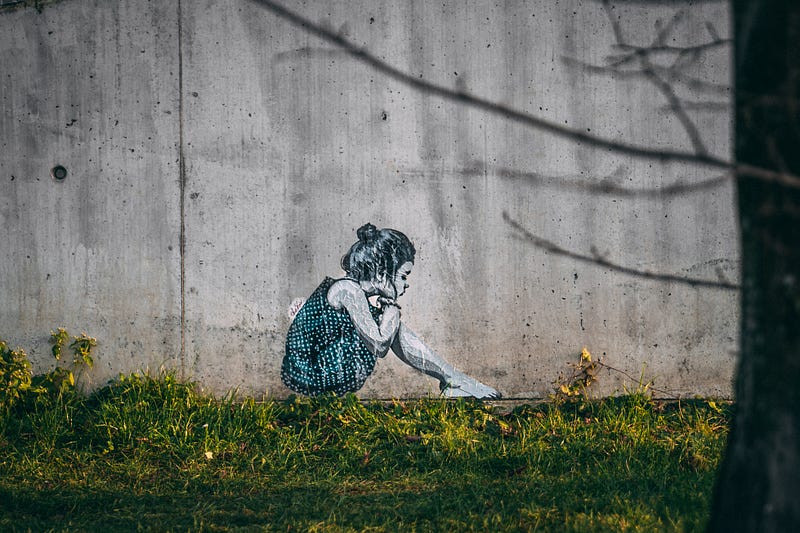
I came across a quote the other day that caught my attention.
“When you pay attention to boredom, it gets unbelievably interesting.” — Jon Kabat-Zinn
The words resonated, like a song that I sing without thinking. For me, boredom fuels my creativity like no other source, because I can create most easily from a clean slate.
When I was younger, I enjoyed many moments of dullness. Moments where no one was entertaining me or filling my schedule with activities or classes. Moments where boredom gave me two choices: come up with something to do, or to stay bored and be restless. Naturally, I chose the first option.
I was a privileged child. I had my own room, and more than my share of toys, books, notebooks, and colored pens for entertainment. From early on, I learned to enjoy my own company, and those moments of dullness that I had all to myself. I would write books, play out stories with my dolls or playmobiles, and draw what I saw in my mind. Hours would pass, and ideas would float around the room. I may have initially feared that boredom, until I realized it was nothing more than a thought. Dullness really did not exist at all.
There is a growing fear in today’s society that children cannot be left to their own devices — and here I mean to themselves, not literally to their devices, we know they can do that a little too well. The fear appears to be that children need to be constantly stimulated, that they need constant guidance, surveillance, and structure.
However well-intentioned the premise may be, it can yield poor results. Children yearn for structureless play, time to explore and learn, cultivating their minds. To give a child constant stimulation is to strip them of their natural imagination. It’s like trying to fertilize fertilizer. It doesn’t make much sense.
The negative outcomes of this kind of overdrive of activity are still unclear as this new generation develops, but the effects are already visible, and a cause for concern.
Loneliness and frustration come to mind.
I learned a tremendous amount about my inner world, and am very thankful for the dull moments in my childhood. Boredom allowed me to sit with myself long enough to allow ideas to surface into my consciousness — and boy was there a lot going on behind the scenes! It’s amazing how much of that deeper perspective we can’t access when we’re busy with computer screens, work and ‘life’.
But life isn’t just the material world that surrounds us. In fact, we create and shape much of that world. How did our ideas and creations get there? My guess: during those dull moments spent in boredom.
Pay attention to how interesting things get when you just indulge yourself in a little peace and quiet. Don’t pick up your phone. Don’t do anything. Just wait.
When those interesting thoughts start to emerge — get curious!
You’re reading about Creativity in our new Medium pub, Just Curious.
Thanks for stopping in — let us know what resonates! And props to our talented charter contributor, Maria Garcia. She hails from the Atlantic coast of Portugal, and we’re loving her posts, always full of heartfelt insights.


