
The Witch Trials of Midwives
How the ‘Curse of Eve’ warranted the execution of women healers
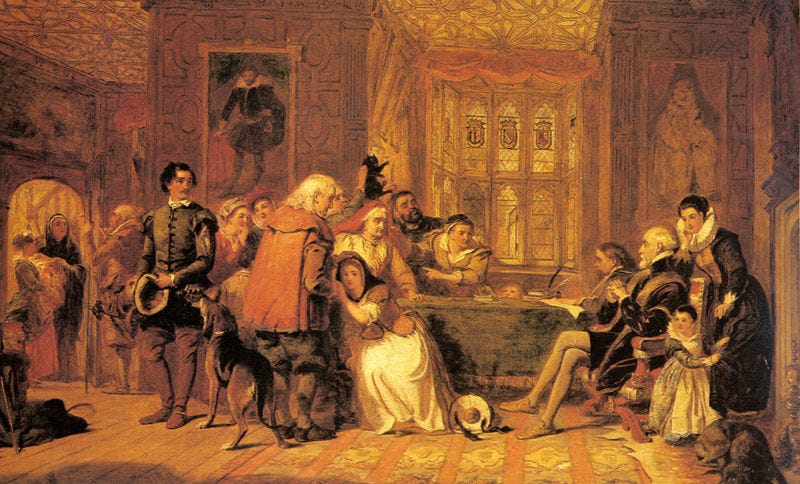

Witch-hunting became a popular pastime in Europe from the 14th to the 17th centuries. Torture, execution, and burning of tens of thousands of victims took place in Germany, Italy, and spreading across to France and England; three-quarters of them were women.
Among the most shocking revelations is ‘the persecution of midwives as witches’ that became widespread in the Middle Ages and has been heavily criticized by the 20th-century historians.
The European witch trials were well-ordered legal procedures conducted by the Vicar or judge of the county. The sadistic book ‘Malleus Maleficarum or Hammer of Witches’ written in 1484 by the Reverends Kramer and Sprenger became the blueprint for every judge to trace the witch-hunter, execute or burn them.
Midwives defied the ‘Curse of Eve’
Bible Verses about the Curse of Eve
Genesis 3:16 To the woman He said: “I will greatly multiply your sorrow and your conception; In pain you shall bring forth children; Your desire shall be for your husband, And he shall rule over you.”
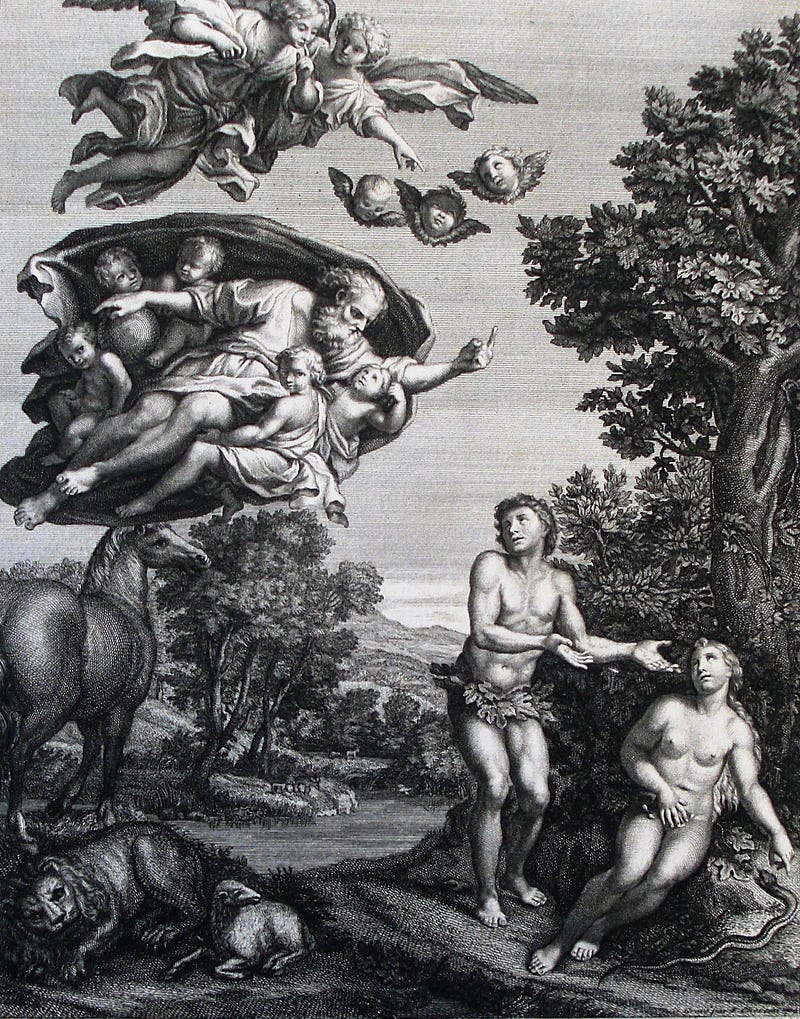

The Roman Catholic Church accused midwives of not adhering to the ‘Curse of Eve’ — The childbearing is a painful punishment and all women should withstand it.
According to the Church, the midwives externally alleviated labor pains from women by treating them with herbs and organic medicines and transferring that pain to their husbands which is clearly in violation of the divine injunction and intention both.
Midwives as healers
Midwives pioneered the development of analgesics, provided help in abortions, helped in cases of impotence, and were the first practitioners to practice euthanasia.
Their erudite knowledge about organic medicines, learning, and transferring knowledge in their community without holding any medical degree made them ‘goddesses’ for the miserable and lower-class people.
During the medieval period, they used Ergot derivatives to alleviate the pain in labor and helped women to heal quickly. Belladonna, which is still used today as an anti-spasmodic was consumed to control women’s uterine contractions and prevent miscarriages.
Paracelsus, one of the most famous physicians of the Middle Ages credited his medicinal cognizance and home remedies to the midwives.
The midwives were famous as ‘magical healers’ among the common people and the poor.
The execution of midwives as witches
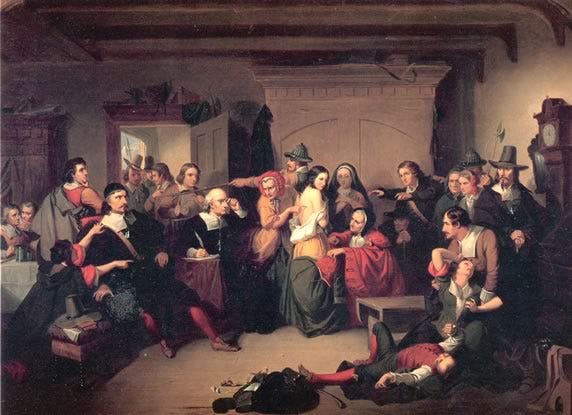

The evil title of witches was not limited to women accused of murder charges, sex crimes, or conspiracies. Midwives with healing and helping hands were indicted with the bizarre accusation of being witches.
The Roman Catholic Church translated the ‘magical healing’ of midwives to their ‘magical powers.’
The inquisitive attitude of midwives, their knowledge about herbs, and the ability to find various ways to alleviate pain during pregnancy and childbirth were deeply suppressed by the non-empirical Church.
The Church ruminated that the midwives posed a great threat to their faith.
“No one does more harm to the Catholic Church than midwives,” wrote witch-hunters Kramer and Sprenger.
The Church maintained it’s double standards at work; the healing of the upper class under the auspices of Church was acceptable but the healing of the poor and miserable under the midwives was not.
Conclusion
The midwives did not earn the respect they deserved for hundreds of years. Moreover, the witch trials and executions were responsible for the medical knowledge being lost and buried in history.
The Church’s faith and belief in the ‘Curse of Eve’ exacerbated the oppression of midwives in the Middle Ages.
They were stereotyped as pragmatic, empirical, and immoral and thus medicine became more institutionalized towards the male upper class.
History demonstrates that midwives and women healers have persisted through great adversity.