
The Wisdom Of Ages
Proverbs — part 1
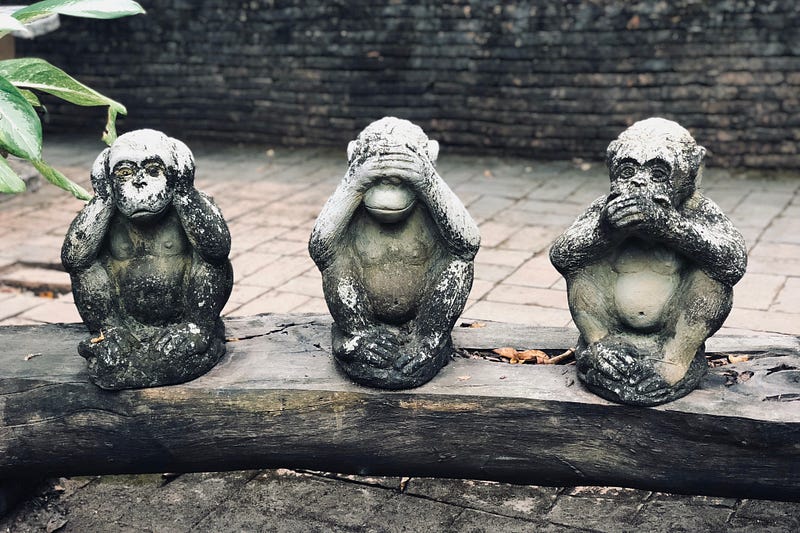
Proverbs have long fascinated me. I think it probably goes back to the hazy, lazy, distant years of my youth, when in the first year of secondary school, we were set English homework to try and collect as many of these ancient adages as possible, and after a trip to the local library, I turned in some homework, and for one day only, I was top of the class.
It was all downhill from there. A slippery slope to destitution and the miserable life of a writer (only kidding — just destitution).
I also find words and phrases fascinating, along with evolution, and always loved the Richard Dawkins concept of a meme, a word he invented, which is a unit of cultural evolution that competes in a meme pool in a similar way to biological genes in the gene pool.
If proverbs have survived for so long, it is because they not only contain ancient wisdom, but possibly also confer some survival advantage to the owner of the brain that retains and implements the meme and its message. These sayings have stood the test of time, and have been sieved, sorted and selected for usefulness and relevance, so those that survive have been honed and polished through the generations by trial and error, with less useful ones no doubt falling by the wayside, and the successful ones surviving.
Sometimes proverbs can be slightly contradictory, such as “many hand make light work”, and “too many cooks spoil the broth”. You feel like saying “make your mind up”! Which is it? But on balance, there is wisdom in these sayings, and many lessons for writers to be abstracted from them.
To tackle them all feels daunting, but as one of them says, “the longest journey begins with a single step” so I am going to start with those beginning with “A” and see how it goes!
So this article sets out to delve deeper, and consider the true meaning behind some of these ancient sayings, and in particular what lessons they may provide for an aspiring writer on the Medium platform or elsewhere (I am reliably informed there is life outside of the platform, but I am doing my own research, and waiting for proof of this before reaching any firm conclusion about this slightly odd suggestion).
So adjust your seat, strap in, and stand by for a guide to the proverbial.
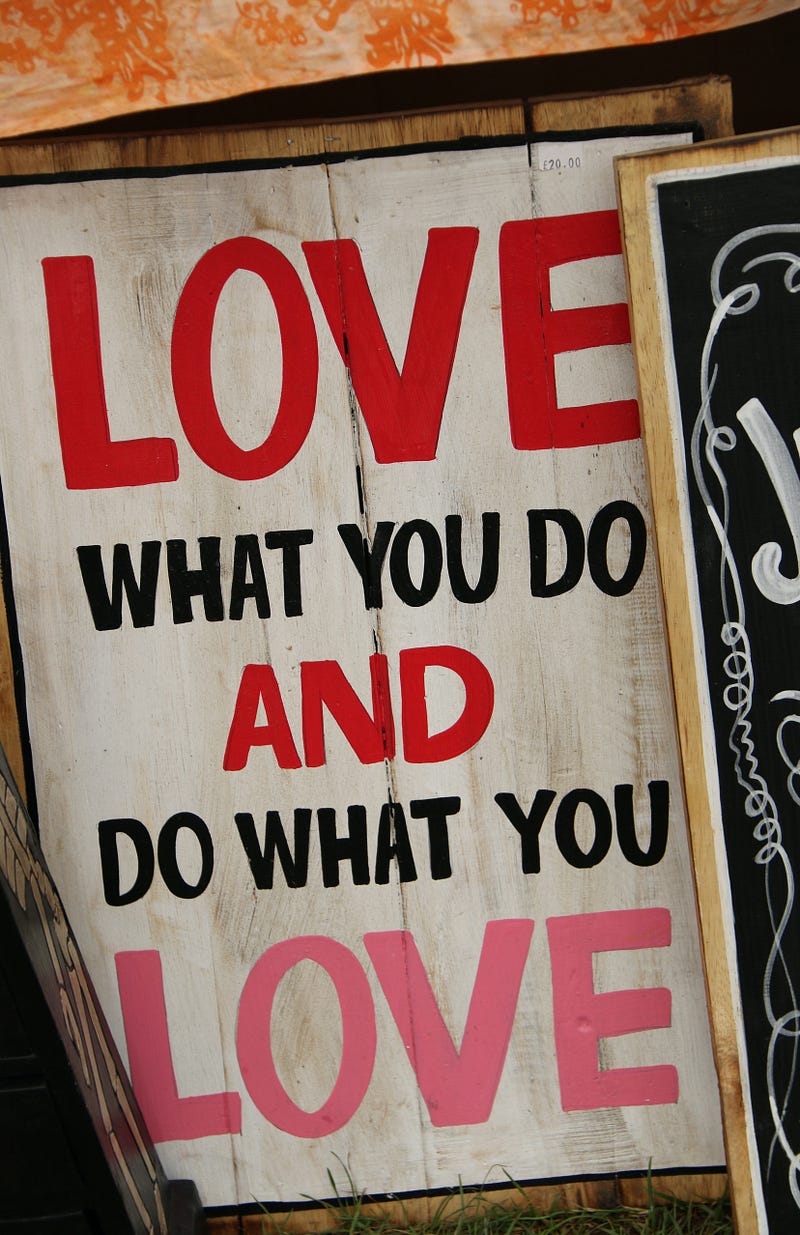
A bad excuse is better than none
The lesson from this saying is that, just as there is some evolutionary advantage from an eye that can distinguish light from dark, it is better to have some excuse say for handing in homework late, or a delay on a work project, than none at all.
For writers, the lesson may be that if you are running late on the deadline for an article or book, it may be better to have some reason for your publisher than just blaming watching too many clips on TikTok or excessive Netflix consumption. There are certainly days when I feel like the protagonist in the film “Limitless”, and need either some inspirational chemical input or a good excuse to get me through.

A bad penny always turns up
The lesson from this one is that it seems that a problem always catches up with us, an unsuitable friend, or a past indiscretion. Things have a habit of catching up with us.
For writers, the lesson may be that if we upset another writer or a publisher, it will catch up with us sooner or later: a bad habit or deed usually catches us out in the end.
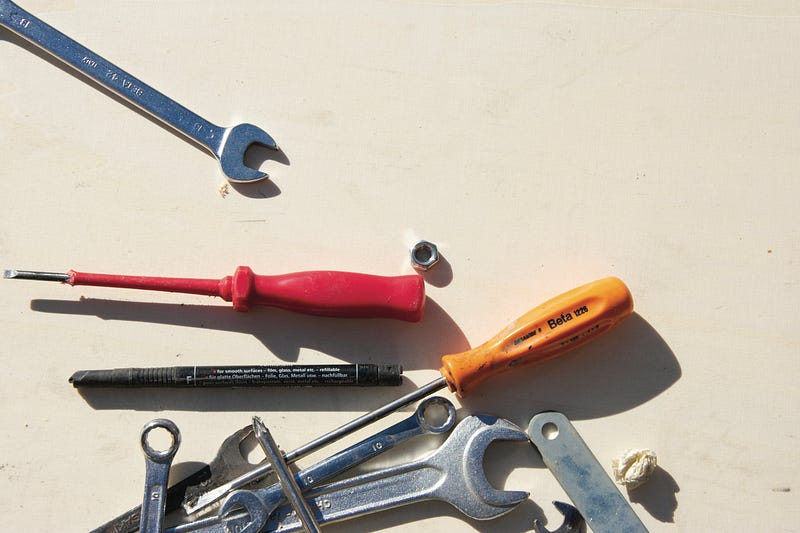
A bad workman blames his tools
We are probably familiar with a workman who complains about no end of reasons why our project always seems to be the “hospital job”, blames the wrong tool, or disappears for hours to “fetch materials”.
For the writer, it is no good blaming a spell-checker or Grammarly for missing something, or worse still as in my case, not always bothering or remembering to use them at all. At the end of the day, it is down to the author to spot mistakes.
A bird in the hand is worth two in the bush
The message behind this one, is that it is better to have something for real, rather than just on a promise.
For the writer, it may mean that it is better to complete and submit one article, than have several drafts floating around the ether in various states of completion.

A cat may look at a king
To be honest I had to look up what this one means, which is that even the most humble person may get a look-in. This search will now mean that I get lots of adverts for feline products or regal regalia.
For the writer, it may mean that, even though there are Medium superstars with squillions of followers, the most amateur of writers still has an opportunity to break through, if we are lucky enough to strike a seam of Medium gold with a viral article.
A chain is only as strong as its weakest link
This saying is so true, as we all know, both in its literal meaning, but also for example in team games or group situations.
For the writer if we rely on others as part of our publishing journey, it may be the weakest or unreliable part of the chain that lets us down.

A dog is a man’s best friend
Dog owners know this already. It is difficult to extract a lesson for writers except that if you have been struggling at length with a difficult draft, you may welcome the distraction of a dog that needs walking!
A fool and his money are soon parted
We probably all know how true this one can be from hard experience. For the writer, that cup of coffee in the local café is an endless temptation when we know we could have a free one at home!
A friend in need is a friend indeed
We soon find out who our true friends are in times of adversity. The lesson for writers is similar, that when struggling with an article or with our writing career, it is the true friends that help us out and support our dream.
A friend to everyone is a friend to no one
The lesson here is about not spreading oneself too thinly. Trying to help and please everyone can mean that we end up not really assisting anyone at all. For the writer, it could mean that trying to interact with too many people means that we are not effective in helping any of them to the best of our best ability.
A journey of a thousand miles begins with a single step
The life lesson here is that sometimes, when faced with an enormous challenge, it is best just to make a basic start, and things may gradually seem less daunting once we are underway. For the writer, so it is with a challenging article: just writing an open sentence or two can often lead to inspiration, as the words start to flow. Or not!
A little learning is a dangerous thing
We all probably know of a friend who has some amateur knowledge, say of changing a plug, who then wants to rewire their house, or someone who saw a video about climate change on YouTube and now considers themselves more expert than all the UN’s scientists. The lesson here for writers, is probably not to overestimate our ability. I discovered this when trying to use Grammarly, that while it is an amazing tool, making optimal use of it is a bit more involved than may first be apparent. I have the unfortunate habit of clicking everything in sight without thinking it through!

A leopard cannot change its spots
The life lesson behind this proverb is that ingrained characteristics are unlikely to change, especially as we age, a variation on the saying that you can’t teach an old dog new tricks. This perhaps undermines the belief in redemption and rehabilitation of offenders, so I would urge caution in applying it too rigidly. For the writer, the lesson may be that a publisher who has turned us down one or more times is unlikely to change, though there are contradictory sayings, such as if at first you don’t succeed, try, try, try again. So perhaps leopards can adjust their spots after all!
Man can do what he wills but he cannot will what he wills
This is a strange one, but perhaps means that if we have the motivation we can do things, but the motivation cannot be forced, it has to come from within. So it may be for writers, that we can use willpower to drive us onwards to complete a project, but finding the willpower in the first place can be difficult.

A mill cannot grind with the water that is past
This is an interesting one, from the days of watermills. I guess for writers, the lesson is that what is past is history, no good trying to change it, and to be forward-looking and positive.
A miss is as good as a mile
The lesson from this is that if you don’t hit your target you miss altogether. This is a rather binary and perfectionist approach to life, and it may be more constructive for the writer to take the approach that sometimes it is better to turn in work that is good enough rather than aim for perfection and turn in nothing at all, that perfection is the enemy of good enough, as another old saying goes. It may be one of those occasions where old adages can be contradictory or unhelpful.
A new language is a new life
This is an old Persian proverb, and expresses the excitement, discovery and novelty that can come with learning a new language, opening new opportunities and turns of phrase. For writers, the lesson could be that sometimes tackling a completely new subject can be a source of new energy, life and inspiration if old tropes are getting worn and hackneyed.
A penny saved is a penny earned
A good life lesson here about how it is sometimes better and easier not to spend on frivolities as a way to save money, easier than trying to earn more. For the impoverished writer, the lesson is the same: the easiest way to save money is to avoid spending it in the first place.
A picture is worth a thousand words
This saying is very true in terms of capturing the value of a picture to carry a strong message. For a writer, it is a reminder that breaking up excessive blocks of text with photos or graphics is an excellent way of making our work more readable.

A rising tide lifts all boats
I love this saying as it encapsulates my philosophy of life, that it is better that we all support each other and cooperate and rise together. For writers it means that we don’t have to compete with each other, but can aim to help each other succeed, to give a hand up the ladder. However, it has to be said that as a philosophy it works better in times of plenty, and is more difficult to make it work in a recession or in hard times.
A rolling stone gathers no moss
This old adage is said to mean, for example, that a person who is always travelling and changing jobs has the advantage of having no responsibilities, but also has disadvantages such as having no permanent place to live: For the writer, there is a similar lesson, though at my age there can be advantages from gathering moss, so perhaps best to have a break from too much rolling!
A ship in a harbour is safe, but that’s not what a ship is for
This saying perhaps encourages us to get out and live life to the full, and the lesson for a writer may be the same, that being too cautious can lead to missing out on opportunities, that it is better to take some risks, and spread our sails.
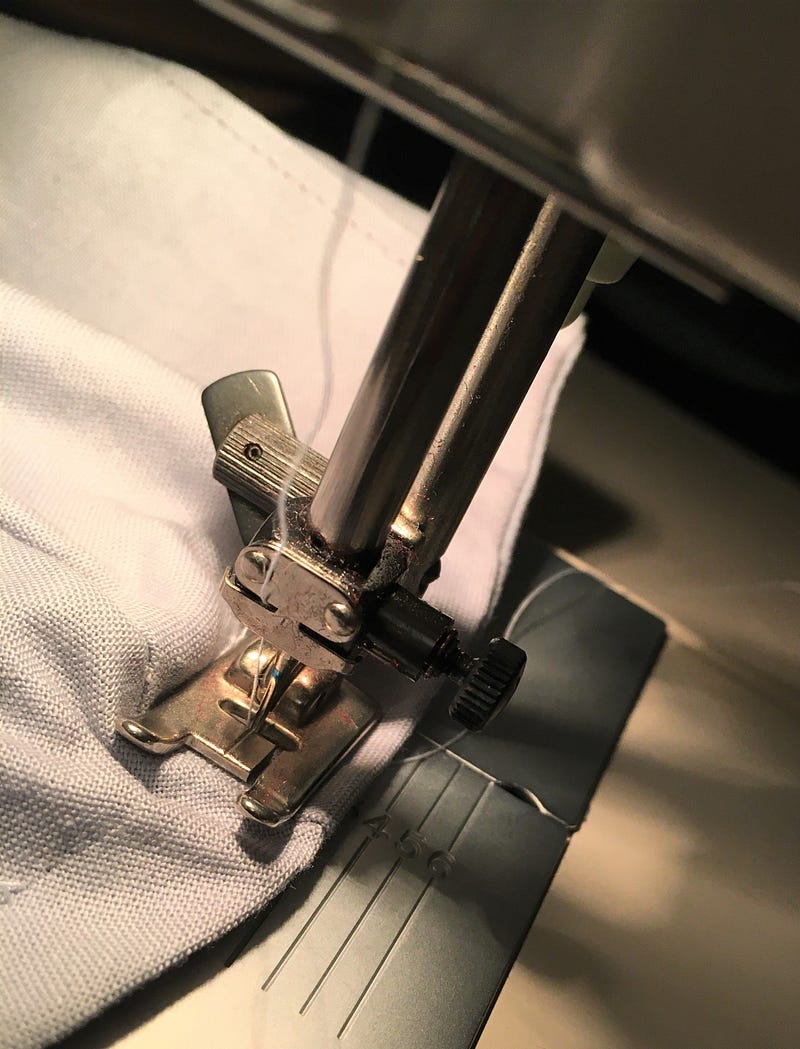
A stitch in time saves nine
This is a proverb that taken literally is just about catching a tear or hole early to save a major repair. For the writer, it could mean that it is better to pick up an issue with a project early on, to avoid a complete rewrite later in the day. A variation on this saying is the alternative wording that “an ounce of prevention is worth a pound of cure”.
A watched man never plays
This saying perhaps encapsulates the impact of an observer inhibiting a performer, though as a writer I sometimes find it easier to turn out work if under the cosh, so have mixed views on how valid it is.
A watched pot/kettle never boils
This saying seems to have a very similar meaning to the last one, and captures how when was badly want something, it seems to take longer if we are standing over it waiting, For the writer it may mean that too much attention to a task can make it more difficult, Perhaps better to take a break and come back to something.
Absence makes the heart grow fonder
We have probably all had the experience of how spending too long with the same person can lead to frustration, and how time apart leads to greater appreciation of a friend or partner. The lesson for a writer, is that it can make sense, if a project has become stale and tedious, to take a step back, have a break, and the task can seem more attractive when you come back.
Absolute power corrupts absolutely
This saying is attributed to John Dalberg-Acton, writing in 1887. It encapsulates something we have all experienced, how so many rich and powerful people seem to become corrupted, something which no doubt we would also fall prey to in their situation. If there is a lesson for a writer, it is about a sad truth about human weakness in the face of temptation, a good subject for the author to reflect on in our work.
Accidents will happen (in the best-regulated families)
If something can go wrong it inevitably will, is the lesson of this proverb, and writing is no different. Sooner or later a mistake will slip through, perhaps a typo, a factual error, or a photo not sufficiently checked for copyright.
Actions speak louder than words
This is a lesson for anyone who follows politics. Our leaders are full of words, but what counts, are actions. So it is with our writing. It is all very well talking about a brilliant article or bestseller we intend to write: it is the output that matters!
Adversity makes strange bedfellows
The less of this proverb is that when times are tough we make unusual alliances, perhaps with people we would not normally engage with, and sometimes an unexpectedly rewarding relationship emerges. So it may be with writing. There are times when we are pushed into collaborations we might not have envisaged, only to find unexpected benefits to all parties.
All good things come to him who waits
The lesson of this proverb is the benefit of patience. Of course, it has to be said that good things don’t always just arrive, and that sometimes it is better to be proactive rather than sit around waiting. However, it is still a good reminder of the virtue of patience, in life generally, and also as a writer.
All good things must come to an end
This is perhaps a reminder that good times do not last forever, For the writer on Medium, this may be the need to be aware that if you are lucky enough to experience the mythical Medium Boost, it is followed by a painful slump, so be prepared!
All hands on deck/to the pump
This proverb expresses the message that in an emergency, everyone’s help is needed. Similarly, for a writer in the final stage of a book, help from friends and family providing constructive criticism or proof-reading can be valuable.
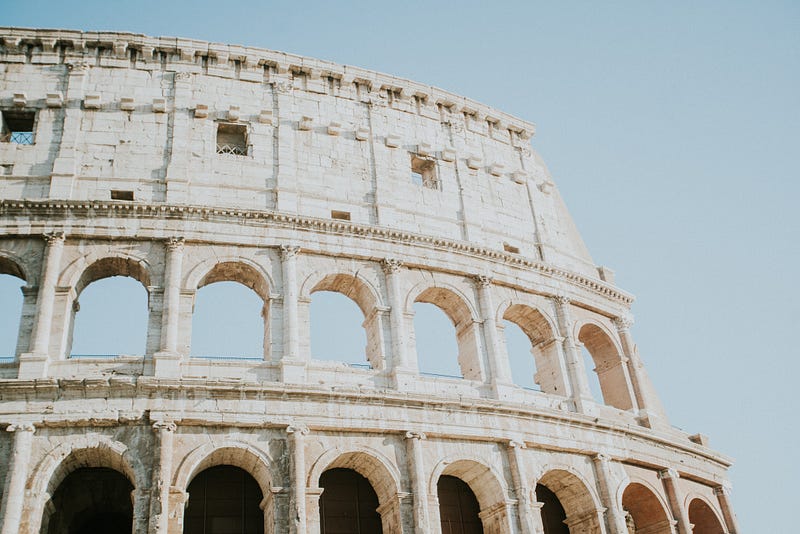
All roads lead to Rome
The message behind this ancient saying is perhaps about the pull and influence of a powerful capital or centre, It can feel the same for writers, that there is a huge advantage for the established status quo. Breaking in as a new writer can be difficult.
All that glitters/glistens is not gold
This wise saying reminds us not to be taken in by appearances which can sometimes be deceptive, especially if something seems too good to be true. For writers, this may be a useful reminder not to be taken in by courses promising six-figure sums in how to succeed at affiliate marketing or by investing in cryptocurrency!
All the world loves a lover
This may be a variation on the idea that when you’re smiling the whole world smiles with you, though sadly the converse may also be true. For writers, there may be the occasional experience of success, when you are briefly pushing against open doors, though in my experience this is rare and transitory. Perhaps easier to be in love!
All things must pass
This is a favourite saying of the life coaching gurus and rightly so. When enduring pain it is worth remembering that sooner or later it will come to an end. Though the flipside of this is the saying that all good things must come to an end, which is equally true. For the writer, even the toughest project will eventually come to fruition.
All work and no play makes Jack a dull boy
We all know this one to be true, that we need a mixture of work and play to have a happy life. Equally, all play and no work could also be argued to be unhealthy! For writers, the message is perhaps one of balance in all things, rather than one to the exclusion of the other.
All you need is love
Not strictly true if taken literally, but the saying does act as a reminder of the power of love. For the writer, the support of friends and family in completing a project can be a huge bonus.
All is fair in love and war
This saying suggests that anything goes, though I would argue that is not the case, that there are moral standards that must apply even in war, regardless of how desperate things may be.
All is well that ends well
Again this may not always true, but for the writer, it is worth hanging in there in the hope that things turn out well in the end, and if is not yet well, it is not the end.

An apple a day keeps the doctor away
This is good health advice, and for writers the metaphorical apple could be good habits which stave off disaster, such as the use of a spell checker or Grammarly, taking regular breaks from the keyboard, or keeping things in perspective.
An army marches on its stomach
This saying encapsulates the need for good food to keep the troops happy, and similarly, a writer may need regular snacks, drinks and general refreshments to keep powering through towards finishing that article!
An eye for an eye makes the whole world blind (Mahatma Gandhi 1869–1948, leader of the Indian independence movement)
This expression illustrates the foolishness of tit-for-tat arguments or conflicts. Far better to break the cycle and turn it around, so that to coin another cliché, one good turn deserves another.
An Englishman’s home is his castle
This Anglophile expression captures the sense of “my house, my rules” rather well. The same may apply to publications — the owner makes the rules, so if you want to get published in one, best to read the guidelines!
Another day, another dollar
This philosophical approach to the working day may be a feeling shared by Medium authors, as we check our earnings each morning, perhaps more in hope than expectation of riches.
Any port in a storm
This adage captures the wisdom that in adversity you take whatever help you can get. For the struggling writer, any support is appreciated.
Any publicity is good publicity
This one is not strictly true, since there are numerous examples which show that publicity can be negative. However, in terms of Medium earnings or book sales, publicity has to be a good thing.
April showers bring forth May flowers
This is a truism for gardeners, and so it is with writing: if we put in the hard yards they should reap dividends at a later date.

As a tree bends, so shall it grow
This saying picks up on the way trees are shaped by the elements: one may see trees in coastal areas growing almost horizontally due to strong winds. Similarly, as writers, we are shaped by our environment, sculpted by the brickbats and bouquets that life throws at us.
As you make your bed, so you must lie upon it
The lesson from this saying is that we must accept the consequences of our choices. So as writers, we also have choices to make, about what we write about, and who we interact with, and must accept the consequence of these choices, for good or bad.
As you sow so shall you reap
The message of this saying is very similar to the last one, capturing the truism that we often get back what we give out, Karma in other words. This is very true on Medium, that positive interaction with others is essential to succeed, and reciprocity rules.
Ask a silly question and you will get a silly answer
This saying captures the way in which very often we get back what we give out, that life mirrors our actions. So the spirit in which we approach other writers on Medium and our interactions will often determine our experience of their responses.
Ask my companion if I am a thief
This captures the wisdom that the best person to know someone is their friend. So the advice for a writer may be that a recommendation or introduction via a mutual friend is to be trusted more than from a stranger.
Ask no questions and hear no lies
Sometimes if we ask awkward questions we get answers that we don’t want to hear or which are less than truthful. The same may apply to difficult questions asked by writers, such as why does Richard Osman sell millions of books, while my masterpiece languishes on the dusty shelves down a neglected corridor of Amazon?
Attack is the best form of defence
This saying perhaps picks up the sense of first-mover advantage, that it can be better to take the initiative. To counter this it may be worth remembering that an attacking force usually takes more casualties than the defender. Personally, I avoid “attacking” other authors and prefer to keep everything upbeat and friendly!
At the end of my rope
This expression describes the sensation of having run out of steam, with nothing left to give, something most writers will have experienced!
A good place to pause this article, possibly the start of a series, and listen to your comments before continuing this journey through the wisdom of the ages.