
The windy paintbrush
A tribute to the perplex art of our earth
Some of the most memorable and beautiful works of art are completely natural on our planet. They are completely organic, and are expanse, covering hundreds of thousands of miles. Sometimes there are sacrifices in making them, and other works of art are destroyed as a consequence of their creation. But all art is like this, and in order to create a masterpiece, something must be abandoned in the process.
Think about a human artist and some of their works for instance. They have many incredible ideas by which they brainstorm upon when they face the decision of creating something. The problem is though, of the thousand ideas they have in mind, only one will make it to be a piece of art. So, as they face the canvas and begin painting, all of their other ideas are lost, and may never come back to the artist ever again.
Art is all about tradeoffs, that’s just the way it is. All the same you’ll see this with the natural artwork on earth as well.
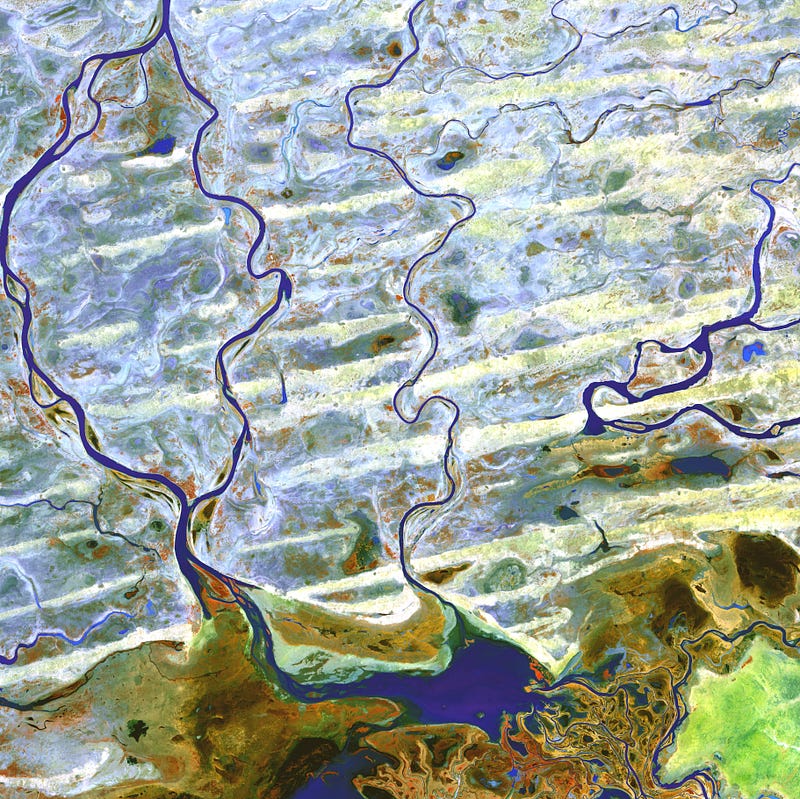
One natural work of art that I find particularly interesting is that of the windy paintbrush. Wind is a sort of discrete artist that we never actually see in person. Yet we know it’s there when we hear it howling or pushing us backwards with its heavy gusts. But what only a few individuals see is the works of art that the wind is actively creating.
I am among this small group of individuals as a matter of fact and was able to capture some of the masterpieces that the wind once worked on. I saw them at every corner on my road trip across the southern states of the country, and they were each as precise and well-structured as the rest. They were like statues with perplex stature, with holes and curves that even the Ancient Greeks would feel overwhelmed by.
The wind had sculpted hills and large rocks, and transformed them into the epicenter of wind art. As the wind continued on over thousands of years, it weathered away at the rock, and discarded its rough and rugged appearance. When it was done, what was left was layers of different colors among the rocks, ranging from orange and yellow all the way to brown grey, and black. It was like looking at a rocky rainbow, and my amazement had absolutely hit its peak.
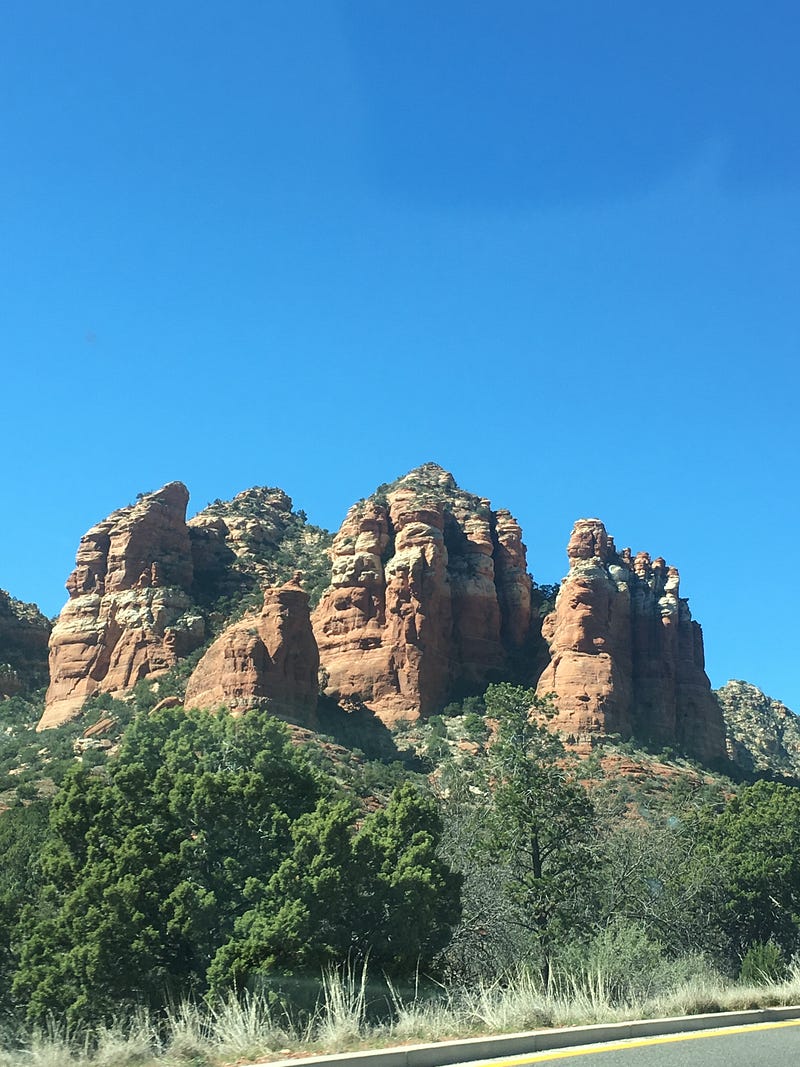
The first image comes from Sedona, Arizona during my vacation at the time over four years ago. It’s one of the mountains that I hiked up throughout the day, and it’s full of wind art. Every single corner of the mountain has the very insignia of the wind, and you can see the layers that the gusts have exposed. The wind almost cuts through the rock like butter, and it must have done so for thousands of years to have achieved such perfection.
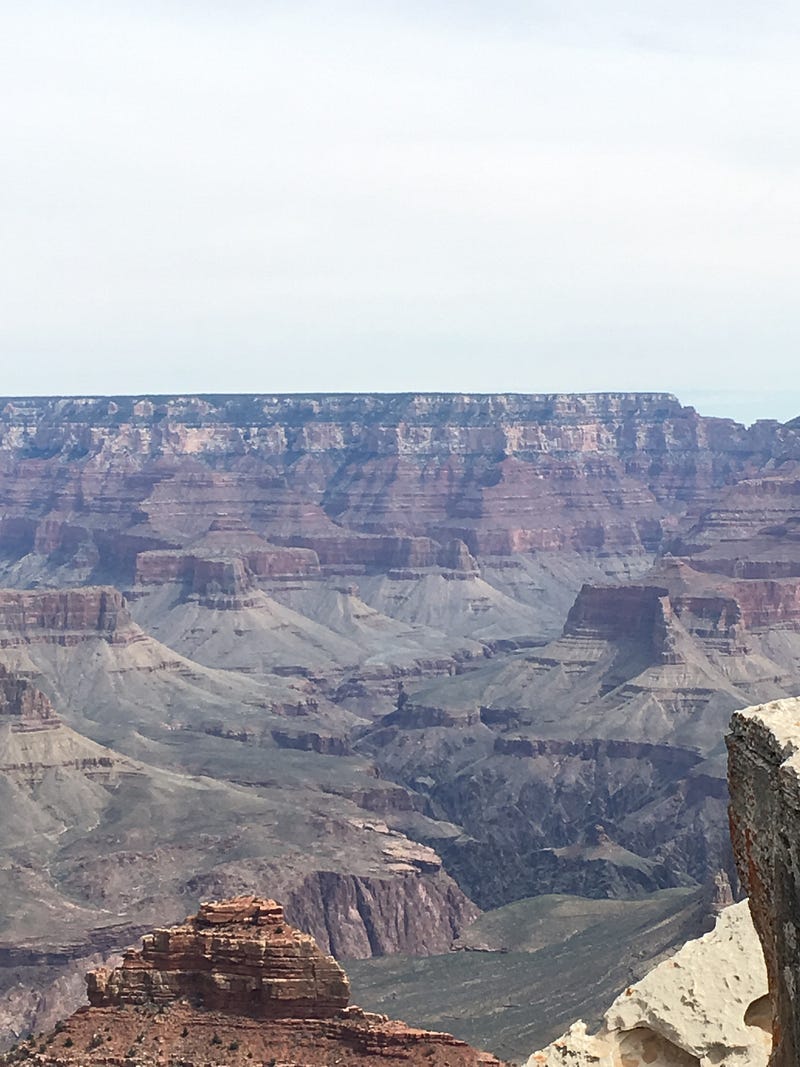
Then if you look at the second image, it’s very self-explanatory, as it is one of the wonders of the world. Also out of Arizona was the Grand Canyon, and it was my first time being blessed to witness its wonders. I must have gazed upon the canyon for at least an hour without any break, because it kidnapped my attention.
Just like all the other rock formations in the area, the wind had worked its magic on the canyon. The only difference in this case, was that it was a larger work of art that expanded for miles and miles. It is the Sistine Chapel of windy art, and anyone else who gets to visit it is all but guaranteed to become lost in its wonders as they scan upon it with their eyes.
So once again, I have represented how some of the best art comes from nature. We don’t really think much about our hidden artists, but I believe that’s because we don’t really recognize them as such. Whether it's the wind forming a work of art, or the waves of the ocean crashing upon the shore, the earth in general is a master artist.
May the wind pursue a prolific art career just as it always has.