
The White Eyebrow Club — Body Image Issues and Real Beauty
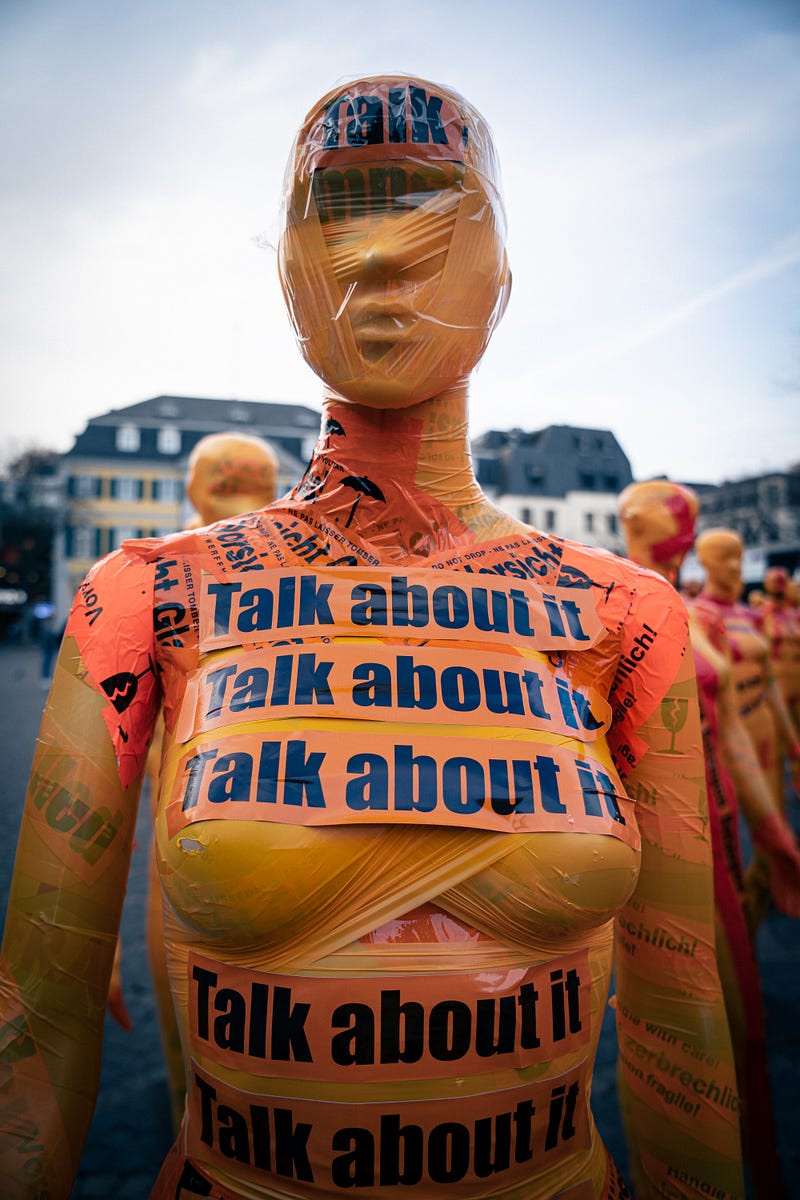
For a middle-class brown Indian kid, the idea of beauty had already been stamped in me by my parents, who would harass my face every morning with skin tone-lightening lotions, before sending me off to school. And I would pride myself on the way I looked when I would check myself out in the mirror, to see if my mother had done a good enough job. My eyebrows would always have a trace of white lotion stuck in them, and that was “Normal”, because I would see my friends with similar stupid eyebrows in school. The “White Eyebrow Club”, we called ourselves.
I honestly believed that soon I would become as fair as the skin cream models on television. I craved that fairness. Because that’s what beauty meant to me, a false idea whose roots were planted in me by my parents and society.
The television that we consumed was no different. It altered our brains to believe a certain body image was superior. With the deceitful messages of the cinema, the societal messages followed and associated themselves with false ideas of attractiveness and the qualities of desirability.
Imagine what it would do to a kid, who falls outside of the societal circle of attractiveness, who is told in some way or another that he/she is just not good enough. They would grow up facing issues with self-esteem and confidence, and the kids who were in that circle of attractiveness would become egoistic, arrogant, and proud. These are the only variations we are creating in our society; how messed up is that? A culture where one person judges while the other is terrified of being judged.
People are worried about their height. They are getting costly procedures done to gain a few inches. I myself am worried about hair loss. Why does it affect me so damn much?
Why does everyone care about looks so much!
Have looks become the sole determinant of a person’s worth?
Why do we care so much about appearances?
Let’s be honest; obsession with self-image will kill the mental health of a person. That obsession will make you hate life and all happiness in it, because apparently, your nose is not a certain shape. Where did all of this actually begin? I mean the concept of physical appearance always existed, but it was never this brutally cruel. The contemporary era, particularly the 20th century onwards has seen a marked rise in the value placed on looks, for a few obvious reasons.
- Rise of Mass Media: The development of mass media, including television, movies, magazines, and later the internet and social media, has played a crucial role in shaping beauty ideals and amplifying the significance of looks. The widespread dissemination of images and standards of beauty through these channels has increased societal focus on physical appearance.
- Consumer Culture and Advertising: The growth of consumer culture and advertising has led to the commodification of beauty. Advertisers often use attractive models or celebrities to promote products, creating aspirational images and associating beauty with desirability and success. This constant exposure to advertising further reinforces the importance of looks. This is what motivated my parents to get me enrolled in the white eyebrow club.
- Globalization and Cultural Influence: With increased globalization, cultural exchange, and access to media from different parts of the world, beauty standards have become more homogeneous in some aspects. Certain ideals of beauty propagated by influential industries, such as the fashion and entertainment industries, have gained worldwide recognition and impact.
- Social Media and Self-presentation: Because of the emergence of social media sites like Instagram, Snapchat, and others, we have witnessed a rise to a culture of self-presentation and self-image curation. People share carefully selected photos, present themselves in a particular way, and receive validation or feedback based on their appearance. This constant visibility and evaluation has intensified the focus on looks and propelled our insecurities.
- Technological Advancements: Advancements in cosmetic surgery, dermatology, and beauty products have made it easier to alter or enhance one’s appearance. This has further contributed to the importance placed on looks, as individuals now have more tools and options to modify their physical attributes.
Now, am I saying is it wrong to worry about these issues of self-image?
A blunt answer would be a yes. Yes, it is wrong because it can, and it has ruined lives. Was that hard to process? Are you a Kardashian fan as well?
Kids should be kept away from the concepts of societal beauty, so they can grow up with a confident self-image. So that they don’t judge others and themselves on their looks.
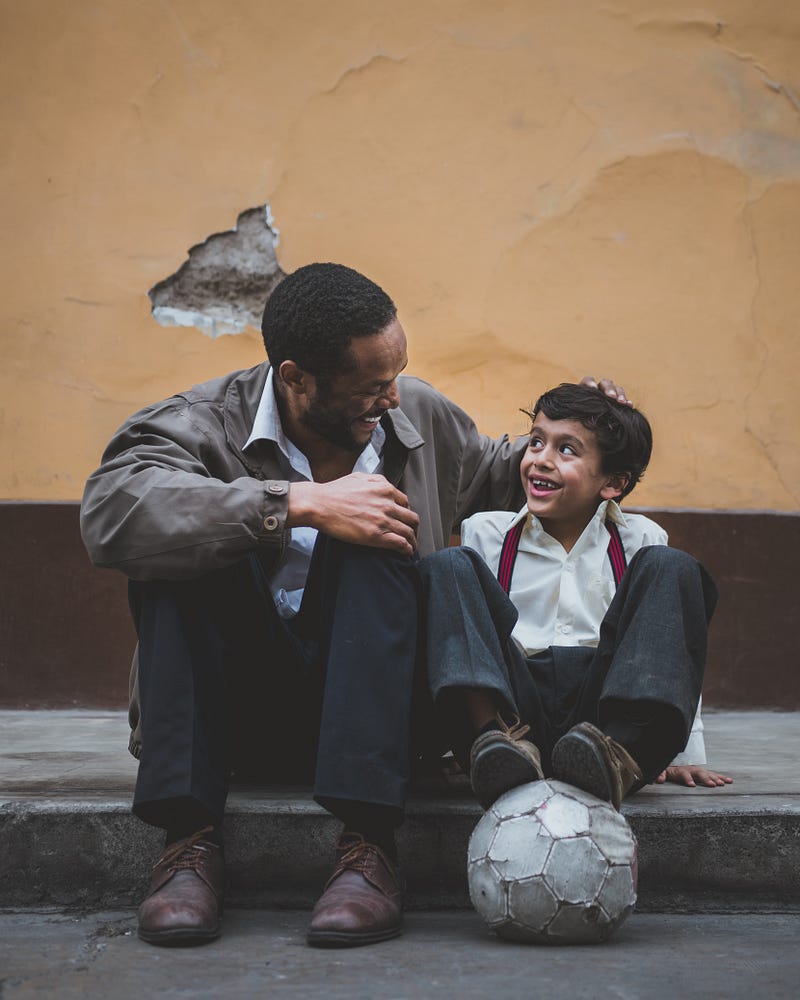
As a good parent, you obviously need to familiarize your child with the concept of beauty, but if your own concepts are messed up, you will do a horrible job raising your child.
And kids are these amazing, innocent, tiny lovable humans. The only bad thing about them is that they are stupid, they have no sense of judgement. They need a guide. Actually, you know what, I take that back. Kids just lack a sense of judgement, but adults are the stupid ones. Even after years of experience and knowledge, they still go on to tell their children about fairness creams.
(I know our parents messed us up in more ways than one, but it’s important to realize that they did not know any better. If they did, they would have made better choices)
Luckily, we know better. We must realize what real beauty is, irrespective of societal peer pressure. So that we can be better parents to our kids in the future, so we can be the parent that we needed when we were a kid, and the first step towards that is self-healing. Heal your traumas regarding self-image.
What should we do?
I understand that dealing with low self-esteem regarding one’s looks can be challenging, but there are strategies you can try to improve your self-perception and build a healthier self-image. Here are some suggestions:
- Practice Self-Compassion: Treat yourself with kindness and understanding. Remember that everyone has unique features and beauty. Instead of being overly critical, focus on self-acceptance and appreciating your positive qualities beyond physical appearance.
- Challenge Negative Thoughts: Recognize and challenge negative thoughts or beliefs about your looks. Replace them with positive affirmations and realistic perspectives. Remind yourself that beauty comes in diverse forms, and external appearance does not define your worth or value as a person. I know this is very tough to actually put into practice, but spirituality really helped me out with this. Maybe it can help you out as well.
- Focus on Inner Qualities: Shift your focus towards developing and nurturing your inner qualities. Engage in activities that you enjoy and that boost your confidence, such as pursuing hobbies, learning new skills, or helping others. Cultivating your talents and strengths can enhance self-esteem and provide a sense of accomplishment.
- Surround Yourself with Positive Influences: Surround yourself with supportive and positive people who appreciate you for who you are beyond your looks. Avoid comparing yourself to others and limit exposure to media or social media that promote unrealistic beauty standards. Instead, seek out uplifting and body-positive content. If you have friends who give you destructive criticism regarding your looks on a daily basis, it’s time to find new friends.
- Practice Self-Care: Take care of your physical and mental well-being. Engage in activities that make you feel good, such as exercising, eating a balanced diet, getting enough sleep, and practicing relaxation techniques like meditation or mindfulness. Taking care of yourself holistically can improve self-esteem and overall confidence.
- Seek Support: If low self-esteem regarding your looks continues to affect your well-being, consider seeking support from a trusted friend, family member, a professional counselor or therapist. They can provide guidance and help you develop coping strategies specific to your situation.
Remember that building self-esteem takes time and effort. Be patient with yourself and celebrate small victories along the way. Embrace your uniqueness and focus on nurturing a positive self-image that goes beyond physical appearance.
Understanding what real beauty means will help you lead fulfilling lives, and will also prepare you, to guide your coming generation.
What is real beauty?
Real beauty goes beyond superficial appearances and encompasses a broader understanding of what makes a person truly beautiful. It is your inner qualities such as kindness, empathy, compassion, integrity, and a positive attitude. These qualities reflect a person’s character and their ability to connect with others on a deeper level.
It is about authenticity, being true to oneself, and embracing one’s unique qualities and individuality. It involves being comfortable in your own skin and expressing your true self without pretense or trying to conform to societal expectations.
It involves self-acceptance and self-love. It is about embracing and celebrating your strengths, weaknesses, and imperfections. Accepting yourself as you are and being confident in your own skin can radiate a sense of beauty and authenticity.
It includes personal growth and continual self-improvement. It involves cultivating qualities like wisdom, knowledge, and emotional intelligence. Striving to become a better version of oneself and making positive contributions to the world can enhance inner beauty.
And most importantly, real beauty is also about the impact a person has on others. It is reflected in acts of kindness, empathy, and making a positive difference in the lives of others.
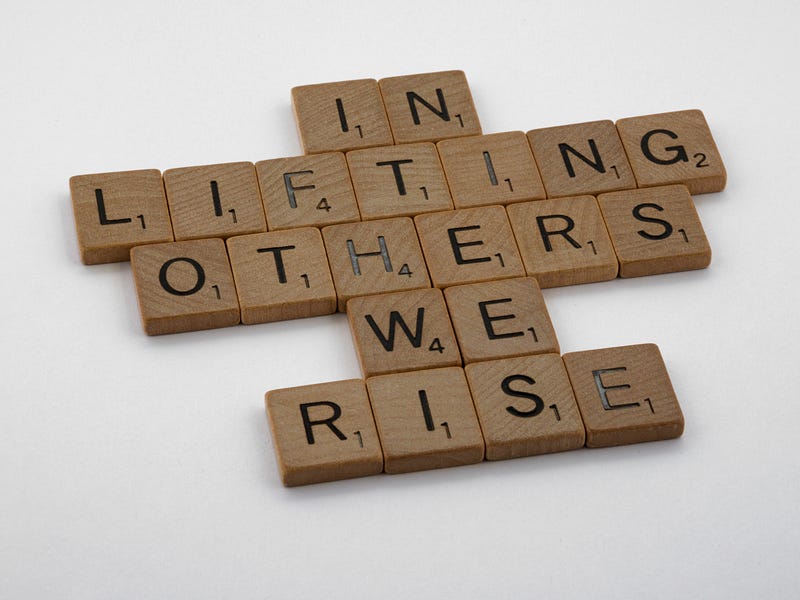
Beauty that inspires, uplifts, and empowers others is real and meaningful.
Let’s not be the part of “White Eyebrow Club” anymore.


