The White Crow & The Black Sheep
Four Fables
THE WHITE CROW & THE BLACK SHEEP
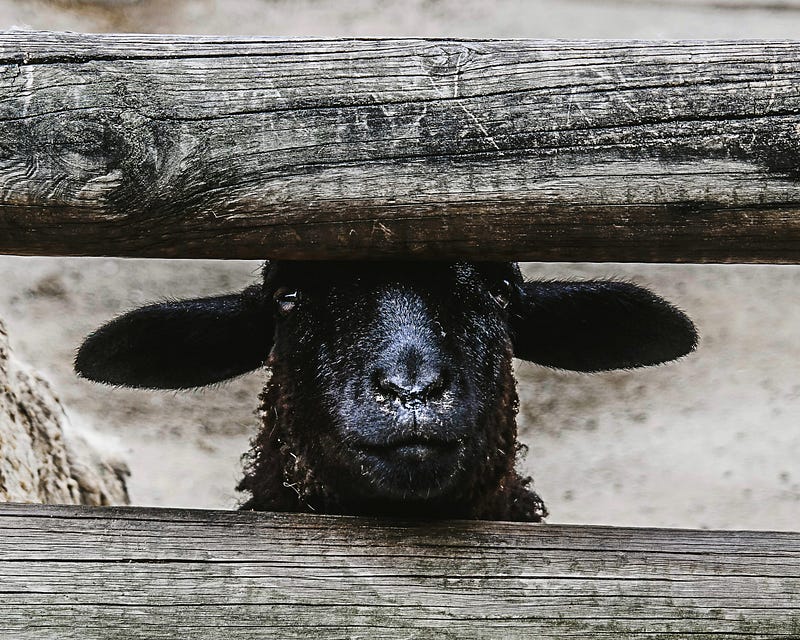
A white crow refused to participate in the murder while a black sheep refused to be fleeced like the flock. Both journeyed far away to find others that wanted to pilgrimage toward greater individuality. One day, as destiny arranged, the white crow and the black sheep were walking down opposite ends of the road less traveled. But when the white crow and the black sheep met face-to-face, neither recognize they were on the same path. Both were so frightened by the sight of the other that the white crow flew away and the black sheep hid. The white crow feared the sheep had the plague because its wool was black, and the black sheep feared the crow had leprosy because its feathers were white.

THE REFLECTION & THE SHADOW
The woman born with indigo hair was treated like a goddess throughout her youth. One day she stood in the mirror to admire her heavenly hair. At that moment, the woman’s reflection admired her shadow’s figure while the woman’s shadow adored the facial features of her reflection. Unfortunately, the woman never saw what the reflection admired or what the shadow adored. All the woman saw, at that moment, was one strand of gray in her indigo hair, and she no longer believed she was worth the treatment of a goddess.
THE CATERPILLAR & THE WORMS
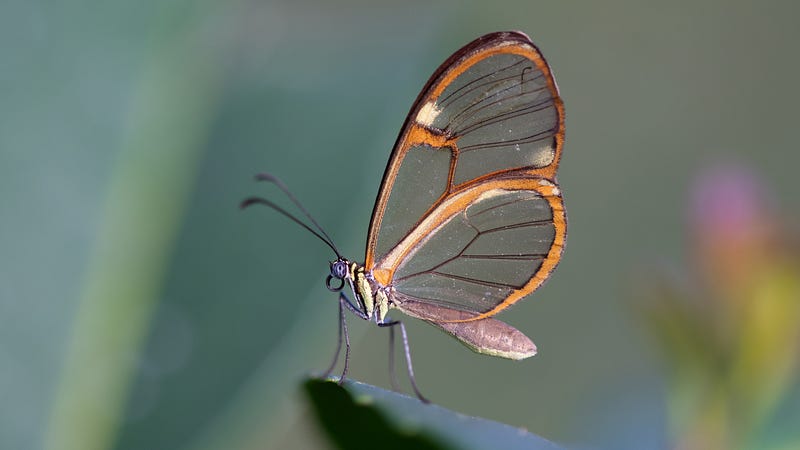
A caterpillar was born, abandoned, and adopted by worms. The caterpillar was raised like a worm and grew accustomed to the dirt. One morning a butterfly hovered over the dirt, spotted the caterpillar, and told the caterpillar the secret of flight. The caterpillar told the worms, but the worms told the caterpillar it was a daydream. The worms said butterflies were mythological creatures that did not exist. The worms convinced the caterpillar to accept the natural role of worms in the flightless world created by the fowl gods. And the caterpillar continued to spend its mornings hiding from early birds and its afternoons praising the fowl gods for creating worms without wings.
THE RAW MEAT TRIBE
Before civilization the tribes of mankind hunted and ate raw meat. Over time the tribes of man learned to create fire and began cooking meat. One tribe refused to cook. They called themselves The Raw Meat Tribe. The elders of The Raw Meat Tribe preached cooked meat was cursed and the cooking tribes were evil.
At the dawn of civilization, a boy from the Raw Meat Tribe asked an elder: Why do we still eat raw meat?
The elder said: Because it’s tradition.
The boy asked: How did the tradition start?
The elder replied: When the evil tribes abandoned the ways of their ancestors.
The boy accepted the answer and he grew up keeping a proud tradition, of a proud tribe, that all the cooking tribes called: The tribe that couldn’t create fire.


