
The West Has Been Shipping Trash to Asia for Decades
Now, Asia doesn’t want them anymore, leaving developed countries scrambling
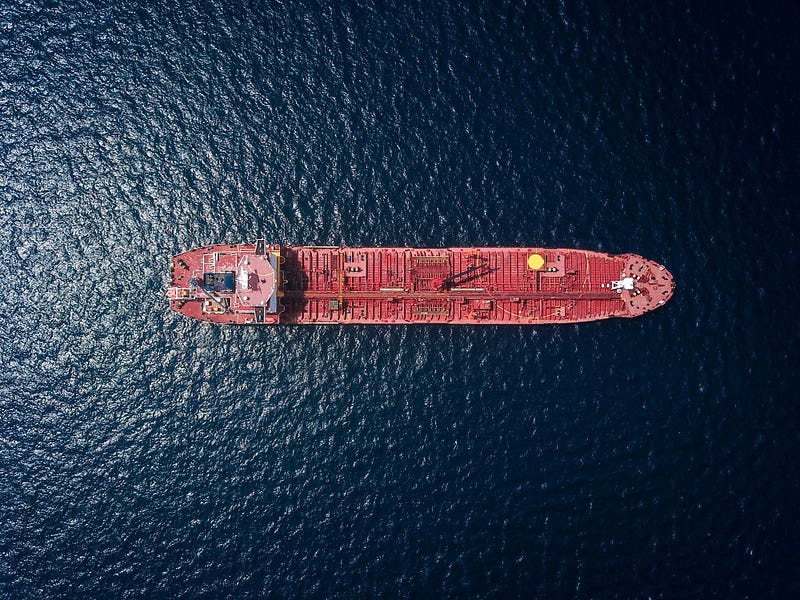
Recycling is often seen as one of the more effective means in reducing our environmental footprint. Segregating different wastes into different containers is a simple and noble task that anyone can practice in their households, as well as in a public setting. However, if you live in a western country, chances are that your trash is being shipped to Asia, making it their problem to solve. For decades, western countries have heavily relied on developing countries in Asia to bail them out of their own environmental costs of recycling. Since 1992, there has been a constant flow of unwanted trash sent onboard shipping containers to developing countries— most of which were sent to China. It has always been that way ever since, and outsourcing recycling has become somewhat of a tradition.
It’s just as the saying goes,
“out of sight, out of mind.”
But now, they don’t want it
In 2018, that tradition was brought to an end when China suddenly banned the import of 24 types of recyclables to their shores, as well as new contamination standard of 0.5%. There were several state-funded programs leading up to this. In 2013, China launched “Operation Green Fence”,which was launched to increase inspection of imported recyclables. In 2017, China’s “National Sword Policy” targeted foreign recyclable imports and smuggling.
This was bound to happen
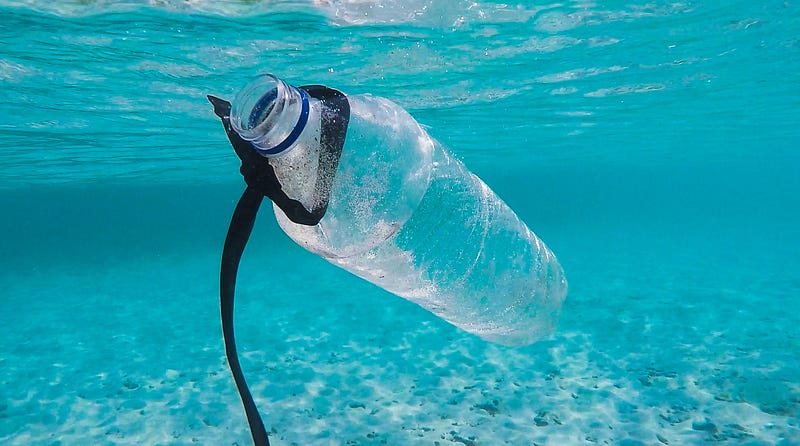
Plastic usually takes around 500–1000 years to degrade. In 2008, we produced 248 million tons of plastic, and these numbers have been steadily increasing by an average of 3.7% each subsequent year leading up to 2018 which is at 359 million tons. This 3.7% growth rate of plastic is significant because in comparison, the growth rate of Human population only hovers above 1% around the same timeframe. And the current human population growth is also another problem in itself. As of 2012, the weight of the entire human population was at 287 million tons, to put it in perspective, the amount of plastic on that same year weighed 288 million tons. It's not even a competition by any means cause humans — when they die, “degrade” a lot faster than plastics, and the organic matter tends to get recycled in the ecosystem, while plastics don’t.
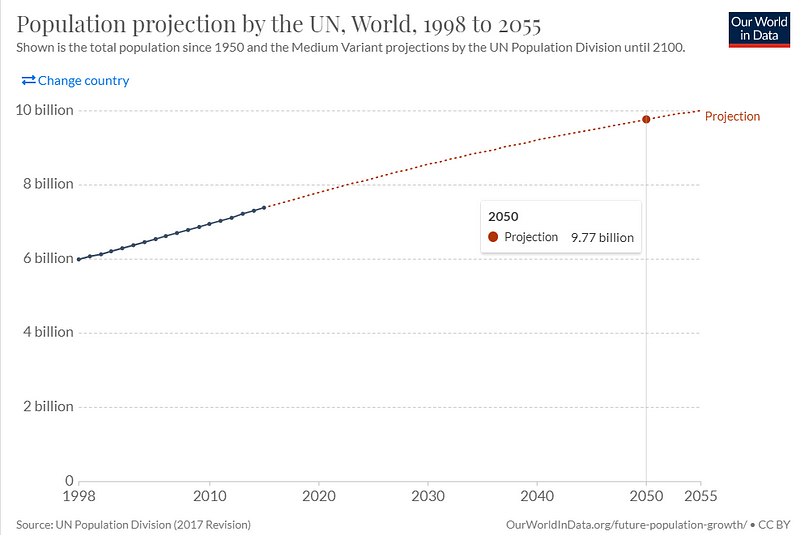
Western countries like the ones in NAFTA(U.S, Canada, & Mexico) and the EU (European Union) combined produce 35% of the world’s plastics, the waste from these products are sent to China which already produces 30% of it. By year 2050, it is predicted that human population will be at 9.77 billion, the majority of the increase is concentrated in Asia.
This was enough for China to make a move that it no longer wanted to act as the world’s dumping ground, hence the National Sword policy. The National Sword policy instantly banned the import of foreign recyclables. This resulted in a 96% reduction of used-plastics sent to China in 2018. The move sent shockwaves around the world, with western countries scrambling to find other regions to dump their trash. On that same year, countries in southeast asia became the next ideal destination for trash, but not for long. The ripples created by National Sword eventually ignited investigations on a number of abandoned shipping containers across southeast asia, all of which contained — you guessed it — trash. Some of which weren’t even recyclables. Various government investigations in Southeast Asia then shed light on the malpractices of private recycling companies from the west, as well as the corrupt officials who accepted the trash in the first place.
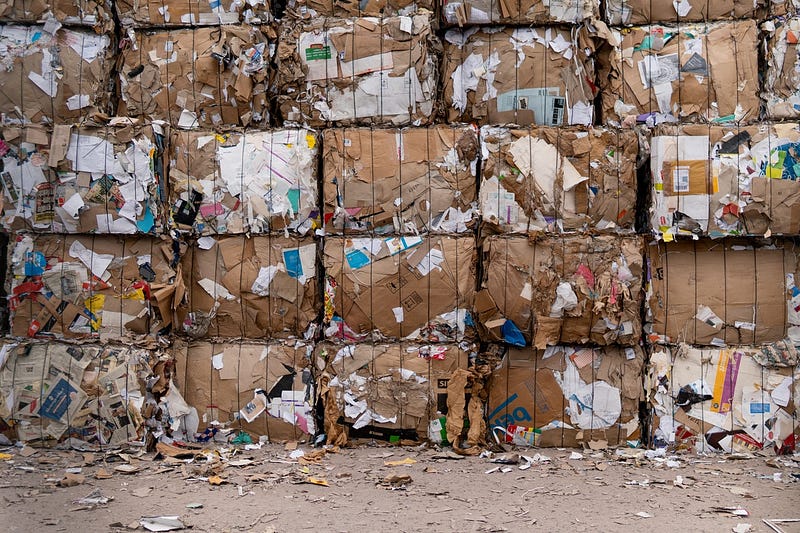
The most notable of these cases are the containers shipped to the Philippines by Canada. Philippine President, Rodrigo Duterte even threatened to wage war on Canada if they don’t take back their wastes — although this threat was not to be taken literally as one official later clarified. The case even became an inspiration for an episode on the American series, Almost paradise. The Philippines was not alone though, other countries also had similar problems. Malaysia announced that it will return 3000 tonnes of recyclables and other contaminated waste to the countries where they originated from. Vietnam, where more than 6000 containers were clogging it’s ports, has also stopped issuing licenses for imports of recyclables and wastes.
An untapped market
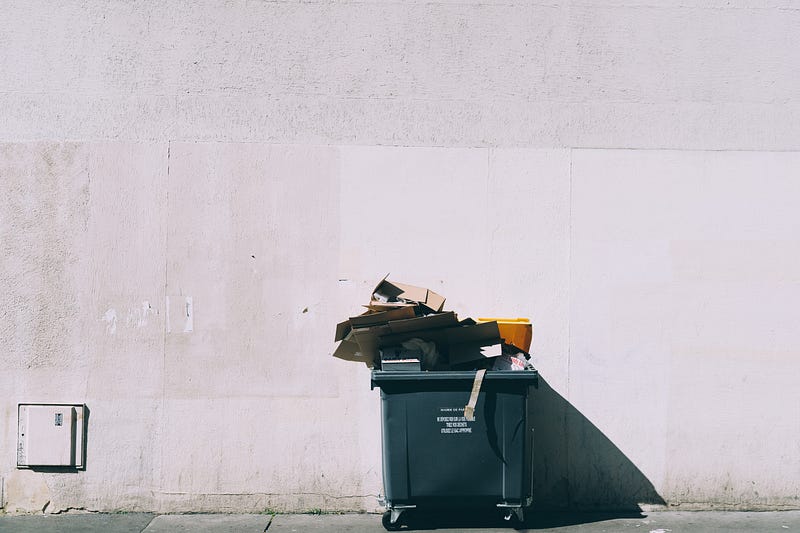
The first hurdle in recycling comes in the form of single stream recycling. It is where different recyclable materials of different compositions such as paper, metal, plastic and glass all end up in one recycling bin before sending it to a Materials Recovery Facility (MRF). Although the convenience of this method increases collection efficiency and household participation, it also faces some challenges. The first of which is that 25% of items that arrive in the MRF are too contaminated to be recycled. Another is that there are sorting inefficiencies that need to be addressed — for every six bottles, 1 is sorted incorrectly. But it is progress nonetheless.
For now, only 6% (2.5 million tons) of the aggregated plastic supply in the US and Canada are recycled. Addressing the other 84% is key. With new recycling technologies emerging, it could potentially lead to a billion dollar industry. In the Western world, Europe seems to be the one leading the charge. After National Sword, the EU passed ambitious legislation that aims to improve waste management, stimulate innovation in recycling, limit the use of landfilling, and create incentives to change consumer behaviour. In 2019, the European parliament approved a new law banning single-use plastics by 2021. They also proposed a 90% collection target for plastic bottles by 2029. As of 2018, out of the 29.1 Million tonnes of plastic collected in the EU, only 24.9% ended up in the landfill, while 42.6% was used in energy recovery. The other 32.5% was recycled with 81% of the end products still remaining in the EU, while the rest were imported. The recent EU move is also expected to create up to 200,000 new jobs.
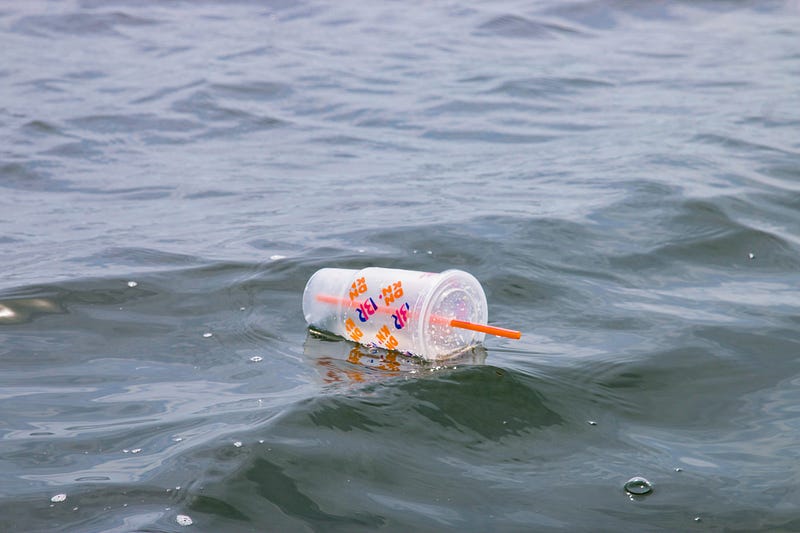
The ecological footprint of human trash is ever-reaching. Plastic bags and a piece of spam have been observed even in the depths of the Marianas trench. Microplastic are clogging the sensitive digestive tracts of marine filter feeders, as well as releasing toxins into the ocean — the same ocean that produces 50–80% of the oxygen we breathe. A global effort in reducing production of plastics and recycling them might mitigate these risks.
Aside from the environmental benefits, the global recycling industry could also be a possible source of economic growth. According to Grand View Research, the global waste recycling services market size was valued at USD 53.71 billion in 2019 and is expected to grow at a compound annual growth rate (CAGR) of 5.2% from 2020 to 2027. Rising awareness among consumers and industries about the benefits and sustainable advantages of recycling waste is anticipated to surge the market growth over the coming years.
Thanks for reading.


