

The Wave of Unity
From Ralph Waldo Emerson to the modern yogis — together, we have the power to help save our precious planet Earth
There is a soul at the centre of nature and over the will of every man, so that none of us can wrong the universe. It has so infused its strong enchantment into nature that we prosper when we accept its advice, and when we struggle to wound its creatures our hands are glued to our sides, or they beat our own breasts. — Ralph Waldo Emerson
“Now the light which shines above this heaven, above all, above everything, in the highest worlds beyond which there are no higher, verily, that is the same as this light which is here within the person.” — Chāndogya Upaniṣad (3.13.7)
In the days of the early teachings of India, (the Vedas, Āraṇyakas and Upaniṣads (dating back to at least 1500 B.C.E.), all of humanity lived in close existence to the ṛtm (rythym) of nature and her creatures. They woke to the glow of Uṣas, the Goddess of the Dawn, spreading her purple robes across the sky and fell asleep hearing the sounds of the wild creatures and pounding rivers and the elemental forces of nature outside of their settlements. Their early hymns spoke of the plants and the waters of the earth and of the hope that Surya the sun god would return in the morning.
Somehow, we have lost this intimacy with the earth.
We wake now to the electric glow of an alarm clock and spend our evenings bathed in artificial light. We buy our produce from the aisles of the grocery stores, where we see shiny, waxed and gassed vegetables and fruits piled high. And yet we rarely see where these foods that sustain us are grown.
People consume animal products pumped full of hormones and antibiotics without ever realizing that this cycle was created out of the pain of over-crowding and maltreatment of these creatures.
But, in the human soul is a craving, a need to be immersed in the beauty and wonder of the natural world. We desperately need to feel our unity with the wild.
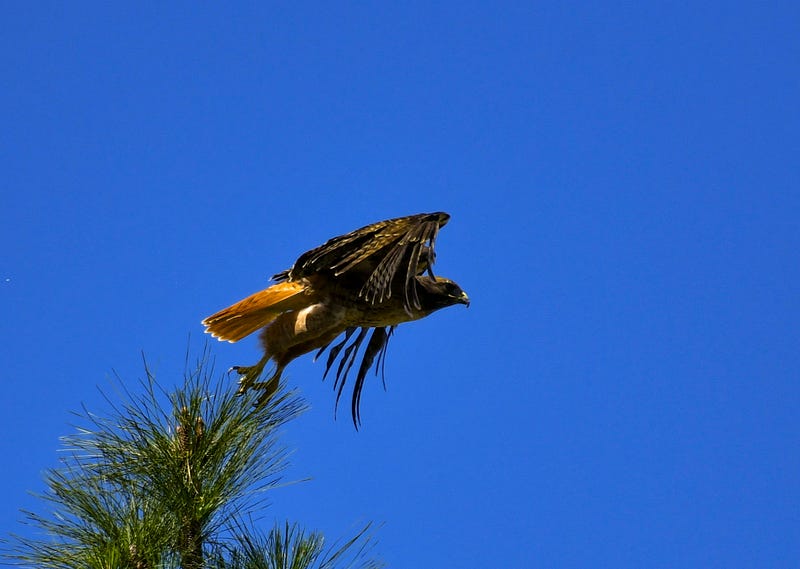
We need to let our hearts and imaginations soar on the wispy wings of the clouds along with the red-winged hawk, to feel the wetness of the dew upon our feet on a spring morning, or to taste the ripeness of a home-grown strawberry, and to know that it came from the richness of soil that someone has prepared and saturated with care and love.
So many people in modern society spend their days staring at glowing computer screens and never touch foot to actual earth, walking instead on concrete, indeed hardly walking at all but moving from car to desk to couch.
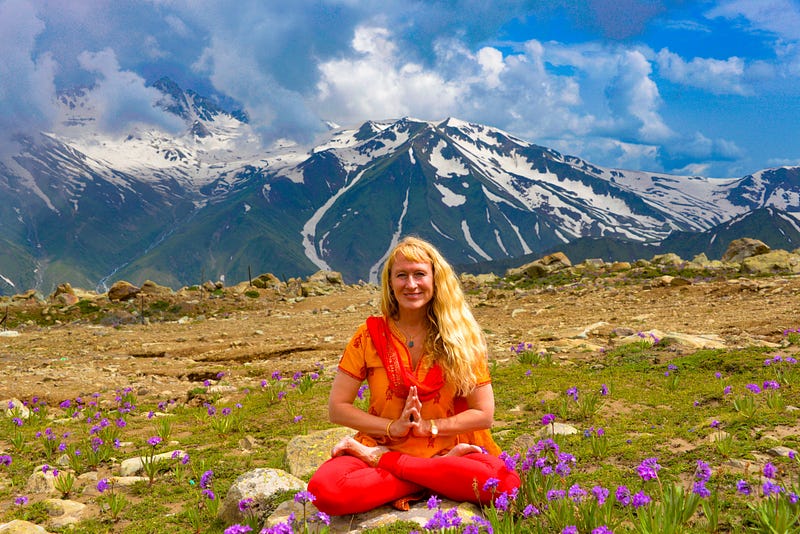
As yogis and as yoga teachers (and as writers), we have the opportunity to embody our physicality again and to remind others of theirs as well.
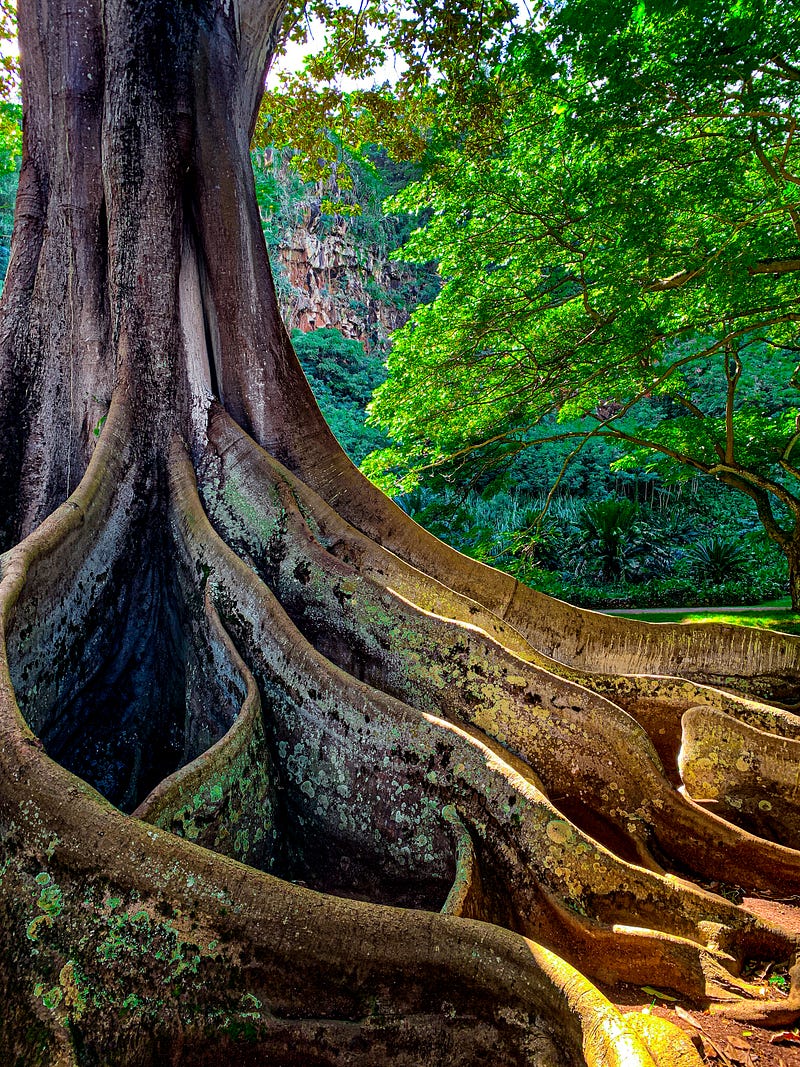
We were meant to stretch our spines like lithe panthers, to balance like trees wobbling in the wind, and to flow like the winding rivers.
And perhaps the simple act of moving through the fluid grace of an āsana practice, filling our lungs with vital air, feeling the moisture on our skin, helps us to remember where we came from.
One of my favorite verses from the Muṇḍaka Upaniṣad (3.2.8), so beautifully analogizes the merging of the rivers and oceans to our essences merging into the all-pervading reality:
“As the flowing rivers in the ocean disappear, quitting name and form, so the knower, being liberated from name and form, goes unto the heavenly person, higher than the high.”
In essence, the Upaniṣads’ great message is that there is no “other.” We are all connected and we need to respect the universe and treat it kindly.
Ralph Waldo Emerson, an early modern visionary greatly influenced by his readings of the Upaniṣads, wrote:
We live in succession, in division, in parts and particles. Meantime in man is the soul of the whole; the wise silence, the universal beauty; to which every part and particle is equally related; the eternal ONE. And this deep power in which we exist and whose beautitude is all accessible to us, is not only self-sufficing and perfect in every hour, but the act of seeing and the thing seen, the seer and the spectacle, the subject and the object are one.[1]
Emerson’s guru was nature itself and he drew his inspiration from his time immersed in it. It was these moments that led him further into his musings on One-ness and the interconnectedness of all things.
In a break from mainstream religion, he called for individuals to form “an original relationship to the universe.” He had an ecstatic vision of a divine essence which was the “cause behind every stump and clod.”[2]
Like Emerson, we need to live in the world with an awareness of our unity with it, to treat all of the creatures of the earth with love and with a respect for their role in supporting the world in which we live.
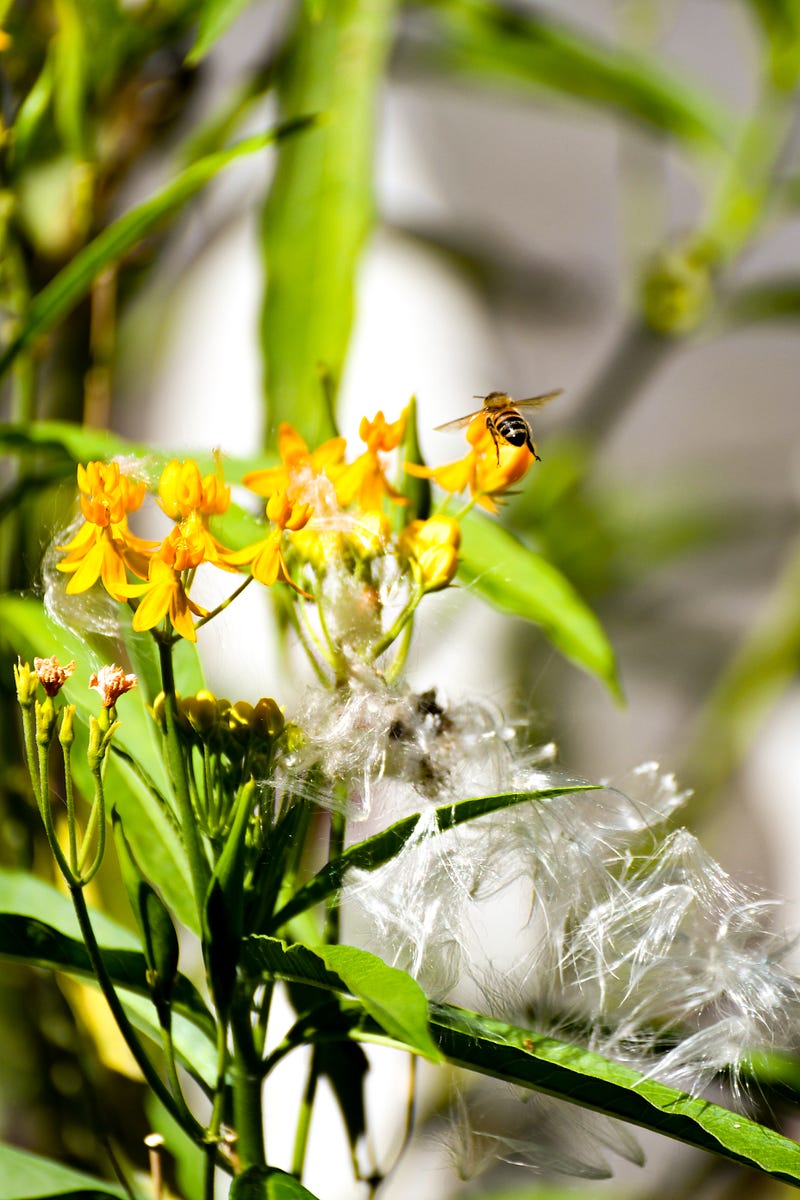
We can’t live in this world alone. We need the bees to pollinate the flowers and fruits, and the trees to create oxygen and the wolves to keep the deer population in balance and the beavers to build ponds and lakes in order for the other creatures to thrive.
We need to listen to the roar of the thunder and the rush of the wind and to tap into that elemental rawness of the natural world that we so easily forget when we are face-to-face with a computer screen for hours each day. For, in our hearts, we know that we are made of the same essence as the rest of the natural world.
And, as yogis, humans, and inhabitants of this one and only earth, we, together, have a voice as well that may eventually help tip the scales against the destruction of the earth.
We can make changes in the world. We can, like Ralph Waldo Emerson, John Muir, Henry David Thoreau and Walt Whitman (each heavily influenced by teachings from the east, like the Upaniṣads and the Bhagavad Gītā), join our voices in a chorus to the oceans and to her over-fished creatures; and to the skies, so darkened with the haze of pollution; and to the forests, in danger of being felled for the sake of short-term monetary gain.
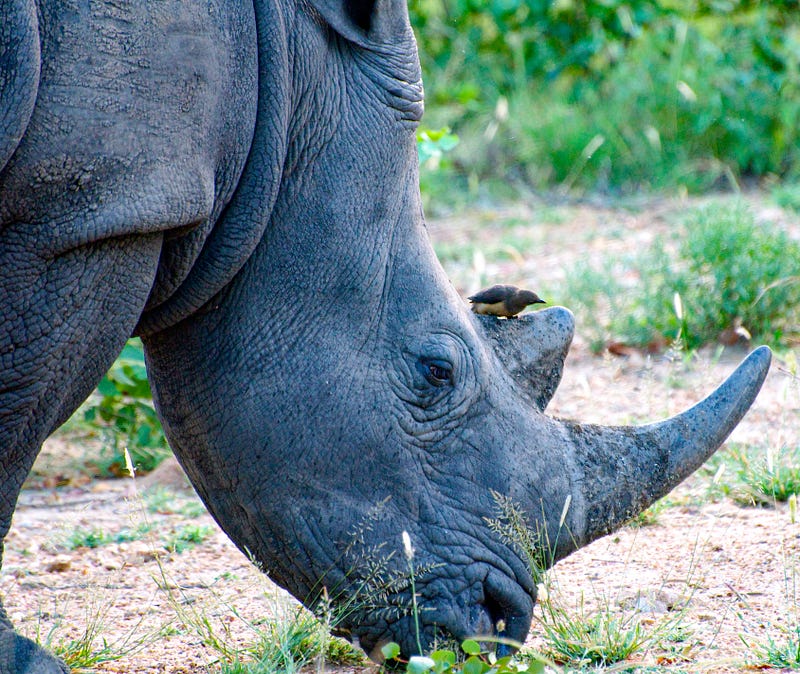
As teachers, we have the arena of festivals, of workshops, and of our daily classes, where we can speak of the plight of the Earth and of how we can fix her. We can teach outdoors. We can talk about the animals we embody in the āsanas. We can enliven our connection to the very air we breathe through prāṇāyāma (breathing) practices. We can teach people how to be better care-takers of the Earth by talking about non-violence and contentment with what the Earth readily offers us, rather than feeling the need to keep extracting more from her. We can take people on retreats to the beautiful places in the world, where they will experience, for themselves (as the transcendentalists each did) a deep connection to nature. We can raise funds through our activities to help protect the rhinos and the tigers and the children-in-need all over the world. As a yoga teacher, I invite and implore all of my fellow teachers to embrace this task.
As Emerson said in his essay, Reliance, “society is a wave. The wave moves onward, but the water of which it is composed does not. The same particle does not rise from the valley to the ridge. Its unity is only phenomenal. The persons who make up a nation day-to-day, next year die, and their experience dies with them.”[3]
We, as modern yogis, the carriers of the torch lit by the ancient forest ṛsis of the Vedic and Upaniṣadic times and, in turn, carried by such luminaries as Emerson, Muir, Thoreau and Whitman, can create a unifying force that can bring awareness to the plight of Mother Earth and all of her creatures.
We can be that wave.

Erika Burkhalter is a yogi, neurophilosopher, cat-mom, photographer, and a lover of nature and travel. She has been studying and teaching the ancient yogic texts for many years and holds an MA in Yoga Studies as well as a MS in Neuropsychology. She has been teaching yoga for twenty years. Erika teaches yoga philosophy for Loyola Marymount University’s extension program and has traveled within India seven times to study yoga, to see the ancient sites, for graduate school study, and to take her yoga students on retreats to see the land where yoga originated.
[1] Atkinson, Brooks, The Essential Writings of Ralph Waldo Emerson (New York: Random House, 2000), p. 237.
[2] Syman, Stephanie, The Story of Yoga in America: The Subtle Body (New York: Farrar, Straus and Giroux, 2010), p. 36
[3] Atkinson, p. 152, see “Self-Reliance.”
Story and photos ©Erika Burkhalter