
„The waiting game“ — how we have forgotten what it is like to communicate
As a society, we have become appallingly poor at waiting. We want everything to be presented to us without any form of time delay. Just last week, I had to wait to catch a flight from Germany back home to Switzerland. It was not a long flight at all, but after a day of hard work, I just wanted to go home; most passengers on that flight were probably businessmen and women, waiting to see their spouses that night.
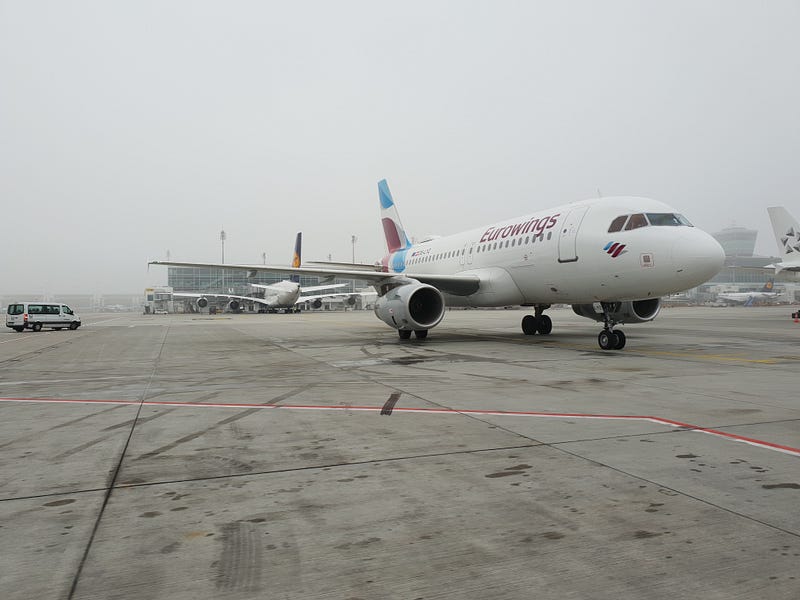
However, as we were called to the gate, we found out that we needed to take a bus. It happens now and again, that the airplane does not get a spot directly at the gates and we needed to be taxied to the plane. Nothing bad of course, it happens and most of the passengers were fine with it.
The bus ride
The trouble started when the bus arrived, we got on, but were not allowed to depart for the aircraft. As a matter of fact, we had to stand around on the bus for a full 20–25 minutes, before taxing our way to the plane.
These 20 minutes felt like a lifetime. The first few minutes went by perfectly fine for most. My fellow passengers spend the first two-three minutes trying to find something to hold onto on the bus, as one usually does — after which they got bored and took out their smartphones.
It felt as though all of these grown-ups acted like little kids who needed to be entertained. No one said a word, they all looked down and read some sort of news article / Instagram or facebook feed and some of them played a random card game.
I took the liberty of observing all people around me and apart from one 20-somewhat-year-old girl, who read a book, all others were staring at their phones. It was sad to see really — no interaction whatsoever took place on this bus, at all.
10 minutes passed
As time progressed and the first 10–12 minutes had passed, some of the passengers started to get restless. First, they started to look around nervously, their eyes left their phones for a second and skimmed the room for others who were just as annoyed as themselves. Most people’s first reaction was to try and read the messages of others around them. I bet they had hoped to find a „friend“ just as annoyed as them.
Then all of them, started to leave their family and friend (possible colleagues from work), messages; some more tech-savvy ones left a voice note (ridiculously talking to their screens, as one does apparently) or they used their two thumbs to madly type away a WhatsApp message of some sort. The faces were the best to look at. With each and every word they typed up, they cropped their shoulders up to their ears and sighed heavily.
I wonder why not a single person on this bus — and there must have been at least 30–40 people — simply asked the bus driver when we would depart. It would have been so easy and taken away so much negative energy.
Our bubble
Technology is great, it enables us to do so many fantastic things. We are able to communicate with people over incredible distances, get information within mere seconds on pretty much anything and to allow us to work wherever we would like.
I earn a living, consulting companies on how they can integrate digital tools into their business models; ultimately take better advantage of the technical possibilities and measure up to customer expectations. It is starting to become increasingly difficult, to break the ice in a conversation with someone. Especially when they
Within our European western society, we want to receive the fastest, best possible service without compromise. And the worst part is, we assume all companies know we want that. We do not even need to speak our minds and engage in an open conversation about our desires, requests, and needs, because it is obvious we want to be treated like kings, served instantly and shown respect.
Yet, I believe the amount of personal communication has dropped dramatically.
Direct communication is crucially important
What worries me, is the fact that has become harder for us to interact directly with one another. „We“ hide behind our devices, not to be confronted with difficult topics that require some form of human interaction.
Something we tend to make fun of in Europe is the way Americans speak to each other in casual situations. Especially when it comes to in-store interactions, how a customer is greeted, complimented on their outfits and the way Americans „superficial“ engage in a conversation with strangers.
Much is to be learned from this type of interaction in mainland Europe. „We“ do not want to be bothered when shopping, do not want advice unless we ask for it and expect companies (brands and retailer alike) to tell us everything there is to know before we would like to make a purchase decision, up front. But please do not talk to us.
Societies that rely heavily on automation and extensively use digital tools for communication, are in my opinion starting to become more isolated — disconnected even.
I travel quite a bit and have the privilege of being able to interact with various cultures every single day. As much as I love my life in mainland Europe, I think we need to work on our social skills. We need to learn to speak with each, again. All of these digital tools we create and that are available to us are useless unless we learn to know how to use them. We need to learn how to interact through and without them.
And to be honest, I would have really loved for someone on that bus to have just asked the driver what was going on. Next time, I will definitely get in last and stand at the front of the bus — just in case I need to show my lovely peers how it is done.
PS: Of course I was not happy about the wait, either. But I took so much gratification out of the agonizing facial expressions of my fellow bus drivers, that I actually had a splendid time.
Just a quick note to EuroWings, could you please inform your passengers proactively, in case some old ladies need to stand around in an ice-cold bus for 25 minutes? Not all of your passengers are healthy 20–40-year-olds. Have a good night everyone, and thank you for waiting to read the punchline.