Summary
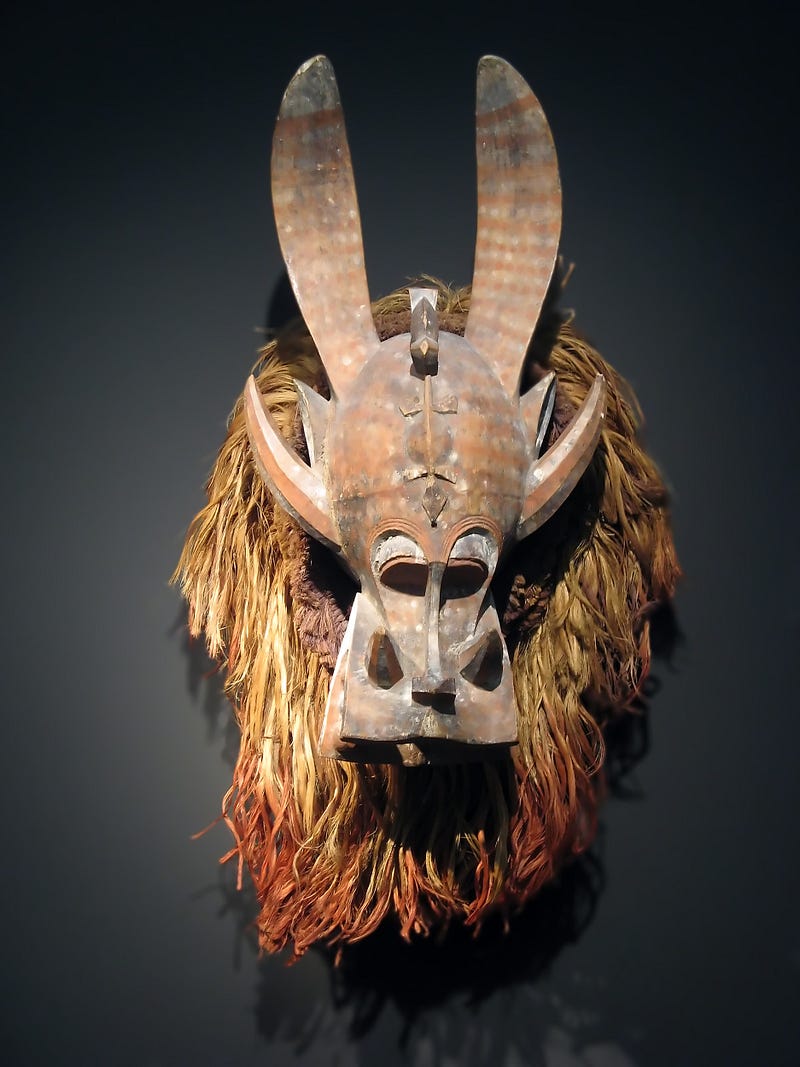
The website content describes a reflective and somewhat eerie visit to the Vatican Exhibit, focusing on the emotional impact of an ancient mask and the contrasting reactions of visitors.
Abstract
The text paints a vivid picture of a museum-goer's experience at the Vatican Exhibit on February 12, 1984. It delves into the mysterious allure of an ancient mask, its guarded presence within a glass cage, and the discomfort it evokes in visitors. The narrative captures the tension between the visitors' skepticism and their own reliance on personal talismans, highlighting the paradox of modern disbelief in the face of ancient idolatry. The visitors' unease is palpable as they encounter the mask's silent gaze and the "spirit breath" that seems to flutter against the glass. The experience culminates in a chilling interaction where the narrator slips through the glass, feeling a connection with the mask, as if it were a part of them. The visitors quickly move on to the comfort of more conventional religious iconography, such as angels and gold, guided by the scent of sacrifice.
Opinions
- The narrator seems to empathize with the ancient mask, suggesting a connection between the mask's history and the visitors' own search for meaning.
- There is a sense of irony in the visitors' nervous laughter and clutching of talismans, which betrays their skepticism as a facade.
- The visitors are depicted as seeking comfort in familiar religious symbols after the unsettling encounter with the mask.
- The mask is personified with a "howl" and "spirit breath," implying it possesses a haunting presence that affects the visitors deeply.
- The narrator's act of pressing their face into the ancient wood and the mention of chanting mimicking a heartbeat indicate a spiritual or transformative experience.