
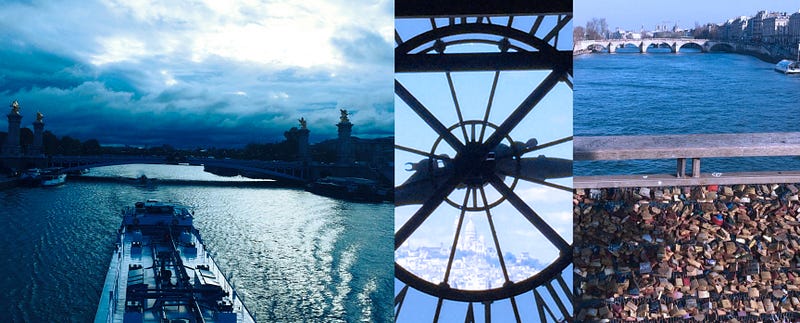
The UX of a photo essay
Simple research steps to create beautiful visual narratives
A photo essays is one of the most visually enticing formats to document and share stories.
Whether we want to let our friends and family know how much we enjoyed the adventurous hike in the Alps, or how our latest dyi-project is progressing, a photo essay will be our tool.
But how do we actually pull off an awe-inspiring photo essay?
Step 1: Do research
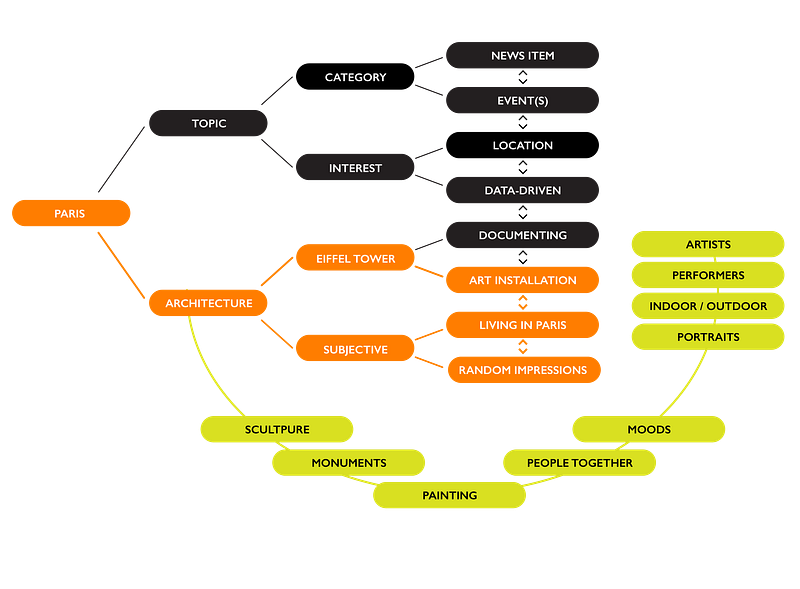
We start with a launch idea. A geo-location is a good take-off reference. A country, city, village, or mountain, all are perfect places to start your research tree.
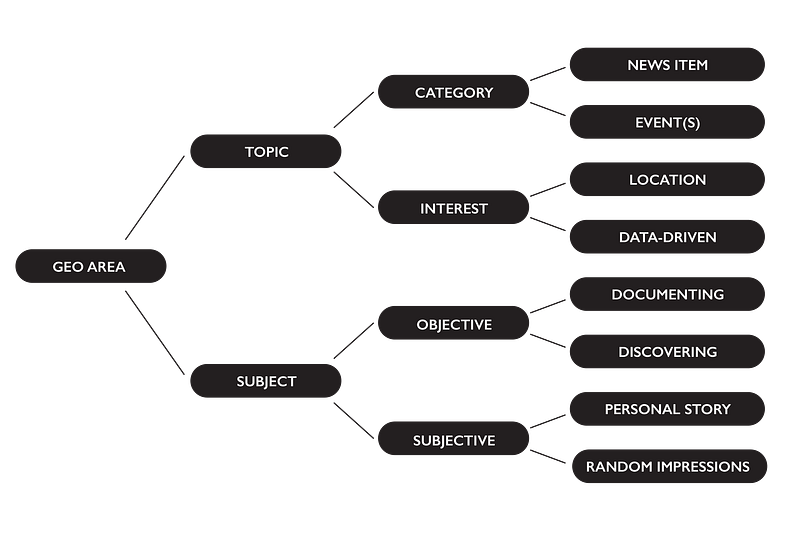
Next, focus needs be given on the actual topic or subject. This, in turn, can catalyze the mood and flavor of the details. Then, a definition of differentiating shots of the photo narrative can get drafted.
We can craft a research tree as suggested in the above diagram.
A research tree is a foundational tool to serve as a map and guide throughout the process of producing the photo essay.
Step 2. Follow your interests and passions
Photograph what feels exhilarating!
Set the mood to your story by following your sense of excitement. The photographer’s eye and instinct are key to creating a convincing photo story.
Let’s look at Paris through the eyes of this Parisian photographer!
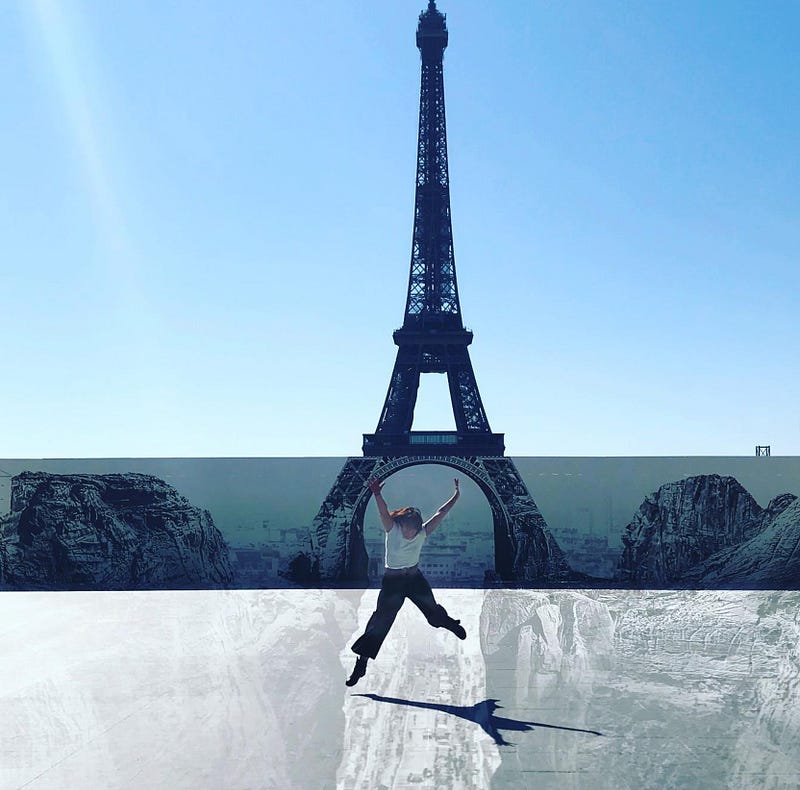
The photographer of this unique image of the Eiffel Tower, K. Dente, lives in Paris, the City of Lights. At the time she took this photo, she was strolling through the Parisian streets seeing the Eiffel Tower from many different corners. All of a sudden, she saw the modern art installation near the Eiffel Tower, and that’s when inspiration struck.
“I took a series of photographs of a friend. I animated her to jump and move for me to get dynamic shots. She was very pleased with the results. Just a beautiful and fun encounter in Paris.” — Karen Dente, Photographer
Looking at this photograph through the lens of research, we can identify an interesting research path defining the photo narrative.
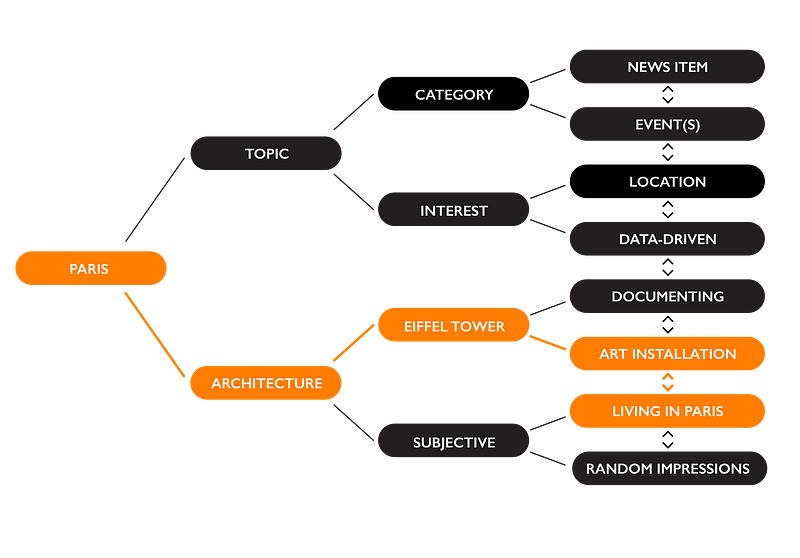
The photographer’s unique interest in art, matched with a passion for Parisian architecture and her personal intimate style combine to craft an entirely new and unique representation of Paris.
Step 3: Dive into your photo narrative
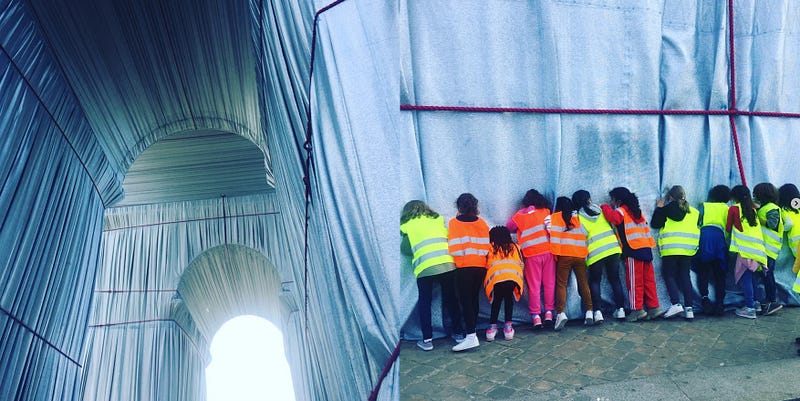
True to her interest in architecture and life in Paris at large, she found an abundance of interesting angles. Human interactions with the Parisian art installations proved to be funny and delightful.
The image of the young school children interacting with the fabric Christo used to wrap the Arc de Triomphe tells volumes about daily life through the eyes of a true Parisian.
Photographic curiosity, energy, colors, scale. They all add up to create an enormous sense of awe.
Step 4: Tell the story how only you can tell it
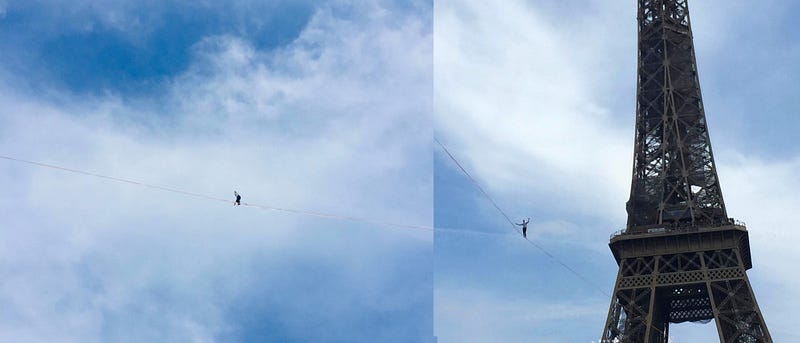
Paris is the city of all things artistic, a high wire act included. It takes the eyes of an artist to see the other!
Step 5: Expand the periphery of your story
While on location, you can never take too many photos. You never know what you’ll need, so the more coverage you have, the better.
Expand your photo narrative by adding peripheral shots. The story (of Paris) can be told through all the senses. Make the smells visible, the noises audible, and the action tangible. Every angle can discover a new sensory experience that delights viewers near and far.
Let your imagination roam and discover views that hitherto had been hidden.
Step 6. Take photos of everything
Indulge yourself! Look at the photo story through all the visual delights that fall into your research path.
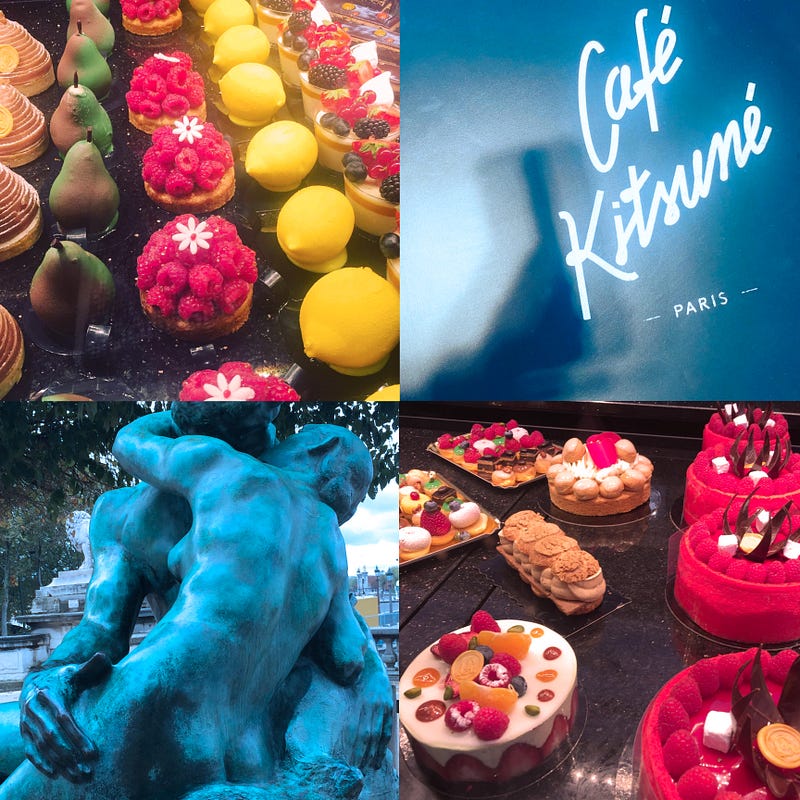
Art is not restricted to the static aesthetic. Take it in with all your senses!
Step 7: Only use the best images
From your first photo to the last, your photo essay serves to show your point of view of the story. Create a visually impactful story just the way you feel about the topic.
Choose the photos that are right for you!
In summary
Photo essays are succinct tools in telling your story through pictures the way you see the narrative unfold.
Do research on your topic, and try to stay within the path that you mapped. It will serve you as a guide covering your story.
Stay open-minded and indulge the senses.
Share your story. Readers love to see pictures.
All images, ©Karen Dente, 2021/2022. Photographed on location in Paris.
Make a difference. Join Medium.
Read up on more insights on UX and design.
Thank you.


