
The USA Climate When Japanese Americans Were Unjustly Incarcerated
World War II was very difficult for them
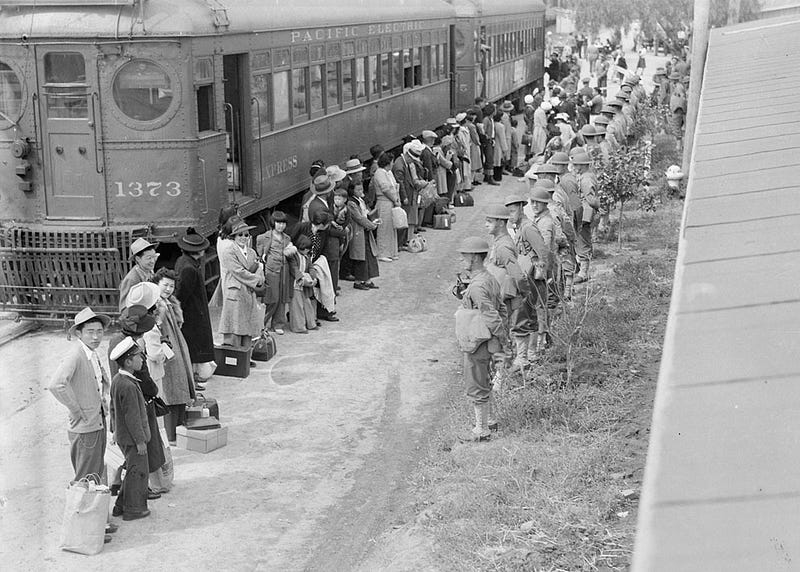
They were removed from their homes on the West Coast
The Japanese American Citizens League (JACL) is a nonprofit civil rights organization established in 1929 in the United States. There were several local groups of Americans of Japanese ancestry which already existed at that time. Deciding that they needed a national organization to fight for civil rights for themselves, their children, and their parents, some young people started the JACL. The early leaders were American citizens who were mostly college graduates. They had faced discrimination and prejudice on a daily basis.
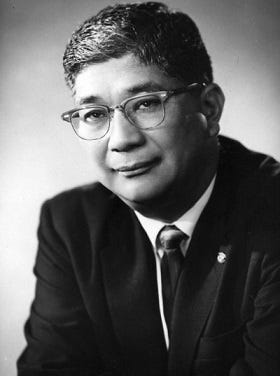
Slightly before World War II began, there was only one executive working for the JACL. His name was Mike Masaoka, who was born in California but raised in Utah. There were two women working as secretaries. The National President on the board for the JACL was Saburo Kido, who was a lawyer. Masaoka and Kido were two young men who took on the responsibility of making some important decisions for a large group of people. They encouraged patriotism and compliance with government orders.
After many of the leaders within the Japanese American and immigrant community in the United States were arrested by the FBI after Japan bombed Pearl Harbor, the JACL stepped up to work with the U.S. government. It was later determined to remove all those of Japanese heritage living in the West Coast states from their homes. Most were incarcerated in American concentration camps for the duration of the war. Masaoka and Kido were criticized by some within the JACL and the Japanese American community for their actions during the war.
Years later, Masaoka talked about the decisions that he and Kido were required to make. Masaoka spoke at a National JACL convention in August 1982 to explain their actions. This is a portion of what he said about the climate of the country at that time.
“We had no civil rights legislation on the books. For a hundred years since the end of the Civil War and the passage of the 13th, 14th and 15th amendments, Congress passed no bill recognizing the integrity of the human personality and the dignity of man. We had no Supreme Court cases talking about discrimination and segregation. We had no United Nations Declaration on Human Rights. And you could remember the Blacks had their difficulties then. And to those of you who question why more wasn’t done. Why we didn’t stand up and do more on certain things, let me say we had over three million Jews in this country at that time and our government, as well as most of the people in the United States, know about the Holocaust. They were not, in the climate of those days, able to do very much. So, how could you expect a few of us in the central organization then called the JACL to take the kind of activity that, perhaps, you thought we ought to?”
“There is, of course, much I could say about this, but I want to say more about the attitude. We had an attitude then which allowed a colonel in the army of the United States, backed by a three-star general, who said that it you had one-sixteenth Japanese blood, you had to go to a concentration camp American-style. Hitler, in all his madness, said one-eighth Jewish blood and you had to go to a Jewish genocide camp. We had members of the Congress of the United States who wanted to castrate–to sterilize, if you will–the young men of Japanese ancestry so we wouldn’t “breed like rats.” We had several United States senators who proposed that we ought to be deported after the war to some island in the Pacific and then that Pacific Island should be blown up. I could go on and on and tell you more about this climate.” [From “Mike Masaoka’s rebuttal to critics” from the National JACL Convention on the DVD of Conscience and the Constitution]
It was determined many years later by a commission that there were three reasons that the unjust incarceration of innocent American citizens and immigrants of Japanese heritage was allowed to occur. They were racism, war hysteria, and a failure of government leadership.
The people who were ethnically Japanese lost their freedom and nearly everything they had ever owned. They were treated with disdain and cruelty. They endured unimaginable hardships during World War II. Mike Masaoka helped Japanese Americans to eventually gain civil rights.
[Sources: The Japanese American Story As Told Through A Collection Of Speeches and Articles, www.thejapaneseamericanstory.com; Wikipedia; DVD: Conscience and the Constitution]